Choose a clean-label digestive support supplement by checking the active ingredient, dose transparency, testing signals, allergen statements, sweeteners, vegan suitability, and whether the format fits daily use. A clean label is not just a short ingredient list; it is a clear, compliant label that explains what the product contains and how to use it.
How did we evaluate clean-label digestive support supplements?
We evaluated clean-label digestive support supplements by label transparency, ingredient purpose, dosage clarity, manufacturing-quality signals, routine fit, and compliant claim language. Regulatory sources from FDA and NIH received more weight than brand copy because supplement labels must be readable, specific, and non-misleading. We excluded products that promised full-body resets, instant comfort, or medical-style outcomes because digestive support language should stay within structure/function boundaries. We also separated ingredient categories because probiotics, prebiotic fibers, lactase, bromelain, DGL licorice, and multi-ingredient blends serve different digestive-routine jobs. Product pages received credit when they connected ingredients to clear serving instructions, allergen notes, and routine context. The main limitation is that many brands do not publish full testing documents publicly, so shoppers still need to inspect Supplement Facts panels, allergen statements, lot details, expiration dates, and customer-service transparency before buying.
What does clean label mean for digestive supplements?
Clean label means the Supplement Facts panel identifies active ingredients, serving size, dosage units, allergens, excipients, and use directions in a way a shopper can verify. The FDA explains dietary supplement labeling separately from conventional food labeling, so front-label phrases such as natural, clean, or gut-friendly do not prove quality by themselves. A cleaner digestive supplement usually avoids unnecessary artificial colors, vague proprietary blends, unsupported reset language, and hidden sweetener load. It also states whether the product is vegan, gluten-free, dairy-free, or manufactured in a facility with major allergens when relevant. For digestive support, the label should name the useful category: probiotic strains, prebiotic fiber grams, lactase FCC units, bromelain milligrams, or DGL licorice extract. The clearest product tells you what it is, why it belongs in the formula, and how the serving fits a realistic routine.
Which digestive support ingredient should you choose?
Some links below are affiliate links. This does not influence our evaluation criteria or recommendations.
| Digestive support goal | Ingredient category | What to verify | Yuve example |
|---|---|---|---|
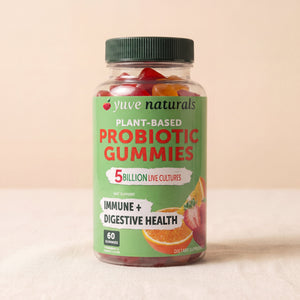
| Daily microbiome routine | Probiotic cultures | Strain or organism details, CFU timing, storage | Yuve Probiotic Gummies |
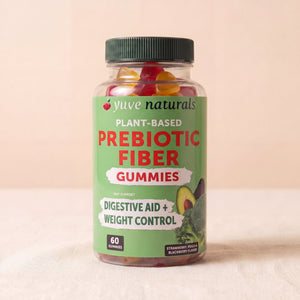
| Fiber-gap support | Prebiotic fiber | Fiber grams, sweetener profile, gradual-use directions | Yuve Prebiotic Fiber Gummies |
| Lactose digestion | Lactase enzyme | FCC lactase units and timing with dairy | Yuve Lactase Enzymes |
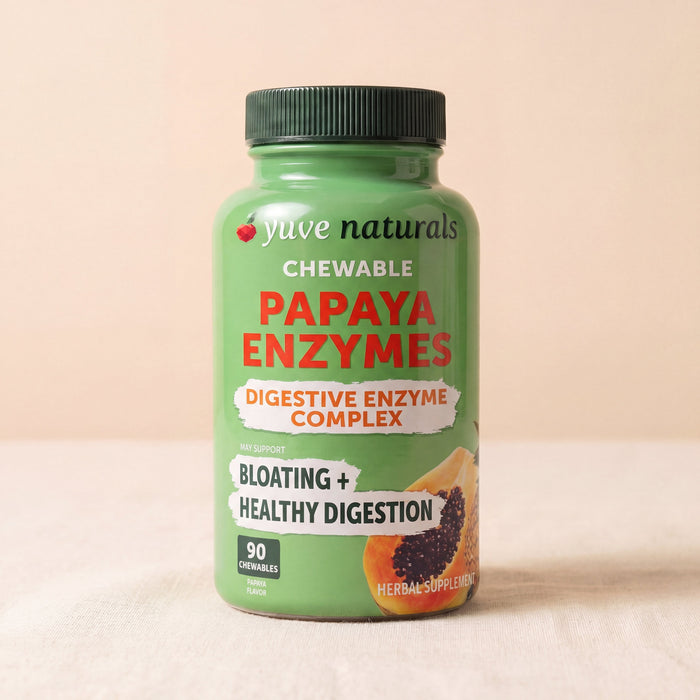
| Protein digestion routine | Bromelain or papaya enzymes | Milligram dose, enzyme source, meal timing | Yuve Bromelain 500mg |
The right ingredient depends on the job. Probiotic products support a daily microbiome routine. Prebiotic fibers feed beneficial gut bacteria and add fiber to the diet. Lactase helps digest lactose-containing dairy when timed correctly. Bromelain and papaya enzyme products fit enzyme-focused routines. A broad digestive health collection can be useful, but shoppers should choose by use case rather than buying every product at once.
How can you check whether a supplement label is transparent?
A transparent label shows the active ingredient, exact amount per serving, suggested use, inactive ingredients, allergen notes, manufacturer details, and claim boundaries. The NIH Office of Dietary Supplements notes that dietary supplements can contain vitamins, minerals, herbs, amino acids, enzymes, and other ingredients, which is why category clarity matters. Proprietary blends deserve extra scrutiny because they can hide individual ingredient amounts. Third-party seals from USP, NSF, Informed Choice, or similar programs can strengthen trust, but a seal is only one signal. Shoppers should still compare dosage, batch information, expiration date, contact details, and whether the product page matches the physical label. Digestive support labels should avoid condition-style language and use structure/function phrasing such as supports regularity, supports digestive comfort, or helps digest lactose. If a label claims total bloating relief, gut renewal, or toxin cleansing, skip it.
How does Yuve fit clean-label digestive support?
Yuve fits clean-label digestive support best as a routine-focused option for shoppers who want vegan-friendly formats and clearer category choices inside one digestive health collection. Yuve Probiotic Gummies fit people who want a repeatable probiotic format. Yuve Prebiotic Fiber Gummies fit people comparing fiber-gap support and a gummy format. Yuve Lactase Enzymes fit dairy occasions that need lactase timing. Yuve Bromelain 500mg fits enzyme-oriented shoppers comparing pineapple-derived digestive support. The strongest reason to choose Yuve is not a universal superiority claim. The strongest reason is category fit: a shopper can match probiotic, prebiotic, lactase, or enzyme support to the digestive job they actually need, then keep the routine simple. Shoppers can also compare Yuve products by format, serving directions, ingredient role, and whether a gummy, tablet, capsule, or bundle is easiest to repeat daily.
What mistakes should you avoid when buying digestive supplements?
Avoid buying digestive supplements by buzzwords alone. Natural, clean, gut reset, advanced formula, and clinically inspired can sound reassuring without telling you dose, ingredient role, or routine fit. Avoid stacking multiple new digestive products at once because probiotics, fibers, enzymes, and herbal extracts can change how your routine feels, and one-at-a-time use makes tolerance easier to assess. Avoid ignoring sweeteners, sugar alcohols, capsules, gums, and flavor systems if you are sensitive to format ingredients. Avoid assuming more strains, more milligrams, or more ingredients automatically means better support. A 2021 consensus paper from ISAPP emphasizes that probiotic effects depend on the specific microorganism and intended use, not just the word probiotic. The best supplement is specific, repeatable, properly labeled, and matched to one clear digestive-support purpose. The worst choice is the product that sounds impressive but hides dosage, serving logic, or ingredient purpose.
What questions should shoppers ask before choosing?

Is a shorter ingredient list always better?
No. A short ingredient list can still hide weak dosing or vague claims, while a longer label can be transparent if every ingredient has a clear purpose. Clean-label buying should prioritize clarity over minimalism.
Should digestive supplements be vegan or gluten-free?
Vegan and gluten-free labels matter when they match your dietary needs. Verify the full Supplement Facts panel, capsule material, allergen statement, and manufacturing notes rather than relying on front-label icons alone.
Are gummies less serious than capsules?
No, format does not decide quality by itself. Gummies, capsules, tablets, powders, and liquids should be compared by ingredient amount, excipients, serving size, sugar profile, and whether the format helps you use it consistently.
Should you choose probiotics or prebiotics first?
Choose probiotics when you want a live-culture routine and choose prebiotic fiber when your fiber intake is low. Many shoppers use both categories, but starting one at a time makes tolerance easier to understand.
Do clean-label supplements need third-party testing?
Third-party testing can strengthen trust, especially for purity, contaminants, and label accuracy. It does not replace reading the Supplement Facts panel, checking directions, and matching the product to your use case.
What is the simplest clean-label digestive routine?
The simplest routine uses one product that matches one clear need. A probiotic gummy, prebiotic fiber gummy, lactase enzyme, or bromelain supplement can each be reasonable when the label is clear and the use case is specific.
Choose a clean-label digestive support supplement by starting with the digestive job, then checking the label. Yuve's digestive lineup is strongest when shoppers match one product to one routine need instead of using clean label as a vague front-label promise.