Ever feel like your stomach inflates like a balloon by afternoon? You’re not alone- and we get how frustrating that constant bloating and digestive guesswork can be. It’s exhausting trying to figure out what will keep your gut happy versus what might trigger… dun, dun, dun- unwelcome gas. Yikes!
It’s easy to get tangled up in gut health terms, with "prebiotics" and "probiotics" popping up everywhere. But here's the good news: understanding the difference between prebiotics and probiotics is a game-changer for taking control of your digestive health.
In this guide, we'll break it all down in simple terms. You’ll learn exactly what each one does, which is right for you, and how to use them to finally get that calm, happy gut you deserve.
Probiotics and Prebiotics: The Gut Garden Analogy
Let's start with a super simple way to think about this. Imagine your gut is a garden.
- Probiotics are the seeds you plant- the live, good bacteria that help your garden flourish.
- Prebiotics are the fertilizer- the special food that nourishes those good bacteria seeds and helps them grow strong.
For a healthy, vibrant garden, you need both. One plants the good stuff, and the other feeds it. Simple, right?
Prebiotics vs. Probiotics at a Glance
This quick table highlights the core distinctions between these two gut health allies.
| Feature | Probiotics | Prebiotics |
|---|---|---|
| What They Are | Live, beneficial bacteria and yeasts that add to the healthy microbes in your gut. | Specialized, non-digestible plant fibers that act as food for your existing good bacteria. |
| Main Job | To introduce new "good guys" to your gut, helping to balance your microbiome. | To nourish and fertilize the beneficial bacteria already present, helping them grow and thrive. |
| Example Sources | Fermented foods like yogurt, kimchi, kombucha, and high-quality supplements. | High-fiber foods like garlic, onions, bananas, chicory root, and asparagus. |
| Primary Benefit | Directly colonize the gut to support digestion, immunity, and crowd out harmful microbes. | Indirectly support gut health by boosting the population of your own native good bacteria. |
Ultimately, probiotics are about adding to the population of your gut, while prebiotics are about feeding the residents already there. They work best as a team to create a thriving internal ecosystem, which means smoother digestion and a happier you.
For a really deep dive into your unique gut environment, it can be helpful to understand what a gut microbiome test entails. This can give you a personalized map of what your own internal "garden" needs to thrive.
Meet the Probiotics: Your Gut's Live-In Helpers

Alright, let's zoom in on the famous "good guys" of gut health: probiotics. These are live microorganisms that, when you get enough of them, take up residence in your digestive tract and deliver some fantastic health benefits. Think of them as friendly tenants moving into your gut to keep the neighborhood in good shape.
How Probiotics Get to Work
Unlike prebiotics, which are fuel, probiotics are the actual workers. Once they make it to your gut, their main job is to colonize your intestines. This is a crucial distinction.
Probiotics help restore and maintain a healthy balance in your gut microbiome by competing with potentially harmful bacteria for space and nutrients- essentially crowding out the troublemakers. It’s like having a dedicated security team that keeps the peace and ensures your internal ecosystem runs smoothly.
Probiotics are all about adding reinforcements. You're directly sending beneficial soldiers to your gut's army, fortifying your defenses against common issues like digestive discomfort and bloating.
This is why so many people feel tangible relief from gas and irregularity after making probiotics a consistent part of their routine. The global probiotics market was valued at an impressive USD 73.13 billion in 2025 and is expected to climb to USD 134.50 billion by 2034, because they work! They actively colonize the gut and offer real support. You can dive deeper into these trends with these insights on the probiotics market.
Common Probiotic Strains and What They Do
When you look at probiotic supplements, you'll see specific names listed. Two of the most common and heavily studied families are Lactobacillus and Bifidobacterium.
- Lactobacillus strains: Often found in yogurt and other fermented foods, they’re excellent at helping your body digest lactose (the sugar in milk). A huge help if dairy gives you trouble!
- Bifidobacterium strains: Typically found in your large intestine, these are powerhouses at breaking down fiber and producing beneficial compounds that nourish your gut lining.
By introducing a variety of these helpful bacteria, you're building a more diverse and resilient gut community. To find out more, check out our guide on the best probiotics for digestion.
Understanding Prebiotics: The Ultimate Fuel for Your Gut
If probiotics are the friendly live-in helpers, prebiotics are their favorite home-cooked meal. These aren't live organisms. Instead, prebiotics are specific types of plant fibers your body can't digest.
They travel through your system untouched until they reach your large intestine. There, they become the perfect food source for the beneficial bacteria already living in your gut.
How Prebiotics Nourish Your Gut Garden
Here’s the key difference: prebiotics don't introduce new bacteria. They act like a top-tier fertilizer for the garden you already have, encouraging your existing good microbes to grow and multiply. This process is called fermentation.
As your gut bacteria feast on these fibers, they produce incredible compounds called short-chain fatty acids (SCFAs). A 2020 review in the journal Nutrients highlighted how SCFAs are critical for strengthening the gut barrier and calming inflammation. What this means for you is smoother digestion and a much happier gut.
A key takeaway: Prebiotics are selective. They specifically feed the good guys- like Bifidobacteria and Lactobacilli- while essentially starving out the less desirable microbes.
The market for these fibers is exploding for a reason, projected to jump from USD 7.69 billion in 2025 to USD 14.72 billion by 2035. You can dive deeper and discover insights on the prebiotic market.
Where to Find These Gut-Loving Fibers
The best part? Prebiotics are in delicious, everyday plant-based foods. Some of the best sources include:
- Garlic and Onions: Kitchen staples loaded with prebiotic fiber.
- Chicory Root: A rich source of inulin, often found in coffee alternatives.
- Bananas (especially slightly green ones): Contain resistant starch that your gut microbes love.
- Asparagus and Jerusalem Artichokes: Fantastic sources of inulin.
Weaving these into your diet is a simple way to keep your gut's friendly bacteria well-fed. For more tasty ideas, check out our guide on what foods are high in prebiotics.
When to Choose Prebiotics, Probiotics, or Both?
Alright, now for the practical part. What does your gut need right now? The best choice often comes down to your immediate health goals.
For Bouncing Back After Antibiotics
Just finished a round of antibiotics? While they're crucial for fighting infections, antibiotics can wipe out both good and bad bacteria in your gut.
In this situation, a probiotic is your best friend. Your main mission is to repopulate your gut with beneficial microbes as quickly as possible. Think of it as sending in a new team to rebuild after a major disruption.
For Everyday Digestive Harmony
If you're focused on long-term maintenance, prebiotics should be your go-to. By consistently eating prebiotic-rich foods, you provide the ideal fuel for your existing good bacteria, helping them thrive. This approach strengthens your gut’s natural defenses over time, making it more resilient. It’s a proactive strategy for sustainable gut wellness.
For the Ultimate Gut Health Boost
So, what if you want the best of both worlds? That’s where a synbiotic approach comes in- using prebiotics and probiotics together. You’re planting new seeds in your gut garden and giving them high-quality fertilizer at the same time.
A synbiotic strategy delivers the immediate support of probiotics while providing the long-term nourishment of prebiotics. This dynamic duo works together to supercharge their effectiveness.
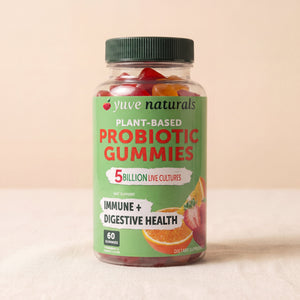
A perfect example is taking your daily Yuve Vegan Probiotic Gummies with a breakfast of oatmeal topped with berries and banana slices. It's a simple, powerful way to give your gut everything it needs.
Building Your Gut-Friendly Routine
Knowing the difference is one thing, but putting it into practice is where you'll see real change. This isn't about a radical diet overhaul- it's about making small, consistent choices that add up.
Start with Prebiotic Fuel
First, stock your kitchen with foods that feed your friendly gut bacteria. Here’s a simple checklist:
- Garlic and Onions: Toss an extra clove into your pasta sauce or add sautéed onions to your tofu scramble.
- Bananas (Slightly Green): Slice one into your morning oatmeal for an easy boost.
- Oats: A fantastic source of beta-glucan fiber, oats are the perfect prebiotic-rich start to any day.
- Asparagus: Roast or steam them as a delicious side dish.
- Apples: Full of pectin, they are a perfect portable snack.
Add Probiotic Reinforcements
While foods lay the foundation, sometimes your diet can't do all the work. Life gets busy, and it's not always practical to eat fermented foods like kimchi or sauerkraut every day. This is where a high-quality supplement becomes a core part of your solution.
Our founder, Sam, knows this struggle firsthand. For years, he dealt with frustrating digestive issues and bloating. That personal journey is what led him to create Yuve. He needed a simple, clean, and effective way to support his gut health without the guesswork- and he knew others did, too.
That's why Yuve Vegan Probiotic Gummies are such a smart, proactive step. They remove the guesswork, ensuring you consistently populate your gut with beneficial bacteria.
Let’s be honest- consistency is everything for gut health. A tasty gummy you actually look forward to taking makes it so much easier to stay on track. It’s a small daily habit that can bring major digestive peace.
Taking one or two gummies each day is an effortless way to give your internal ecosystem the backup it needs to thrive.
How to Choose a Quality Supplement
Walking down the supplement aisle can feel overwhelming. How do you find one that will actually make a difference? Let's cut through the noise.
One of the first things you'll see is CFU, which stands for Colony Forming Units. While it’s tempting to think a higher number is always better, that’s not necessarily true. Think quality over quantity. A supplement with a well-researched amount of specific, proven strains is far more effective.
What to Look for on the Label
The best supplements are transparent about what’s inside. Look for specific strain names, like Lactobacillus acidophilus or Bifidobacterium lactis, not just a generic "probiotic blend." These are the clinically studied heroes.
You’ll also want to check for certifications that match your needs. A high-quality product should be:
- Vegan and Gelatin-Free
- Gluten-Free
- Non-GMO
Choosing a supplement is like finding a trusted partner for your health journey. You want one that’s clean, effective, and aligns with your values.
This is why our Yuve Vegan Probiotic Gummies are formulated not just with effective strains, but also with the clean, plant-based ingredients you deserve. They’re a simple, trustworthy choice to support your gut without compromise. For a deeper dive, check out our full guide on what to look for when buying probiotics.
Your Questions Answered: Prebiotic & Probiotic FAQ
We get a lot of questions about the practical side of taking prebiotics and probiotics. Let's clear up the most common ones.
Can I take prebiotics and probiotics together?
Absolutely! In fact, we highly recommend it. This combination is often called ‘synbiotic therapy’ because they work in synergy. The prebiotics act as targeted fuel, helping the probiotics flourish once they arrive in your gut. This makes your probiotic supplement even more effective.
How long does it take for probiotics to work?
This really depends on the individual. Many people report feeling digestive improvements, like less bloating, within the first few days or a week. For other benefits, like immune support, it can take several weeks of daily use. Consistency is truly the key.
Are there any side effects to be aware of?
For most people, both are very safe. When you first start, it's not uncommon to experience some temporary gas or bloating. This is a normal sign that your gut microbiome is adjusting and usually fades within a few days. We suggest starting with a smaller dose and slowly increasing it. Of course, if you have a serious health condition, it's always wise to chat with your healthcare provider first.
Ready to feel the difference a happy gut can make? Yuve Vegan Probiotic Gummies make consistency easy and delicious, giving your gut the daily support it deserves.
→ Click here to try Yuve's Vegan Probiotic Gummies and feel the difference for yourself!