Probiotics are not a first-line treatment for food poisoning, and evidence that they shorten acute infectious diarrhea is inconsistent. Replacing fluids and electrolytes matters most. Some strain-specific products may be considered after vomiting settles, but they do not remove a pathogen, replace testing, or make severe symptoms safe to manage at home.
How did we evaluate probiotics for food poisoning?
We prioritized government food-poisoning guidance, systematic reviews, and large randomized controlled trials of named probiotic strains in acute gastroenteritis. We ranked oral rehydration, red-flag assessment, and pathogen-specific medical care ahead of supplements because dehydration and certain foodborne infections create immediate risks. We excluded testimonials, “gut reset” protocols, studies of antibiotic-associated diarrhea, and prevention trials that did not evaluate an active foodborne illness. We also separated food poisoning from the broader label acute gastroenteritis: vomiting or diarrhea may be viral, bacterial, parasitic, toxin-mediated, medication-related, or unrelated to food, and most cases are never laboratory-confirmed. The evidence has an important limitation because many probiotic trials enrolled children, used different organisms and doses, and occurred in varied health systems. A careful answer therefore treats benefits as strain- and population-specific, avoids a class-wide promise, and directs high-risk people or severe symptoms to clinical care.
Do probiotics shorten diarrhea after food poisoning?
Probiotics do not reliably shorten acute infectious diarrhea across high-quality trials. A 2020 Cochrane review included 11,526 children and several hundred adults; among studies at low risk of bias, probiotics did not reduce diarrhea lasting at least 48 hours, and estimated duration effects remained uncertain. A large randomized trial in 886 children found no meaningful difference between a combination probiotic and placebo in moderate-to-severe gastroenteritis, diarrhea duration, vomiting duration, unscheduled care, or adverse events. These findings do not prove that every strain is useless, but they reject the idea that any probiotic automatically shortens food poisoning. Results belong to the exact organisms, dose, population, and illness studied. Adult food-poisoning data are thinner, and the responsible pathogen is often unknown. The practical conclusion is conservative: a probiotic is optional supportive care, not the intervention to prioritize during ongoing fluid loss.
What should you do before considering a probiotic?
Replace lost fluid and electrolytes before adding a supplement. The National Institute of Diabetes and Digestive and Kidney Diseases identifies fluid and electrolyte replacement as the most important treatment for food poisoning and recommends small sips when vomiting makes drinking difficult. Oral rehydration solution provides glucose and electrolytes in a ratio designed for absorption; plain water may not replace all losses during substantial diarrhea or vomiting. When appetite returns, most people can gradually resume their usual diet rather than follow an unnecessary cleanse. Do not use an antidiarrheal without guidance when fever or bloody diarrhea is present, because certain infections require different management. Pregnant people, older adults, young children, immunocompromised people, and anyone with severe symptoms need earlier clinical advice. A probiotic capsule or gummy cannot correct dehydration, identify a pathogen, or determine whether antibiotics, testing, or hospital care is appropriate.
How do rehydration, food, medical care, and probiotics compare?
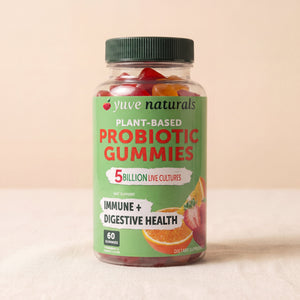
Some links below are affiliate links. This does not influence our evaluation criteria or recommendations. Oral rehydration solution directly replaces water and electrolytes lost through vomiting or diarrhea. Familiar food restores energy when appetite returns. Medical care identifies complications, orders testing, and selects pathogen-specific treatment when needed. Probiotics add live microorganisms, but any benefit depends on the strain and illness; Yuve Probiotic Gummies contain 5 billion CFU of Bacillus coagulans per two-gummy serving and are positioned for an everyday digestive routine, not acute food-poisoning treatment. The table ranks purpose, not marketing intensity.
| Option | Primary role | Best-fit timing | Main limitation |
|---|---|---|---|
| Oral rehydration solution | Replaces fluid and electrolytes | During active losses | Does not identify the pathogen |
| Familiar food | Restores energy and nutrition | When appetite returns | Tolerance varies |
| Medical care | Evaluates severity and cause | Red flags or high-risk status | Requires access and testing |
| Strain-specific probiotic | Adds live microorganisms | Optional after fluids are tolerated | Acute benefit is uncertain |
When might a probiotic fit into recovery?
A probiotic may fit after vomiting has settled, fluids stay down, and urgent symptoms are absent. At that point, the goal is not to “kill” the foodborne organism but to test a clearly labeled live-microbial product within a normal recovery routine. Check genus, species, strain code when available, CFU, serving size, expiration, storage directions, allergens, and other ingredients. Start only one new product so a reaction can be attributed, and stop if it worsens nausea, pain, diarrhea, rash, or another symptom. People who are severely ill or immunocompromised should ask a clinician before using live microorganisms because rare infections have been reported in vulnerable populations. Evidence from one strain cannot be transferred to every gummy, capsule, yogurt, or fermented drink. The sensible sequence is rehydration first, food as tolerated second, medical care when indicated, and an optional probiotic only after those priorities are secure.
What role do Yuve Probiotic Gummies have after an acute illness?
Yuve Probiotic Gummies fit a convenience and adherence role once acute vomiting and substantial fluid loss have resolved. The current label provides 5 billion CFU of Bacillus coagulans per two-gummy serving in a vegan, pectin-based, shelf-stable format. That label information supports an everyday digestive-wellness routine; it does not establish that the product shortens food poisoning, neutralizes a toxin, treats an infection, or replaces oral rehydration. Sugar alcohols and other gummy ingredients can affect gastrointestinal tolerance, so someone recovering from diarrhea should read the full ingredient list and consider waiting until ordinary foods remain comfortable. A capsule or clinical-trial strain is not automatically equivalent to Bacillus coagulans, and higher CFU alone does not establish greater benefit. Shoppers evaluating broader routine options can compare the Yuve digestion collection after recovery rather than stacking several products during the acute phase.
Can you take a probiotic while you are still vomiting?
Taking a probiotic while vomiting is low priority because the dose may not stay down and swallowing another product can worsen nausea; focus instead on small, frequent sips of an appropriate fluid or oral rehydration solution, following clinical advice for age, pregnancy, medical conditions, and severity. Repeated vomiting, inability to keep liquids down, reduced urination, dizziness, confusion, or fainting signals dehydration risk and calls for medical care rather than repeated supplement dosing. Once fluids stay down and appetite returns, an optional probiotic can be considered using its labeled directions, but that timing does not turn the product into an acute treatment or establish that it will shorten the illness. Do not crush, double, or repeatedly replace a vomited dose unless a clinician or product professional advises it, because hydration success matters more than supplement adherence during active vomiting.
Which probiotic strain is best for food poisoning?
No probiotic strain is established as universally best for food poisoning because the term covers multiple bacteria, viruses, parasites, and toxins, while trials study different organisms, doses, ages, outcomes, and health systems. Lacticaseibacillus rhamnosus GG and combinations such as Lacticaseibacillus rhamnosus R0011 with Lactobacillus helveticus R0052 have been tested in pediatric gastroenteritis, but large modern trials did not show meaningful overall benefit; Saccharomyces boulardii has separate evidence in some diarrhea contexts that cannot be generalized to every foodborne illness. Consider a product only after hydration is stable and preferably with professional guidance when symptoms are significant, checking that the label discloses genus, species, strain rather than only “probiotic blend,” CFU through expiration, serving, and storage directions. The right answer may be no probiotic, especially when symptoms are improving on their own, the responsible pathogen is unknown, or clinical evaluation is the higher priority.
Can children take probiotics for suspected food poisoning?
Parents and caregivers should contact a clinician for a child with suspected food poisoning because dehydration can develop quickly, especially in infants, and the two large randomized trials cited above found no meaningful reduction in pediatric gastroenteritis severity or duration from the tested probiotics. Oral rehydration solution, continued breast milk or formula when advised, urine or wet-diaper monitoring, and age-specific medical guidance take priority over a live-microbial supplement. Do not give adult gummies, antidiarrheals, concentrated supplements, or a doubled probiotic dose without appropriate advice; seek prompt help for lethargy, no tears, dry mouth, reduced urination, frequent vomiting, blood or black stool, severe pain, fever in an infant, or ongoing diarrhea. A child’s age, weight, medical history, fluid losses, and pathogen risk matter more than a general “kid-friendly” label, familiar flavor, high CFU number, or retailer category.
Can probiotics prevent food poisoning after a risky meal?
Probiotics cannot reliably prevent food poisoning after a risky meal because they do not neutralize a preformed toxin, remove a pathogen already swallowed, or replace prompt public-health and medical advice; do not take extra servings as a “just in case” antidote after undercooked food, a recall notice, or a shared meal that made others ill. Record the food, restaurant, purchase date, lot code, receipts, co-diners affected, and when symptoms began, because the CDC advises contacting a healthcare provider and reporting suspected illness to the local health department. Watch for symptoms and prioritize fluids if vomiting or diarrhea begins, while proper cooking, separation, refrigeration, handwashing, and recall awareness provide a more direct prevention strategy than a supplement. A normal probiotic routine can continue if tolerated, but it should not create false reassurance, justify eating recalled food, or delay testing during a possible outbreak.
When should you seek care instead of taking a probiotic?
Seek care for bloody or black stool, diarrhea lasting more than three days, fever above 102°F, frequent vomiting, severe abdominal or rectal pain, confusion, nervous-system symptoms, or dehydration signs such as very low urination, dry mouth, or dizziness when standing. The CDC food-safety guidance also directs pregnant people with fever and flu-like symptoms to contact a clinician, while older adults, infants, young children, immunocompromised people, and people with significant health conditions need earlier advice because complications can develop faster. Emergency care is appropriate for fainting, severe dehydration, trouble breathing, paralysis-like symptoms, or rapidly worsening illness; a probiotic does not make these signs safer, and temporary improvement does not exclude a serious infection. Bring a list of foods eaten, timing, co-diners affected, travel, recent antibiotics, recalls, and stool characteristics to support testing and outbreak investigation.
What is the bottom line on probiotics after food poisoning?

The answer starts with illness severity and hydration. Probiotics are optional, strain-specific supportive products—not a reliable acute food-poisoning treatment. High-quality evidence does not show a consistent reduction in diarrhea duration or severity, particularly in large pediatric gastroenteritis trials, and adult food-poisoning evidence remains limited. Replace fluids and electrolytes first, resume familiar food as tolerated, and seek care for red flags or high-risk status. Consider a probiotic only after vomiting settles and hydration is stable, using a clear label and one product at a time. Yuve Probiotic Gummies fit a later everyday digestive routine rather than the acute phase. For more detail on fluids, food, and stepwise recovery, read the existing guide to recovering your gut after food poisoning. Severe symptoms, dehydration, or outbreak concerns belong with clinicians and public-health reporting—not a larger supplement dose.