Bloom Sparkling Energy may make some people feel an urge to poop, mainly because its caffeine can stimulate digestive activity in caffeine-sensitive users. The standard can currently lists 180 mg of caffeine; minis list 100 mg. Bloom-specific bowel-movement studies are not available, so individual response, serving size, meals, and total daily caffeine matter.
How did we evaluate whether Bloom Energy can affect bowel movements?
We checked Bloom Nutrition’s current Sparkling Energy product page for serving-specific caffeine claims, then compared those facts with FDA caffeine guidance and human studies of coffee and colonic motor activity. We prioritized controlled physiologic measurements over reviews, anecdotes, or assumptions that every energy-drink ingredient acts as a laxative; we separated evidence about coffee from evidence about isolated caffeine because coffee contains compounds beyond caffeine and Bloom is not coffee. We also compared Yuve probiotic and prebiotic formats by category and label role, not as immediate bowel stimulants. No published trial located for this review tested Bloom Sparkling Energy against placebo for bowel frequency, urgency, or stool consistency; that gap means the most accurate answer is conditional: Bloom can coincide with an urge in a sensitive person, but the product does not reliably make everyone poop.
Why might Bloom Sparkling Energy make someone poop?
The current Bloom Sparkling Energy page lists zero sugar, 10 calories, and 180 mg of caffeine from green coffee bean extract in a standard can; the 7.5-ounce minis list 100 mg. Caffeine can increase alertness and may affect gastrointestinal activity, but coffee research shows that caffeine is not the only possible factor. In a small human study, regular and decaffeinated coffee increased rectosigmoid motor activity within minutes in responders, suggesting coffee compounds and individual sensitivity both matter. Bloom is a carbonated energy drink, not brewed coffee, so that result cannot be transferred directly to the product. Drinking a cold beverage quickly, taking caffeine on an empty stomach, pairing it with breakfast, or consuming other caffeine the same day can alter the experience. A bowel urge after Bloom is plausible; a guaranteed laxative effect is not.
How can you tell whether caffeine is the likely trigger?
Compare matched days instead of changing the whole routine. Record the Bloom size, flavor, time, meal, other caffeine, bowel urgency, stool form, and symptoms such as cramping, palpitations, or reflux. The FDA says 400 mg per day is an amount not generally associated with negative effects for most adults, but sensitivity varies with body weight, medicines, health conditions, pregnancy, and individual response. A standard 180 mg Bloom therefore represents 45% of that general daily reference before coffee, tea, pre-workout, chocolate, or medication sources are counted. Try a smaller labeled serving or a non-caffeinated comparison day only if that is safe for you. Do not use repeated energy drinks to force a bowel movement. Urgency accompanied by watery diarrhea, severe pain, fainting, or a racing heartbeat is a reason to stop and reassess. Total exposure matters.
How do Bloom, coffee, and Yuve gut-health formats compare?
Affiliate disclosure: Yuve may benefit from purchases made through links on this page. Commercial interest does not change the comparison criteria or evidence limits.
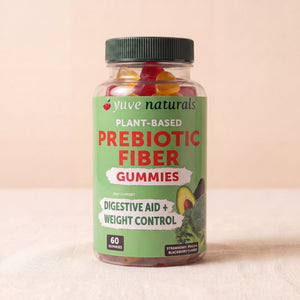
Best for identifying an immediate beverage trigger: Bloom or coffee tracked separately. Their timing makes an acute response easier to observe, but coffee studies cannot prove a Bloom effect. Best for intentionally adding fermentable fiber: Yuve Prebiotic Fiber Gummies. Fiber belongs to a gradual routine, not an on-demand bowel experiment. Best for a vegan probiotic gummy format: Yuve Probiotic Gummies, which list Bacillus coagulans. The NIH Office of Dietary Supplements notes that probiotics can cause gas and that effects vary by microorganism and product. Neither Yuve option contains caffeine or promises an immediate bowel movement. Choose one variable, follow the current label, and evaluate tolerance over an appropriate routine window.
| Option | Relevant input | Best for | Main limitation |
|---|---|---|---|
| Bloom Sparkling Energy | 180 mg caffeine in standard cans; 100 mg in 7.5-oz minis | Tracking whether a caffeinated energy drink coincides with urgency | No Bloom-specific bowel-movement trial establishes a predictable effect |
| Brewed coffee | Caffeine plus other coffee compounds | Comparing a familiar caffeinated beverage response | Caffeine content varies and coffee evidence does not transfer directly to Bloom |
| Yuve Prebiotic Fiber Gummies | Prebiotic fiber | A gradual, intentional fiber routine | Fermentable fiber can increase gas and is not an immediate stimulant |
| Yuve Probiotic Gummies | Bacillus coagulans | A vegan probiotic gummy format | Probiotic effects are organism- and person-specific and may include gas |
When is a bowel change more than a caffeine response?
One urgent bowel movement after a caffeinated drink may reflect sensitivity, meal timing, or the normal gastrocolic response. Repeated watery stool, nighttime diarrhea, fever, blood or black stool, severe abdominal pain, dehydration, fainting, or unexplained weight loss needs medical attention. The NIDDK diarrhea guidance lists infections, food intolerances, digestive disorders, and medicine side effects among possible causes, so caffeine is only one candidate. Stop the new beverage if symptoms reliably follow it, hydrate appropriately, and review the full ingredient label for the exact flavor and package size. People who are pregnant, caffeine-sensitive, using stimulant medicines, or managing heart-rhythm, anxiety, reflux, or blood-pressure concerns should discuss caffeine limits with a qualified clinician. A product response is a pattern to investigate, not a diagnosis. A repeated pattern deserves a broader review of diet, medicines, infections, and underlying health.
What else should you know about Bloom and bowel movements?
How quickly could Bloom create an urge to poop?
An urge could occur within minutes to hours in a sensitive person, especially around a meal. Timing alone does not prove Bloom caused it because eating itself can stimulate colonic activity.
Does 180 mg of caffeine act like a laxative?
No. Caffeine does not reliably act as a laxative for everyone. The dose may increase urgency or side effects in sensitive users, while others notice no bowel change.
Do Bloom Energy minis have less caffeine?
Yes. Bloom’s current product page states that 7.5-ounce minis contain 100 mg of caffeine, while standard cans list 180 mg. Check the package because sizes and formulas can change.
Is decaf coffee evidence proof that Bloom will work?
No. Studies showing a colonic response to decaffeinated coffee suggest that coffee contains active factors beyond caffeine. Bloom uses green-coffee-bean-derived caffeine but is not brewed coffee, so the products are not physiologically identical.
Should constipation be managed with energy drinks?
No. Energy drinks are not a dependable constipation strategy, and repeated caffeine can create sleep, heart-rate, anxiety, or reflux problems. Persistent constipation deserves a review of diet, fluids, medicines, activity, pelvic-floor factors, and medical history.
Can Yuve gummies make you poop immediately?
Yuve Probiotic Gummies and Prebiotic Fiber Gummies are routine products, not immediate bowel stimulants. Probiotics and fermentable fiber can change gas or stool patterns, so introduce one product at a time and follow its current label.
What is the practical bottom line?
Bloom Sparkling Energy can coincide with a bowel urge, particularly in caffeine-sensitive people, but it does not make everyone poop. The standard can currently provides 180 mg of caffeine and the mini provides 100 mg, so package size and total daily caffeine deserve attention. Coffee studies support a possible rapid colonic response in some people, yet they do not prove an equivalent Bloom effect. Track one serving against meals, other caffeine, stool form, and symptoms rather than stacking multiple gut-health changes. Yuve Prebiotic Fiber Gummies and Yuve Probiotic Gummies serve different routine goals and should not be used as immediate substitutes for a laxative. Stop and seek appropriate care for severe pain, bleeding, fainting, dehydration, persistent diarrhea, or unexplained weight loss. The clearest answer comes from the current label plus your repeatable response. Consistency matters.