Natural skincare can feel exciting right up until you're holding a bottle of eucalyptus oil and wondering if it belongs anywhere near your face. That hesitation is a good thing. Potent plant ingredients can be helpful, but only when you know what they do and how to use them safely.
Your Guide to Navigating Natural Skincare
A lot of people land here the same way. They see eucalyptus oil in a cleanser, a face steam, or a DIY recipe online and think, “This sounds refreshing.” Then the second thought hits. “Wait. Is this safe for my skin, or am I about to irritate my face?”
That caution is smart.
Eucalyptus oil sits in an awkward spot in the skincare world. It's popular, it smells clean and cooling, and it shows up in a lot of “natural beauty” content. But many of those posts skip the part you need most: what's supported by research, what's still mostly lab-based, and how to avoid using it the wrong way.
If you've ever tried to decode the difference between a diluted skincare product and a straight essential oil, you're not overthinking it. That's exactly the distinction that matters most.
Why people get confused
The word “eucalyptus” gets used broadly. Sometimes it means a finished product with eucalyptus in a low, formulated amount. Sometimes it means a concentrated essential oil. Those are not the same thing for your skin.
A face cream with eucalyptus as one ingredient is one scenario. A dropper bottle of essential oil is another.
Here's where I stand: eucalyptus can have a place in skincare, but it should never be treated like a harmless all-purpose face oil.
Start simple: if you enjoy botanical skincare, learn the safety rules first and the benefits second.
That's also why DIY content can be tricky. Some recipes are thoughtful, while others treat essential oils like they're as gentle as aloe gel. They're not. If you enjoy home blending, this essential oil recipe guide is a helpful place to build better habits before you start experimenting.
What matters most
Regarding eucalyptus oil benefits for skin, these three questions are frequently asked:
- Does it help dry skin
- Can it calm angry-looking skin
- Is it useful for acne
Those questions deserve honest answers. Some have better support than others. Some need more caution than the internet usually gives them.
What Science Says About Eucalyptus Oil and Your Skin
You read that eucalyptus can help acne, calm irritation, boost glow, and maybe even do a little of everything. Then you look closer and realize those claims are coming from very different kinds of evidence.
That distinction matters.
With eucalyptus, the honest question is not just, “What can it do?” It's also, “Was that shown on real people's skin, or only in a lab dish?” If you keep that filter in mind, the claims get much easier to sort.
Where the evidence is most convincing
The clearest support is for barrier-related skin benefits, especially from eucalyptus extract used in a finished topical product.
A human clinical study summarized in this overview of the eucalyptus extract skin barrier study found improved barrier function linked to higher ceramide levels after regular use. Ceramides are part of the “mortar” between your skin cells. When that mortar is in better shape, skin usually holds water more effectively and feels less rough or reactive.
That does not mean straight eucalyptus essential oil belongs on your face. It means a properly formulated product containing the right eucalyptus-derived compound may support moisture retention over time.

Where the science gets thinner
Acne is the big example.
Eucalyptus has shown antibacterial, antioxidant, and anti-inflammatory activity in preclinical research. That sounds promising, but “promising” and “proven on human facial skin” are two different categories. For acne, the gap between those categories is still important.
Here's a useful way to picture it. A lab study can show that an ingredient affects bacteria or inflammation under controlled conditions, a bit like testing a car engine on a stand. Useful information, yes. But that is not the same as testing how the whole car handles on a crowded road. Real skin has oil production, a disrupted barrier, other skincare products, weather, friction, and individual sensitivity all in the mix.
So if you are hoping eucalyptus will clear persistent breakouts on its own, the current evidence does not support that level of confidence. It may play a supporting role in a well-made formula, but it should not replace treatments with stronger human evidence.
A simple way to read claims without getting pulled in by hype
Use this quick filter before you trust a skincare promise:
| Claim type | What it means for you |
|---|---|
| Human clinical finding | More confidence that the benefit may show up on real skin |
| Lab or in vitro finding | Useful for understanding how an ingredient might work, but not proof of visible facial results |
| Marketing claim | Worth treating carefully unless it points to specific human research |
That habit helps with more than eucalyptus. If you like comparing botanicals, this article on black tea's impact on inflammation and pores shows how another plant ingredient is framed in skin-focused routines. If your skin tends to prefer a softer sensory experience, ingredients discussed in this guide to pure lavender oil for skin routines may feel easier to work with.
One more point can save you frustration. “Natural” does not tell you how strong, gentle, or well-studied an ingredient is. Formulation, dose, and skin tolerance decide that. For eucalyptus, that practical reality matters more than the label on the bottle.
The Top 3 Skin Benefits You Can Actually Expect
The most realistic way to think about eucalyptus oil benefits for skin is this: expect support, not miracles. When it's used well, the payoff is usually healthier-feeling skin, not overnight transformation.
Better moisture barrier support
This is the standout benefit.
When a skincare ingredient helps your skin make or maintain more ceramides, it supports the barrier that keeps water in and irritants out. For someone with skin that feels rough, flaky, or easily stressed, that can translate into a softer, more comfortable face over time.
That's also why eucalyptus makes more sense in thoughtfully made moisturizers or barrier-support formulas than in random DIY blends. You're aiming for skin that holds onto hydration better, not skin that feels aggressively “tingly.”

A cooling, soothing feel
A lot of people love eucalyptus because it feels fresh and calming on the skin. That sensory effect is part of the appeal.
Now, “soothing” can get overclaimed online. It doesn't mean eucalyptus is right for everyone with redness or sensitivity. But in a properly diluted or professionally formulated product, some people enjoy that cooling sensation, especially in rinse-off products or occasional treatments.
Here's the practical takeaway:
- If your skin is dry but sturdy, eucalyptus may feel refreshing in moderation.
- If your skin is reactive, even a nice-smelling botanical can be too much.
- If your skin barrier is already compromised, less is usually more.
Early anti-aging potential
The anti-aging conversation needs honesty too. The evidence here is not the same as the barrier-support research in humans.
An in vitro study found that eucalyptus oil showed anti-aging skin activity at non-toxic concentrations by reducing β-galactosidase, suppressing matrix metalloproteinase (MMP) activation, and increasing collagen type I expression in this study on Eucalyptus globulus biomass extracts.
What that means in normal language is that eucalyptus showed lab activity connected to protecting firmness-related skin structures. It does not mean putting eucalyptus on your face will reliably erase wrinkles.
Good expectation: eucalyptus may support a formula aimed at healthier-looking skin.
Bad expectation: eucalyptus alone will work like a proven wrinkle treatment.
If you're shopping for ingredients rather than making your own blend, it can help to understand what sellers mean by pure eucalyptus oil before assuming purity equals facial suitability. Pure and safe for daily face use are not the same thing.
How to Safely Use Eucalyptus Oil in Your Routine
This is the part many articles rush through, and it's the part that matters most. Eucalyptus essential oil should never go straight onto your face undiluted. A consumer skincare overview from Kiehl's notes that eucalyptus essential oils are biologically active and should not be applied neat, with proper use depending on dilution in finished formulations or carrier oils in this guide to eucalyptus oil benefits for skin and hair.

The safest way to think about dilution
A frustrating truth: many consumer articles talk about dilution without giving a clear number, and the source material here supports that caution rather than a specific universal ratio.
So I'm not going to make one up.
What I can tell you with confidence is this:
- Never use neat eucalyptus essential oil on facial skin
- Use a carrier oil if you're applying a diluted blend
- A finished cosmetic formula is different from a raw essential oil
- Sensitive skin needs extra caution
Good carrier options often include jojoba, almond, or coconut oil, but the right choice depends on your skin type and whether your skin clogs easily.
A simple safety routine
Use this checklist before eucalyptus touches your skin:
-
Patch test first
Apply a small amount of your diluted blend to a discreet area and wait to see how your skin responds. -
Keep it away from eyes and mucous membranes
“Cooling” ingredients feel a lot less charming when they migrate. -
Start with occasional use
Don't introduce eucalyptus into a daily facial routine right away. -
Stop at the first sign of irritation
Redness, burning, itching, or persistent discomfort means it's not a match.
Practical rule: if your skin already struggles with sensitivity, rosacea-like flushing, or a damaged barrier, skip DIY eucalyptus use on the face.
A lot of readers also like seeing safe handling basics in action, so this video is a useful visual companion before trying any home use:
The easiest ways to use it without overdoing it
If you still want to try eucalyptus in your routine, the lowest-stress options are usually:
- A rinse-off cleanser with eucalyptus as one ingredient
- A facial steam used cautiously, avoiding direct oil contact with skin
- A body oil blend, where skin is often less reactive than the face
I'm much less enthusiastic about DIY facial spot treatments. Since acne benefit claims are still not firmly established in humans, there's a real chance of irritation without a clear payoff.
If you're interested in other essential-oil safety situations, this article on essential oils for earache is another reminder that “natural” doesn't automatically mean “risk-free.”
A Holistic Approach to Glowing Skin From the Inside Out
Topical skincare matters, but skin rarely acts like an isolated surface. If your sleep is off, your stress is high, or your diet is all over the place, your face often lets you know.
That's one reason people connect strongly with whole-body beauty traditions. Many long-standing routines focus less on one miracle ingredient and more on consistency, nourishment, and gentle care. If you enjoy that lens, these timeless Japanese beauty rituals are an interesting example of how daily habits shape skin over time.
Why inside-out care matters
Skin needs raw materials to function well. Barrier health, repair, and resilience all depend on what your body has available. That doesn't mean every skin issue starts in the gut or can be fixed with a supplement. It means your skin tends to do better when the basics are solid.
A lot of people learn this the hard way. They chase stronger serums, more active ingredients, and more expensive masks while ignoring hydration, meals, rest, and overall nutrient intake.
Healthy-looking skin usually comes from layers of support, not one hero product.
Building a more balanced routine
A realistic inside-out routine looks like this:
- Eat consistently so your body isn't always playing catch-up
- Stay hydrated because dry, stressed skin often reflects dry, stressed habits
- Use fewer products, more intentionally instead of reacting to every flare-up
- Treat essential oils like accents, not foundations

This approach tends to be kinder to your skin and your wallet. It also keeps eucalyptus in the role where it makes the most sense: a supporting player, not the entire plan.
Your Quick-Win Checklist for Healthy Skin
You're standing at the bathroom sink, holding a bottle of eucalyptus oil, wondering whether one drop will calm your skin or start a flare-up. That moment is where a simple checklist helps.
The short version of this guide is not “use more natural products.” It's “use strong ingredients carefully, and only when the evidence and your skin both support it.”
Keep these rules in mind
-
Treat eucalyptus as potent
It behaves more like a concentrate than a casual face oil, so small amounts matter. -
Trust the clearest evidence first
The best-supported skin benefit is related to moisture and barrier support, especially in well-formulated products. -
Be careful with acne claims
As noted earlier, a lot of the excitement comes from lab and preclinical research. That is useful for forming ideas, but it is not the same as clear proof from real-world facial use in people. -
Never apply undiluted essential oil to your face
For facial skin, dilution is the safety rule that protects you from turning curiosity into irritation. -
Patch test before wider use
Try a small area first, then wait and watch. Sensitive, dry, or easily reactive skin needs extra caution.
A smart starting point
If you want the lowest-risk path, start with a finished skincare product that already uses eucalyptus in a measured amount. That is usually much safer than mixing your own facial blend, because formulation affects how an ingredient feels and behaves on skin.
If you do experiment, keep the goal modest. You are not trying to “fix” your skin overnight. You are checking whether your skin tolerates a very small, diluted amount without redness, stinging, or dryness.
A practical approach looks like this:
- Choose a finished product first rather than jumping into DIY facial blends
- If making a facial blend, stay very diluted, around 0.25 to 0.5 percent for facial use
- Use it occasionally at first and pay attention to how your skin responds over the next day or two
- Skip it entirely if your skin is reactive, compromised, or already irritated
- Support your skin with steady daily habits instead of chasing one “hero” ingredient
That's how eucalyptus oil benefits for skin become realistic and safer. Used this way, it works like a strong spice in cooking. A tiny amount may add something useful, but too much can ruin the whole dish.
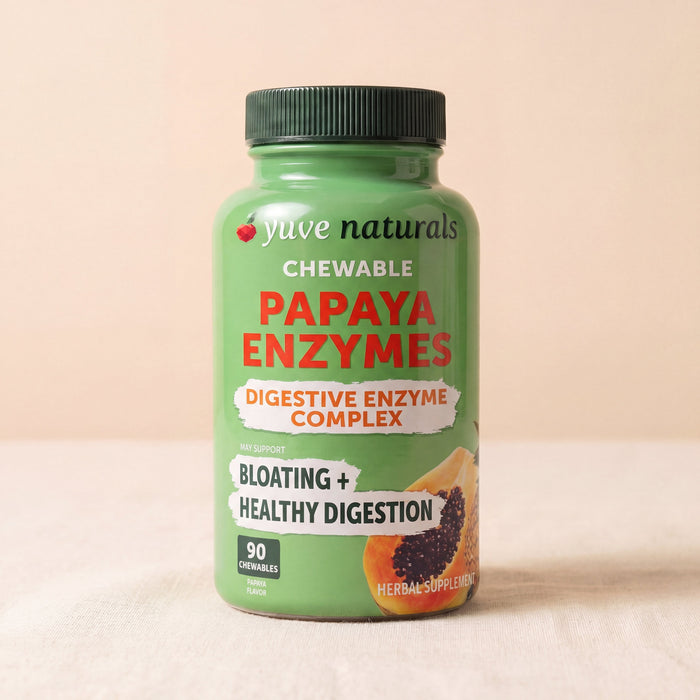
If you're working on healthier skin from more than one angle, Yuve is worth a look. Their plant-based supplements fit well into an inside-out wellness routine, especially if you're trying to support overall health with clean, vegan-friendly options instead of relying on topical products alone.