Occasional bloating often eases within a few hours, but timing depends on the trigger. A large meal, carbonated drink, or fast eating may pass the same day. Fiber changes, constipation, menstrual-cycle shifts, or lactose exposure can last longer, sometimes 24 to 72 hours.
TL;DR
- Meal-related bloating often improves within several hours.
- Fiber changes can take a few days for the gut to adjust.
- Lactose-related gas depends on lactase activity and serving size.
- Persistent, painful, or worsening bloating deserves medical guidance.
- Gentle movement, hydration, and routine consistency may help support comfort.
What is occasional bloating?
Occasional bloating is a temporary feeling of abdominal fullness, pressure, tightness, or visible distention after eating, drinking, or routine changes. Gas, swallowed air, stool movement, fluid shifts, and gut fermentation can all contribute to the sensation. The National Institute of Diabetes and Digestive and Kidney Diseases describes gas symptoms as belching, bloating, abdominal swelling, and passing gas, with swallowed air and bacterial fermentation as common contributors (NIDDK). Occasional bloating is different from a diagnosis. A single episode after a salty meal, fizzy drink, dairy serving, or high-fiber dinner usually reflects normal digestive variation. Timing matters because a short episode points toward food volume, carbonation, or eating pace, while multi-day bloating often involves stool rhythm, fiber intake, travel, stress, or hormonal changes.
How does bloating usually work in the gut?
Bloating develops when intestinal contents, gas volume, gut sensitivity, and abdominal muscle response interact. Carbohydrates that escape digestion can reach the colon, where gut microbes ferment them and produce gases such as hydrogen, carbon dioxide, and methane. A review in *Gastroenterology and Hepatology* explains that bloating can involve gas handling, visceral sensitivity, gut motility, and the abdominal wall response, not gas alone (PubMed). Swallowed air from fast eating, gum, smoking, or carbonated beverages can add upper-gut pressure. Slower stool transit can also make fullness last longer because gas and stool move through the colon less efficiently. This is why bloating duration varies: the same meal may clear quickly for one person and linger for another person with a different eating pace, microbiome pattern, or bowel routine.

How long does bloating usually last by trigger?
Bloating duration is usually shortest after meal volume or carbonation and longer when constipation, fiber changes, or lactose exposure are involved. These ranges are practical estimates, not diagnostic rules, because gut transit time varies by person. MedlinePlus notes that constipation can involve fewer than three bowel movements per week, hard stool, or difficult stool passage, which can contribute to fullness (MedlinePlus). Lactose-related symptoms depend on lactase enzyme activity, lactose dose, and the rest of the meal. Sudden increases in beans, lentils, chicory root fiber, inulin, or fiber gummies can also increase fermentation before the digestive routine adapts.
| Common trigger | Typical timing | What may help support comfort |
|---|---|---|
| Large meal or fast eating | A few hours to same day | Slower meals, smaller portions, gentle walking |
| Carbonated drinks | A few hours | Still water, less straw use, less gum |
| Fiber increase | 1 to 3 days or longer | Gradual increases, hydration, consistent intake |
| Lactose exposure | Several hours to 1 day | Lactose awareness, lactase enzyme support with dairy |
| Constipation pattern | 1 to several days | Fluids, movement, fiber routine, professional guidance if persistent |
What benefits come from tracking bloating timing?
Tracking bloating timing helps connect digestive comfort with repeatable patterns instead of guesswork. A simple note can include meal timing, dairy intake, carbonated drinks, fiber amount, bowel movement pattern, menstrual-cycle phase, stress, sleep, and movement. This record may help identify whether bloating follows lunch within one hour, appears after a high-fiber dinner the next morning, or lasts until bowel habits normalize. The Dietary Guidelines for Americans emphasize dietary patterns, fiber-containing foods, and hydration as part of overall health, but sudden routine changes can feel different before they feel easy. A timing log also helps a healthcare professional evaluate persistent symptoms with better context. For everyday wellness, the goal is not food fear. The goal is noticing whether a specific serving size, eating speed, supplement change, or travel routine repeatedly matches the bloating window.
How can you choose a gentle digestive support routine?
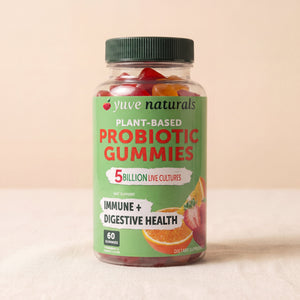
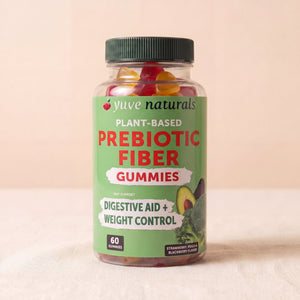
A gentle digestive support routine should start with consistency, small changes, and label clarity. Choose one change at a time so the digestive system has a clear signal. If fiber is the target, increase servings gradually and drink enough fluid, because fiber holds water and changes stool bulk. If dairy is the trigger, lactase enzyme support at the time of dairy intake may help support lactose digestion. If gut flora balance is the goal, choose probiotic products that list strains, serving size, storage instructions, and expiration timing. Yuve’s Vegan Probiotic Gummies, Vegan Prebiotic Fiber Gummies, and Lactase Enzymes are plant-based options for people building cleaner digestive routines. For deeper label reading, see Yuve’s guide to whether probiotic gummies are effective and vegan fiber gummies.
Checklist:
- Add fiber gradually rather than all at once.
- Pair fiber with water.
- Match lactase enzymes with dairy-containing meals.
- Check probiotic storage instructions and expiration dates.
- Change one routine variable at a time.
- Track timing for at least one week.
What should you watch out for with bloating?
Bloating deserves more attention when it is persistent, worsening, painful, or paired with other concerning changes. The NHS advises medical guidance for bloating that lasts three weeks or more, occurs regularly, or appears with weight loss, diarrhea, vomiting, blood in stool, or severe abdominal pain (NHS). Occasional post-meal fullness is common, but severe pain, new abdominal swelling, fever, black stool, persistent vomiting, or inability to pass stool or gas should not be managed with supplement changes alone. Supplements also need basic label awareness. Fiber products can feel uncomfortable if the serving increases too quickly. Probiotics may feel different during the first few days as the routine changes. Lactase enzymes should be used according to the product label and timed with lactose-containing foods. People who are pregnant, immunocompromised, managing a medical condition, or taking prescription medication should ask a healthcare professional before changing supplement routines.
How do common digestive support options compare?
Common digestive support options work differently, so the right choice depends on the suspected trigger. Fiber supports stool regularity and healthy gut fermentation patterns when intake increases gradually. Probiotics support gut flora balance, but strain identity, storage, and serving consistency matter. Lactase enzymes support lactose digestion when taken with dairy foods. Habit changes, such as slower eating and walking after meals, address swallowed air and gut motility without adding a supplement. A 2014 systematic review in *The American Journal of Clinical Nutrition* found that probiotics can affect gut transit time and stool frequency, but results vary by strain, dose, and population (PubMed). That variation is why a one-size answer does not work. Match the option to the pattern, then give the routine enough consistency to evaluate it fairly. For storage details, read Yuve’s guide to probiotic fridge, shelf, and label rules and when to take probiotics.
FAQ
How long does bloat take after eating?
Bloating after eating often eases within a few hours, especially when the trigger is meal size, carbonation, or fast eating. Foods higher in fermentable carbohydrates may take longer because gut microbes process them in the colon. If the same meal repeatedly causes long-lasting discomfort, track portions and timing.
Can bloating last for days?
Yes, bloating can last for days when constipation, travel, hormonal shifts, fiber changes, or repeated trigger foods are involved. Multi-day bloating is more likely when stool transit slows or the routine changes suddenly. If bloating is persistent, painful, or paired with concerning symptoms, ask a healthcare professional for guidance.
Does drinking water help bloating go away faster?
Water may help support digestive comfort, especially when bloating is linked with higher fiber intake or hard stool patterns. Water does not instantly remove gas, but hydration supports normal stool movement. Pairing fluids with gradual fiber changes is usually easier on the gut than increasing fiber quickly.
Can probiotics make bloating feel different at first?
Probiotics can feel different during the first few days because the gut routine and microbial activity are changing. This does not mean every probiotic is a good fit. Check strain information, serving size, expiration date, and storage instructions, then evaluate comfort over a consistent routine unless symptoms feel concerning.
When is bloating not normal?
Bloating is not something to ignore when it lasts three weeks or more, keeps recurring, becomes severe, or appears with vomiting, blood in stool, unexplained weight loss, fever, or severe pain. The NHS recommends medical guidance for persistent or concerning bloating patterns rather than relying only on routine changes.
Do lactase enzymes help with dairy-related bloating?
Lactase enzymes may help support lactose digestion when taken with lactose-containing foods. Timing matters because the enzyme needs to be present as dairy is eaten. If dairy-related bloating remains frequent despite careful use, a healthcare professional can help evaluate whether lactose is truly the main trigger.
What is the best next step when bloating keeps happening?
The best next step is to match the timing pattern to the likely trigger, then adjust one routine variable at a time. Start with slower meals, fewer carbonated drinks, steady hydration, gradual fiber changes, and a simple timing log. If your pattern points to fiber, probiotics, or lactose digestion, choose a clean-label option with clear directions and evaluate it consistently.