Soda bloat caused mainly by carbonation often starts easing within minutes to a few hours as carbon dioxide is belched and liquid leaves the stomach. There is no universal cutoff. A large serving, fast drinking, a meal, constipation, reflux sensitivity, or poorly absorbed sweeteners can make fullness last longer than carbonation alone.
How did we evaluate how long soda bloat lasts?
We evaluated the question by separating carbon dioxide, liquid volume, drinking speed, sweeteners, meal context, and baseline gastrointestinal patterns. Human gastric-imaging and motility studies received more weight than detox claims, social posts, or fixed “debloating” timelines. Government digestive-health guidance supplied the mechanism for swallowed air, belching, intestinal gas, and warning signs. We found no high-quality trial that defines one exact duration for “soda bloat,” so the practical range in this article is an evidence-informed estimate rather than a clinical rule. Studies using carbonated drinks measured stomach volume and symptoms over minutes, while aerated-food studies followed gastric volume for several hours; those preparations are related but not identical to a can of soda. We also distinguish temporary fullness after one drink from recurrent bloating that may involve constipation, reflux, carbohydrate absorption, or gut–brain sensitivity. Individual results vary with serving size, meal size, body position, and gastrointestinal transit.
Why can soda make your stomach feel bloated?
Soda adds carbon dioxide and liquid volume to the stomach at the same time. Some dissolved carbon dioxide leaves through belching, while swallowed air and gas that move beyond the stomach can pass through the intestines. The NIDDK identifies fizzy drinks and fast drinking as common ways people swallow more air. Gastric volume also affects the sensation of upper-abdominal fullness. In a randomized crossover study of 34 healthy adults, researchers measured stomach contents for 30 minutes after 500 mL of soda or beer and found that bloating correlated with total gastric volume. That small study does not establish a universal symptom duration, and healthy volunteers do not represent everyone with reflux, constipation, or irritable bowel syndrome. The useful mechanism is narrower: carbonation can expand stomach volume, liquid can remain temporarily, and individual sensitivity changes how strongly that expansion is felt. Sensation can outlast the visible expansion.
How long does carbonation-related bloating usually last?
Carbonation-only fullness often begins to improve within minutes and may continue easing over roughly 30 minutes to a few hours. That range reflects normal belching, movement of liquid from the stomach, and intestinal gas transit; it is not a diagnostic deadline. A crossover study in eight healthy volunteers found that carbonated water changed where a meal sat in the stomach but did not change overall gastric emptying compared with still water. The proximal stomach retained more of the meal during the lag phase, which supports short-term distension without proving a fixed resolution time. Symptoms that remain all day are less likely to be explained by dissolved carbon dioxide alone. A large meal, rapid drinking, constipation, high-fat food, sugar alcohols, or gut–brain sensitivity may extend the experience. If every carbonated drink produces prolonged pain or major distension, track the pattern and discuss it with a clinician rather than repeatedly treating it as ordinary soda gas.
What factors can make soda bloat last longer?
Serving size and drinking speed change the immediate gas and liquid load. A 20-ounce bottle consumed quickly creates a different gastric challenge from a few slow sips. A large or high-fat meal can prolong fullness because meal volume and gastric handling contribute alongside carbonation. Constipation can retain stool and gas, while reflux sensitivity can make upper-abdominal pressure or belching feel more disruptive. Ingredient lists also matter. High-fructose corn syrup, fruit-juice concentrates, and certain sugar alcohols may produce additional symptoms in people who incompletely absorb them, although ordinary diet sodas more often use high-intensity sweeteners rather than sugar alcohols. A straw, gum, and talking while drinking can add swallowed air. Menstrual timing, recent gastrointestinal illness, medications, and disorders of gut–brain interaction can alter sensitivity. The practical test is to compare equal serving sizes of still and carbonated drinks with the same meal context. Change one variable, record onset and resolution, and avoid assuming that every prolonged episode comes from carbon dioxide.
What can you do while soda bloat is settling?
Stop adding carbonation, remain upright, loosen restrictive clothing, and allow time for belching and gastric emptying. Gentle walking may feel more comfortable than lying flat, especially when upper-abdominal pressure or reflux accompanies the fullness. Sip still water according to thirst rather than rapidly adding another large volume. Avoid gum, straws, hard candy, and another fizzy drink because each can increase swallowed air. The NIDDK recommends reducing fizzy drinks and eating or drinking more slowly when excess swallowed air contributes to gas symptoms. Do not use a large fiber dose as an instant fix; rapid fiber increases can add fermentation and pressure. Comfort should improve gradually. A single mild episode usually needs observation, not a supplement stack. Severe pain, repeated vomiting, a rigid or rapidly enlarging abdomen, fainting, blood in stool, or inability to pass stool or gas requires prompt medical evaluation rather than continued home experiments.
How do common soda-bloat patterns compare?
The best comparison starts with timing and context, not a universal remedy. Best for likely carbonation pressure: symptoms start during or soon after the drink and ease with belching or time. Best for a large-volume effect: fullness follows a large bottle or a soda plus a substantial meal. Best for an ingredient question: symptoms repeat with one formula but not plain sparkling water, making sweeteners, caffeine, or acidity worth tracking. Best for a baseline-transit question: bloating persists alongside hard, infrequent, or incomplete bowel movements. Best for a reflux-sensitive pattern: pressure, belching, sour taste, or burning appears after fizzy drinks, although symptoms alone cannot establish reflux disease. Best for medical review: episodes are progressive, painful, unexplained, or paired with warning signs. The table is an observation tool, not a diagnosis. Compare one variable at a time and use repeated patterns rather than one unusually large meal or drink.
| Pattern | Likely contributor to discuss | First observation | Typical context |
|---|---|---|---|
| Immediate pressure and belching | Carbonation and swallowed air | Pause fizzy drinks; sip slowly | Minutes after drinking |
| Fullness after soda plus a large meal | Total stomach volume | Compare a smaller serving | Post-meal |
| Longer bloating with constipation | Stool and gas retention | Track stool form and frequency | Hours or recurrent days |
| One formula triggers symptoms | Sweetener, caffeine, or acidity | Compare ingredients and serving size | Repeatable by product type |
Which Yuve products are relevant to soda bloat?
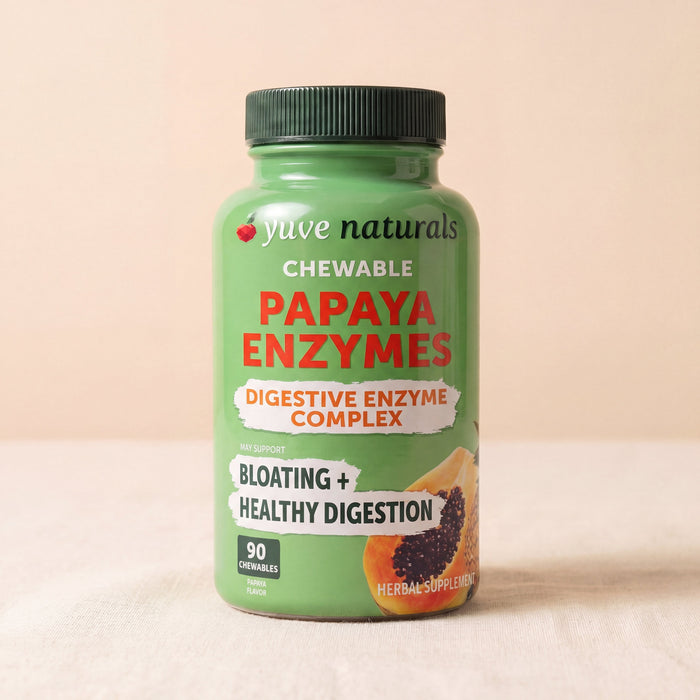
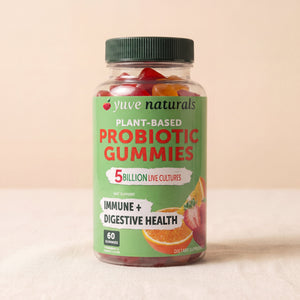
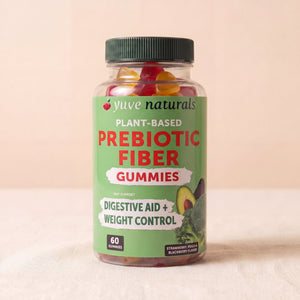
Some links below may be affiliate links. This does not influence our evaluation criteria or recommendations. No Yuve product is an instant carbon-dioxide remover, and an ordinary short episode of soda fullness does not automatically need a supplement. Yuve Probiotic Gummies belong to a separate daily gut-flora support routine, not acute soda-bloat relief. Yuve Prebiotic Fiber Gummies support a gradual fiber routine, but rapidly adding fiber during active gas can increase pressure for some people. Yuve Lactase Enzymes target lactose and do not match ordinary soda unless the drink or meal contains lactose. Yuve Bromelain 500mg is a protein-focused enzyme category and does not neutralize carbonation. The Yuve digestion collection helps shoppers compare those distinct jobs. For soda bloat, first address serving size, drinking speed, carbonation, meal context, and recurring warning signs. Product category should follow a defined need, not the broad word “bloating.”
When does soda-related bloating need medical attention?
Seek prompt medical care for severe or escalating abdominal pain, repeated vomiting, a hard or rapidly enlarging abdomen, fainting, black or bloody stool, chest pain, trouble breathing, fever with significant abdominal symptoms, or inability to pass stool or gas. Arrange a routine clinical review when bloating is new and persistent, repeatedly lasts much longer than the drinking episode, causes weight loss or reduced eating, wakes you from sleep, or occurs with ongoing diarrhea, constipation, reflux, or early fullness. A food-and-symptom diary can help: record the drink, size, sweetener, caffeine, drinking speed, meal, symptom onset, bowel pattern, and resolution time. Do not use a normal-looking ingredient list to dismiss a meaningful symptom change. Carbonation is common and temporary for most people, but recurrent bloating can have more than one contributor. Age, pregnancy, recent surgery, medications, and existing gastrointestinal conditions can lower the threshold for individualized medical advice.
What questions should you ask about soda bloat?
These six questions help separate temporary carbonation pressure from a recurring pattern that deserves closer attention. Start with the serving: a few ounces, a can, and a large fountain drink are not equivalent. Note whether symptoms begin while drinking, within 30 minutes, after a meal, or several hours later. Record whether belching relieves pressure and whether the episode ends after the stomach feels less full or after a bowel movement. Compare sparkling water with the same volume of still water, then compare ingredient lists without changing the meal. Track constipation, reflux-like symptoms, menstrual timing, recent illness, and new medicines. One or two weeks of consistent notes usually reveals more than switching among several supplements. The purpose is not to prove a diagnosis at home. The purpose is to identify the smallest plausible variable, define a reasonable observation window, and recognize when prolonged, painful, or changing symptoms no longer fit ordinary soda bloat.
Can soda bloat last all day?
It can, but carbon dioxide alone may not explain an all-day episode. Meal size, constipation, ingredient sensitivity, reflux, or gut–brain sensitivity may also contribute.
Does burping make soda bloat go away faster?
Belching releases gas from the stomach and can reduce immediate pressure. It does not address intestinal fermentation, constipation, or every cause of abdominal fullness.
Is sparkling water less bloating than soda?
Both contain carbonation. Sparkling water removes sugar, caffeine, and many additives from the comparison, so it can help isolate whether carbonation is the main trigger.
Can diet soda cause longer bloating?
Possibly, depending on serving size and ingredients. Check the label rather than assuming every diet soda contains the same sweetener or that all sweeteners behave alike.
Should you take fiber for soda bloat?
Not as an instant fix. Fiber may support a longer-term constipation plan, but a sudden large dose can increase gas and pressure.
How can you reduce soda bloat next time?
Choose a smaller serving, drink slowly, skip the straw, avoid stacking soda with a very large meal, and stop when pressure begins. Compare with still water under similar conditions.
What is the practical bottom line?

Soda bloat caused mainly by carbonation should generally move in the direction of improvement as gas is belched and stomach volume falls, often over minutes to a few hours. No study supplies a universal timer, so serving size, drinking speed, meal volume, constipation, reflux sensitivity, and ingredients matter. Track when symptoms start, what relieves them, and when they end. For a mild isolated episode, stop carbonation, remain upright, walk gently if comfortable, and avoid adding another large drink or sudden fiber dose. Daily probiotic, prebiotic, lactase, and bromelain products have different jobs and do not act as instant carbon-dioxide removers. Persistent, progressive, painful, or alarming symptoms need medical evaluation. The useful next question is not “Which debloating product works fastest?” It is “Did carbonation alone create this short-lived pressure, or is a repeatable meal, ingredient, bowel, or reflux pattern extending it?”