Most adults need about 25 to 38 grams of fiber per day, depending on age, sex, calorie intake, and food pattern. The FDA Daily Value for fiber is 28 grams per day on a 2,000-calorie diet. A practical target is 25 grams for many women and 38 grams for many men.
TL;DR: Key takeaways
- Adults generally need 25 to 38 grams of fiber per day.
- The FDA Daily Value for fiber is 28 grams.
- Increase fiber gradually and drink enough fluids.
- Foods should lead, but prebiotic fiber can support consistency.
- Soluble fiber and insoluble fiber play different digestive roles.
How did we evaluate daily fiber needs?
This guide prioritizes government nutrition standards, Dietary Reference Intake ranges, FDA label rules, and peer-reviewed human research over brand claims or influencer advice. We used the FDA Daily Value, National Academies intake ranges, and large evidence reviews to define practical daily targets. We excluded disease-treatment claims and focused on structure/function language, such as digestive regularity, gut flora support, and healthy dietary patterns. Fiber needs vary by calorie intake, age, sex, food tolerance, hydration, and current intake, so the best target is usually a range rather than a single perfect number.
The FDA sets the Daily Value for fiber at 28 grams per day for adults and children 4 years and older on Nutrition Facts labels (FDA). The National Academies set Adequate Intake levels at 14 grams of fiber per 1,000 calories (National Academies Press).
What is fiber?
Fiber is a type of carbohydrate that human digestive enzymes do not fully break down in the small intestine. Dietary fiber comes from plants, including beans, oats, berries, vegetables, seeds, lentils, whole grains, and resistant starch. Functional fiber can also be isolated or added to foods and supplements, including inulin, psyllium, beta-glucan, and partially hydrolyzed guar gum.

The main categories are soluble fiber and insoluble fiber. Soluble fiber dissolves in water and forms a gel-like texture in the digestive tract. Oats, apples, beans, chia seeds, and psyllium contain soluble fiber. Insoluble fiber adds bulk to stool and helps maintain regular movement through the digestive tract. Wheat bran, leafy greens, nuts, and many vegetable skins contain insoluble fiber. For a broader gut flora primer, read Yuve’s guide to prebiotic fiber and gut flora support.
How does fiber work in the body?
Fiber supports digestion through three main mechanisms: water retention, stool bulk, and microbial fermentation. Soluble fiber holds water and forms viscous gels, which can slow the movement of food through the stomach and small intestine. Insoluble fiber adds physical bulk, which helps maintain normal bowel movement patterns. Fermentable fibers, including inulin and resistant starch, feed beneficial gut bacteria in the colon.
Gut bacteria ferment some fibers into short-chain fatty acids, including acetate, propionate, and butyrate. Butyrate supports colon cell energy metabolism and contributes to a healthy gut environment. A major review in *The Lancet* found that higher fiber intake was associated with better cardiometabolic and digestive health markers across prospective studies and clinical trials, although food pattern and lifestyle factors still matter (PubMed). Fiber works best as a consistent habit, not as a one-day reset.
What are the benefits and uses of fiber?
Fiber supports digestive regularity, gut flora balance, satiety after meals, and overall diet quality. A higher-fiber pattern usually includes beans, lentils, fruit, vegetables, whole grains, nuts, and seeds, so fiber intake often signals a more nutrient-dense plate. The Dietary Guidelines for Americans identify fiber as a dietary component of public health concern because many people do not get enough (Dietary Guidelines).
Useful fiber goals include:
- Digestive regularity: Insoluble fiber adds bulk, while soluble fiber helps hold water.
- Gut flora support: Fermentable fibers act as prebiotics for selected bacteria.
- Meal satisfaction: Fiber-rich foods may help meals feel more filling.
- Label literacy: The FDA Daily Value makes packaged foods easier to compare.
- Routine consistency: A repeatable breakfast, snack, or supplement habit can close small gaps.
A careful fiber plan uses food first, then adds targeted support when daily intake is inconsistent.
How should you choose a daily fiber target?
Choose a fiber target by starting with your current intake, then moving toward 25 to 38 grams per day in small steps. A person eating 10 grams daily should not jump to 35 grams overnight. A better plan adds 3 to 5 grams per day for a week, checks comfort, then increases again if digestion feels steady. Hydration matters because fiber holds water in the digestive tract.
Use this checklist:
- Start with the FDA Daily Value: 28 grams per day.
- Use 14 grams per 1,000 calories as a personalized benchmark.
- Add beans, oats, berries, chia seeds, lentils, or vegetables before relying on extras.
- Increase fiber slowly over several weeks.
- Pair fiber with fluids, especially when using psyllium, inulin, or gummies.
- Track tolerance, including gas, fullness, stool pattern, and routine consistency.
The best target is the amount you can repeat comfortably.
What side effects or label details should you watch for?
Fiber can cause gas, bloating, cramping, or stool changes when intake rises too quickly. These effects are usually related to fermentation speed, total dose, hydration, and baseline gut tolerance. Inulin, chicory root fiber, and some sugar alcohols may feel more fermentable for sensitive stomachs. Psyllium usually needs extra fluid because it absorbs water and thickens.
Read the Supplement Facts or Nutrition Facts panel closely. Look for grams of dietary fiber per serving, fiber source, added sugars, sugar alcohols, serving size, and allergen statements. MedlinePlus advises increasing fiber gradually and drinking enough water as intake rises (MedlinePlus). People with swallowing difficulty, major digestive changes, or a clinician-directed diet should ask a qualified healthcare professional before making large fiber changes. Fiber supports normal digestive function, but it should not replace individualized medical guidance.
How do common fiber sources compare?
Different fiber sources solve different routine problems. Beans and lentils deliver high fiber plus plant protein, but they require planning and may feel gassy if added quickly. Oats and berries fit breakfast easily and provide a gentler food-based path. Psyllium offers a concentrated soluble fiber option, while prebiotic gummies can help people who need a simpler habit cue. The right choice depends on dose, tolerance, convenience, and ingredient standards.
| Fiber source | Typical role | What to watch |
|---|---|---|
| Beans and lentils | High-fiber food base with plant protein | Increase slowly to support comfort |
| Oats and berries | Everyday breakfast fiber | Portion size changes total grams |
| Chia or flax | Fiber plus plant fats | Drink fluids and start small |
| Psyllium husk | Concentrated soluble fiber | Needs enough water |
| Prebiotic fiber gummies | Convenient routine support | Check fiber grams, sugars, and serving size |
FAQ
How much fiber per day is enough for adults?
Most adults should aim for about 25 to 38 grams of fiber per day. The FDA Daily Value is 28 grams per day on a 2,000-calorie diet. Another useful benchmark is 14 grams of fiber per 1,000 calories, which adjusts the goal to your overall food intake.
Is 30 grams of fiber per day too much?
Thirty grams of fiber per day is a reasonable target for many adults if intake rises gradually and fluids are adequate. It may feel uncomfortable if someone currently eats very little fiber. A slower increase, such as 3 to 5 extra grams per day each week, is usually easier to maintain.
What foods have the most fiber?
Beans, lentils, split peas, chickpeas, oats, raspberries, blackberries, chia seeds, flaxseed, pears, vegetables, and whole grains are reliable fiber sources. The strongest daily pattern combines several sources instead of relying on one food. A bean bowl, oatmeal, fruit, and seeds can move intake up quickly.
Should I get fiber from food or supplements?
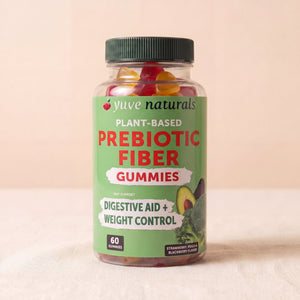
Food should usually provide the foundation because beans, vegetables, fruit, grains, nuts, and seeds also provide vitamins, minerals, polyphenols, and plant protein. Supplements can support consistency when food intake falls short. A clean-label option such as Yuve Prebiotic Fiber Gummies can fit a routine when convenience matters.
Can you eat too much fiber?
Yes, a sudden large increase can lead to gas, bloating, cramps, or changes in stool pattern. Very high intakes may also be uncomfortable if fluid intake is low. People using clinician-directed diets or managing significant digestive changes should get personalized guidance before making large fiber changes.
How long does it take to adjust to more fiber?
Many people need one to three weeks to feel comfortable with a higher-fiber routine, especially when adding beans, inulin, psyllium, or large salad portions. The digestive system responds better to gradual increases. Hydration, meal spacing, and consistent daily intake usually matter more than one high-fiber day.
Conclusion
A good daily fiber goal is simple: work toward 25 to 38 grams per day, use 28 grams as the label-based benchmark, and increase slowly. Build the base with plants, then use convenient support when your routine needs help staying consistent. Yuve Prebiotic Fiber Gummies can support a clean-label daily habit alongside fiber-rich meals.