Premenstrual bloating cannot always be stopped completely, but a consistent plan can reduce it: track symptoms across two cycles, keep sodium and meal size moderate, exercise regularly, sleep consistently, and avoid sudden fiber increases. Severe, one-sided, persistent, or non-cyclical swelling deserves medical assessment rather than another home remedy.
How did we evaluate ways to reduce bloating before a period?
We evaluated premenstrual-bloating strategies by prioritizing guidance from the American College of Obstetricians and Gynecologists, the U.S. Office on Women's Health, and the National Institutes of Health over product pages, testimonials, and single-ingredient marketing. We separated regular habits studied for premenstrual syndrome from quick fixes that only change water loss or bowel activity for a few hours. We also distinguished abdominal fullness from constipation, gas, pelvic pain, rapid weight change, and persistent swelling because those patterns can require different care. Exercise and nutrition evidence received more weight when supported by clinical guidance or randomized trials; supplement evidence was treated as limited and ingredient-specific. We excluded detox teas, aggressive fasting, unprescribed diuretics, essential-oil ingestion, and claims that probiotics correct hormones. The main limitation is that “bloating” is subjective and can reflect fluid retention, bowel changes, food volume, or several mechanisms at once.
What can you do first when premenstrual bloating starts?
Start with repeatable, low-risk changes rather than a one-day purge. Keep normal hydration, spread food across smaller meals, reduce unusually salty packaged foods, and choose familiar foods that do not already trigger gas or constipation. Continue gentle movement such as walking, cycling, or swimming instead of becoming completely inactive. The American College of Obstetricians and Gynecologists recommends regular aerobic exercise and reducing salt, sugar, and fat for premenstrual symptoms, while acknowledging that treatment depends on symptom severity. Avoid abruptly doubling beans, bran, inulin, sugar alcohols, or carbonated drinks during the symptomatic window because fermentation and swallowed gas can add abdominal distension even when the foods are otherwise nutritious. Best for a predictable mild pattern: a steady routine used throughout the month. Best for a sudden episode after a specific meal: return to tolerated portions and observe. Best for intense pain, vomiting, fainting, fever, pregnancy concern, or a rigid abdomen: prompt medical care.
Does cutting salt or drinking more water reduce period bloating?
Moderating sodium can help some people, but extreme restriction and forced water intake are not evidence-based shortcuts. Sodium influences fluid balance, while menstrual-cycle changes can alter perceived swelling, thirst, appetite, and bowel patterns. The U.S. Office on Women's Health advises limiting salt, caffeine, and sugar during the two weeks before a period, but that advice does not mean eliminating sodium or drinking gallons of water. A randomized analysis of the DASH-Sodium trial found that higher sodium increased reported bloating, while the high-fiber DASH pattern also increased bloating for some participants; the trial was not specific to premenstrual symptoms, so it provides directional rather than definitive evidence. Best for routine meals: compare labels and avoid stacking several high-sodium foods. Best for hydration: drink steadily according to thirst, activity, weather, and medical guidance. People with kidney, heart, or endocrine conditions should follow individualized fluid and sodium instructions.
| Approach | Best fit | Main limitation |
|---|---|---|
| Regular aerobic movement | Predictable mild PMS symptoms | Works as a routine, not an instant fix |
| Moderate sodium and meal size | Meals that feel unusually heavy or salty | Extreme restriction can be unsafe |
| Gradual fiber intake | Constipation-linked fullness | Sudden increases can worsen gas |
| Symptom and cycle tracking | Distinguishing cyclical from persistent bloating | Needs at least two cycles for a useful pattern |
Can exercise make premenstrual bloating feel better?
Regular aerobic movement can reduce the overall burden of premenstrual symptoms, although no workout guarantees immediate abdominal flattening. A small randomized clinical trial involving 65 students found that 20 minutes of aerobic exercise three times weekly for eight weeks reduced reported bloating and several other physical PMS symptoms. The study was small, involved a narrow population, and used self-reported symptoms, so the result is supportive rather than conclusive. ACOG recommends regular aerobic exercise across the month, not only after bloating begins. Best for low-energy days: a comfortable walk or easy cycling session that does not increase pain. Best for an established routine: gradually build toward activity on most days according to fitness and medical context. Exercise should not be used to “sweat out” fluid through overheating, excessive layers, or dehydration. Stop and seek assessment for fainting, chest pain, severe pelvic or abdominal pain, unusual shortness of breath, or bleeding that feels medically concerning.
Should you change fiber intake before your period?
Fiber works best as a gradual baseline, not a last-minute correction. Soluble and fermentable fibers can support stool consistency and beneficial gut microbes, but rapid increases can produce gas, pressure, cramps, or looser stools. If constipation reliably appears before a period, increase fiber-containing foods slowly across the month, pair them with normal hydration, and record the response. Oats, chia, kiwi, cooked vegetables, lentils, and whole grains have different fiber profiles, so tolerance to one food does not predict tolerance to every food. If loose stools or urgency appear before menstruation, adding more inulin or a large bran serving may worsen the immediate experience. Best for constipation-linked fullness: a consistent fiber routine adjusted gradually. Best for gas-dominant bloating: review portion size, carbonation, sugar alcohols, and fermentable ingredients before adding another fiber product. Persistent constipation, blood, black stool, vomiting, weight loss, or a major bowel-pattern change needs clinical assessment instead of repeated dietary experiments.
Do probiotics or prebiotic gummies stop bloating before a period?
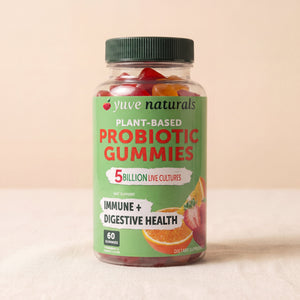
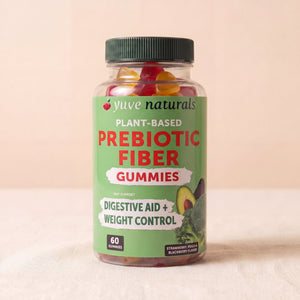
No probiotic or prebiotic gummy is proven to stop premenstrual bloating on demand. Probiotic effects depend on the exact strain, dose, population, and outcome, while prebiotic fibers can initially increase fermentation and gas. Commercial disclosure: Yuve publishes this article and sells the products linked below; that relationship does not change the evaluation criteria. Yuve Probiotic Gummies provide 5 billion CFU of Bacillus coagulans per two-gummy serving, but the label does not establish the product as a PMS treatment. Yuve Prebiotic Fiber Gummies provide 1.5 grams of chicory-root inulin/FOS per gummy, which can support a daily fiber routine but may feel gassier if introduced quickly. Best for predictable period bloating: cycle tracking, regular movement, steady meals, and clinician-guided care when symptoms are disruptive. Best for comparing longer-term digestive options after symptoms settle: review the digestion collection by ingredient, dose, tolerance, and label—not by a promise to “debloat.”
Is magnesium a good choice for premenstrual bloating?
Magnesium may help some premenstrual symptoms, but the evidence does not justify treating it as a universal debloating supplement. ACOG notes that magnesium supplements may reduce water retention and other PMS symptoms, while the Office on Women's Health describes results as mixed. The NIH Office of Dietary Supplements reports that high supplemental magnesium doses can cause diarrhea, nausea, and abdominal cramping and sets an adult upper limit of 350 milligrams per day from supplements and medications unless a clinician directs otherwise. That limit does not include magnesium naturally present in food. Best for someone considering a supplement: review the elemental-magnesium amount, current medicines, kidney function, pregnancy status, and existing magnesium from antacids or laxatives with a clinician or pharmacist. Best for food-first intake: nuts, seeds, legumes, whole grains, and leafy greens provide magnesium alongside other nutrients. Do not combine multiple magnesium products to chase faster relief; gastrointestinal side effects can look like a worsening digestive problem.
When is period-related bloating a reason to see a clinician?
Seek medical advice when bloating is new, severe, progressively worsening, present most days, or no longer follows a predictable menstrual pattern. A symptom diary should record the first day of bleeding, abdominal fullness, bowel changes, pain location, meals, medicines, pregnancy possibility, and how symptoms affect sleep, work, or activity. Schedule prompt care for persistent pelvic pain, pain during sex, heavy or irregular bleeding, urinary symptoms, fever, vomiting, unexplained weight loss, blood or black stool, or a rapidly enlarging abdomen. Urgent assessment is appropriate for sudden severe pain, fainting, breathing difficulty, a rigid abdomen, or pregnancy-related concern. Premenstrual syndrome usually forms a recurring pattern before menstruation and improves after bleeding begins; symptoms that do not follow that pattern may have another explanation. Best for a mild recurring pattern: track at least two cycles and bring the record to an appointment. Best for symptoms disrupting daily life: discuss PMS, PMDD, gastrointestinal, gynecologic, and medication-related possibilities with a qualified clinician.
What questions do people ask about bloating before a period?

Premenstrual-bloating questions often mix fluid retention, gas, constipation, body-weight fluctuation, and pelvic symptoms. A useful answer first identifies timing: when fullness starts, whether it improves after menstruation begins, and whether bowel habits change at the same time. One intervention should change at a time so its effect remains interpretable. Regular movement, moderate sodium, stable meals, and gradual fiber intake have a better safety profile than detoxes, diuretics, laxative stacking, or aggressive fasting. Supplements require ingredient-level review because magnesium, inulin, sugar alcohols, and herbal blends can each change bowel symptoms. A predictable mild pattern can be tracked at home, while severe, persistent, or non-cyclical swelling needs professional assessment. The goal is not to force the abdomen to look flat every day; the goal is to reduce discomfort, identify repeatable triggers, and recognize when the pattern no longer resembles ordinary premenstrual symptoms.
How many days before a period can bloating start?
PMS symptoms often begin one to two weeks before menstruation, but individual timing varies. Record symptoms against the first day of bleeding for at least two cycles rather than assuming every episode is hormonal.
Does period bloating cause real weight gain?
Temporary scale changes can reflect fluid, stool, glycogen, and food volume rather than new body fat. Rapid, persistent, or unexplained weight change deserves medical review.
Can coffee make premenstrual bloating worse?
Caffeine can affect sleep, bowel activity, and individual PMS symptoms, and the Office on Women's Health advises limiting it during the premenstrual window. Test a consistent, moderate change instead of abruptly withdrawing from a high intake if that triggers headaches.
Should you take a water pill for period bloating?
Do not self-prescribe a diuretic for cosmetic debloating. Diuretics can alter fluid and electrolyte balance and should be used only when a clinician determines that benefits outweigh risks.
Can constipation make period bloating worse?
Yes. Stool retention and bowel-pattern changes can add fullness and pressure. Gradual fiber, normal hydration, movement, and a symptom log can clarify the pattern, but persistent constipation or warning signs need clinical assessment.
Are detox teas useful before a period?
No detox tea has been shown to remove the cause of premenstrual bloating. Products containing stimulant laxatives or diuretic herbs can cause cramps, diarrhea, dehydration, or medication interactions.
Premenstrual bloating often responds better to a steady monthly routine than to a last-minute cleanse. Track the pattern, change one low-risk variable at a time, and involve a clinician when symptoms are severe, persistent, unusual, or disruptive.