Ever feel like your stomach just hits a big red stop button on your day? You’re not alone-and it’s not just about what you ate for lunch. When an upset stomach hits, your first instinct is usually, "How can I make this stop, right now?"
We get it. The bloating, the queasiness, the general blah feeling is incredibly frustrating. But you don't have to just ride it out. In this guide, we'll walk you through simple, gentle ways to find fast relief and then build a stronger, more resilient gut for the long haul. We'll cover everything from immediate soothers to the long-term power of probiotics, so you can get back to feeling like yourself again.
Finding Immediate Relief for Your Upset Stomach
That sudden, queasy feeling can throw your whole day off track. We’ve all been there-searching the kitchen for a quick fix, hoping to find something that brings calm instead of more chaos. When your gut is sending out an SOS, you need a first-aid plan that’s simple, effective, and works fast. This isn’t about just toughing it out; it’s about giving your body the gentle care it needs to reset.
Think of these next steps as your immediate action plan. These are the go-to methods that we and so many others rely on to feel better in the short term, letting the digestive system take a much-needed breather.
Gentle Sips for Soothing Relief
When your stomach is in knots, gulping down a big glass of water can feel like the last thing you want to do. Sometimes, it can even make things worse. The key is to take small, slow sips of liquids that are known for their calming properties.
-
Peppermint or Chamomile Tea: These herbal teas are fantastic for digestive issues. Peppermint is a wonder for relaxing stomach muscles, which is a lifesaver when you're dealing with cramps. Chamomile, on the other hand, is known for its anti-inflammatory effects and ability to reduce intestinal spasms. If you need more specific advice on how to stop stomach cramps, we have a detailed guide that can help.
-
Ginger Tea: Ginger is a true powerhouse against nausea. It contains compounds called gingerols and shogaols that can help speed up how food moves through your stomach and intestines, which helps move along whatever is causing the problem. A 2020 review in the journal Nutrients confirmed ginger's effectiveness in managing nausea, making it a trusted ally.
The Power of Warmth and Stillness
Sometimes, the simplest things bring the most relief. Your body is already working overtime to sort itself out, so a little external comfort can go a long way.
Placing a warm compress or heating pad on your abdomen helps relax those tight, cramping muscles and can really take the edge off the pain. Just make sure it’s comfortably warm, not hot, and give your skin a break every so often to avoid irritation.
And don't forget the gut-brain connection. Feeling anxious about being sick makes your body tense up, which only worsens cramps and discomfort. Taking a few moments for slow, deep breaths can send a powerful signal to your nervous system to calm down, which often has a direct soothing effect on your gut.
The Classic BRAT Diet
You've probably heard of the BRAT diet, and it's famous for a reason-it works. This simple approach stands for Bananas, Rice, Applesauce, and Toast.
The magic of the BRAT diet is its simplicity. These foods are low in fiber, fat, and protein, making them incredibly easy for your distressed gut to digest. They provide calories for energy without forcing your system into overdrive.
Think of it as the ultimate reset button for your stomach. Bananas are great because they're rich in potassium, an important electrolyte you can lose with vomiting or diarrhea. The starches in all these foods also help bind stool, which is useful for firming things up. While it's not a long-term eating plan, it's the perfect temporary menu to get you through the worst of it.
Nourishing Your Gut Back to Health
Once the worst of the storm has passed, you might feel a little fragile and washed out. That’s completely normal. What you choose to eat and drink in the hours and days that follow is crucial for helping your gut get back on its feet without stirring up more trouble.
We’ve all been there: you start to feel a bit better, grab your usual go-to snack, and BAM-the discomfort comes rushing back. It’s incredibly frustrating. But with a little patience and the right choices, you can navigate this recovery phase smoothly and help your digestive system come back even stronger.
Beyond The BRAT Diet: What To Eat Next
The BRAT diet is a fantastic starting point, but you don't have to stay there for long. As you start feeling more like yourself, it's time to slowly broaden your menu with other easy-to-digest foods that provide more nutrients. This is where your body truly begins to repair and refuel.
Here are some gentle foods to try reintroducing:
- Plain Oatmeal: It’s soft, contains soluble fiber that helps normalize digestion, and provides sustained energy. We recommend making it with water at first just to keep things simple.
- Boiled or Steamed Potatoes: A plain potato (hold the butter and heavy salt for now) is starchy and easy on the stomach, offering a nice dose of potassium and calories.
- Clear Broths: Soothing vegetable broth is hydrating and packed with minerals. It’s a perfect way to get nutrients without asking your digestive system to do much work.
- Well-Cooked Veggies: Think soft carrots, green beans, or squash. Cooking breaks down the fibers, making them much easier for your gut to handle.
For a deeper dive, our guide on foods that heal the stomach lining has even more ideas for long-term gut support.
Hydration Is More Than Just Water
When you've been sick, especially with vomiting or diarrhea, your body loses more than just water. You’re also losing critical electrolytes like potassium and sodium, which are vital for everything from nerve to muscle function. While plain water is good, sometimes it just isn't enough to rebalance your system quickly.
This is where electrolyte-rich drinks can be a game-changer:
- Coconut Water: It’s naturally high in potassium and has a gentle sweetness, making it a great alternative to plain water.
- Diluted Fruit Juice: Try mixing apple juice and water 50/50. This provides a little sugar for energy and electrolytes without being too harsh on your system.
- Herbal Teas: Keep sipping on gentle teas like chamomile or ginger. They provide hydration along with their well-known gut-soothing benefits.
Foods To Avoid For A Peaceful Recovery
Just as important as knowing what to eat is knowing what to steer clear of. A sensitive stomach can be easily irritated by certain foods, and the last thing you want is to set your recovery back.
For the next 24-48 hours, it's best to avoid anything that makes your digestive system work hard. This means skipping foods that are spicy, greasy, acidic, or very high in fiber.
Here’s a quick list of things to temporarily press pause on:
- Fried or Greasy Foods: Think french fries, pizza, or anything deep-fried. These are notoriously difficult to digest. I do NOT think these are a good idea for at least two days.
- Spicy Dishes: Hot peppers and spicy seasonings can directly irritate the stomach lining.
- Acidic Foods: Citrus fruits like oranges and lemons, along with tomatoes, can be too harsh for a sensitive gut.
- Dairy Products: Even if you aren’t lactose intolerant, dairy can be tough to digest when your system is already compromised.
This growing focus on digestive wellness isn’t just a trend. The global market for digestive health products hit $59.7 billion in 2023 and is expected to soar to $124.4 billion by 2034. This reflects a massive cultural shift towards proactive gut care, with people recognizing that a happy stomach is fundamental to overall health. It’s also important to learn how to maintain these good habits, even when your routine is disrupted. You can find some great tips for eating healthy while traveling to keep your gut happy on the go.
Understanding Your Stomach Discomfort Triggers
If you want to get a handle on your upset stomach for good, you have to switch from just reacting to the pain to actually understanding what’s causing it. It’s time to become a gut detective. Recurring stomach trouble isn't just random bad luck; it's your body trying to tell you something. Learning to decode those signals is the key to finally feeling better.
It really comes down to asking why. Why does that 3 p.m. bloat show up like clockwork? Why does one meal make you feel amazing while another one completely wrecks your day? The clues are almost always hidden in our daily habits, the foods we choose, and even how stressed we are. Pinpointing these triggers is the single most powerful thing you can do for your digestive health.
Common Culprits Behind the Scenes
Stomach discomfort can feel like a total mystery, but the causes are often more straightforward than you'd think. They usually fall into a few key categories. See if any of these ring a bell.
- Lifestyle Habits: Are you eating on the run, wolfing down lunch at your desk, or having big, heavy dinners right before bed? Eating too quickly makes you swallow air and skip proper chewing, forcing your stomach to work way harder than it should.
- Stress and Anxiety: That gut-brain connection is no joke. When you're stressed out, your body literally pulls resources away from digestion. This can slow everything down, leading to gas, bloating, and cramps. It’s not just in your head; it’s happening in your gut.
- Food Intolerances: This is a huge one. An intolerance happens when your gut doesn't have the right enzymes to break down certain foods. Lactose intolerance (from dairy) is the classic example, but sensitivities to gluten, fructose, and other compounds are incredibly common, too.
To get a head start on your detective work, you can dive deeper into how to identify food sensitivities in our detailed guide.
A Founder's Story From Struggle to Solution
This mission is deeply personal for us at Yuve. Our founder, Sam, spent years fighting his own digestive battles. He’d eat what he thought was a perfectly healthy meal, only to get hit with bloating and pain that would completely sideline his afternoon. He was frustrated and confused, just trying to figure out what was causing the constant turmoil.
After a lot of careful tracking and trial and error, Sam figured out his main triggers were dairy and certain types of hard-to-digest plant fibers. The solution wasn't about cutting out all the foods he loved; it was about understanding what his body uniquely needed. He quickly realized he wasn’t alone-so many people were silently struggling with the exact same issues.
“I realized that avoiding discomfort didn’t have to mean avoiding my favorite foods,” Sam shares. “It meant I needed to give my body the right support to handle them. That’s why we created our enzyme formulas-to help everyone enjoy food without fear.”
Sam’s journey is the heart and soul of Yuve. His search for a real solution led him to create products like our Yuve Lactase Enzymes, designed to give your body the precise tool it needs to break down lactose. That way, you can actually enjoy that scoop of ice cream or slice of cheese pizza without bracing for the dreaded aftermath.
Pinpointing Your Personal Triggers
So, how do you start your own investigation? The best tool you have is a simple one: a food and symptom journal.
For a week or two, just jot down everything you eat and drink, what time it was, and any symptoms you feel afterward-bloating, gas, cramps, you name it. Don't forget to note your stress levels, too. It won't take long before you start to see some patterns emerge.
- Was it the latte? Maybe you notice that post-coffee bloat only happens on days you add milk.
- Was it the deadline? Perhaps your stomach gets fussy during a crazy work week, no matter what you eat.
- Was it the beans? Legumes are fantastic for you, but if your system isn't used to all that fiber, they can definitely cause some temporary gas.
This process isn't about restriction; it's all about awareness. Once you have an idea of a potential trigger, you can make an informed choice. You might decide to avoid it for a while, eat less of it, or better yet, find the right support to help your body digest it with ease.
Building Long-Term Gut Resilience
While quick fixes are a lifesaver when your stomach is churning, the real goal is to build a gut that doesn't get thrown off balance in the first place. Think of it like maintaining a car: you can keep patching a leaky tire, or you can invest in stronger, more durable ones that can handle a few bumps in the road. Our aim is to give your gut those "stronger tires" for lasting digestive peace.
This proactive approach takes us beyond simply reacting to discomfort. It's about cultivating a robust internal ecosystem where digestion runs smoothly, day in and day out. One of the most powerful tools in this strategy is probiotics.
The Power of Probiotics: Your Gut’s Best Friends
Let's talk about your gut flora. Your digestive tract is home to trillions of microorganisms-a bustling community of both good and not-so-good bacteria. When the good guys are in charge, your digestion is smooth, your immune system is supported, and you just feel better. Probiotics are these beneficial bacteria.
They help break down food, produce essential vitamins, and keep the troublemaking bacteria in check. But things like stress, a poor diet, or even a round of antibiotics can throw this delicate balance out of whack. The result? Dun, dun, dun-unwelcome gas. Yikes!
This is where a consistent supplement can make a world of difference. Taking a daily probiotic is like sending in reinforcements for your gut's defense team.
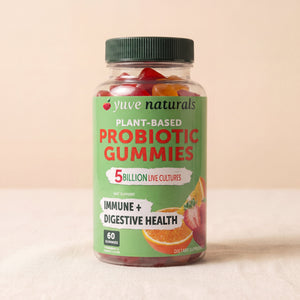
Yuve’s Vegan Probiotic Gummies are a core solution here, offering an easy and delicious way to consistently support your gut microbiome. By providing a steady supply of beneficial bacteria, you're not just fixing a problem; you're actively building a healthier, more resilient digestive system over time. This is a smart, proactive step to feel great every day.
The science and consumer interest in this area are booming for a reason. Probiotics are the leading category in the digestive health supplement market, holding a massive 82.6% market share. The market is projected to grow from $87.7 billion to over $190 billion by 2030, which shows just how much people are recognizing their importance. If you want to dive deeper, you can explore the digestive health market research.
Digestive Enzymes: Your Mealtime Superheroes
If probiotics are the friendly residents of your gut, think of digestive enzymes as the skilled workers who show up to get a specific job done. Their main role is to break down the food you eat into smaller, more absorbable nutrients. Your body produces them naturally, but sometimes it just can’t keep up, especially with certain foods. This can lead to that heavy, bloated, and uncomfortable feeling after a meal.
This is especially true for things like dairy (lactose), complex carbs, and fatty foods. Sound familiar?
This infographic highlights some of the most common factors, from lifestyle to stress, that can disrupt your stomach's balance.
It’s a great reminder that our discomfort often stems from a mix of what we eat, how we live, and how we feel.
Adding a targeted digestive enzyme supplement before a meal is like giving your system a helping hand. It ensures you have the tools needed to break down your food efficiently, preventing the digestive traffic jam that causes so much trouble.
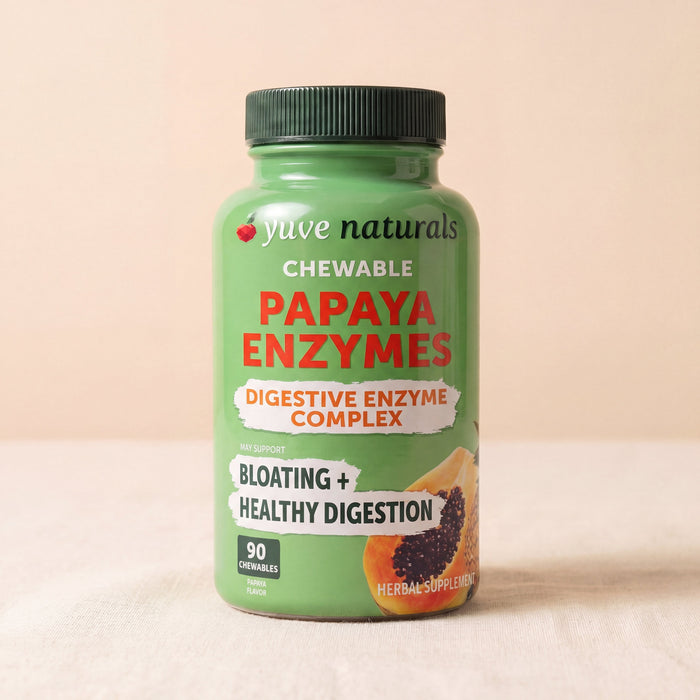
Let’s imagine a real-world scenario: You're heading out for pizza night. You love pizza, but you know the combination of dairy and carbs often leaves you feeling sluggish. Instead of skipping it, you can take a digestive enzyme right before you eat. This is where Yuve Papaya Enzymes become an essential part of your wellness toolkit, helping to break down proteins, fats, and carbohydrates so you can enjoy the foods you love without dreading the after-effects.
Quick Wins: A Checklist for a Happier Gut
- Sip Soothing Teas: Start with peppermint or ginger tea for immediate calm.
- Stick to Bland Foods: Embrace the BRAT diet (Bananas, Rice, Applesauce, Toast) for the first 24 hours.
- Hydrate Smartly: Replenish with water, coconut water, or clear broths.
- Identify Triggers: Keep a simple food and symptom journal to spot patterns.
- Support Daily Digestion: Make Yuve Vegan Probiotic Gummies a daily habit to build long-term gut resilience.
When to See a Doctor About Stomach Pain
Most of the time, an upset stomach is just a temporary visitor. It’s annoying, frustrating, and can definitely throw a wrench in your day, but it usually clears up on its own with a little gentle care.
Still, we're big believers in listening to our bodies. Sometimes, that nagging discomfort is your body’s way of waving a red flag, signaling that something more is going on.
Knowing when to stick with home remedies and when to pick up the phone and call a healthcare professional is crucial. The goal here isn’t to cause alarm, but to empower you. While supplements and gentle foods are fantastic tools for daily wellness, they are no substitute for professional medical care when your symptoms are severe or just won't go away.
Recognizing Red Flag Symptoms
So, what exactly are these red flags? Think of them as symptoms that go a step beyond that typical "I ate something that didn't agree with me" feeling. If you experience any of the following, it’s a smart move to check in with your doctor.
Here are some key signs that definitely warrant a professional opinion:
- Severe or worsening pain: If the pain is sharp, sudden, or consistently getting worse instead of better, don't just try to tough it out.
- Symptoms that won't quit: If your stomach issues-including vomiting or diarrhea-drag on for more than a couple of days, it's time to get it checked.
- Unexplained weight loss: Losing weight without trying might sound appealing, but it can be a sign that your body isn't absorbing nutrients the way it should.
- Difficulty swallowing: Any pain or trouble getting food or liquids down needs to be evaluated.
- Signs of dehydration: Watch out for dizziness, a very dry mouth, and not urinating much. Dehydration can get serious quickly.
- A high fever: An upset stomach paired with a fever can point to an infection that needs medical attention.
- Blood in your stool or vomit: This is always a reason to seek immediate medical advice.
The Growing Importance of Professional Guidance
It's clear that gut health is finally getting the attention it deserves in the medical world. Even in Europe, digestive health is a major focus, partly due to rising cases of disorders like pancreatitis in several countries.
In fact, the market for digestive supplements prescribed by doctors is growing at a rate of 8.6% annually. This trend shows that medical professionals are increasingly recognizing the deep connection between a healthy gut and overall wellness. You can learn more about the growing gut health market on FoodNavigator.com.
This shift is great news for all of us. It means doctors are taking digestive complaints more seriously than ever, and there are more tools and a better understanding available to help pinpoint the root cause of your discomfort.
Your doctor can help you distinguish between a simple bug and something that might need more investigation, like Celiac disease, Crohn's disease, or Irritable Bowel Syndrome (IBS). Getting a proper diagnosis is the first step toward a targeted and effective treatment plan.
Remember, you are your own best health advocate. Trust your instincts. If something feels genuinely off and isn't getting better, making that appointment is one of the kindest things you can do for your body. It’s all part of building a resilient, happy gut for the long run.
Frequently Asked Questions (FAQ)
How long does an upset stomach usually last? For most common issues like indigestion or a mild bug, you should start to feel better within 24 to 48 hours. If symptoms persist beyond that or worsen, it's a good idea to consult a doctor.
Can stress really cause stomach problems? Absolutely. The gut-brain connection is powerful. Stress can slow down or speed up digestion, leading to bloating, cramps, or diarrhea. Simple relaxation techniques like deep breathing can make a big difference.
Are fizzy drinks helpful for an upset stomach? It's a common myth, but carbonated drinks often do more harm than good. The fizz can add more gas to an already bloated system, and the sugar can be irritating. Stick to flat water, herbal tea, or clear broth instead.
Is it safe to take probiotics every day? Yes, for most people, taking a daily probiotic like Yuve's Vegan Probiotic Gummies is a safe and effective way to support long-term gut health by maintaining a healthy balance of good bacteria.
Ready to build a more resilient gut? Yuve offers delicious, plant-based supplements to support your digestive wellness every day.
Explore our Vegan Probiotic Gummies and take the first step towards lasting gut comfort.