Ever feel like your stomach is just… angry with you? One minute you’re fine, and the next, dun, dun, dun - unwelcome bloating and that nagging, burning feeling. You're not alone, and trust me, we get how frustrating it is when your own gut turns against you. It can completely derail your day and make you second-guess every single thing you eat.
The good news? The path to a happier, calmer stomach isn't about eating boring, bland food forever. It's about being smart and intentional with what you put on your plate. This guide is your friendly, no-nonsense roadmap to understanding the powerhouse foods that heal stomach lining. We're moving beyond generic advice to give you a detailed look at specific ingredients that actively work to soothe inflammation, repair damage, and strengthen your digestive defenses. Think of this as your playbook for turning discomfort into relief, one delicious bite at a time.
In this listicle, we’ll dive into eight remarkable foods, from collagen-rich bone broth to soothing aloe vera. For each one, you’ll learn:
- The "Why": How it specifically supports stomach lining repair.
- The "How": Practical ways to prepare and incorporate it into your meals.
- The "How Much": Serving suggestions for effective results.
We'll equip you with actionable strategies to build a gut-healing routine that actually sticks. This targeted nutritional approach is just one piece of the puzzle. For a broader understanding of holistic approaches to digestive wellness, explore effective strategies to improve gut health naturally. Let's get started on rebuilding your gut from the inside out.
1. Bone Broth
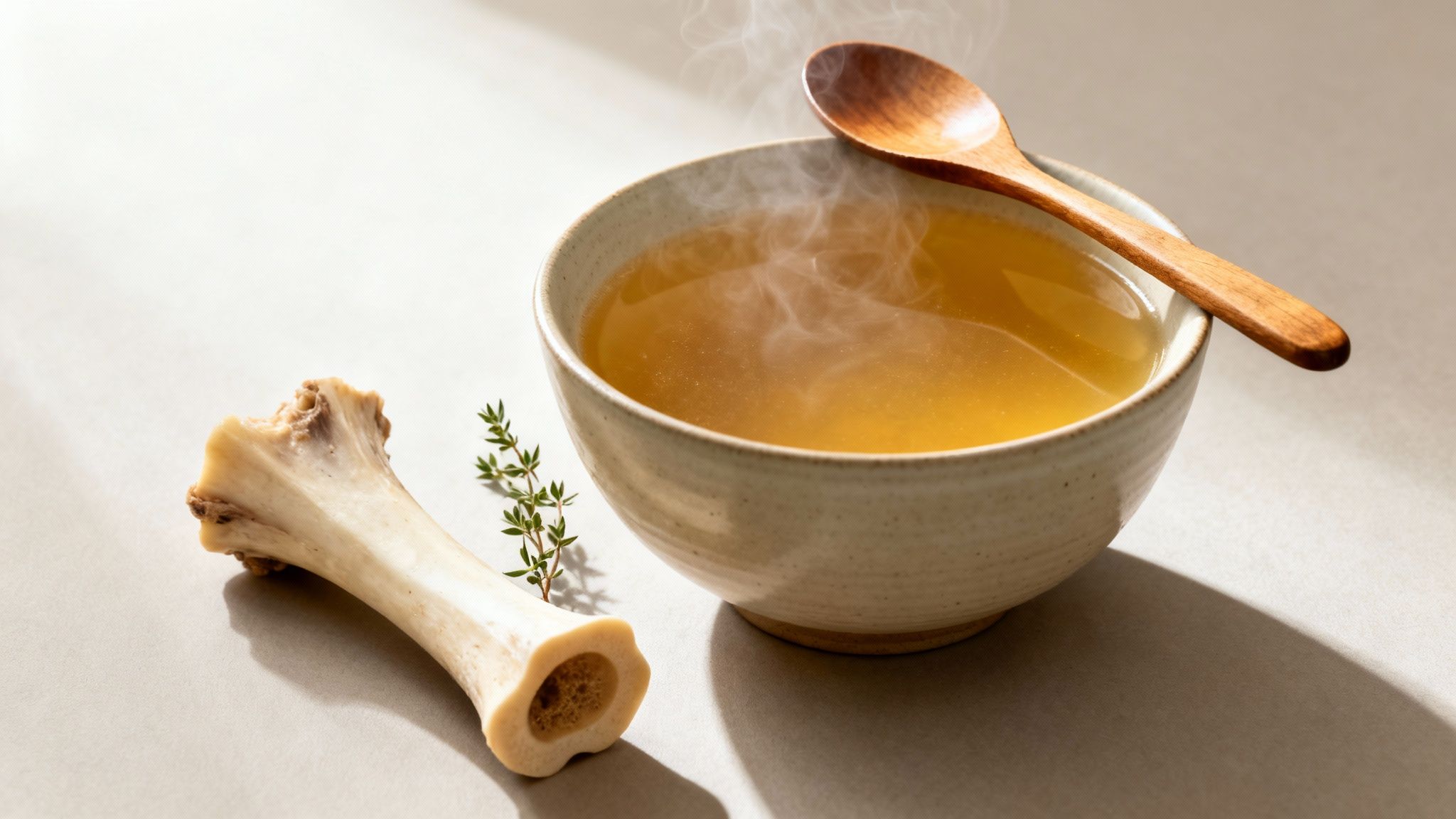
If your digestive system could ask for a warm, comforting hug, bone broth would be it. This isn't just a trendy wellness drink; it's a deeply nourishing powerhouse liquid, especially when it comes to gut repair. Made by simmering animal bones and connective tissues for a long time (we're talking 12-48 hours!), the process breaks everything down into a rich, easy-to-digest broth. The result is a savory liquid packed with the building blocks your body needs, making it one of the most effective foods that heal stomach lining.
How It Works: The Science of Soothing
The magic of bone broth lies in its high concentration of collagen, gelatin, and specific amino acids like glutamine and glycine. When simmered, collagen from the bones breaks down into gelatin. This gelatin acts like a soothing balm for your digestive tract, coating the stomach lining to protect it from irritants.
Meanwhile, glutamine is the preferred fuel for the cells that line your intestines. A steady supply helps them regenerate and repair the tight junctions in the gut wall, which is critical for healing conditions like leaky gut. Glycine also plays a key role by helping to reduce inflammation throughout your digestive system.
Actionable Tips for Maximum Benefit
Getting started with bone broth is simple. Here’s how to make it a seamless part of your gut-healing routine:
- Source Smart: Opt for bones from grass-fed, pasture-raised animals whenever possible. They offer a superior nutrient profile, free from the hormones and antibiotics found in conventionally raised livestock.
- Simmer Low and Slow: For the best results, simmer your broth for at least 24 hours for beef or 12-24 hours for chicken. This ensures you extract the maximum amount of collagen and minerals.
- Add an Acid: A splash of apple cider vinegar in the pot helps draw out more minerals from the bones, making your broth even more nutrient-dense.
- Daily Dose: Aim to drink 8-16 ounces daily for therapeutic benefits. You can sip it warm from a mug or use it as a base for soups, stews, and even cooking grains.
Watch: How to Make Nutrient-Dense Bone Broth
Ready to try making it yourself? This video provides a great step-by-step guide to creating a gelatin-rich, healing broth at home.
2. L-Glutamine (Amino Acid)
While bone broth is a whole-food source, L-Glutamine is the specific amino acid that does much of the heavy lifting for gut repair. Think of it as the MVP on your digestive healing team. This powerful compound is the primary fuel source for the cells lining your intestines (called enterocytes). Giving these cells their favorite food is a direct and efficient way to support repair, making L-Glutamine one of the most targeted and effective tools for healing the stomach lining, often used in supplement form for a therapeutic dose.
How It Works: The Science of Soothing
The gut-healing power of L-Glutamine is well-documented. It directly supports the regeneration of the intestinal lining and strengthens the "tight junctions" between intestinal cells. These junctions act like gatekeepers, preventing undigested food particles and toxins from leaking into the bloodstream-a condition many call leaky gut.
By providing the necessary fuel, glutamine helps these cells multiply and maintain a strong, resilient barrier. One study published in the journal Gut found that L-Glutamine supplementation significantly reduced intestinal hyperpermeability in patients with IBS. What this means for you is that it helps literally seal the leaks in your gut wall, reducing sensitivity and inflammation.
Actionable Tips for Maximum Benefit
Incorporating L-Glutamine into your routine is straightforward and highly effective. Here’s how to do it right:
- Start Low, Go Slow: Begin with a smaller dose, such as 3-5 grams per day, and gradually increase to a therapeutic dose of 10-15 grams if needed, taken in divided amounts.
- Timing is Key: For best absorption and to minimize any potential stomach upset, take L-Glutamine with meals.
- Powder is Practical: L-Glutamine powder is often the most cost-effective and easiest way to customize your dosage. Simply mix it into water, a smoothie, or a small amount of applesauce.
- Synergistic Stacking: Combine L-Glutamine with a daily cup of bone broth. This pairing provides both the foundational amino acid and the complementary collagen and gelatin for comprehensive gut support.
Watch: Dr. Berg on the Benefits of L-Glutamine for Gut Health
Curious to learn more about the science behind this powerhouse amino acid? Dr. Eric Berg provides a clear, concise explanation of why L-Glutamine is so crucial for repairing a damaged gut.
3. Raw Honey
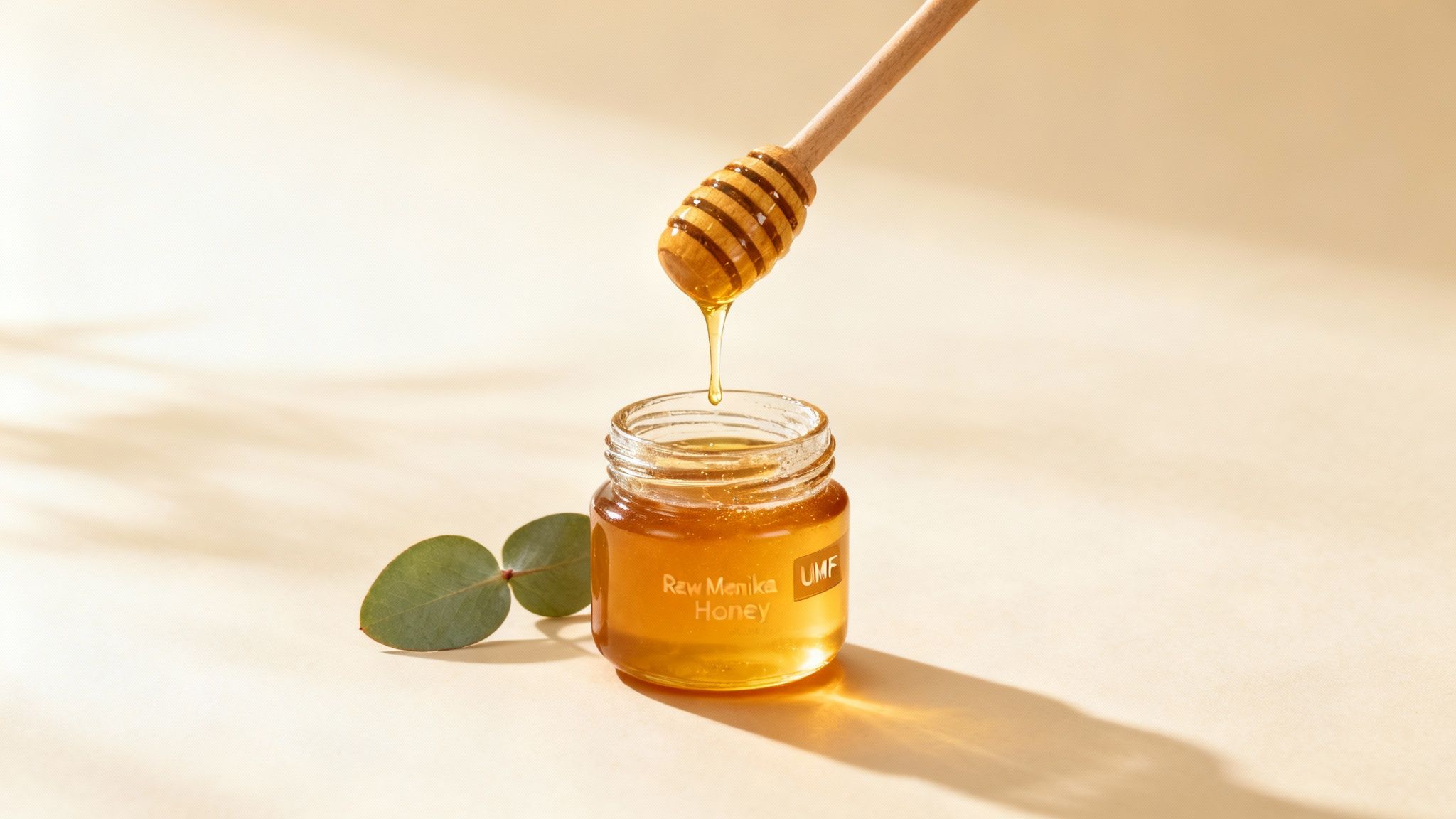
Nature's original sweetener does more than just sweeten your tea; it's a potent medicinal food that has been used for millennia to soothe digestive ailments. Raw, unpasteurized honey is a living food, brimming with enzymes, antioxidants, and powerful antimicrobial compounds. When it comes to your stomach, it acts like a protective, healing syrup, making it one of the most remarkable foods that heal stomach lining.
How It Works: The Science of Soothing
Raw honey’s healing power is multifaceted. Its viscous texture allows it to coat the mucosal lining of the stomach and esophagus, creating a physical barrier against irritants and acid. It also possesses natural antibacterial properties, which are particularly effective against H. pylori, a common bacterium linked to gastritis and stomach ulcers.
The star player in the honey world is Manuka honey, which contains a unique compound called methylglyoxal (MGO). This compound gives Manuka its supercharged antibacterial strength. A review in the journal Foods confirmed that Manuka honey shows significant inhibitory effects against H. pylori. What this means for you is that it can help fight off one of the key culprits behind chronic stomach irritation while also soothing the lining.
Actionable Tips for Maximum Benefit
To truly harness honey's therapeutic potential, how you use it matters. Here’s how to incorporate it effectively:
- Choose Raw and Unpasteurized: Heating honey destroys its delicate enzymes and beneficial compounds. Always look for “raw” on the label.
- Look for Manuka UMF: For targeted healing, especially against H. pylori, choose Manuka honey with a UMF (Unique Manuka Factor) rating of 10+. This certification guarantees its medicinal potency.
- Time It Right: Take 1-2 teaspoons of raw honey on an empty stomach, about 15-20 minutes before a meal. This allows it to coat your stomach lining without being diluted by food.
- Never Overheat: If adding honey to a warm drink, let the liquid cool to below 104°F (40°C) before stirring it in. This preserves its live enzymes and healing properties.
4. Slippery Elm Bark
If your stomach lining feels raw and irritated, think of Slippery Elm Bark as a natural, protective bandage. This herbal remedy, derived from the inner bark of the slippery elm tree, has been a cornerstone of traditional healing for centuries. It’s not a food in the typical sense, but its unique properties make it one of the most powerful supportive agents for anyone looking for foods that heal stomach lining and soothe digestive distress.
How It Works: The Science of Soothing
The secret to slippery elm's effectiveness is a substance called mucilage. When you mix the powdered bark with water, this mucilage transforms into a slick, gel-like substance. As it travels down your digestive tract, this gel coats the lining of your esophagus, stomach, and intestines.
This coating does two crucial things: first, it acts as a physical barrier, shielding inflamed or damaged tissue from stomach acid and other irritants. Second, it soothes inflammation directly, providing immediate relief from symptoms like heartburn and gastritis. This protective layer creates an ideal environment for your body's natural healing processes to take over and repair the underlying tissue.
Actionable Tips for Maximum Benefit
To get the most out of this gentle but potent herb, proper preparation and timing are key. Here’s how to incorporate it effectively:
- Choose Powder Over Capsules: For direct coating action on the stomach lining, the powdered form is far superior. Capsules release the herb further down the digestive tract, missing the target area.
- Create a Slurry: Mix 1-2 teaspoons of slippery elm powder with a small amount of cold water to form a paste, then add more warm water to create a drinkable slurry or gruel. Take this 20-30 minutes before meals.
- Time It Right: The mucilage can interfere with the absorption of medications and other supplements. Be sure to take slippery elm at least two hours apart from any prescriptions or other vitamins.
- Consistent Use: For chronic issues, aim to take it 2-3 times daily to maintain a consistent protective coating on your stomach lining.
Watch: Preparing Slippery Elm for Gut Health
Understanding how to prepare slippery elm is the first step to feeling its benefits. This quick video demonstrates how to make a simple, effective slurry.
5. Aloe Vera Juice (Inner Gel)
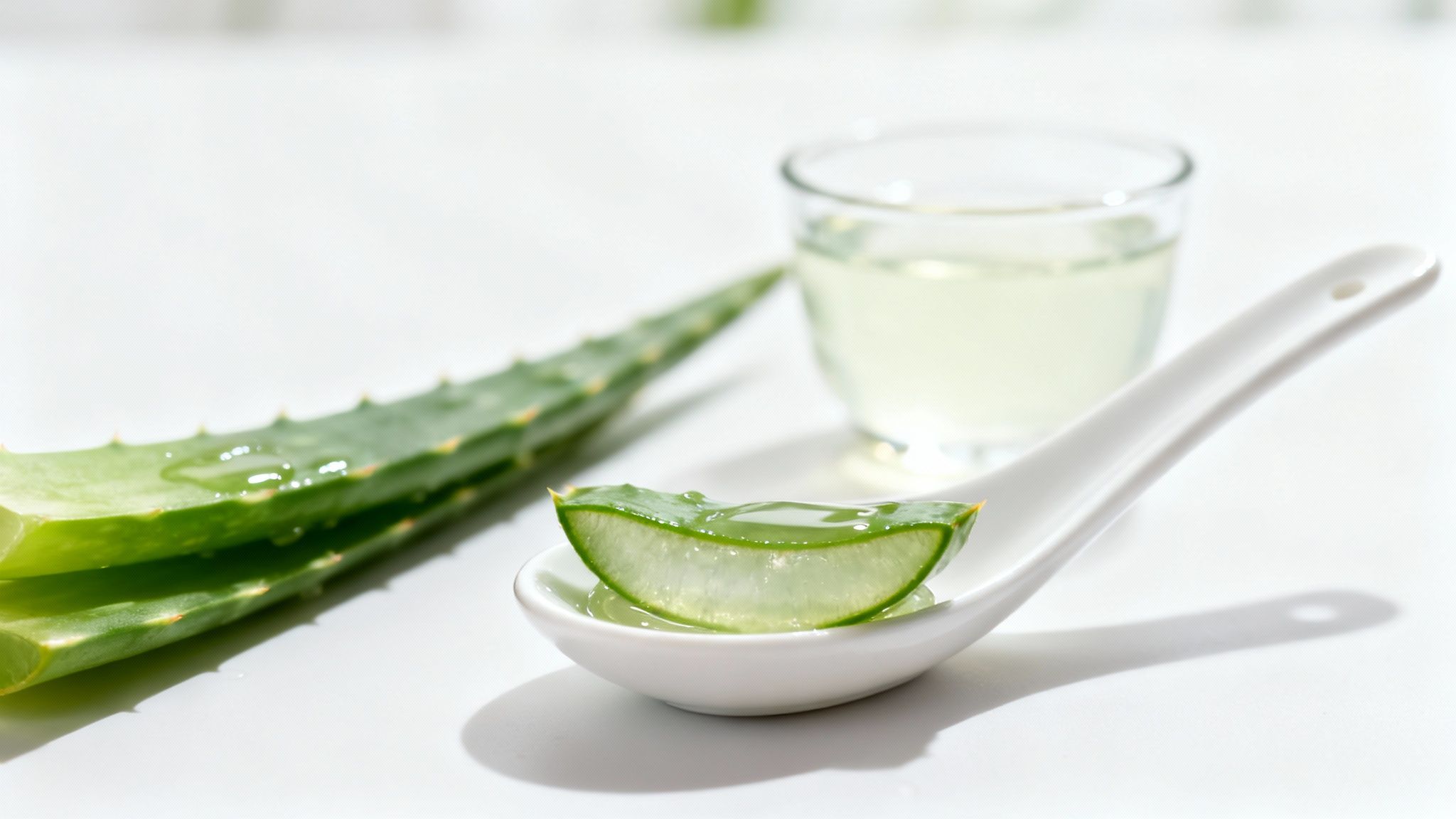
While you might associate aloe vera with soothing a nasty sunburn, its healing properties go much deeper - right to your stomach. The clear, inner gel of the aloe vera plant is a powerhouse of compounds that can calm an irritated digestive system. Used for centuries in traditional medicine, this potent plant extract offers a cool, gentle touch to internal inflammation, making it a standout among foods that heal stomach lining.
How It Works: The Science of Soothing
The gut-healing magic of aloe vera comes from its unique composition. The inner gel is rich in polysaccharides, specifically acemannan, which has been shown to reduce inflammation and support cellular repair. These compounds help regenerate the stomach's protective mucus layer, creating a barrier against stomach acid and other irritants.
Additionally, aloe vera contains enzymes that aid digestion and amino acids that serve as building blocks for repairing damaged tissue. A clinical trial published by the National Institutes of Health (NIH) showed that aloe vera was a safe and effective treatment for reducing symptoms of GERD. What this means for you is that a small daily dose can provide significant relief from heartburn and discomfort by soothing the esophageal and stomach lining.
Actionable Tips for Maximum Benefit
Incorporating aloe vera juice into your routine is simple, but it's crucial to do it correctly for safety and effectiveness.
- Purity is Key: Only use juice made from the inner clear gel. The outer leaf contains a yellow latex with a compound called aloin, which is a harsh laxative. I do NOT think you want that. Always choose products labeled "inner fillet," "inner gel," or "decolorized."
- Start Small: Begin with a small dose of 2-3 ounces daily, preferably before a meal, to see how your body responds. This is often enough to feel its soothing benefits.
- Watch for a Reaction: If you experience loose stools or cramping, it could be a sign of aloin contamination in your product. Discontinue use and try a different, higher-purity brand.
- Healing Combo: For an enhanced soothing effect, consider combining your aloe vera juice with other gut-friendly supplements like slippery elm or DGL licorice.
6. Fermented Foods (Sauerkraut, Kimchi, Miso)
If you're looking for a vibrant and flavorful way to support your digestive system, fermented foods are your answer. These traditional foods, like sauerkraut, kimchi, and miso, are more than just tangy side dishes; they are teeming with beneficial bacteria that actively support gut repair. The process of lacto-fermentation transforms these foods, making them a potent tool and one of the most effective foods that heal stomach lining.
How It Works: The Science of Soothing
The healing power of fermented foods comes from probiotics - live, beneficial bacteria that help rebalance your gut microbiome. These microorganisms produce lactic acid during fermentation, which creates an environment where harmful pathogens struggle to survive. A balanced microbiome is essential for reducing inflammation and maintaining the integrity of the stomach lining.
Furthermore, the fermentation process pre-digests the food, breaking down complex carbohydrates and proteins. This makes nutrients more bioavailable and easier for your damaged gut to absorb. A Korean study found that kimchi consumption helped reduce H. pylori activity. What this means for you is that adding these foods can help crowd out bad bacteria and make it easier for your gut to get the nutrients it needs to heal.
Actionable Tips for Maximum Benefit
Incorporating these probiotic powerhouses into your diet is simple. Here’s how to do it effectively:
- Choose Unpasteurized: Look for sauerkraut and kimchi in the refrigerated section of the grocery store. Shelf-stable versions have been pasteurized, which kills the beneficial live cultures.
- Start Small: If you're new to fermented foods, begin with just one tablespoon per day with a meal to allow your digestive system to adjust. You can gradually increase to 2-3 tablespoons daily.
- Keep it Cool: Probiotics are sensitive to heat. To preserve their benefits, add kimchi, sauerkraut, or miso to your dishes after cooking.
- Variety is Key: Different fermented foods contain different strains of beneficial bacteria. Rotate between kimchi, sauerkraut, kefir, and miso to cultivate a diverse and resilient gut microbiome.
Watch: How to Make Your Own Sauerkraut
Making your own fermented foods is easier than you think and ensures a fresh, potent supply of probiotics. This video provides a fantastic guide to making sauerkraut at home with just two ingredients.
7. Coconut Oil
When you think of tropical wellness, coconut oil often comes to mind. This versatile fat is more than just a cooking staple; it's a traditional remedy with powerful properties that can help soothe and protect a compromised digestive system. Derived from the meat of mature coconuts, its unique composition makes it one of the most compelling foods that heal stomach lining, offering both nourishment and defense in every spoonful.
How It Works: The Science of Soothing
Coconut oil's healing power is largely due to its high concentration of medium-chain triglycerides (MCTs) and a specific fatty acid called lauric acid. Unlike longer-chain fats, MCTs are easily digested and absorbed, providing a quick source of energy that doesn't strain your gut. This allows your digestive system to rest and repair.
Lauric acid is the true star, however, possessing potent antimicrobial properties. It has been shown to be effective against harmful bacteria, including the notorious H. pylori, which is a common cause of gastritis and ulcers. By helping to rebalance your gut microbiome and reducing the pathogenic load, coconut oil creates a healthier environment for the stomach lining to heal.
Actionable Tips for Maximum Benefit
Incorporating coconut oil into your diet is simple. To ensure you're getting the best results, follow these practical steps:
- Choose Wisely: Always select virgin, cold-pressed, organic coconut oil. This ensures it is unrefined and retains its full spectrum of beneficial compounds.
- Start Small: If you're new to coconut oil, begin with just 1 teaspoon per day to allow your system to adjust. You can gradually increase your intake to 1-2 tablespoons daily.
- Time It Right: Take coconut oil with meals to aid absorption and prevent any potential digestive upset, which can occur if taken on an empty stomach.
- Get Creative: You don't have to take it straight from the spoon. Blend it into smoothies, stir it into your morning coffee or tea, or use it for low-to-medium heat cooking.
8. Bone Marrow and Organ Meats (Liver, Kidney)
While they may seem like a throwback to another era, bone marrow and organ meats are making a powerful comeback for a very good reason. These "nose-to-tail" foods are some of the most concentrated sources of nutrients on the planet, offering a unique profile of vitamins, minerals, and growth factors essential for deep cellular repair. Far from being intimidating, incorporating these foods can be a game-changer, making them a top-tier choice among foods that heal stomach lining.
How It Works: The Science of Soothing
The healing power of these foods lies in their incredible nutrient density. Bone marrow is a rich source of collagen and healthy fats that provide the direct building blocks for regenerating your own tissues. Organ meats like liver are nature's multivitamin, packed with fat-soluble vitamins A, D, E, and K2, which are crucial for regulating cell growth and reducing inflammation in the gut.
Liver is also one of the best sources of heme iron and vitamin B12, both essential for energy production and repairing damaged cells in the stomach. These foods deliver a synergistic blend of nutrients that support healing from multiple angles-from rebuilding the physical barrier of the gut lining to providing the cofactors needed for cellular energy and repair.
Actionable Tips for Maximum Benefit
Intimidated by organ meats? Don't be. Here are some simple ways to start benefiting from these superfoods:
- Source with Care: Always choose marrow and organs from grass-fed, pasture-raised animals. This ensures the highest nutrient quality and avoids unwanted toxins.
- Start Small and Simple: Begin with just 2-3 ounces of liver once a week. You can dice it finely and mix it into ground beef for burgers or chili to mask the taste and texture.
- Roast Your Marrow: Roasting bone marrow is incredibly easy. Place marrow bones on a baking sheet and roast at 450°F (232°C) for 15-20 minutes until the marrow is soft and bubbly. Spread it on toast or eat it with a spoon.
- Enhance Iron Absorption: When eating liver, pair it with a food rich in vitamin C, like bell peppers or broccoli, to maximize the absorption of its valuable heme iron.
Watch: A Simple Way to Cook Beef Liver
If you're unsure how to prepare liver, this video offers a straightforward and delicious method that even beginners can master.
8-Item Comparison: Stomach-Lining Healing Foods
| Item | 🔄 Implementation complexity | ⚡ Resource requirements | ⭐ Effectiveness (quality) | 📊 Expected outcomes | 💡 Ideal use cases |
|---|---|---|---|---|---|
| Bone Broth | Medium–High - long simmer (12–48h) | Moderate - bones, time or store-bought cost | ⭐⭐⭐⭐ - rich collagen & amino acids | 📊 Improves gut barrier, soothes inflammation, supports joints/skin | 💡 Leaky gut, post-surgery recovery, athletes |
| L-Glutamine (Amino Acid) | Low - simple dosing regimen | Low–Moderate - supplement cost and quality variation | ⭐⭐⭐⭐ - direct enterocyte fuel, tight-junction support | 📊 Reduces permeability, promotes mucosal healing over weeks | 💡 IBS, ulcers, exercise-induced gut permeability |
| Raw Honey (Manuka) | Low - consume raw (avoid heating) | Low–Moderate - Manuka may be expensive | ⭐⭐⭐ - antimicrobial and protective (varies by type) | 📊 Antibacterial effects (H. pylori), coats and soothes lining | 💡 H. pylori adjunct, mild gastritis, digestive soothing |
| Slippery Elm Bark | Low - powder/paste or tea preparation | Low - affordable herbal product | ⭐⭐⭐ - fast-acting demulcent, symptomatic relief | 📊 Rapid soothing of irritation; healing over weeks with use | 💡 GERD, gastritis, as adjunct (avoid near medication timing) |
| Aloe Vera Juice (Inner Gel) | Low–Medium - prepare inner gel carefully | Low–Moderate - fresh leaf or commercial inner-gel juice | ⭐⭐⭐⭐ - anti-inflammatory, mucus-regenerating | 📊 Reduces inflammation, restores mucus layer, aids digestion | 💡 GERD, IBS, mucosal inflammation (use inner gel only) |
| Fermented Foods (sauerkraut, kimchi, miso) | Low - buy refrigerated or ferment at home | Low - ingredients and fridge space; unpasteurized needed | ⭐⭐⭐⭐ - probiotic and enzyme-rich | 📊 Restores microbiota, improves digestion & acid balance | 💡 Microbiome support, low stomach acid, daily inclusion |
| Coconut Oil | Low - dietary addition | Low–Moderate - virgin/organic recommended | ⭐⭐⭐ - antimicrobial (lauric acid), soothing fat source | 📊 May inhibit pathogens (incl. H. pylori), reduces inflammation | 💡 Antimicrobial adjunct, easy energy source for sensitive guts |
| Bone Marrow & Organ Meats | Medium - sourcing & preparation skills needed | Moderate–High - quality grass‑fed organs can be costly | ⭐⭐⭐⭐ - highly bioavailable nutrient density | 📊 Supports tissue regeneration, corrects micronutrient deficits | 💡 Nutrient-dense recovery, chronic deficiency, tissue repair |
Your Action Plan for a Happier Stomach
Okay, we’ve covered a lot of ground with these powerful foods that heal stomach lining. If you're feeling a bit overwhelmed, take a deep breath. We've been there. The goal isn't to perfectly incorporate all eight of these foods tomorrow. That would be exhausting!
Instead, think of this as building your personalized gut-healing toolkit. The real secret to success is consistency, not perfection. Our founder, Sam, knows this firsthand. His own journey back to digestive wellness didn't happen overnight. It started with small, manageable steps. He began by adding a scoop of sauerkraut to his lunch and sipping a warm cup of bone broth in the mornings. Over weeks and months, these small habits compounded, creating a profound shift in how his stomach felt.
Your First Steps to a Stronger Gut Lining
Feeling inspired but not sure where to start? Let’s make this simple. Here’s a practical, step-by-step plan to get you moving in the right direction.
- Pick Your "Power Two": Look back at the list and choose just two foods that seem easiest or most appealing to you right now. Maybe it’s swapping your morning coffee for a mug of bone broth or adding a tablespoon of kimchi to your dinner. Don’t overthink it; just pick two and commit for the next week.
- Create a Simple Ritual: Attach your new food habit to something you already do. If you always make a salad for lunch, make it a rule to add a forkful of fermented veggies on top. If you have a post-workout smoothie, blend in your L-Glutamine supplement. Linking a new habit to an old one makes it almost automatic.
- Listen and Observe: This is the most important step. Pay attention to how you feel. Keep a simple journal if it helps. Note your energy levels, any reduction in bloating, or changes in discomfort. Your body is your best guide, and it will give you feedback on what’s working.
The Bigger Picture: Beyond Just Food
Mastering this is about more than just quieting a noisy stomach. It's about reclaiming your relationship with food and your body. When your gut lining is healthy, you absorb nutrients more effectively, your immune system functions better, and even your mood can improve. A happy gut is truly the foundation for overall vitality. It's the difference between dreading meals and enjoying them with confidence.
Let’s be real, though. Sometimes, even with the best diet, our digestive systems need extra support, especially if they've been under stress. Food is powerful, but we can supercharge its effects.
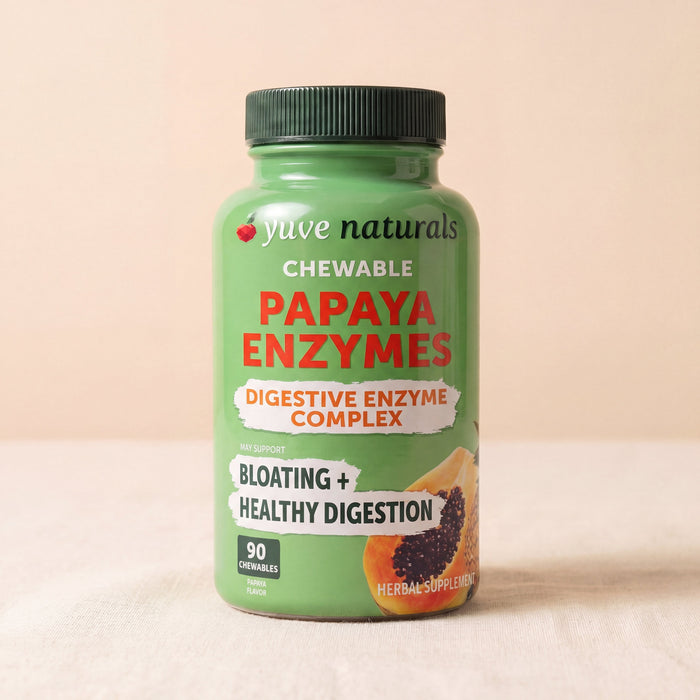
To get the most out of every healing bite, pairing these foods with a high-quality digestive supplement is a game-changer. Yuve's Daily Cleanse, with its blend of probiotics and prebiotics, helps create the perfect internal environment for these foods to work their magic. It’s a smart, proactive step that supports the beneficial bacteria crucial for a strong, resilient gut lining.
Think of it as a partnership: you bring the wonderful, healing foods, and we provide the support crew to make sure your digestive system can use them to their full potential. It's not just about what you eat; it's about what your body can do with it.
Ready to give your stomach the comprehensive support it deserves? By pairing these powerful foods with targeted supplementation, you’re creating a holistic strategy for long-term gut health. Discover how Yuve can be the missing piece in your gut-healing puzzle by visiting us at Yuve to explore our full line of digestive wellness solutions.