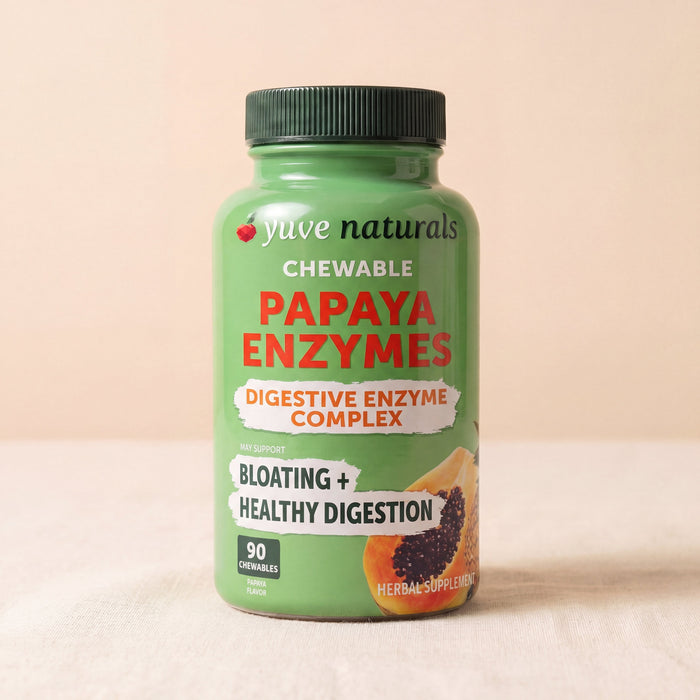
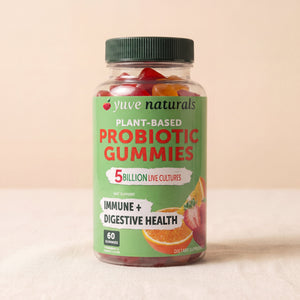
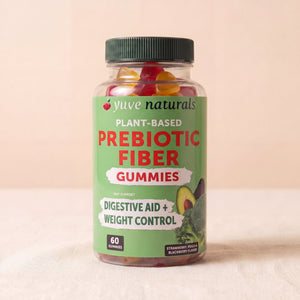
Stomach cramps. They hit out of nowhere, right? That sudden, gripping pain can throw your whole day off track, leaving you doubled over and wondering, "What did I do to deserve this?" You're not alone in that frustration, and the good news is, relief is closer than you think.
While quick fixes like a heating pad can work wonders in the moment, we want to help you get to the root of the problem. This guide will walk you through fast-acting remedies for immediate relief and long-term strategies to build a stronger, cramp-proof gut. Let's get you feeling better, for good.
Decoding the Squeeze: What Your Stomach Is Telling You
That sudden, frustrating grip of a stomach cramp isn't just random pain-it's your body sending a signal. But let's be honest, figuring out what that signal means can feel like a frustrating guessing game. Was it last night's takeout? Stress from a deadline? Or something else entirely?
The discomfort is real, and it can throw your whole day off track. Before we jump into fast-acting solutions, it’s crucial to understand why the cramps are happening. It’s like finding a leak in your house; you wouldn’t just keep mopping the floor without finding and fixing the leaky pipe. Your gut works the same way.
Common Culprits Behind the Cramps
Most of the time, stomach cramps are caused by temporary, manageable issues. Let's break down the usual suspects.
- Gas and Indigestion: This is probably the most frequent offender. When food doesn't break down properly or you swallow too much air, gas gets trapped. Your intestines then contract to try and move it along, and bam-you feel that cramping sensation. Dun, dun, dun-unwelcome gas. Yikes!
- Food Intolerances: Sometimes, your body just doesn't agree with certain foods, like dairy (lactose intolerance) or gluten. When this happens, your digestive system can react with inflammation, gas, and painful spasms.
- Stress and Anxiety: Ever had "butterflies" in your stomach before a big event? That’s the gut-brain connection in action. Stress can cause your digestive muscles to tense up and spasm, leading to cramps even when your diet has been perfect.
If this sounds familiar, you're not alone. A massive 51.9% of people worldwide reported abdominal pain in the last three months. According to one major study, 11.0% of those individuals suffer from frequent meal-related cramps, showing just how widespread this issue is. What this means for you is that what you're feeling is incredibly common, and thankfully, very manageable.
To help you pinpoint what might be going on, here's a quick look at the most common triggers.
Common Stomach Cramp Triggers at a Glance
| Trigger | What It Feels Like | Common Causes |
|---|---|---|
| Gas & Indigestion | Sharp, stabbing pains that come and go; often accompanied by bloating. | Eating too fast, carbonated drinks, high-fiber foods (like beans and broccoli). |
| Food Intolerance | Dull, persistent aching or sharp cramps, usually with bloating, gas, or diarrhea. | Dairy (lactose), gluten, fructose, or specific food sensitivities. |
| Stress & Anxiety | A tight, knot-like feeling or nervous "butterflies" that turn into cramping. | High-pressure situations, emotional distress, chronic anxiety. |
| Dehydration | General, widespread cramping, sometimes accompanied by a headache or dizziness. | Not drinking enough water, excessive sweating, illness. |
This table can be a great starting point for connecting the dots between your symptoms and their potential cause.
When It’s More Than Just a Bad Meal
Sometimes, cramps are a sign of an underlying imbalance that needs more attention. Chronic issues like Irritable Bowel Syndrome (IBS) or gastritis (inflammation of the stomach lining) often have cramping as a primary symptom. These conditions mean your digestive system is consistently sensitive and reactive.
Beyond common digestive issues, a general feeling of malaise can also play a role. If you're dealing with a queasy stomach and that washed-out hangover feeling without drinking, it could point to less obvious factors like dehydration or electrolyte imbalances.
Ultimately, understanding the "why" behind your discomfort is the first step toward finding real relief and moving from guesswork to targeted, effective strategies.
Finding Fast Relief When Cramps Strike
When a cramp hits, your first and only thought is making it stop. We get it. That sudden, gripping pain can bring your day to a screeching halt, and you need solutions that are gentle, effective, and work now.
Forget sifting through a dozen remedies that might not even apply. Let's talk about the simple, comforting actions that can bring real, in-the-moment relief. Think of these as your gut's emergency toolkit-designed to soothe spasms, ease tension, and help your digestive system find its calm.
This little decision tree can be a great starting point for figuring out what might be going on.
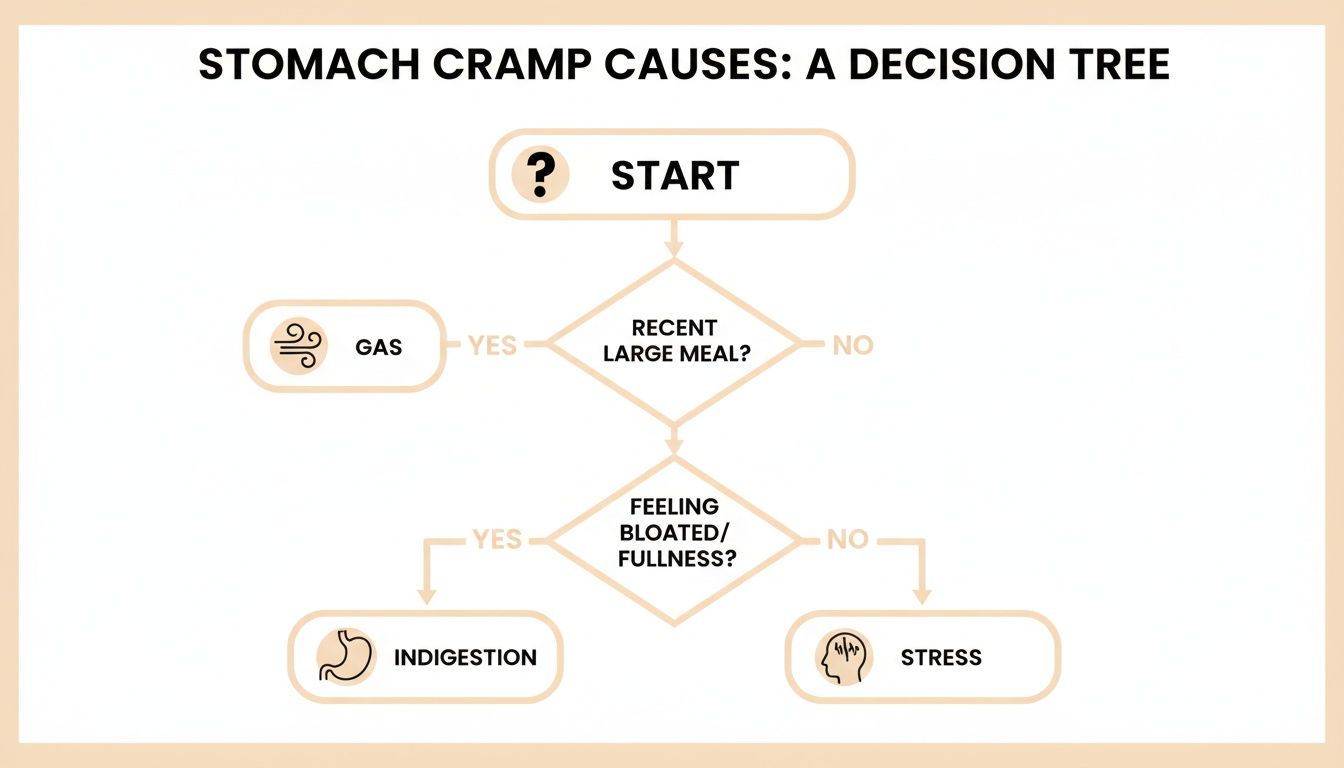
It helps visualize how common culprits like gas, a meal that didn't sit right, or even stress can all lead to that familiar cramping feeling.
Embrace Gentle Warmth
Sometimes the oldest tricks are the best. Applying gentle heat to your abdomen is a classic for a reason-it works. A warm compress or a heating pad helps relax the outer abdominal muscles, which in turn can calm the spasming muscles inside.
The warmth increases blood flow to the area, helping to ease the painful contractions. Just be sure it’s comfortably warm, not hot, and keep it on for about 15-20 minutes.
A Personal Tip: Our founder, Sam, always keeps a microwavable heat pack handy. He says, "It’s my go-to for immediate comfort. The gentle pressure and warmth feel like a reassuring hug for my gut when it's acting up."
Sip on Soothing Herbal Teas
A warm cup of herbal tea can feel like an internal heating pad, working from the inside out to calm things down. Certain herbs are particularly well-suited for an upset, cramping stomach.
- Peppermint Tea: This one is a champion for its antispasmodic effects. Peppermint helps relax the intestinal muscles, which can help trapped gas move along and relieve that pressurized, crampy feeling.
- Chamomile Tea: Known for being incredibly gentle, chamomile has anti-inflammatory properties that can soothe an irritated stomach lining. It’s calming for your mind and your gut.
- Ginger Tea: If you’re feeling a bit nauseous along with the cramps, ginger is your friend. It's a powerhouse for settling indigestion and has been used for centuries to calm upset stomachs.
Try Simple Stretches to Release Trapped Gas
Often, a stubborn stomach cramp is just a pocket of trapped gas putting pressure where it shouldn't be. A little bit of gentle movement can be all you need to help it on its way.
Lying on your back and gently hugging your knees to your chest is a great place to start. Hold for 15-30 seconds, breathe, and release. Child's pose from yoga is another fantastic option, as it applies mild compression to the abdomen. This isn't about an intense workout; it's about gently encouraging things to move.
For more tips on this, take a look at our other guide on natural remedies for bloating.
Building Your Anti-Cramp Eating Plan
What you eat is one of your most powerful tools against stomach cramps. But let's be real-figuring out what to eat when your stomach feels like it's tied in knots is overwhelming. This isn’t about creating a long list of forbidden foods; it’s about empowering you with a clear, simple roadmap for a happier gut.
You're not alone in this. Diet-related digestive issues are incredibly common. In fact, abdominal pain is the top reason for GI outpatient visits in the U.S., racking up over $16.6 billion in annual treatment costs. Globally, it’s a regular battle for more than 40% of people, often tied directly to dietary choices.
Start with Safe, Soothing Foods
When your gut is feeling sensitive and overworked, the goal is to give it foods that are easy to digest and naturally calming. Think of these as your "peacekeeper" foods-they won't ask your digestive system to do any heavy lifting.
- Bananas: Not only are they easy on the stomach, but they're also packed with potassium, an electrolyte that helps regulate fluid balance and muscle contractions.
- White Rice: This is a simple carbohydrate that your body can break down easily, giving you a source of energy without causing irritation.
- Ginger: A true powerhouse. Whether you sip it in tea or grate it into a meal, ginger is well-known for its anti-inflammatory and anti-nausea properties that can soothe an upset stomach.
These are a great starting point, especially when you're in the middle of a flare-up or just recovering from one. They provide gentle nourishment and help your gut reset.
Identify Your Personal Trigger Foods
Now for a bit of detective work. While some foods are common culprits for almost everyone, your triggers are unique to you. The key is simply to become more aware of how your body reacts to what you're eating.
High-fat meals, for instance, can slow down digestion, leading to that heavy, crampy feeling. Artificial sweeteners, especially sugar alcohols like sorbitol, are notorious for causing gas and bloating because our bodies can't fully break them down. Dairy is another major one for many people. To truly build a diet that prevents cramps, it can be useful to investigate potential food intolerance tests.
A Note from Yuve's Founder, Sam:
"For years, I battled unpredictable bloating and cramps. I blamed everything from stress to not drinking enough water. It wasn't until I started a simple food journal that I connected the dots-dairy was my biggest trigger. Cutting it out was a game-changer, but I also realized I did not want to miss out on certain foods forever. That journey is what inspired so many of Yuve's solutions."
Your Action Plan: A Simple Food Journal
Keeping a food journal for just a week or two can be incredibly revealing. It doesn't have to be complicated. Just jot down what you ate, the time, and any symptoms you felt afterward. This simple practice helps you pinpoint patterns you might otherwise miss in the chaos of daily life.
Once you identify a potential trigger, you can make informed decisions. Sometimes the answer isn't total elimination but strategic support. For many, like Sam, dairy is a major source of discomfort. If you suspect it's one of your triggers, you can dive deeper by checking out our guide on other common foods that cause bloating. This knowledge helps you take back control.
Playing the Long Game: Building a Cramp-Proof Gut
While quick fixes are great for getting through the moment, the real secret to lasting relief is shifting your focus. The goal isn't just to react to cramps-it's to build a digestive system so strong and balanced that they hardly ever happen in the first place.
This means we need to get to the heart of long-term gut wellness: cultivating a thriving community of microbes in your gut.
Think of your gut as a bustling internal garden. When the beneficial "good guy" bacteria are flourishing, everything runs smoothly. But when the troublemakers start to take over, you get a recipe for chronic cramping, gas, and bloating. A truly resilient gut is all about making sure the good guys always have the upper hand.
Send in Reinforcements with Probiotics
So, how do you help the good guys win? You send in reinforcements. That's exactly what probiotics are-live microorganisms that, when you consume them, boost the population of helpful microbes in your gut.
You can get a dose of these friendly bacteria from fermented foods like yogurt, kefir, sauerkraut, and kimchi. They're all fantastic additions to your diet. For a more targeted and potent approach, though, a high-quality supplement is a core solution for tipping the scales in your favor.
This is precisely why we created Yuve's Vegan Probiotic. It’s not a temporary patch. It's designed to be a daily tool that consistently replenishes and strengthens your gut’s beneficial bacteria, helping it handle dietary curveballs and stress without sending you into a cramp-filled spiral.
Why Consistency is Key: Building a healthy gut isn't a one-and-done deal. It's like tending a garden; a single watering helps, but consistent care is what makes it thrive. Taking probiotics daily helps maintain a strong defense against digestive distress.
Don't Forget to Feed Your Allies with Prebiotics
Okay, you've sent in the probiotic troops. Now what? You have to feed them! This is where prebiotics enter the picture.
Prebiotics are special types of fiber that your body can't digest, but your good gut bacteria absolutely devour. By filling your diet with prebiotic-rich foods, you’re giving your probiotic allies the fuel they need to multiply and dominate. This powerful synergy is the foundation of excellent gut health.
You can find prebiotics in everyday foods like:
- Garlic and Onions: These kitchen staples are packed with gut-friendly fibers.
- Bananas (especially when a little green): A great source of resistant starch that your microbes love.
- Asparagus: Not only delicious but also a fantastic source of inulin, a type of prebiotic fiber.
- Oats: A perfect way to start your day with a meal that feeds your gut.
When you focus on both adding good bacteria and feeding them well, you stop just managing symptoms. You start to actively build a stronger, more resilient gut. This is how you find lasting freedom from stomach cramps. For a deeper dive, check out our full guide on how to improve gut health for even more actionable tips.
Simple Lifestyle Shifts for a Calmer Stomach

A happy gut is about so much more than just what's on your plate. Sometimes, the most powerful changes you can make have nothing to do with food at all. Small, consistent shifts in your daily routine can calm your entire system, building a strong foundation for a cramp-free life.
Ever notice how a stressful day can directly translate into a knotted, painful stomach? That's not in your head. The connection between your mind and your digestive system-what scientists call the gut-brain axis-is incredibly powerful. When you're overwhelmed, your brain floods your system with stress signals that can cause your intestinal muscles to spasm, leading to those familiar, painful cramps.
So, a huge part of learning how to stop stomach cramps is learning how to manage your stress.
Tame the Tension in Your Tummy
You don't need a complex hour-long meditation practice to feel the benefits. A few simple, intentional moments of calm can work wonders for your digestive system.
- Try Belly Breathing: Find a comfortable spot to sit or lie down and place one hand on your stomach. Inhale slowly through your nose for a count of four, feeling your belly expand. Hold that breath for just a second, then exhale slowly through your mouth for a count of six, feeling your belly gently fall. Even just 5 minutes of this can help flip the switch on your body's stress response.
- Take a Mindful Walk: It's amazing what a change of scenery can do. Step away from your desk or whatever is causing you stress and go for a short walk. Instead of zoning out, pay attention to the little things-the feeling of your feet hitting the pavement, the air on your skin. This simple act can break the cycle of stress that's tightening your gut.
A study published in the American Journal of Gastroenterology confirmed just how strong this link is. It showed that psychological therapies targeting the gut-brain connection significantly eased symptoms for people with chronic digestive problems. The takeaway here is that calming your mind isn't just a nice idea; it's a legitimate and effective strategy for calming your gut.
Eat with Intention
How you eat is often just as important as what you eat. When you rush through a meal, you’re not just eating-you’re also swallowing a lot of air and not giving your body a chance to digest properly. It’s a perfect recipe for gas, bloating, and cramping.
This is where mindful eating comes in. Put down your phone, turn off the TV, and just focus on your food. Chew each bite thoroughly. This simple act kickstarts the digestive process in your mouth, making the job much easier for your stomach down the line. It also gives your brain time to register when you're full, preventing overeating.
Don't forget about gentle movement, either. A daily walk does wonders for stimulating gastrointestinal motility, which is just the technical term for how food moves through your digestive tract. Keeping things moving along prevents that sluggish, backed-up feeling that often leads to uncomfortable pressure and cramps.
Quick Wins: Your Actionable Checklist
Feeling overwhelmed? We get it. Let’s boil it down to the essentials. Here are your go-to strategies for immediate relief and long-term gut peace.
For Fast Relief (Right Now):
- Apply Gentle Heat: Use a heating pad or warm compress on your abdomen for 15-20 minutes.
- Sip Soothing Tea: Peppermint, chamomile, or ginger tea can calm spasms from the inside out.
- Try Gentle Stretches: Child's pose or hugging your knees to your chest can help release trapped gas.
For Lasting Prevention (Starting Today):
- Start a Food Journal: Identify your personal trigger foods by tracking meals and symptoms for a week.
- Embrace Probiotics: Make Yuve's Vegan Probiotic a daily habit to build a resilient gut microbiome.
- Practice Mindful Moments: Incorporate 5 minutes of belly breathing to manage stress and its impact on your gut.
Answering Your Top Questions About Stomach Cramps
We’ve walked through a lot of ways to find relief, but I know there are probably a few more questions rattling around in your head. Let's tackle some of the most common ones I hear, so you have clear, straightforward answers ready when you need them.
How Long Do Stomach Cramps Usually Last?
Most of the time, garden-variety cramps from something like gas or indigestion are a flash in the pan. They’ll usually make themselves known and then fade away within a few hours as your body works things out.
The real signal to pay attention to is how long they stick around. If the pain is intense, lasts for more than a day, or comes with other symptoms like a fever or vomiting, that's your cue to call the doctor. Think of persistent pain as your body waving a big red flag that something more is going on.
Can Stress Really Cause Stomach Cramps All By Itself?
You better believe it. That gut-brain connection is incredibly powerful. When you’re under stress, your body pumps out hormones that trigger a "fight or flight" response, and your digestive system is one of the first things to get thrown off course.
This stress response can make your intestinal muscles contract and spasm erratically, leading to those all-too-familiar sharp cramps. It’s a physical reminder that taking care of your mental health is a fundamental part of keeping your gut happy.
When Should I Actually Worry About Stomach Cramps?
While most cramps aren't a big deal, there are definitely times when you shouldn't just "wait it out." It’s time to get a professional opinion if your cramps are:
- Sudden and severe, seemingly out of the blue.
- Happening alongside a high fever or unexplained weight loss.
- Showing up with other issues like persistent nausea, vomiting, or trouble swallowing.
Listen to your body. If something feels genuinely wrong, it's always smarter to get it checked out than to guess.
Is It Safe to Take Probiotics for Cramps Every Day?
For the vast majority of people, yes. Taking a high-quality daily probiotic isn't just safe-it’s one of the best proactive moves you can make for your gut health. It's like tending to your internal ecosystem on a daily basis.
A good supplement, like Yuve’s Vegan Probiotic, works by consistently replenishing the good bacteria in your gut. This keeps your microbiome balanced, which can dramatically reduce issues like cramping, gas, and bloating over time. It’s a simple, foundational step for long-term digestive peace. As always, though, if you have a pre-existing medical condition, a quick chat with your doctor first is the wisest course of action.
Ready to build a stronger, more resilient gut and leave cramps behind? The team at Yuve is here to help with clean, plant-based supplements that get to the root of the problem.
Explore Yuve's Vegan Probiotic and start your journey to a calmer gut today!