Ginger essential oil should be used with caution: inhale it lightly or apply it only after proper dilution, and do not swallow household essential oil unless a qualified professional and the product label specifically support food use. Ginger root, ginger tea, or labeled food flavoring is usually the safer digestive-wellness choice.
How did we evaluate ginger essential oil use?
We evaluated ginger essential oil by separating culinary ginger, food-flavoring ginger oil, and concentrated aromatherapy oil because those categories have different safety assumptions. We prioritized Poison Control guidance, FDA food-substance records, NIH/NCBI ginger safety references, and clinical poison-center guidance over social-media recipes. We excluded recipes that tell people to add drops of household essential oil to water because dose, dilution, aspiration risk, and label intent are often unclear. The limitation is labeling: one bottle may be sold for fragrance, another for topical dilution, and another for professional food manufacturing. This article therefore focuses on safer decision rules, not casual ingestion advice, and it treats ginger essential oil as concentrated chemistry rather than ordinary ginger tea. Labels and intended use carry more weight than influencer terminology or vague wellness language online.
Can you ingest ginger essential oil safely?
Most people should not ingest ginger essential oil from a household aromatherapy bottle. Poison Control warns that essential oils can be poisonous when swallowed or misused, and aspiration into the lungs can cause serious harm if someone chokes while swallowing oil. The FDA lists ginger oil as a food flavoring substance under specific food-use contexts, but that status does not make every retail essential-oil bottle appropriate for drinking. "Food grade" language can also confuse shoppers because label directions, concentration, carrier ingredients, and manufacturing controls determine intended use. If a product label says external use only, aromatic use only, or topical use only, ingestion is outside its directions. A safer digestive routine uses grated ginger, ginger tea, ginger capsules with Supplement Facts, or ginger flavor already formulated into food under measured conditions and directions.
How can ginger essential oil be used without swallowing it?
Ginger essential oil is more commonly used aromatically or topically after dilution. Aromatic use means a small amount diffuses into air, stays away from children and pets, and stops if coughing, headache, throat irritation, or breathing discomfort appears. Topical use requires dilution in a carrier oil because concentrated essential oils can irritate skin. Poison Control notes that pure essential oils are potent and that not all oils are appropriate for skin use, so label directions matter more than internet dilution charts. A conservative topical approach tests a tiny diluted amount on intact skin and avoids eyes, mouth, mucous membranes, broken skin, and heating pads. People with asthma, fragrance sensitivity, eczema, pregnancy, or complex medication use should be more cautious because inhaled or skin-applied oils can still trigger reactions during routine household exposure at low amounts.
How does ginger oil compare with ginger tea, ginger root, and supplements?
Some links below are product or store links. They do not change the safety criteria used in this article.
| Ginger form | Typical use | Safety advantage | Main caution |
|---|---|---|---|
| Fresh ginger root | Cooking, tea, smoothies, broths | Food-level dose and familiar culinary use | Can still bother reflux-prone or sensitive stomachs |
| Ginger tea | Warm beverage after meals | Diluted, easy to control, no oil droplet aspiration risk | Strength varies by steep time and amount |
| Ginger capsules | Labeled oral format with serving directions | Supplement Facts panel gives a measured dose | Can interact with anticoagulant or diabetes medications |
| Ginger essential oil | Aromatic use, diluted topical use, professional flavoring contexts | Strong aroma with tiny amounts | Concentrated oil is not the same as ginger tea or food |
Best for cooking: fresh ginger root. Best for a gentle beverage ritual: ginger tea. Best for measured oral use: a labeled ginger capsule reviewed with a clinician when medications are involved. Best for scent: properly used ginger essential oil, kept away from children and not treated as a casual drink ingredient.
What should Yuve shoppers choose for digestive wellness?
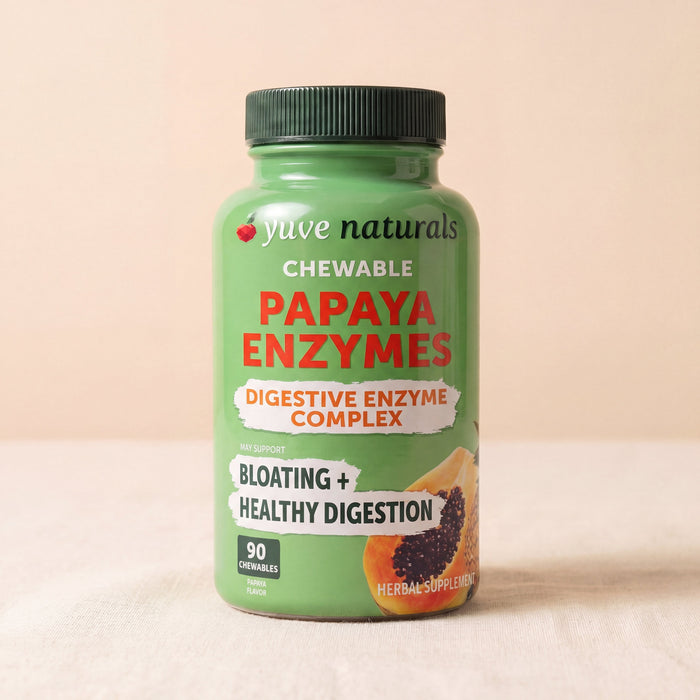
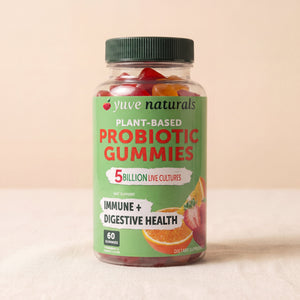
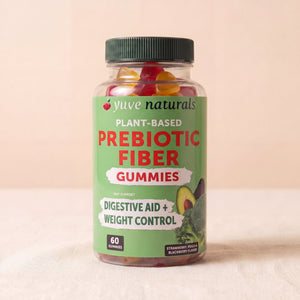
Yuve shoppers should choose the ginger format that matches the goal: food ginger for flavor, ginger tea for a warm ritual, labeled capsules for measured oral intake, and essential oil for scent or properly diluted topical use only. Yuve's digestive health collection is a better place to compare daily digestive-support formats than a household essential-oil bottle because each product page should state ingredients, serving directions, and intended use. That does not mean every person needs a product. It means oral wellness routines should start with clear labels and realistic expectations. NCBI Bookshelf's ginger root monograph notes possible interactions with warfarin, antiplatelet medications, and glucose-lowering drugs, so concentrated ginger deserves extra caution. People who are pregnant, preparing for surgery, or managing medication interactions should ask a clinician before concentrated ginger use, especially at higher exposures.
What mistakes should people avoid with ginger essential oil?
People should avoid putting undiluted ginger essential oil directly in water, under the tongue, into capsules, or on irritated skin. Oil and water do not mix evenly, so a "drop in water" can contact the mouth or throat as a concentrated droplet. People should also avoid using essential oils around infants, unsupervised children, pets, or anyone with breathing sensitivity unless the product label and a qualified professional support that use. The Royal Children's Hospital guideline on essential oil poisoning states that toxicity depends on dose and the oil ingested, which is exactly why casual dosing is risky. Another mistake is assuming natural means harmless. Ginger root can be food; ginger essential oil is a concentrated extract. Those are not interchangeable categories, even when they come from the same plant source or aroma profile.
What questions do people ask about ginger essential oil?
Is ginger essential oil the same as ginger extract?
No. Ginger essential oil is a volatile aromatic oil, while ginger extract may be a food, capsule, tincture, or standardized preparation depending on the label. Intended use matters more than the word ginger.
Can I put ginger essential oil in tea?
Do not add household essential oil to tea unless the label explicitly supports food use and a qualified professional has guided the dose. Fresh ginger slices or grated ginger are the safer tea choice.
Is "food grade" essential oil automatically safe?
No. Food-use status depends on intended use, concentration, manufacturing controls, and label directions. A substance used by food manufacturers as a flavoring is not automatically safe as a home remedy by the drop.
What should I do if someone swallows essential oil?
Use Poison Control's online tool or call 1-800-222-1222 in the United States, and call emergency services for breathing trouble, seizure, collapse, or inability to wake. Do not wait for severe symptoms.
Can ginger oil help bloating?
Evidence for ginger is mostly tied to ginger preparations, nausea research, and digestive physiology, not casual ingestion of essential oil. For bloating, safer first steps are meal pattern review, ginger tea tolerance, and medical guidance for persistent symptoms.
Can I use ginger oil on my stomach?
Only use it on intact skin after proper dilution and label review. Stop if burning, rash, cough, headache, or irritation occurs, and wash the area with soap and water.
What is the bottom line on using ginger essential oil?

Ginger essential oil is not a casual drink ingredient. The safest everyday choices are fresh ginger, ginger tea, or clearly labeled oral ginger products, while essential oil belongs in careful aromatic or diluted topical use unless a product is specifically formulated for food use. For digestive wellness, label clarity beats viral drop recipes, especially when children, pets, medications, pregnancy, or breathing sensitivity are part of the household context.
Image prompts:
- Hero image: Bright kitchen counter with fresh ginger root, ginger tea, a small closed essential-oil bottle, and a safety checklist, clean wellness editorial style, no medical props. Alt text: Fresh ginger tea and ginger essential oil beside a safety checklist.
- Inline image: Clean comparison infographic showing fresh ginger, ginger tea, ginger capsule, and ginger essential oil as separate use categories with safety notes. Alt text: Comparison of ginger root, tea, capsules, and essential oil use categories.