Meta title: Immune Support Spray Guide - How It Works, Ingredients, Gut Health Tips
Meta description: Learn what an immune support spray is, how to choose one, what propolis and elderberry do, and why gut health still matters for strong immune defenses.
That throat tickle always seems to show up at the worst time. You notice it before a workday, before travel, or right before a family gathering, and suddenly you're wondering if you're about to get knocked off track.
If you've been seeing more people talk about an immune support spray, you're not imagining it. The global seasonal immune spray market was valued at $1.8 billion in 2025 and is projected to reach $3.6 billion by 2034, showing that more people are turning to these convenient formats for fast-acting support.
Feeling a Tickle Your First Line of Defense
A lot of us have the same routine when that scratchy feeling hits. We brew tea, hunt for lozenges, drink extra water, and hope it passes by morning. Sometimes it does. Sometimes it doesn't.
That's why throat-focused wellness tools have become so popular. They feel simple, portable, and easy to use when you want support right where you're feeling the first signs.
An immune support spray fits into that moment nicely. It's not magic, and I do NOT think it should replace sleep, hydration, or good nutrition. But it can be a practical part of your routine when you want something targeted and easy to keep in a bag, desk drawer, or carry-on.
Why people like them: They're quick to use, travel-friendly, and designed for the mouth and throat rather than swallowed like a capsule.
If you're trying to build a wellness routine that feels calming instead of overwhelming, small environmental habits can help too. I like pairing practical tools with everyday supports like fresh air, sleep hygiene, and even a more restorative home setup. If that sounds like you, this guide to best indoor houseplants for well-being is a useful companion read.
You don't need a complicated system. You need a clear one.
Here's the plain-English version of what matters:
- What these sprays are and where they work
- Which ingredients are worth knowing
- What the science says
- How to use one wisely
- Why your gut still matters, even if your spray targets your throat
What Exactly Is an Immune Support Spray
Think of an immune support spray as a first-response tool for your throat. You spray it into the mouth or toward the back of the throat, where the formula coats the tissues in that area.
That makes it very different from a capsule or tablet, which has to be swallowed and processed through digestion. It's also different from a nasal spray, which is meant for the nose and sinuses.

Where it works
Most immune support sprays are designed for the mouth and throat. That's useful because those tissues are often where you first notice dryness, irritation, or that familiar “uh-oh” feeling.
Many formulas use ingredients like propolis, elderberry, or botanical extracts chosen for throat comfort and immune support. Some are sweeter and soothing. Others have a more herbal taste.
What it is not
This part matters because people get confused here.
An immune support spray is not:
- A cure-all for every cold-season problem
- A nasal decongestant for a stuffy nose
- A substitute for rest, fluids, food, or medical care
- The same thing as a general multivitamin
It's better to think of it as a targeted layer of support.
You're not using it because it does everything. You're using it because it does one job in one area very directly.
Why people choose sprays over pills
Some people hate swallowing pills. Others want something they can use quickly when they're commuting, teaching, traveling, or heading into a crowded setting.
Sprays can also feel more intuitive. If your throat is the area bothering you, applying a formula there makes sense to many people. That doesn't automatically make every spray great, but it does explain why this format has caught on.
Decoding the Ingredients Inside a Quality Spray
Labels can get busy fast. One bottle says propolis. Another says elderberry. Another adds essential oils, vitamins, minerals, or honey. If you've ever stared at the ingredient panel thinking, “Okay, but what does any of this do?” you're in good company.
The easiest way to read an immune support spray label is to group ingredients into botanicals and nutrient support ingredients.
Powerful botanicals
Propolis is one of the standout ingredients in this category. It's a bee-derived substance that bees use to help protect the hive, which is part of why it gets so much attention in immune formulas. Propolis contains over 300 beneficial compounds including flavonoids and polyphenols that support immune function, plus essential vitamins like C, B, and D, as well as iron and zinc, according to Beekeeper's Naturals' propolis research page.
In plain language, that means propolis is a chemically rich ingredient. It isn't just “one thing.” It brings a broad mix of naturally occurring compounds that help explain why formulators use it in throat sprays.
Elderberry is another common botanical. You'll often see it in liquid wellness products because it's familiar, plant-based, and easy to pair with honey or herbal blends. Some elderberry sprays are designed for on-the-go use and are sprayed into the mouth and swallowed as needed, like the elderberry immune support spray described by Mickelberry Gardens.
Vitamins and minerals
Some sprays also include supportive nutrients such as zinc or vitamin C. These are familiar to most shoppers, but the key is to look at the full formula instead of chasing a buzzword on the front label.
A strong label should make sense as a whole:
- Botanicals for targeted throat support
- Nutrients for broader immune support
- Flavoring and sweeteners that match your preferences and dietary needs
Common Immune Spray Ingredients at a Glance
| Ingredient | Primary Benefit | Typically Vegan? |
|---|---|---|
| Propolis | Throat-focused immune support and soothing | No |
| Elderberry | Plant-based antioxidant support | Usually yes |
| Honey | Soothing taste and throat comfort | No |
| Zinc | Commonly included for immune support | Usually yes |
| Vitamin C | Familiar antioxidant and immune-support nutrient | Usually yes |
| Essential oil blends | Flavor and targeted herbal feel | Often yes |
Reading labels without overthinking it
You don't need to memorize every plant compound. You just want to ask smart questions:
- What's the hero ingredient? If it's propolis, that should be clear.
- Does the formula fit your diet? Vegan shoppers need to watch for propolis and honey.
- Will you use it? Taste matters more than people admit.
If a spray tastes awful, it will end up forgotten in the cabinet. Dun, dun, dun. Wellness fail.
The Science Corner Do Immune Sprays Actually Work
This is the big question, and it deserves a straight answer. Some immune support sprays have meaningful science behind their ingredients and delivery format, but the evidence depends on the specific formula.
One important clinical example is a triple-blind, placebo-controlled study listed at ClinicalTrials.gov. The trial, NCT07246850, is evaluating whether a daily propolis throat spray can reduce the incidence and duration of sickness over 16 weeks in 206 adults working in healthcare or school settings.
What that tells us
That doesn't mean every spray on the shelf has been proven effective. It does mean at least some propolis-based throat sprays are being studied in a rigorous way, in real-world settings where people are regularly exposed to others.
What this means for you: look for products built around ingredients that are being studied in actual human use, not just trendy marketing copy.

Lab evidence on propolis formulas
A separate propolis-based oral and throat spray formulation showed 85.3% antiviral activity against SARS-CoV-2 in Vero E6 cells, with the highest efficacy at a 1:640 dilution, and that dilution delayed cytopathic effects for 54 hours in the experimental model, according to this PMC article on a propolis oral spray formulation.
That's lab evidence, not a promise about day-to-day outcomes in your own life. Still, it helps explain why propolis keeps showing up in this category.
What this means for you: a formula can have a plausible biological reason for being used, especially when it contains well-characterized compounds like polyphenols and flavonoids.
Professional trust matters too
In June 2025, IQVIA's ProVoice platform identified Beekeeper's Naturals as the #1 pediatrician-recommended brand in the children's immune support category for honey-based lollipops and throat sprays. That doesn't replace clinical data, but it does suggest healthcare professionals are paying attention to this format.
If you're comparing different delivery methods, Yuve's article on how a vitamin C spray fits into a wellness routine is a helpful companion read.
Science corner takeaway: The best-case argument for an immune support spray is targeted delivery plus ingredients with a growing research base. The weakest-case argument is buying one just because the bottle says “immune.”
How to Choose and Use Your Spray Wisely
Picking a spray shouldn't feel like decoding a secret message. A few label checks can save you from buying something that doesn't match your needs, preferences, or values.

Start with the ingredient identity
First, figure out what kind of spray you're looking at.
Some formulas are built around:
- Propolis for bee-derived throat support
- Elderberry for a plant-based option
- Herbal blends with essential oils or botanical extracts
If you're vegan or vegetarian, this step matters right away. Propolis and honey are not vegan, even though they're often used in “natural” immune products.
Check the label like a calm detective
A clean label is easier to trust. I'd look for:
- Clear active ingredients rather than vague “proprietary” language
- Dietary fit such as vegan, non-GMO, or gluten-free if those matter to you
- Simple directions you can follow
- Age guidance that isn't fuzzy or hidden
Yuve has a practical guide on how to read supplement labels if you want a sharper eye for this stuff.
Our founder, Sam, dealt with years of frustration trying to find clean, trustworthy supplements that didn't feel overhyped or hard to understand. That's a struggle a lot of wellness shoppers know well. You just want products that tell you what they are and why they're there.
Use it consistently, not randomly
For proactive support, clinical data suggests that around four sprays per day, delivering about 85 mg of propolis extract, is an effective threshold for soothing throats and supporting the immune system, based on Beekeeper's Naturals' product guidance.
That doesn't mean every brand uses the same serving size. Always follow the product's own directions.
Practical rule: Match your use to the label, not to another brand's serving size.
Here's a helpful visual walkthrough for people who like seeing products in action before buying or using them:
A few smart habits
- Use it early: Many people prefer to use a throat spray at the first sign of irritation.
- Keep it accessible: A spray buried in a cabinet won't help much.
- Watch for sensitivities: Bee products aren't right for everyone.
- Stay realistic: If symptoms feel severe or persistent, it's time to check with a healthcare professional.
The Gut-Immunity Link Why a Spray Is Just One Piece
This is the part people miss.
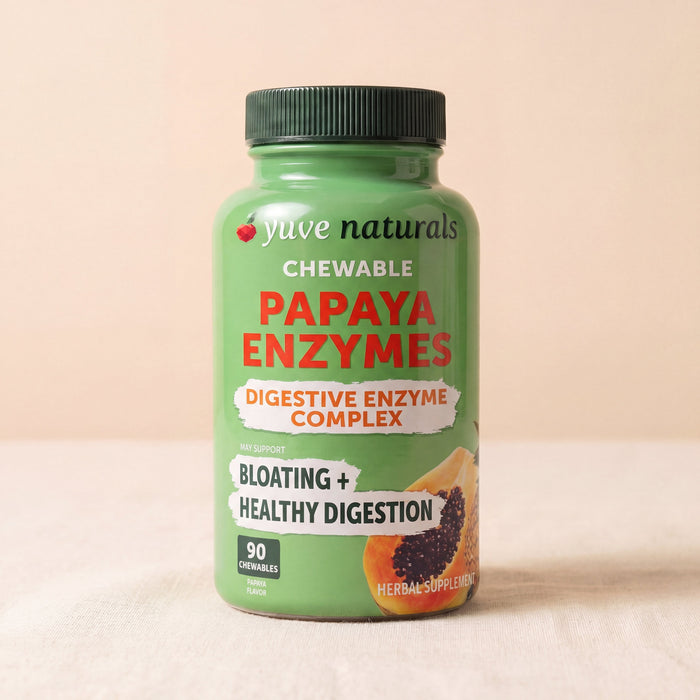
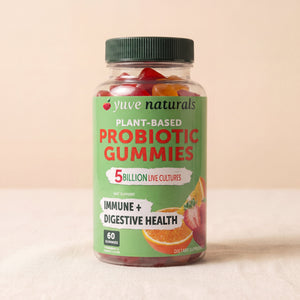
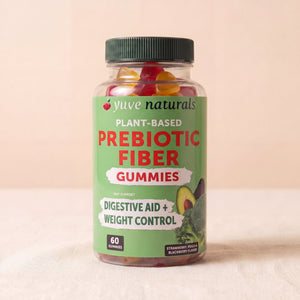
An immune support spray can be useful for the mouth and throat, but it doesn't replace the deeper work of supporting your overall immune system through everyday habits. A critical, often-overlooked point is the gut-immunity connection. Research shows that since oral sprays bypass much of the digestive process, they don't always interact with your gut microbiome, where 70% of your immune system lives, making it important to support your gut with a separate prebiotic or probiotic routine.
Targeted support versus foundational support
A spray is a targeted tool. It's there for local support.
Your gut routine is more like the foundation. It influences how supported your system feels over time through food, fiber, sleep, stress care, and gut-focused supplements when they fit your plan.

Why this matters in real life
If someone uses a throat spray but ignores digestion, regular meals, microbiome support, and recovery habits, they're only covering one part of the picture. That doesn't make the spray useless. It just means it works best inside a bigger routine.
The same idea shows up in other wellness areas too. Targeted tools can help, but they usually work best when paired with strong daily foundations. That's one reason I found this piece on BionicGym for keto workout technology interesting. It's another example of how specialized tools fit into, rather than replace, the basics.
If you want to understand that inside-out approach better, Yuve's article on probiotics with immune support is worth reading.
A throat spray can support the front door. Your gut helps support the whole house.
Your Questions About Immune Sprays Answered
Are immune sprays safe for children?
This is one of the most important questions. A common point of confusion is safety for young children, with 60% of parents unclear on dosage for toddlers, and there's a lack of clinical data for kids under 2. The safest move is to consult a pediatrician and only use products explicitly labeled as safe for your child's age group.
If a label says ages 2+ only, take that seriously.
How quickly do immune sprays work?
People often mean two different things when they ask this. Do they feel the spray in the throat quickly? Usually yes, especially if the formula is soothing. Do they create instant immune protection? No product should be treated that way.
A faster-feeling format is not the same thing as a guaranteed outcome.
Can I use an immune support spray every day?
Some products are designed for daily use, while others are used more situationally. The answer depends on the formula, the serving directions, and whether the ingredients fit your personal health needs.
If you have allergies, sensitivities, or questions about long-term use, talk with a qualified healthcare professional.
What if I want a vegan option?
You'll want to avoid sprays made with propolis or honey. Elderberry-based or herb-focused sprays may be a better fit, but always read the full label because “natural” doesn't always mean vegan.
Should I choose a spray or a pill?
It depends on your goal. If you want throat-focused support, a spray makes sense. If you want broader nutrition support, a capsule, powder, gummy, or liquid might fit better. Many people use a spray as one piece of a larger routine instead of making it their only strategy.
If you want to support immunity from more than one angle, explore Yuve for plant-based supplements designed around gut health, immune support, and everyday wellness. If you've been trying to build a routine that feels clean, simple, and sustainable, Yuve's formulas are a smart next step.