The best-supported move is to start the probiotic during the antibiotic course, ideally the same day or within 1 to 2 days, separate bacterial doses by about 2 hours, and keep going for 7 to 14 days after antibiotics end. The highest-yield strains are Saccharomyces boulardii and Lactobacillus rhamnosus GG.
That's the answer many need, and it's a lot more specific than the usual “take a probiotic after antibiotics” advice. If you've been staring at a pill bottle halfway through a Z-Pak and wondering whether to wait, you're asking the right question, because timing matters more than the slogan makes it sound. A quick check on testing for antibiotic sensitivity can also help you understand whether the antibiotic itself is the bigger issue if you keep reacting badly to these meds.
Why Most Probiotic After Antibiotics Advice Misses the Point
The common advice sounds simple, finish the antibiotics, then take a probiotic to “fix” your gut. I do not think that's the cleanest way to think about it, because the evidence points to a timing-and-strain question, not a one-size-fits-all gut repair ritual.
If you're midway through an antibiotic and your stomach is already acting dramatic, the useful question isn't, “Should I start later?” It's, “Which probiotic, when, and for how long?” The best-supported strategy starts during treatment, not after the fact, and it's tied to preventing antibiotic-associated diarrhea more than magically rebuilding your microbiome overnight. A clinician resource from ISAPP also notes that studies commonly continue probiotics for 7 to 14 days after antibiotics end, while the clearest benefit is diarrhea prevention rather than complete microbiome restoration.
Practical rule: If the goal is fewer bathroom emergencies, timing matters. If the goal is a fully restored microbiome, probiotics alone are not a guaranteed fix.
That distinction matters because a probiotic after antibiotics is often sold as a gut reset button. The more accurate version is narrower and more useful. You're picking a specific strain, starting at a specific time, and setting expectations around symptom support, not perfection.
I also think people get tripped up by the word “after.” In real life, the highest-yield plan usually begins before the antibiotic bottle is empty, and then carries through briefly afterward. That's why the rest of this guide focuses on a workflow you can follow instead of vague gut-health folklore.
What the Research Actually Says About Timing

The strongest modern evidence doesn't treat “during” and “after” as the same thing. A 2024 review summarized 15 randomized controlled trials with 7,427 adults and found probiotics lowered the risk of antibiotic-associated diarrhea with a relative risk of 0.6 (95% CI: 0.43 to 0.82), while also noting that starting them within two days of antibiotic initiation looked more effective than starting later. In plain English, that means the benefit is real, but you need to be early.
The earlier 2021 updated meta-analysis in the Journal of Clinical Gastroenterology found a 38% reduction in antibiotic-associated diarrhea overall, with a pooled relative risk of 0.62 (95% CI: 0.51 to 0.74). It also concluded that starting probiotics as early as possible during antibiotic therapy had a positive and safe effect, and use within 2 days of starting antibiotics significantly reduced diarrhea in adults. That is the opposite of the lazy “finish antibiotics first” advice.
Harvard Health also highlights the caution side of this story, saying current evidence does not prove probiotics restore the microbiome to its exact pre-antibiotic state, and that close timing with antibiotics could slow recovery in some cases. A 2024 Nature Reviews paper reached the same basic reality check, current evidence does not support returning the microbiota to its pre-antibiotic state.
The gut often recovers close to baseline over time, but not every study likes the same answer. A 2018 human study found that probiotics started after antibiotics could delay microbiome recovery in healthy adults, which is why timing and strain selection matter so much. If you want the deeper review of how probiotics behave in recovery timelines, the piece on how long probiotics take to work is a useful companion read.
A probiotic after antibiotics can help with diarrhea prevention, but it is not a guarantee of microbiome restoration, and it's not all about taking it at the end.
The practical takeaway is pretty blunt. If your goal is to reduce the odds of antibiotic-associated diarrhea, start early. If your goal is to “repair” the gut in a dramatic, total way, the evidence doesn't support that story.
A Practical Workflow You Can Actually Follow

The simple timing rule
Start the probiotic the same day you start antibiotics, or within 1 to 2 days if that's what's realistic. For bacterial probiotics, separate the doses by about 2 hours so the antibiotic doesn't immediately knock down the incoming bacteria. That spacing is a practical move, not a magic trick, but it's the cleanest way to reduce inactivation risk.
If you take an antibiotic at 8 a.m., a probiotic at 10 a.m. is a tidy example. If your schedule is messier, the goal is still the same, don't stack them back-to-back unless you're using a yeast probiotic such as Saccharomyces boulardii, which isn't affected by antibiotics in the same way.
What to do after the last pill
Keep the probiotic going for 7 to 14 days after the antibiotic course ends. That window shows up repeatedly in clinician guidance and is long enough to support the transition without pretending probiotics are a permanent gut restoration tool. I also like that it gives people a clear stopping point, because “forever” is how simple plans become annoying plans.
A useful external guide on timing probiotic supplements for gut health can help if you're trying to build a daily routine around food, medications, and sleep without turning your kitchen counter into a supplement shelf.
What to look for on the label
Skip the generic “high potency” hype and look for these basics instead.
- Strain names printed clearly: You want exact strain identification, not just “probiotic blend.”
- Dosing that matches the use case: Many clinician summaries point to 5 to 40 billion CFU per day as the most consistently useful range.
- Yeast versus bacteria labeled candidly: Saccharomyces behaves differently from bacterial strains, and that matters for timing.
- Expiration-based potency: A label should tell you what's guaranteed at the end of shelf life, not just at manufacture.
Best workflow: Start early, separate bacterial doses, continue briefly after, and don't confuse a label full of big CFU numbers with a product that's actually well designed.
Choosing the Right Strain for the Job
Not all probiotics deserve the same confidence around antibiotics. If you want the shortest honest version, Saccharomyces boulardii is the yeast strain I'd reach for first, and Lactobacillus rhamnosus GG is the bacterial strain with the best practical track record. Everything else should be judged more carefully.
Strain Comparison for Use Around Antibiotics
| Strain | Type | Evidence Strength | Best Used For | Notes |
|---|---|---|---|---|
| Saccharomyces boulardii | Yeast | Strong practical support in clinician guidance | Diarrhea prevention during antibiotic use | Not affected by antibiotics, so dose timing is more flexible |
| Lactobacillus rhamnosus GG | Bacterial | Well-studied in adults and children | Reducing antibiotic-associated diarrhea | Separate from antibiotic doses by about 2 hours |
| Bifidobacterium-containing blends | Bacterial | Mixed, strain-dependent | General gut support | More strains is not automatically better |
| Multi-strain formulas | Mixed | Variable | Some people prefer them for convenience | Quality depends on exact strains, not marketing language |
A 2017 meta-analysis summarized in a later review found probiotics taken with antibiotics reduced the risk of antibiotic-associated diarrhea by 51%, but the effect was strongest for specific strains, not probiotics in general. That's the part most shoppers miss. A bottle that says “advanced blend” is not the same thing as a product built around a studied strain.
If you want a deeper dive into one of the commonly used bacterial families, the overview on Bifidobacterium longum probiotics is worth a read. Just keep the bigger point in mind, the evidence is still strain-specific, and more names on the label do not automatically mean better results.
Dosing is also more grounded than social media makes it seem. The clearest guidance points to 5 to 40 billion CFU per day as the most consistently effective band, with the right strain mattering more than trying to brute-force results with huge numbers. If a formula doesn't clearly name the strain, I'd pass.
How to Pick a Vegan Probiotic Worth Buying
If you want a vegan probiotic, your checklist should be boring in the best way. You're not hunting for the fanciest label, you're checking whether the product is built to do the job you want.
The four checks I'd use first
- CFU at expiration, not manufacture. If the bottle only braggs about CFU at the time of production, that's less useful than a clear end-of-shelf-life guarantee.
- Strain names spelled out clearly. “Probiotic blend” is too vague. You want the exact organisms listed in plain English.
- Third-party testing. Look for evidence of outside quality checks such as USP or NSF.
- Vegan-friendly certifications. For strict plant-based shoppers, non-GMO, gluten-free, and gelatin-free labels reduce guesswork.
If you're scanning shelves quickly, the product should answer three questions fast, what's in it, how much is in it, and whether it survives until you take it. Anything that hides behind a proprietary blend deserves skepticism.
The biggest traps are easy to spot once you know them. Refrigerated-only strains without clear shipping support can be a headache. Proprietary blends can also bury low doses, which is annoying when you're buying a supplement for a specific reason rather than just collecting wellness points.
For a more shopper-friendly breakdown of plant-based options, the guide on best probiotics for vegans pairs well with this checklist.

If a vegan probiotic can't show the strain, the dose, and the quality checks, I'd keep walking.
Adult and Pediatric Regimens Plus When to Stop
For adults, the default playbook is simple. Use Saccharomyces boulardii or Lactobacillus rhamnosus GG, start within 1 to 2 days of the antibiotic, separate bacterial doses by about 2 hours, and continue for 7 to 14 days after the antibiotic course ends. That's the version that best matches the evidence and actual experience.
For children, I'd be more careful and more strain-aware. The pediatric data support the same general timing idea, but the CFU target should be lower, and kids under three or children on multiple medications deserve clinician guidance before you start anything new. That's not me being cautious for sport, that's just good sense with smaller bodies and more moving parts.
Stop the probiotic and call a clinician if you see
- Rash or allergic-type symptoms: Don't try to “push through” a reaction.
- Persistent fever: That's not a normal probiotic adjustment issue.
- Worsening diarrhea beyond 48 hours: The supplement isn't doing its job, and something else may be going on.
- Any sign of bloodstream infection risk in immunocompromised people: This is not the time for self-experimenting.
There's also a realistic recovery timeline to keep in mind. For many healthy people, the microbiome gets close to baseline within about 2 to 8 weeks after antibiotics, so the long game is mostly about time, fiber, sleep, and stress management, not expecting one capsule to rebuild everything. That's where people get disappointed, they ask a probiotic to do the work of an entire recovery routine.
A good mental model is this, probiotics help manage the post-antibiotic transition, but they don't replace the basics. If your meals are low in fiber, your sleep is a mess, and your stress is running hot, the probiotic is rowing against the current.
Your Quick-Reference Checklist and Smart Next Step
- Start early: within 1 to 2 days of the antibiotic.
- Separate bacterial doses: about 2 hours from the antibiotic.
- Continue briefly after: 7 to 14 days after the course ends.
- Choose first-line strains: Saccharomyces boulardii or Lactobacillus rhamnosus GG.
- Stay in the practical CFU range: 5 to 40 billion CFU per day.
- Check vegan quality markers: third-party testing, gelatin-free, non-GMO, and clear strain labeling.
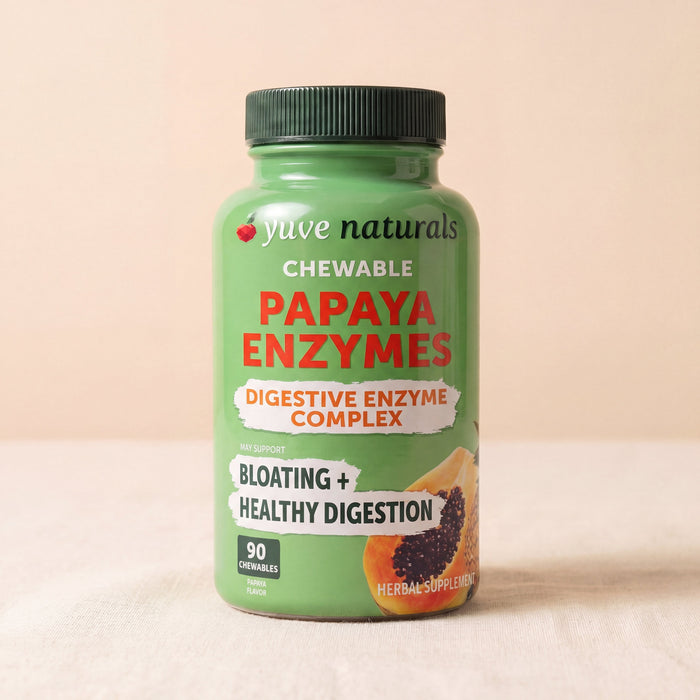
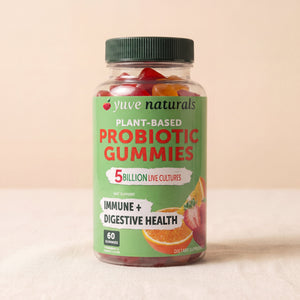
If your gut needs more support after antibiotics, a clean vegan routine with a quality probiotic and Yuve’s gut-health products can fit that goal well. If you're also trying to meet daily fibre goals, pair that with smart digestion habits so you're not relying on one capsule to do everything.
If you want a gut-health routine that's practical, plant-based, and built around real timing instead of vague supplement folklore, visit Yuve and explore products that fit life during and after antibiotics. Share this guide with anyone currently on an antibiotic, and if you've already tried a probiotic after antibiotics, tell us what helped, because the useful stuff is always in the details.