Meta title: Pure Peppermint Oil Benefits and Safe Use Guide 2026
Meta description: Learn what pure peppermint oil is, how it may help IBS-related bloating, how to use it safely, and how to spot quality oils with confidence.
Bloating can make a totally normal day feel weirdly hard. You eat lunch, try to move on with life, and suddenly your stomach feels tight, gassy, and out of sync.
A lot of people end up searching for something natural that feels simple, fast, and useful. Pure peppermint oil comes up for good reason. It has a long history in digestive support, but it's also one of those ingredients that gets hyped, misunderstood, and sometimes used in unsafe ways. That combo can get frustrating fast.
That Awkward Bloat Is Back and You Need Relief Now
You know the feeling. Breakfast was fine. Lunch seemed harmless. Then by midafternoon, your waistband feels hostile and your belly has that puffy, pressurized feeling that makes sitting at your desk extremely annoying.
I've talked with so many people who say the same thing in different words: "I'm trying to eat well, so why do I still feel like a balloon?" That's the hard part about bloating. It doesn't always show up because you "messed up." Sometimes it's stress, sometimes it's meal timing, sometimes it's IBS, and sometimes it's a combination that makes your gut feel like it has its own personality.
One person I think about often is the reader who keeps a stash of loose pants at home because dinner out can be such a gamble. She's not dramatic. She's just tired of second-guessing every meal. If that sounds like you, you're in good company.
A gentle place to start is noticing patterns, not blaming yourself. If fruit tends to be a trigger, this practical IBS-friendly fruit guide can help you sort through which choices may feel easier on your system.
For immediate reading on broader options, Yuve also has a helpful post on natural remedies for bloating.
Small reality check: Bloating relief usually isn't one magic fix. It's more like building a toolkit.
Peppermint oil can be part of that toolkit. The key is knowing what kind of peppermint oil you're looking at, what it's good for, and how to use it without making your symptoms worse. That's where a lot of online advice goes sideways.
What Exactly Is Pure Peppermint Oil
Pure peppermint oil is the concentrated oil distilled from the leaves and flowering parts of the peppermint plant, Mentha piperita. For gut support, that definition matters more than it sounds like it should. A bottle can smell minty and still be the wrong product.
The simplest way to understand it is this. Pure peppermint essential oil is the plant's concentrated chemical fingerprint. Steam distillation pulls out volatile compounds from the plant, then separates the oil from the water. What ends up in the bottle is a very potent mixture of naturally occurring compounds, including menthol, menthone, and menthyl acetate.

That is different from a peppermint fragrance oil, a flavored extract, or a candy-style mint product. Those can all smell similar. They are made for very different jobs.
Pure oil versus lookalikes
Fragrance oil is built for scent. It may contain synthetic aroma chemicals, carrier ingredients, or blends that mimic peppermint without coming mainly from Mentha piperita. Fine for a candle. Not what you want if you are trying to evaluate an oil for topical use, aromatherapy, or a product marketed for digestive support.
Peppermint extract is another common point of confusion. Extracts are usually made for food use and are often diluted in alcohol. They belong in baking, not in the same category as an essential oil.
Here is the useful consumer shortcut. If two bottles both say "peppermint" but one lists Mentha piperita and the other says "fragrance," "aroma oil," or gives no botanical name at all, you are not comparing equals. One is a plant distillate. The other may be a peppermint-scented product.
What "pure" should mean on a label
"Pure" is not a magic word. Brands can use it loosely, which is why savvy shopping matters.
A better test is to look for a few concrete signals:
- Botanical name. The label should list Mentha piperita.
- Extraction method. Steam distilled is the common method for peppermint essential oil.
- Ingredient clarity. A single-ingredient listing is much easier to assess than vague wording like "mint blend."
- Testing transparency. Serious brands often provide batch-specific GC/MS reports or at least mention third-party testing.
GC/MS can sound intimidating, but the idea is simple. It is a lab test that breaks the oil into its main chemical parts, almost like seeing the ingredient cast list behind the scent. That matters because peppermint oil should have a recognizable pattern. If the profile is far outside the expected range, the oil may be diluted, oxidized, or mixed with cheaper materials.
Why this matters if your gut is already sensitive
If you are dealing with bloating, cramping, or a stomach that seems to protest everything, quality is not a minor detail. It affects how predictable the product is.
An adulterated or heavily oxidized oil may smell harsh, irritate skin more easily, or leave you wondering why one bottle feels completely different from the last. Pure oil does not guarantee that peppermint is right for you, but it does give you a clearer starting point. That is a big deal when you are trying to build a gut-relief toolkit without wasting money on products that only look convincing on the front label.
The Science-Backed Benefits of Peppermint Oil
Peppermint gets talked about for everything from focus to headaches, but digestive support is where the strongest evidence sits.
The most meaningful clinical use is IBS symptom relief. According to the U.S. National Center for Complementary and Integrative Health, a 2022 review of 10 studies involving 1,030 participants found peppermint oil was better than placebo at improving overall IBS symptoms and reducing abdominal pain, though it also caused more side effects than placebo, mostly mild issues such as acid reflux and indigestion, as explained by NCCIH's peppermint oil overview.
What that means for you is simple. If your bloating comes with cramping, abdominal discomfort, or the stop-start chaos that often shows up with IBS, peppermint oil isn't just folk wisdom. It has a measurable evidence base.

Why it may help a cranky gut
Peppermint oil is often discussed as helping relax the smooth muscle of the digestive tract. In everyday terms, that means it may calm some of the spasms that can feel like cramping, pressure, and "why is my stomach doing this right now?"
That doesn't mean it's a cure-all.
Peppermint oil makes the most sense when the problem feels like gut discomfort and spasm, not when you're treating every digestive symptom as if it's the same thing.
Benefits that are better supported versus benefits that are overhyped
Let's separate the solid from the stretchy.
| Use | What the evidence suggests |
|---|---|
| IBS symptoms | Best supported use. This is where the clearest clinical evidence exists. |
| Abdominal pain with IBS | Supported alongside IBS symptom improvement. |
| Other health conditions | Evidence is not strong enough to draw firm conclusions. |
That last row matters. A lot of content online treats peppermint oil like a universal fix. I don't think that's helpful. If you're using it for gut support, keep your expectations focused on the digestive lane where evidence is strongest.
The practical takeaway
If bloating is part of a bigger IBS picture, peppermint oil may be worth discussing with your healthcare provider. If your bloating is tied more to food intolerances, constipation, overeating, or swallowing lots of air, peppermint oil may still feel soothing for some people, but the science is strongest for IBS-related symptoms.
That distinction helps you choose wisely instead of just collecting random wellness products.
How to Use Peppermint Oil Safely and Effectively
Misuse often stems from its potency. Pure peppermint oil is highly concentrated, so more is not better.
The safest way to think about it is by category: inhaled, topical, and internal. Each one has a different risk-benefit profile.

Aromatherapy and direct inhalation
For many people, inhalation is the easiest place to start. A diffuser can give you the scent without putting concentrated oil directly on your skin or in your stomach.
Some people like peppermint in a room spray or calming home ritual rather than as a body product. If that sounds more your speed, a peppermint-containing smudge spray for calm and balance shows how the scent can be part of a grounding routine rather than only a digestive one.
A few practical rules help:
- Start low - Use a small amount in a diffuser and see how you feel.
- Keep airflow in mind - Strong mint aroma can feel like too much in a tiny room.
- Stop if it irritates - If your eyes, nose, or head don't like it, that's your answer.
If you're curious about blending peppermint with other oils for the air or a DIY roll-on, this Yuve post on essential oil recipe ideas gives beginner-friendly inspiration.
A quick visual walk-through can also help:
Topical use on skin
Peppermint oil should not go straight from bottle to skin. That cooling feeling can fool people into thinking it's gentle. It isn't.
Use a carrier oil such as jojoba or coconut oil first. Then patch test on a small area of skin before using more broadly.
Practical rule: If a product makes your skin sting, burn, or stay red, stop using it. "Cooling" should not feel like punishment.
Topical use is most often about the sensory experience. Some people massage a diluted blend onto the temples or onto the abdomen for a soothing ritual. Just keep it away from eyes, mucous membranes, and broken skin.
Internal use for digestive support
This is the category that needs the most caution. Do not swallow undiluted peppermint essential oil straight from the bottle.
For IBS, studies often use enteric-coated capsules containing 180 to 225 mg of peppermint oil, taken three times a day, and the coating matters because it helps the oil pass through the stomach and release in the intestines, reducing heartburn risk, as described in this review of peppermint oil use in IBS.
That enteric coating is a big deal. Without it, peppermint can be more likely to aggravate reflux or upper GI irritation.
Here are the essentials:
- Choose the right format - Internal use should be a product specifically designed for that purpose.
- Watch your symptoms - If reflux is already an issue, be extra careful.
- Ask for guidance - A clinician can help you decide whether it fits your symptoms.
A lot of people want one quick fix for bloating. Real gut support usually works better when you pair symptom relief with basic digestive habits like slower eating, regular meals, and paying attention to your triggers.
How to Choose a High-Quality Peppermint Oil
You grab a bottle because your stomach feels puffy again, the label says "pure," and the price looks good. Then you get home and realize you still do not know what is in that bottle.
That is the problem with peppermint oil shopping. The word "pure" gets used loosely, and a pretty label can hide very ordinary quality. A better approach is to shop like you would for olive oil or honey. You want to know the plant, how it was processed, and whether anyone checked that it matches the label.

Start with the identity of the oil
Read the bottle like a fact sheet, not an ad.
A trustworthy label should tell you the botanical name, which for peppermint is Mentha piperita. It should also clearly state that the bottle contains essential oil, not a scented blend or fragrance oil. Dark glass matters too, because light can slowly degrade aromatic compounds.
Good brands usually go a step further. They tell you where the peppermint was grown, how it was extracted, and whether the batch was tested. That kind of transparency helps you make smarter choices. If you appreciate that style of disclosure, pages like Fillaree's overview of our natural ingredients show the level of clarity many shoppers are looking for.
GC/MS, translated into plain English
GC/MS sounds technical because it is. But the idea is simple.
It is a lab report that maps the oil's chemical profile, almost like a fingerprint. For peppermint oil, that profile should look like peppermint, not a cheaper oil spiked with synthetic menthol or diluted with fillers. You do not need to memorize compound names to use this information well. You just want proof that the company tested the batch and is willing to show the results or explain them clearly.
If a brand offers a GC/MS report, look for a few basic signs. The report should match the product batch, come from a third-party lab, and show a believable range of peppermint constituents rather than a vague "passed quality check" statement. If the company cannot explain what its testing means in normal language, that is useful information too.
Red flags that save you time
Some warning signs are easy to spot once you know what to look for.
| Red flag | Why it matters |
|---|---|
| "Peppermint fragrance oil" | Fragrance oil is not the same as peppermint essential oil. |
| No botanical name | You cannot confirm which plant the oil came from. |
| No batch testing or GC/MS info | There is no clear way to verify purity or consistency. |
| Very vague wording like "therapeutic grade" with no details | Marketing language is not the same as evidence. |
Price can be a clue, but not the whole story. An ultra-cheap bottle may be diluted or poorly sourced, yet the most expensive bottle is not automatically better. Look for identity, testing, and clear sourcing first.
If you like comparing labels across oils, this guide to pure lavender oil is useful because many of the same quality clues apply.
Good peppermint oil should earn your trust on paper before you ever open the cap.
Storing Your Oil and Simple DIY Recipes
Once you've bought a good bottle, protect it. Pure peppermint oil doesn't love heat, light, or sloppy storage.
Keep it in its original dark glass bottle, close the cap tightly, and store it somewhere cool and dry. A cabinet works better than a sunny bathroom shelf or windowsill. If the aroma changes noticeably or smells dull, harsh, or off, it's smart to question whether the oil is still in good shape.
Easy ways to use it at home
You don't need a complicated wellness routine.
- Workday diffuser reset - Add a few drops to a diffuser when your brain feels foggy and the room feels stale.
- Simple temple roller - Add a small amount of peppermint oil to a roller bottle and fill the rest with jojoba oil. Use lightly on the temples after patch testing.
- Gentler tea option - Brew peppermint leaves as tea when you want a milder, more hydrating option than essential oil.
A mug of peppermint tea is often the better starting point for sensitive people. It gives you the peppermint experience in a much less intense form.
A note on DIY restraint
Peppermint oil is one of those ingredients that's more pleasant when you respect its strength. Start with less than you think you need. You can always add more next time. It's much harder to undo an overpowered blend.
Your Peppermint Oil Questions Answered
A few questions come up again and again, especially when people are trying to use peppermint oil for digestion without making things worse.
Common Questions About Peppermint Oil
| Question | Answer |
|---|---|
| Can I swallow pure peppermint oil directly from the bottle? | No. Internal use needs extra caution, and the studied IBS format uses enteric-coated capsules rather than straight oil. |
| Is peppermint oil the same as peppermint extract or flavoring? | No. Essential oil is a concentrated oil from the plant. Extracts and flavorings are different products with different uses. |
| Can I put pure peppermint oil straight on my skin? | It's better to dilute it first with a carrier oil and patch test. Direct application can irritate skin. |
| Is peppermint oil a sunscreen? | No. One in-vitro result reported an SPF around 6.6, but that's far too low for reliable sun protection and the effect drops as the volatile oil evaporates, as summarized by SPF List's peppermint oil page. |
| Is peppermint oil safe around kids or pets? | Extra caution is wise. Because essential oils are concentrated, it's best to check with a qualified professional before using them around children or animals. |
| What if peppermint seems to worsen my reflux? | Stop and reassess. Some people find mint aggravates upper digestive symptoms, especially if reflux is already part of the picture. |
The biggest myth to drop
Natural doesn't automatically mean gentle, and it definitely doesn't mean risk-free.
Peppermint oil can be useful. It can also be irritating, overused, or chosen for the wrong reason. The win is using it with judgment, not treating it like a cure-all.
If your bloating keeps showing up, wakes you up, comes with significant pain, or changes your eating patterns because you're scared to eat, that deserves real medical attention. Peppermint oil can be one helpful tool, but it shouldn't carry the full weight of your gut-health plan.
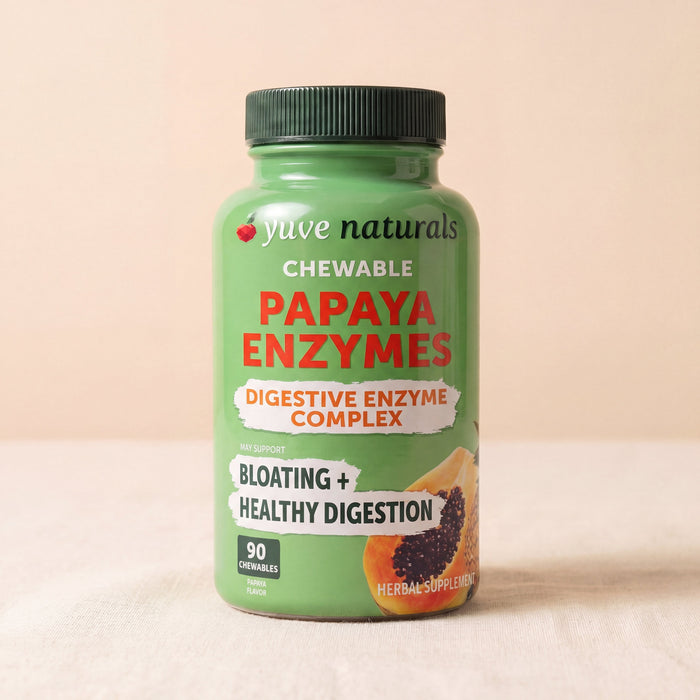
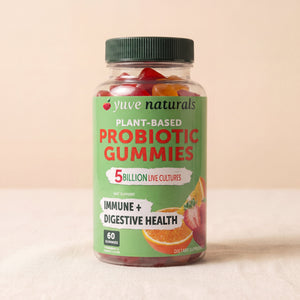
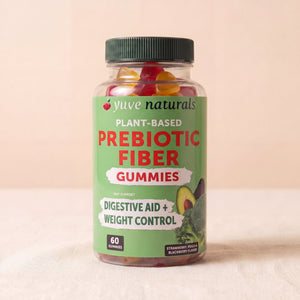
If you're building a smarter digestive routine, Yuve offers vegan, gut-focused supplements designed to support everyday wellness with clean, plant-based formulas. If bloating and digestive discomfort keep interrupting your day, Yuve is a practical next step to explore.