So, you're looking into red yeast rice for managing cholesterol, thinking a natural supplement might be a gentler path. That makes perfect sense. We've all been there, searching for plant-based options to support our health goals, and it’s so easy to assume that "natural" automatically means "safe."
But with red yeast rice, the reality is a bit more complicated, and I want to be straight with you. It’s not your typical herbal supplement. The most common side effects of red yeast rice are things like muscle pain and digestive upset—surprisingly similar to prescription statins. And dun, dun, dun—in rare cases, the risks are even more serious, including potential liver and kidney damage. Yikes!
Is Red Yeast Rice Safe to Take for Cholesterol?
When you’re exploring alternatives to prescription drugs, you deserve clear, straightforward information. Let’s have an honest conversation about what red yeast rice is and how it works, without all the confusing medical jargon. Think of this as a friendly guide to help you understand the whole picture, so you can make a choice that feels right for you.
The truth is, red yeast rice contains a compound that is chemically identical to the active ingredient in a prescription statin. This is what makes it effective for lowering cholesterol, but it's also where all the risks come from. It’s not just a simple herb; it's a supplement that acts like a drug.
We want you to feel confident and informed about your health choices. In this guide, we'll walk through exactly what you need to know:
- We'll cover the common side effects and what they actually feel like.
- You'll learn why red yeast rice works so much like a prescription medication.
- We'll pinpoint who needs to be especially careful and avoid it altogether.
- Finally, we’ll explore some safer, gentler alternatives for supporting your heart health.
Making the right decision for your body can feel overwhelming, and that’s a journey we understand deeply. Our founder, Sam, was inspired by his own health challenges to create solutions that are clear, safe, and effective. We’re here to give you the facts so you can move forward with confidence. Let's get started.
The Most Common Red Yeast Rice Side Effects

You decided to try red yeast rice to support your cholesterol levels, which is a proactive step for your health. But after a few weeks, you might start noticing some unwelcome changes. Is it just a coincidence, or could the new supplement be the cause of that persistent muscle ache or that annoying bloat?
While some people use red yeast rice without issue, it's crucial to understand that side effects are relatively common. Most of the complaints we hear fall into two main categories: muscle-related pain and digestive distress.
Common Red Yeast Rice Side Effects At a Glance
Before we dive into the details, here's a quick summary of the most frequently reported side effects and what they can feel like in your day-to-day life.
| Side Effect Category | Common Symptoms | What It Feels Like |
|---|---|---|
| Muscle Issues | Myalgia, weakness | A deep, persistent ache (not like post-gym soreness), heavy-feeling limbs, or general fatigue. |
| Digestive Issues | Nausea, gas, bloating, cramps | An upset or sour stomach, uncomfortable pressure, heartburn, or feeling gassy and bloated. |
Recognizing these symptoms early is the first step in figuring out if red yeast rice is a good fit for your body.
Muscle Aches and Pains
One of the most well-documented side effects of red yeast rice is muscle pain, clinically known as myalgia. This isn't the satisfying ache you get after a good workout; it's often described as a deep, nagging pain, tenderness, or weakness that just won't go away.
For some, this might be a low-grade annoyance. For others, the pain can become severe enough to get in the way of normal activities. You might feel like you have flu-like body aches or find your legs feel unusually heavy just walking up the stairs. This reaction happens because the active compounds in red yeast rice can affect muscle cells in the same way prescription statins do—a connection we'll explore in more detail soon.
Unhappy Gut Reactions
Just as common as muscle pain are digestive issues. It's incredibly frustrating when a supplement you're taking to improve your health ends up making you feel worse, especially when it comes to your gut. We get it.
These gastrointestinal side effects often include:
- Heartburn or a burning sensation in your chest
- Uncomfortable gas and bloating
- Stomach cramps or general abdominal pain
- Nausea
Many people describe it as their stomach feeling distended or like a balloon by the end of the day. If you're experiencing this, you're not imagining things. These are known reactions as your body struggles to process the supplement.
A Quick Note on Gut Health: Your digestive system is central to your overall well-being. Any supplement that consistently causes irritation is sending a clear signal that something is off. True wellness shouldn't come with a side of daily discomfort.
These issues are more than just stories. A formal analysis of adverse reactions reported over a 13-year period logged numerous official complaints about red yeast rice. The reports included 19 cases of muscle pain and 12 cases of gastrointestinal reactions. What's truly concerning is that 27% of these cases were serious enough to require hospitalization. You can review the complete findings of this health and safety analysis to see the data for yourself.
It is absolutely essential to listen to your body. These "common" side effects are your first indication that red yeast rice might not be right for you, and in some cases, they can be a warning sign of more serious problems ahead.
Why Red Yeast Rice Acts Like a Prescription Statin
We’ve covered the frustrating muscle aches and digestive upset that can show up when you take red yeast rice. But to truly understand these reactions, we need to look under the hood at what’s actually happening inside your body.
Getting to the bottom of this is key to making an informed choice for your health.
The answer lies in a specific, powerful compound found in red yeast rice called monacolin K. And here’s the crucial detail that often gets buried in the fine print: monacolin K is the exact same chemical substance as lovastatin, a widely prescribed statin drug.
The Statin Connection Explained
This isn't just a close comparison; it's a chemical fact. When you take red yeast rice, you're essentially taking a dose of a statin, just one that happens to be sold over the counter.
Both monacolin K and lovastatin work in the exact same way. They go to your liver and block an enzyme called HMG-CoA reductase. Think of this enzyme as the master control switch for your body’s cholesterol production line. By flipping that switch off, you produce less cholesterol.
This is precisely why red yeast rice can effectively lower cholesterol numbers. It's also exactly why it carries the same potential side effects as prescription statins—from the muscle pain and digestive issues we talked about to more serious risks like stress on the liver.
It's a critical point to internalize: the word "natural" doesn't automatically mean gentle or side-effect-free. In this case, "natural" simply means you're consuming a drug-like substance without the dosage consistency, purity checks, or medical supervision that a prescription provides.
An Unregulated Dose of a Potent Compound
This is where things get even more complicated. Because supplements aren't regulated by the FDA in the same way medications are, the amount of monacolin K can vary wildly from one bottle to the next, even within the same brand.
One batch might have so little that it’s ineffective. The next could contain a high, drug-level dose, significantly raising your risk of side effects. Independent lab tests have repeatedly found that the actual content is dramatically different from what the label suggests—if the amount is even listed at all.
You're left guessing how much of this potent, drug-like compound you're actually taking. This lack of control and consistency is a major safety concern.
As our founder, Sam, found out on his own health journey, you can't build a solid foundation on uncertainty. He often says, "True wellness requires consistency and trust." It's why at Yuve, every product is formulated with clean, reliable ingredients you can count on, without any hidden drug-like compounds. We believe in supporting the body's natural systems gently and effectively.
Instead of taking a gamble on a product like red yeast rice, a much safer and more sustainable approach is to focus on foundational health. Supporting a robust gut microbiome and ensuring your body has the core nutrients it needs can help maintain heart health from the ground up.
Serious Risks Like Liver Damage and Muscle Breakdown
Alright, we've covered the more common muscle and stomach issues. Now, it's time for a more serious talk. While rare, some side effects of red yeast rice can be severe—even life-threatening. This isn't about fear-mongering; it's about being fully informed so you can make the safest choice for your health.
The two biggest concerns here are liver injury (hepatotoxicity) and severe muscle breakdown (rhabdomyolysis). Why? Because red yeast rice contains monacolin K, which is biologically identical to the active ingredient in the prescription drug lovastatin. That means it carries the same potential for serious complications.
This visual breaks down that core connection.
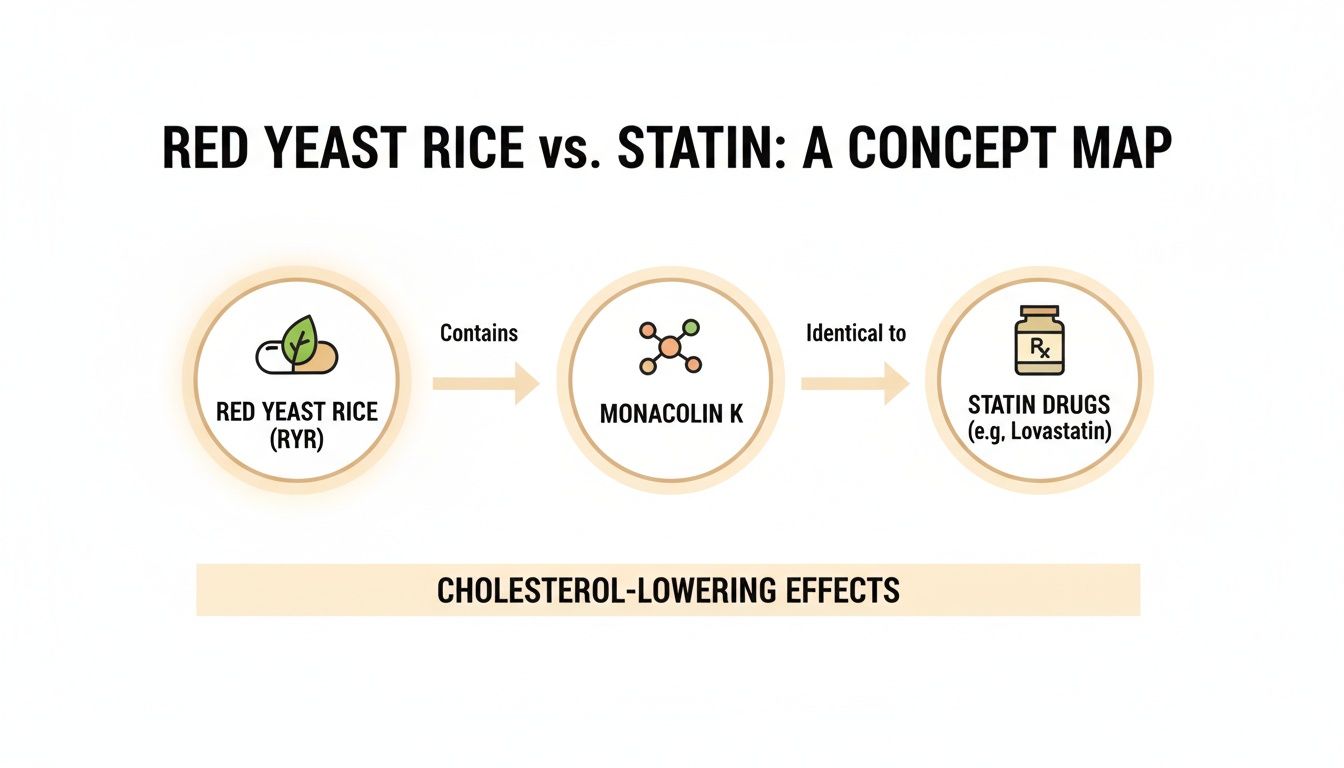
As you can see, both red yeast rice and a statin deliver the same compound to your body. That’s why their risk profiles overlap so closely.
The Danger of Liver Damage
Here’s the tricky part about liver damage: it often starts silently. You might not feel anything at all in the beginning. But over time, your body may start sending out warning signals that your liver is in distress.
Be on high alert for these red flags:
- Unexplained, persistent fatigue that won't go away
- Dark, tea-colored urine
- Yellowing of your skin or the whites of your eyes, known as jaundice
- Pain or tenderness in your upper right abdomen, right where your liver is
Think of these symptoms as your body's emergency alert system. If they appear, it's a non-negotiable sign to stop taking the supplement and call your doctor right away.
Science Corner: The Evidence on Liver Issues
While liver-related problems aren't the most common side effect reported, their potential severity is what's truly concerning. What does this mean for you? It means that even though the risk is low, the consequences can be serious.
One analysis of reported adverse events found that liver issues made up 3% of all cases. Though the overall number was low, some of these involved severe hepatitis. You can read through the documented cases to see the clinical evidence for yourself.
Rhabdomyolysis: A Critical Muscle Condition
Beyond the typical aches and pains, there’s a much more dangerous condition called rhabdomyolysis. It’s a rare but extreme reaction where muscle tissue essentially dies off, releasing its contents into your bloodstream.
This sudden flood of muscle protein can overwhelm your kidneys, causing severe damage and even acute kidney failure. It is a true medical emergency.
The number one warning sign of rhabdomyolysis is severe, debilitating muscle pain that goes far beyond normal soreness. It often comes with extreme weakness and dark, reddish-brown urine. If you experience this, you need to seek emergency medical care.
Case reports in medical journals tell harrowing stories. There are documented instances of people developing rhabdomyolysis after taking red yeast rice supplements, landing them in the hospital for intensive treatment to save their kidneys from permanent damage.
Why Medical Supervision Is Not Optional
The real gamble with red yeast rice is its unpredictability. Because it's a supplement, the monacolin K content is unregulated. One bottle might have very little, while the next could have a dose equivalent to a prescription drug. You just don't know what you're getting.
This lack of standardization is a huge safety issue, and it's a problem our founder, Sam, ran into on his own health journey. He realized that wellness shouldn't be a guessing game, which is why transparency is at the core of what we do at Yuve. We firmly believe you have a right to know exactly what’s in your supplements. You can learn more in our guide on the importance of third-party tested supplements.
Given the potential for these severe side effects, taking red yeast rice without a doctor's oversight is a risk that simply isn't worth it. A healthcare provider can run simple blood tests to monitor your liver and muscle enzymes and help you determine if this is a genuinely safe option for you. Your health is far too important to leave to chance.
What Not to Mix With Red Yeast Rice
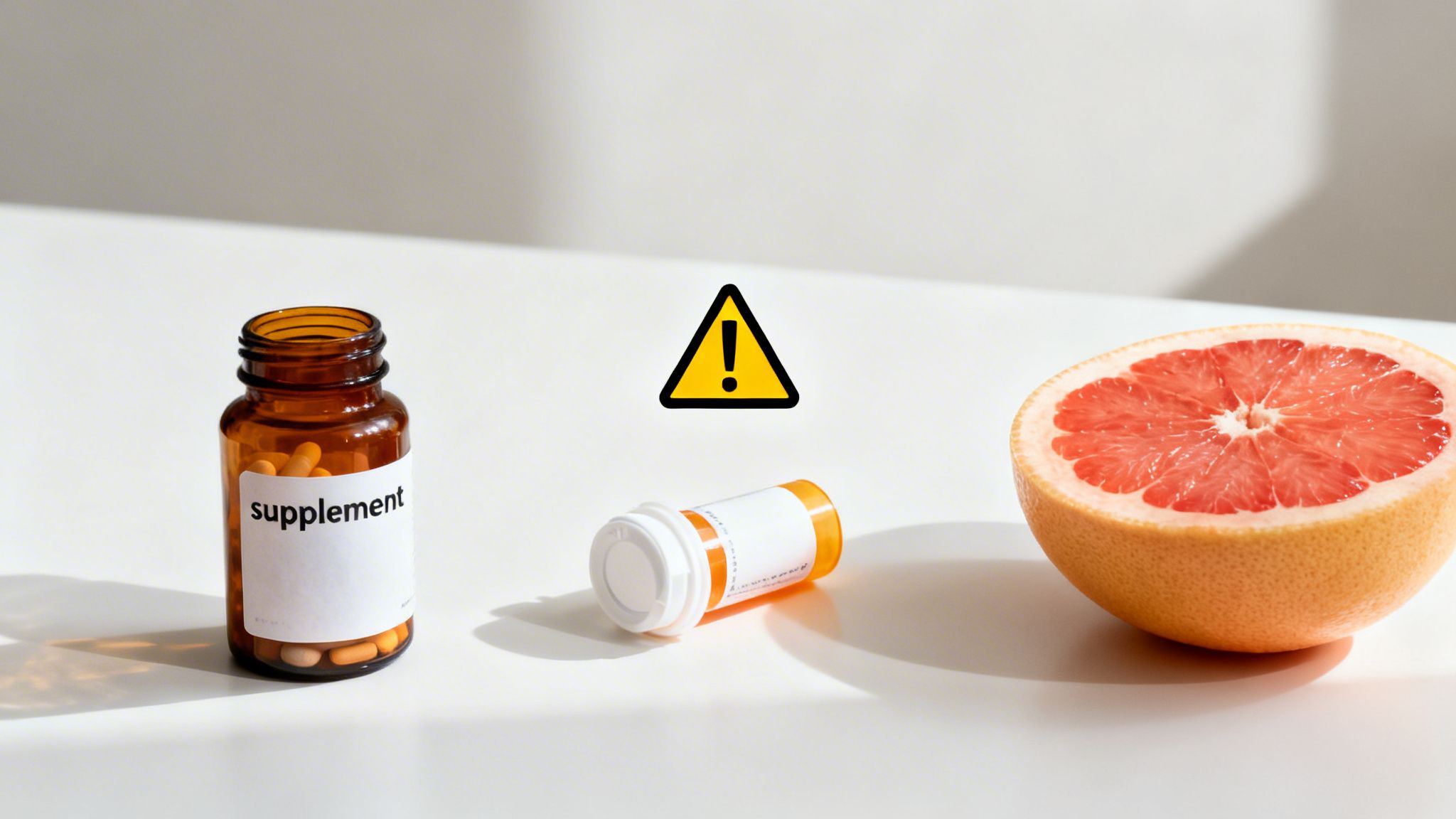
This is one of the most critical topics when it comes to red yeast rice. Because its active ingredient, monacolin K, is chemically identical to a prescription drug, mixing it with other substances can be a recipe for disaster.
Understanding these interactions isn't just a good idea—it's essential for your safety. Let's break down exactly what you need to avoid.
The Number One Rule: Never Double Up on Statins
Let's get the most important warning out of the way first. I do NOT think anyone should take red yeast rice if they are already taking a prescription statin medication like lovastatin, atorvastatin (Lipitor), or simvastatin (Zocor). I really can't overstate this.
Taking red yeast rice alongside a prescription statin is like taking a double dose of your medication. This dramatically elevates your risk for all the potential side effects of red yeast rice, particularly severe muscle pain (rhabdomyolysis) and serious liver damage. It's a dangerous combination your doctor would never recommend.
The Grapefruit Effect and Your Liver
Here's where things get a bit more technical, but stick with me because it's crucial. Your liver has a specific system of enzymes to process and eliminate substances from your body, including medications. A key player in this system is an enzyme called CYP3A4.
Think of grapefruit and grapefruit juice as a traffic jam for that enzyme. Consuming grapefruit temporarily blocks the CYP3A4 enzyme from doing its job. If you're also taking red yeast rice, the monacolin K can't be cleared from your system effectively. Instead, it builds up in your bloodstream, amplifying its effects and significantly increasing your risk for muscle and liver toxicity.
Key Takeaway: Grapefruit is a powerful CYP3A4 inhibitor. You should avoid it completely while taking red yeast rice. This interaction is well-documented and can turn a standard dose into a dangerously high one.
Other Drugs That Don't Play Well
It's not just grapefruit. A wide range of common medications can also inhibit the CYP3A4 enzyme, creating the same risky situation.
You need to be extremely cautious and speak with your doctor if you take any of the following:
- Certain Antibiotics: Especially clarithromycin and erythromycin.
- Antifungal Medications: Such as itraconazole and ketoconazole.
- Some Heart and Blood Pressure Drugs: Including diltiazem and verapamil.
- HIV Protease Inhibitors: For example, ritonavir.
This list isn't exhaustive, which is why total transparency with your healthcare provider is non-negotiable. They must know every single thing you're taking—prescriptions, over-the-counter drugs, and other supplements.
Data from a French nutrivigilance program underscores how real this danger is. The agency found that many people who reported adverse reactions to red yeast rice were also taking other drugs, from antidepressants to blood pressure pills. In their analysis, a staggering 27% of reported cases were classified as serious, often leading to hospitalization for severe muscle pain or liver issues. You can read the full report on the ANSES website to understand the documented interaction risks.
Ultimately, while your health journey is your own, it shouldn't be a solo mission. Involving your doctor is the safest and smartest way to navigate supplements that act like powerful drugs.
Safer Plant-Based Ways to Support Heart Health
If the potential side effects of red yeast rice have you feeling concerned, you're not alone. It's wise to be cautious. The great news is that there are many safer, plant-based ways to support your heart health, and they often provide benefits that ripple throughout your entire body.
Instead of turning to a supplement with known statin-like risks, we can focus on building a resilient foundation for cardiovascular wellness from the ground up. This approach is about working with your body's natural systems.
Embrace Heart-Healthy Foods
The journey to better heart health really does begin on your plate. What you eat day in and day out has a profound effect on your cholesterol levels and overall cardiovascular system—often without the gamble of risky side effects.
Here are a few powerful foods to work into your routine:
- Soluble Fiber: Think of the fiber in oats, barley, apples, and brussels sprouts as a natural cleanup crew. It binds to cholesterol in your digestive system and helps escort it out of your body.
- Plant Sterols and Stanols: These naturally occurring compounds, found in small amounts in fruits, vegetables, and nuts, actually block the absorption of cholesterol in your gut.
- Healthy Fats: Foods packed with omega-3 fatty acids, like flaxseeds, chia seeds, and walnuts, are fantastic. They help maintain a healthy inflammatory response, which is crucial for cardiovascular function. For more ideas, you can explore our guide on how to get omega-3s without fish.
Your Gut Is at the Heart of It All
Here’s a connection that many people overlook: your gut microbiome plays a surprisingly direct role in your heart health. The trillions of bacteria living in your digestive tract have a say in everything from how food moves through your stomach and intestines to how your body processes fats and cholesterol.
This is a core part of our philosophy here at Yuve. Instead of just targeting one symptom and dealing with the side effects of red yeast rice, we believe in nurturing the body's foundational systems for total-body wellness.
Our founder, Sam, discovered this connection himself. After dealing with his own digestive troubles, he realized a balanced gut was the missing piece for his overall health. He often says, “You can’t build lasting health on a shaky foundation. Supporting your gut is the most powerful first step you can take.”
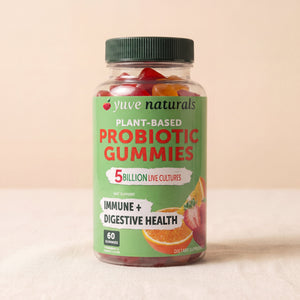
This is exactly why we developed our Yuve Vegan Probiotic Gummies. These gummies are a simple, delicious way to introduce beneficial bacteria to help rebalance your gut microbiome. A well-balanced gut isn't just about smooth digestion; it’s a smart, proactive step to foster an internal environment that actively supports a healthy heart.
By nourishing your gut, you're doing more than just avoiding the risks of supplements like red yeast rice. You're proactively building a stronger, healthier version of yourself from the inside out. It's a gentle, holistic strategy that puts you back in the driver's seat, free from the anxiety of uncertain side effects. You deserve to feel confident in the choices you make for your body, and we're here to support you on that path.
Frequently Asked Questions
When it comes to your health, you deserve clear answers. Let's tackle some of the most pressing questions people have about red yeast rice and its side effects.
Can Red Yeast Rice Cause Permanent Muscle Damage?
In rare situations, yes, it can. The biggest concern here is a serious condition called rhabdomyolysis. This is when muscle fibers break down so rapidly that they flood your bloodstream with proteins your kidneys just can't handle.
If not treated immediately, this can lead to permanent kidney damage or even failure. This is why you must stop taking the supplement and see a doctor right away if you have severe, unexplainable muscle pain. A major warning sign is dark, tea-colored urine—that’s a medical emergency.
How Long Does It Take for Side Effects to Appear?
There's no single answer, which makes this supplement particularly tricky. Some people feel digestive issues like bloating or heartburn within the first week. It can be incredibly frustrating to start something you believe is healthy, only to feel worse.
For others, muscle aches or weakness might not show up for weeks or even months. Because the onset can be so delayed, it's crucial to pay close attention to any new or unusual symptoms for the entire duration you're taking it.
Is There a Safe Dosage of Red Yeast Rice?
Frankly, I do NOT think there is a universally "safe" dose. The fundamental problem is that the supplement industry isn't regulated like pharmaceuticals are. This means the amount of the active compound, monacolin K, can be all over the map—varying wildly between different brands and even between different batches from the same brand.
Since monacolin K is chemically identical to the prescription drug lovastatin, any dose carries the same potential risks as a statin. Taking it without a doctor's supervision and regular blood work to check on your liver and muscles is essentially a gamble with an unknown drug concentration.
Who Should Absolutely Not Take Red Yeast Rice?
Some people should avoid red yeast rice entirely. For your own safety, this part is non-negotiable.
You should not take red yeast rice if you:
- Are pregnant or breastfeeding
- Have active liver disease or poor kidney function
- Are already taking a prescription statin drug (this doubles your risk)
- Drink significant amounts of alcohol regularly
You also need to be extremely cautious if you eat grapefruit or take other medications processed by the liver, as this can create dangerous interactions. The only truly safe path is to talk with your healthcare provider first. They can give you advice that's actually tailored to your personal health history.
At Yuve, we believe supporting your health shouldn't involve risky gambles. For a gentle, effective way to support your overall wellness starting with your gut, consider our Vegan Probiotic Gummies. Learn more at https://www.getyuve.com.