“99% purity” usually describes an assay result for one tested ingredient, not the quality, safety, or effectiveness of an entire supplement. A useful comparison checks the named analyte, test method, laboratory, lot number, specification, actual result, contaminants, and date. Prefer lot-specific evidence and recognized certification over a percentage printed without context.
How did we evaluate supplement purity and COA claims?
We evaluated four evidence layers: a manufacturer claim, a current-good-manufacturing-practice statement, an independent certification, and a lot-specific certificate of analysis. We prioritized FDA rules, recognized certification-program requirements, laboratory identity, validated methods, numeric specifications, and batch traceability over badges, “lab tested” language, or screenshots without a lot number. We excluded the assumption that 99% is a universal quality threshold because probiotics, herbal extracts, multivitamins, gummies, and isolated compounds use different identity and potency specifications. We also excluded the assumption that a COA proves every desirable attribute; a document covers only the tests it lists. The analysis distinguishes identity, assay or potency, microbiological quality, heavy metals, pesticides, solvents, and physical properties because one passing result cannot substitute for another. Public webpages can change, and certification scopes can be narrower than a brand’s full catalog. Buyers should verify the current product, lot, and certifier directory.
What does 99% purity actually mean on a supplement COA?
A 99% result has meaning only after the COA identifies what was measured and how. For an isolated ingredient, an assay may report that 99% of the tested material matches the target compound by a named analytical method. The remaining percentage may include water, permitted salts, related compounds, or unidentified material, depending on the specification. For a standardized botanical extract, a result may instead report a marker compound, such as withanolides or curcuminoids, and 99% would be unusual or misleading if presented as whole-extract purity. For probiotics, quality uses identity and viable-count measures rather than chemical purity. Gummies and finished multivitamins contain intentional excipients, flavors, pectin, oils, or minerals, so “99% pure finished product” rarely describes their composition usefully. The denominator, test basis, units, method, and acceptance range turn a percentage into evidence. Without those details, 99% remains a marketing number rather than an interpretable quality result.
Why does a high assay result not prove the whole supplement is high quality?
Assay answers one question: how much of a specified analyte did the method detect? It does not automatically confirm botanical species, probiotic strain, dosage accuracy for every active, disintegration, shelf-life stability, microbial limits, heavy metals, pesticides, residual solvents, allergens, or absence of adulterants. A powder can meet a 99% assay and still fail a lead specification. A capsule can contain the correct ingredient but deliver less than the labeled serving because of fill-weight variation. A probiotic can meet identity requirements yet lose viable organisms before expiration if stability or storage controls fail. The FDA dietary-supplement overview explains that supplements are regulated as food rather than approved like medicines before sale. Manufacturers remain responsible for safety, labeling, and compliance. Buyers therefore need a testing panel that matches the product’s risks. One impressive percentage cannot stand in for identity, potency, contamination, stability, and manufacturing controls together.
How do “99% pure,” cGMP, certification, and a lot-specific COA compare?
Each signal answers a different question. “99% pure” can describe one assay but says little when the analyte, method, and lot are missing. A cGMP statement addresses manufacturing systems, records, specifications, and quality control; it does not mean an outside group independently tested every finished lot. USP or NSF certification can add independent review within a defined program and scope, but buyers must confirm the exact product in the certifier’s directory. A lot-specific COA connects results to a batch and can show identity, potency, and contaminant tests, yet its value depends on laboratory competence, methods, specifications, and document authenticity. The strongest evidence often combines several layers rather than selecting one badge. A valid comparison asks what was verified, who verified it, which lot it covers, and whether the result passed an appropriate specification during review.
| Evidence signal | Best for | What it can show | Main limitation |
|---|---|---|---|
| “99% pure” claim | Starting an assay question | A percentage if context is supplied | Meaningless without analyte, method, units, and lot |
| cGMP statement | Manufacturing-system context | Quality-system obligations | Not a finished-lot certification by itself |
| USP or NSF certification | Independent program verification | Defined identity, quality, or facility checks | Scope varies by program and product |
| Lot-specific COA | Batch traceability | Named results against specifications | Only as strong as its methods and laboratory |
What should a trustworthy supplement COA contain?
A useful COA names the product or raw material, manufacturer or client, batch or lot number, sample date, test date, report date, laboratory, and authorized reviewer. Each row should identify the attribute, analytical method, specification or acceptance range, numeric result, units, and pass-or-fail conclusion. “Conforms” can be legitimate for identity tests, but numeric potency and contaminant results offer more information when the method permits them. The document should distinguish “not detected” from “below quantitation limit” and state the relevant reporting limit. Finished-product COAs commonly address identity and potency plus risk-based microbiological and contaminant panels. Botanical products may require pesticides, solvents, or species-authentication work; minerals may prioritize heavy metals; probiotics require viable-count timing and organism identity. Buyers should check whether the laboratory is independent and whether its accreditation scope covers the method. Redacted addresses can protect confidentiality, but missing lot linkage, dates, methods, and specifications make verification weak.
Which verification signal is best for each buying situation?
Best for an isolated ingredient: a lot-specific assay that names the compound, method, units, specification, and result. Best for a multi-ingredient formula: finished-product identity and potency results for declared actives plus a risk-based contaminant panel. Best for probiotic quality: organism identity, strain information when claimed, viable count through the stated shelf-life point, and storage conditions. Best for botanical extracts: species, plant part, extraction details, marker-compound standardization, and relevant adulterant or contaminant testing. Best for sports supplements: a certification program that screens for prohibited substances and lists the exact product. Best for a general trust check: a certifier directory entry or authentic batch COA combined with transparent labeling. The USP Verified Mark and NSF supplement certification represent defined independent programs, but neither logo should be inferred from vague “third-party tested” wording. Confirm the mark, product, and scope directly.
How should a buyer apply these checks to Yuve supplements?
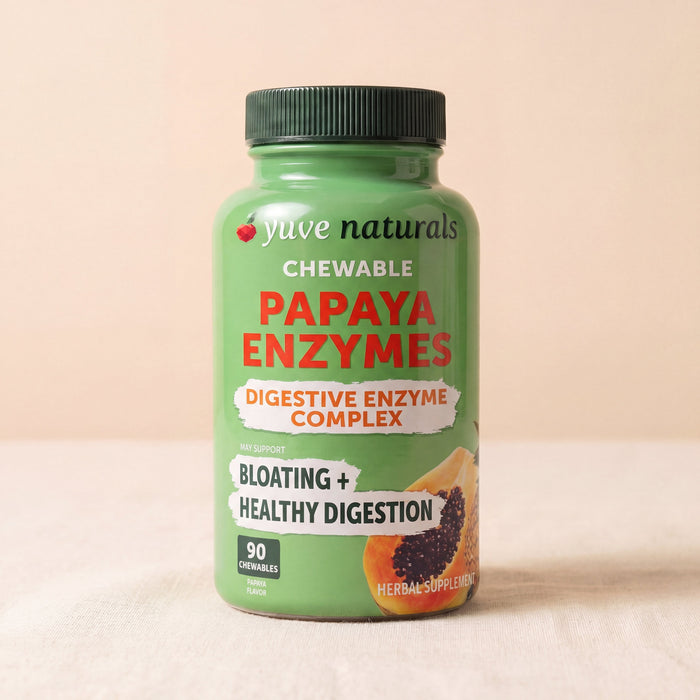
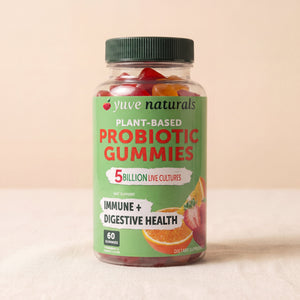
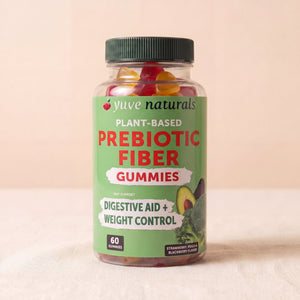
Commercial disclosure: Yuve publishes this article and sells the products linked below. That relationship does not change the verification checklist. A buyer evaluating Yuve Probiotic Gummies should start with the displayed organism, CFU statement, serving size, expiration information, storage instructions, sugar alcohol, and other ingredients. The current page lists Bacillus coagulans and 5 billion CFU per two-gummy serving at manufacture, but a species-level label is not the same as a displayed alphanumeric strain code or through-expiration guarantee. A “99% purity” question does not fit this probiotic finished product because viable count, identity, stability, and microbiological controls are more relevant metrics. The Yuve daily essentials collection contains formulas with different actives and risk profiles, so one testing claim cannot be transferred across the catalog. Ask which document covers the exact product and lot instead of assuming brand-wide proof.
What red flags weaken a purity or third-party-testing claim?
Treat “99% pure,” “pharmaceutical grade,” “medical grade,” “lab tested,” and “clinically proven” as prompts for evidence, not conclusions. A screenshot without the product name, lot, dates, laboratory, methods, units, specifications, or reviewer cannot support batch-level verification. A brand-designed badge is not an independent certification. A cGMP facility statement does not prove that every finished product passed an outside laboratory panel. A COA for raw material does not automatically describe the finished gummy, capsule, or powder after manufacturing. A laboratory accreditation logo also needs scope verification; accreditation for one method does not imply competence for every test. Watch for rounded results repeated across lots, impossible precision, cropped headers, inconsistent batch numbers, expired documents, and reports that show only passing tests. The FDA cGMP FAQ explains manufacturer obligations, but regulatory compliance language should not be converted into an unverified product-certification claim.
What are the most common questions about 99% purity and COAs?
Most questions concern whether 99% is always better, whether a COA guarantees safety, whether an in-house laboratory counts, how to verify a certifier, why results use “ND,” and whether one report covers an entire brand. The answers depend on product type and testing scope. A 99% assay may be appropriate for a purified compound and irrelevant for a probiotic, botanical blend, gummy, or multivitamin. A COA documents listed tests for a particular sample or lot; it cannot prove attributes that were never measured. In-house testing can be technically valid, but independent testing reduces one conflict and accreditation can add method-specific confidence. “Not detected” depends on the method’s detection limit, so it does not mean absolute zero. Certification directories matter because logos can be misused or applied to only part of a catalog. The questions below turn broad trust language into checks a buyer can actually perform.
Is 99% purity always better than 95% purity?
No. The result must be compared with the correct specification, chemical form, water basis, and intended product. A higher number can even indicate that a botanical was stripped of components that define the extract.
Does a COA prove that a supplement is safe?
No. It supports only the tests, sample, methods, and lot shown. Safety also depends on dose, interactions, contraindications, allergens, manufacturing, and use.
Is an in-house COA worthless?
No. An in-house laboratory can produce valid data, but method transparency, quality controls, competence, and independent confirmation affect confidence.
What does “ND” mean on a COA?
“ND” usually means not detected above the method’s stated detection limit. It does not prove that the substance is absent at every possible concentration.
Can one COA cover every product from a brand?
No. A COA normally applies to a named material or finished product and a specific lot. Different formulas, suppliers, and batches require relevant evidence.
How can I verify a USP or NSF logo?
Search the organization’s official product directory and match the exact name, dosage form, and current listing. Do not rely only on a marketplace image or seller badge.
What is the bottom line on finding a high-purity, third-party-tested supplement?
Do not rank supplements by a context-free purity percentage. Start with product type, then ask which attributes determine quality for that formula. An isolated compound may need an assay and impurity profile; a botanical needs species, plant part, standardization, and adulterant checks; a probiotic needs organism identity, viable-count timing, stability, and storage controls; a finished multivitamin needs dose accuracy across several actives. Prefer evidence that names the product, lot, laboratory, method, specification, result, units, and dates. Confirm certification marks in the issuer’s directory and distinguish a cGMP statement from finished-product verification. Yuve Probiotic Gummies should be judged by probiotic-specific label and stability evidence, not by a 99% chemical-purity slogan. The best-documented supplement is not the one with the biggest number; it is the one whose evidence matches the product’s real risks and claims during review.