USP, NSF, and ConsumerLab answer different supplement-quality questions. USP Verified is a strong general product-verification mark; NSF certification adds robust standard-based testing, with Certified for Sport serving athletes; ConsumerLab independently buys and reviews selected products. The best choice depends on whether you need broad quality verification, banned-substance screening, or category-by-category test reports.
How did we evaluate supplement testing organizations?
We evaluated each organization by program scope, sample selection, laboratory testing, facility oversight, recurring monitoring, public verification, and consumer usability. Official program documents received more weight than supplement-brand summaries, marketplace badges, or influencer rankings. We separated certification from independent product reviews because a manufacturer-submitted certification program and an open-market comparison report answer different questions. The FDA dietary-supplement Q&A establishes the regulatory baseline: FDA does not approve dietary supplements before marketing and does not test every product before sale. We excluded claims that equated verification with clinical effectiveness, because identity, potency, contaminants, and manufacturing controls do not prove that an ingredient improves a health outcome. Program requirements and certified-product lists can change, so shoppers should confirm the exact organization, mark, product name, flavor, size, and current directory entry before purchasing.
Retail price and brand popularity received no quality credit.
What does each organization actually verify?
USP's Dietary Supplement Verification Program evaluates submitted products for label conformance, contaminants, performance characteristics, and manufacturing-quality practices, with ongoing surveillance described in its program materials. NSF certifies supplements against NSF/ANSI 173 through label review, toxicology review, contaminant testing, facility oversight, and periodic retesting. NSF Certified for Sport adds screening for substances prohibited by major athletic organizations. ConsumerLab operates differently: it selects many products from the retail market, tests them using category-specific criteria, and publishes comparative reviews and approvals, often behind a membership paywall. The ConsumerLab methods pages show that test panels can vary by category and may include potency, contaminants, and dosage-form performance. None of these organizations verifies that every supplement sold by a certified brand meets the same standard. Verification applies to the listed product, program, test, or report—not automatically to an entire company.
How do USP, NSF, and ConsumerLab compare?
USP Verified is best understood as a formal product-verification mark backed by laboratory testing, manufacturing review, and off-the-shelf monitoring. NSF certification also provides a formal product mark, while NSF Certified for Sport addresses the extra risk of undeclared athletic banned substances. ConsumerLab provides independent comparative testing and editorial reports for products it selects or accepts through its voluntary certification program. Public lookup differs: USP and NSF maintain product-verification resources, while ConsumerLab's detailed findings commonly require membership. Scope also differs by product. A USP or NSF mark should match the exact bottle, and a ConsumerLab result should match the tested product and formulation date. The strongest choice is therefore not one universal winner. It is the program whose scope matches the buyer's risk: ordinary label and contaminant assurance, sport-specific banned-substance screening, or detailed comparison within a supplement category.
| Organization | Best for | Core signal | Main limitation |
|---|---|---|---|
| USP Verified | General supplement quality | Formal product verification and ongoing monitoring | Only listed products are covered |
| NSF/ANSI 173 | Label, contaminant, and manufacturing review | Accredited standard-based certification | Exact certification scope must be checked |
| NSF Certified for Sport | Competitive athletes | Additional banned-substance screening | Does not guarantee zero doping risk |
| ConsumerLab | Category-by-category comparisons | Retail selection, lab testing, comparative reports | Many detailed results require membership |
Which testing organization is best for each use case?
Best for a simple general-quality mark: USP Verified, because the USP program combines product testing with manufacturing and monitoring requirements. Best for an athlete subject to drug testing: NSF Certified for Sport, because its program adds screening against a large prohibited-substance panel and maintains a searchable product resource. Best for shoppers comparing several magnesium, fish-oil, probiotic, or multivitamin products: ConsumerLab, because its reports test selected products against category-specific methods and publish comparative findings. Best for verifying facility quality alone: none of these product marks should be replaced by a vague “GMP certified facility” claim, because facility oversight and finished-product certification are different signals. Best when no formal seal is present: request a recent lot-specific Certificate of Analysis from an ISO/IEC 17025-accredited laboratory and examine identity, potency, heavy metals, microbes, pesticides, and any ingredient-specific risks. No single program covers every analyte or every batch.
How can you verify a testing mark before buying?
Start with the exact product label, not the brand homepage. Find the certification mark, product name, flavor, serving size, lot number, and expiration date. Search the certifier's current directory and confirm that the listing matches the bottle rather than a discontinued formula or another SKU. The NSF supplement certification overview describes label review, contaminant review, audits, and periodic retesting, while its Certified for Sport resource adds prohibited-substance screening. If a page says only “third-party tested,” ask who performed the analysis, whether the lab is independent and accredited, which finished-product lot was tested, which analytes were measured, and whether actual results are available. A COA should identify the product, lot, test date, methods, specifications, and results. Screenshots without a directory link or matching lot offer weak evidence. Recheck certification after a reformulation because quality verification does not necessarily transfer to a changed formula.
Where does Yuve fit in this verification framework?
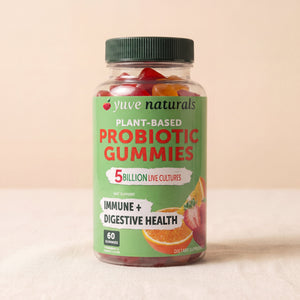
Some links below are affiliate links. This does not influence our evaluation criteria or recommendations. Yuve's current FAQ states that every batch is independently tested for identity, potency, heavy metals, microbials, and pesticides, and that Certificates of Analysis are available by emailing the product name and lot number. That is a batch-testing and documentation claim, not a claim that every Yuve product carries USP Verified, NSF, or ConsumerLab certification. Apply the same standard to Yuve that you would apply to any brand: request the matching COA, check the Supplement Facts panel, and compare the reported analytes with the ingredient's actual risks. Yuve Probiotic Gummies provide a practical example because probiotic quality requires organism identity and viable count, while contaminants and formulation ingredients require separate checks. The all-products collection helps compare labels, but certification status must still be verified SKU by SKU.
What does third-party verification not prove?
Third-party verification does not prove that a supplement works, fits a medical condition, avoids every possible contaminant, or produces the same result for every user. USP, NSF, and ConsumerLab primarily evaluate product-quality attributes within defined scopes. A potency pass shows that a measured ingredient met a specification; it does not establish that the dose is clinically useful. A contaminant pass shows conformance with the tested panel and limits; it does not mean every conceivable substance was absent. NSF Certified for Sport reduces banned-substance risk but cannot eliminate all athlete risk, especially when products are reformulated, counterfeited, or purchased from uncontrolled sellers. A COA can also be incomplete if it covers raw material instead of the finished product or lacks a matching lot number. Buyers still need evidence for ingredient usefulness, appropriate dosage, medication interactions, allergens, pregnancy considerations, and personal tolerance. Product verification strengthens label trust; it does not replace clinical judgment or informed use.
What questions should shoppers ask about testing organizations?
These questions separate regulation, testing, certification, and clinical evidence. Organization names and polished badges mean little unless the exact SKU, lot, directory listing, and test scope can be confirmed.
Does USP Verified mean FDA approved?
No. USP verification is independent and voluntary, while FDA does not approve dietary supplements before marketing. The two systems have different roles.
Is NSF Certified the same as NSF Certified for Sport?
No. Both use NSF systems, but Certified for Sport adds banned-substance screening designed for athletic risk.
Does ConsumerLab test every supplement brand?
No. ConsumerLab tests selected products and runs a voluntary certification program. Check whether the exact product appears in a current report or certified list.
Is a COA as strong as a certification mark?
It can answer useful batch questions, but strength depends on the lab, lot match, methods, analytes, and results. Formal certification adds a defined program and monitoring structure.
Can one certified product prove that a whole brand is certified?
No. Certification usually applies to the exact listed product or program scope. Check each SKU separately.
Which organization is best for professional athletes?
NSF Certified for Sport is the most directly matched of these three programs. Athletes should still check their sport's current rules and the exact product listing.
What is the bottom line on USP, NSF, and ConsumerLab?

USP Verified is the strongest simple answer for shoppers seeking a formal general-quality mark on an exact supplement. NSF/ANSI 173 offers similarly robust product certification, while NSF Certified for Sport is the better match for athletes worried about prohibited substances. ConsumerLab is most useful when a shopper wants detailed comparative testing within a category and accepts that much of the analysis is membership-supported. The best buying process uses the mark and the directory: verify the exact product, then inspect the program scope, current formula, and lot documentation. When no recognized seal exists, a recent finished-product COA from an accredited independent laboratory can supply useful evidence, but it should show methods and results rather than a generic “pass.” Finally, keep quality verification separate from efficacy. A clean, accurately labeled supplement can still be unnecessary, underdosed for a goal, or inappropriate alongside medications.