Meta title: Vegan Gut Health in 2026 - Why Healthy Plant Foods Can Still Cause Bloating
Meta description: Struggling with bloating on a vegan diet? Learn the vegan fiber paradox, how to support vegan gut health, and simple steps to eat plant-based with less gas and discomfort.
You're eating the “good” foods. Oats for breakfast, a giant salad for lunch, lentil pasta for dinner. Then by mid-afternoon your stomach feels tight, loud, and weirdly overworked.
If that's you, you're not failing at healthy eating. You're dealing with a very real vegan gut health issue that catches a lot of people off guard.
Feeling Bloated on a Healthy Vegan Diet You Are Not Alone
A lot of people switch to a vegan diet expecting to feel lighter right away. Sometimes that happens. Sometimes you get kale, beans, whole grains, and then, dun, dun, dun, unwelcome gas. Yikes.
I've seen this pattern over and over. Someone cleans up their diet, eats more plants than ever, and suddenly feels more bloated than they did before. That's frustrating because it feels backward. Healthy food is supposed to help, not leave you unbuttoning your pants at 3 PM.
The good news is that this usually doesn't mean your body “can't do vegan.” It often means your gut needs time, pacing, and a smarter approach to fiber.
If you've been wondering whether your bloating is normal, this guide is for you. We're going to talk about why a plant-based diet can be amazing for your gut, why it can also cause digestive drama at first, and how to make vegan eating feel calm and sustainable instead of gassy and exhausting.
A gentle reminder: Bloating after healthy meals doesn't automatically mean the food is bad for you. It often means the amount, type, or speed of change was too much for your current gut.
If this sounds familiar, you might also relate to Yuve's deeper breakdown on why you always feel bloated. It's a helpful companion if you're trying to sort out whether fiber, eating habits, or another trigger is causing the issue.
How a Vegan Diet Can Create a Supercharged Gut
A plant-based diet can shift your gut in a powerful direction. The reason is simple. Plant foods bring fibers and polyphenols that your own body cannot fully break down, so your gut microbes take over that job and turn those leftovers into compounds that help support the gut lining and day-to-day digestive function.
Your gut works a lot like a compost system. You feed it scraps from oats, beans, berries, greens, nuts, seeds, and whole grains. Then your microbes convert that material into something useful.

Why SCFAs matter so much
One of the main things gut bacteria make from fiber is short-chain fatty acids, or SCFAs. You do not need to memorize the term. What matters is their job. They help nourish cells in the colon and support the barrier that keeps your gut lining strong.
That benefit helps explain why long-term plant-heavy eating is linked with a healthier microbial pattern. In a large international study, researchers found that vegan dietary patterns were associated with a higher abundance of bacteria involved in SCFA production and with more favorable cardiometabolic profiles, according to this report summarizing the findings and the related Nature paper.
Here is the part that often surprises people. A supercharged gut does not mean stuffing in as much fiber as possible on day one. It means building a gut environment that can handle plant foods well and get useful results from them.
Better output matters as much as more fiber
Gut health is not only about which bacteria are present. It is also about what they are doing with your food.
Researchers reviewing vegan gut microbiome studies found that long-term vegan eating changed metabolic activity in meaningful ways, including lower levels of some byproducts linked with protein fermentation and irritation in the colon, according to a review in Nutrients. In plain English, your microbiome can start producing a friendlier mix of compounds even before every part of the system looks dramatically different.
That is good news if you feel stuck in the vegan fiber paradox. Your gut does not need to become perfect overnight. Small, steady changes in what your microbes are fed can improve the chemical environment in your digestive tract over time.
What helps create that “supercharged” effect
A well-built vegan pattern usually gives your gut three things it tends to do well with.
- Fermentable fibers in manageable doses. Oats, beans, lentils, barley, chia, flax, and many fruits feed bacteria that make beneficial postbiotic compounds, including SCFAs.
- Polyphenols from colorful plants. Berries, cocoa, herbs, olives, tea, and many vegetables contain plant compounds that certain helpful microbes like to use.
- Consistency. Your gut microbes adapt to what you feed them regularly. Eating plants once in a while is different from giving your gut repeated practice.
Consistency matters more than perfection.
If you have ever gone from a low-fiber routine to giant smoothie bowls, raw salads, and double-bean chili in the same week, you have felt the mismatch firsthand. The foods themselves can support a healthier gut long term. Your current microbes, enzyme output, meal size, and fermentation tolerance may still need time to catch up.
That is why some people feel worse before they feel better on a vegan diet. The long-term gut upside is real. The short-term adjustment phase is real too.
If hormones and digestion are both on your mind, this guide on plant-based eating for menopause is worth a read too. It's a practical example of how plant-focused eating can support more than one body system at a time.
The Vegan Bloat Paradox When Healthy Food Hurts
This is the part more people need to hear. Fiber is good. Too much too fast can feel awful.
If you've ever felt punished for eating a giant grain bowl or a heroic salad, I get it. The problem usually isn't that plants are bad. The problem is that your gut may not be ready for a sudden flood of fermentable carbs.
Why “eat more fiber” can backfire
Many new vegans experience worsened IBS symptoms because of excessive high-FODMAP fiber. While variety is important, rapidly introducing 30+ different plant foods weekly can trigger severe bloating if it isn't balanced with lower-FODMAP options, according to this ProVeg article on plant-based diets and gut health.
That's the vegan fiber paradox. The same foods that can improve your long-term gut environment can create short-term misery when your digestion is overwhelmed.
Common culprits include:
- Beans and lentils - Nutritious, yes. Also famously fermentable.
- Onions and garlic - Delicious, but rough for many sensitive guts.
- Cruciferous vegetables - Cauliflower and broccoli can be a lot if portions get big fast.
- Huge raw salads - Raw volume can be harder than cooked volume.
Healthy food still has to be tolerable food. Your gut doesn't care how virtuous your lunch looks on Instagram.
It's about type, dose, and timing
Someone who's been eating low-fiber convenience food for years may not do well jumping straight into smoothie bowls, chia pudding, hummus wraps, roasted chickpeas, and Brussels sprouts all in the same day.
A gentler approach often works better:
| Situation | What often happens | Smarter move |
|---|---|---|
| You add lots of beans at once | Gas and pressure ramp up | Start with smaller portions |
| You eat mostly raw vegetables | Fullness and bloating linger | Use more cooked vegetables |
| You chase variety quickly | Digestion gets noisy | Repeat a few well-tolerated foods first |
| You load up on onion and garlic | IBS-type symptoms flare | Swap in gentler flavor bases |
This doesn't mean your body is broken
I do not think bloating automatically means you should give up on vegan eating. It means your plan needs a little skill.
For some people, that means starting with gentler plant foods like zucchini, cucumber, grapes, oats, bananas, tofu, rice, and cooked carrots before building toward larger amounts of legumes, bran-heavy foods, and raw roughage. It's less exciting than “eat every superfood now,” but it works better in real life.
Building Your Gut-Friendly Vegan Plate With Prebiotics and Probiotics
A gut-friendly vegan plate is not the same thing as the highest-fiber plate you can build.
If your digestion has been noisy, your goal is to feed your gut microbes without overwhelming them. That is the heart of the vegan fiber paradox. Plant foods can help your gut long term, but in the short term, too much fermentable fiber too fast can feel like a traffic jam. Food reaches the colon, bacteria get busy, gas builds, and you end up wondering why your healthy meal feels so bad.

Two tools help here. Prebiotics are the parts of plant foods that feed beneficial gut microbes. Probiotics are live microbes found in fermented foods. Both can be useful. The trick is choosing gentler sources and using small amounts first.
Prebiotics feed the system you are trying to build
Prebiotics work like fertilizer for your gut garden. More is not always better on day one.
A beginner-friendly place to start includes foods that often feel easier on a sensitive stomach:
- Oats. Soft, familiar, and usually gentler than bran-heavy cereal.
- Bananas. Helpful when your stomach feels touchy.
- Ground flaxseed. Start with a teaspoon or two in oatmeal or yogurt.
- Cooked asparagus. Easier for many people than a huge raw salad.
- Beans and lentils. Very helpful for gut health, but better in small portions at first.
- Onions and garlic. Strong prebiotic foods, but common troublemakers for IBS-prone people.
That last point confuses people. A food can be healthy and still be a poor starting choice for your current gut tolerance. Those are two different questions.
Probiotics add small doses of living microbes
Fermented foods can introduce beneficial bacteria, but they are not a contest either. A forkful often goes better than a giant serving.
Vegan options include:
- Sauerkraut. Start with a small forkful.
- Kimchi. Useful for some people, but spice can irritate others.
- Miso. An easy way to add fermented food to broth, sauces, or dressings.
- Tempeh. Fermented soy that many people find easier to digest than whole beans.
- Vegan yogurt with live cultures. A practical, low-effort option.
If you want a food-first guide to choosing and using these foods, Yuve has a helpful article on prebiotics and probiotics for gut health.
Why this matters on a vegan diet
As noted earlier, plant-based eating can support a healthier gut microbiome. What matters here is how you build that pattern in real life. Your gut usually responds better to steady exposure than to a dramatic fiber jump.
Polyphenol-rich foods such as berries, herbs, cocoa, tea, and colorful vegetables also help shape the gut environment. So do regular servings of legumes, oats, soy foods, and fermented foods. You do not need all of them in one day to make progress.
Small win to aim for: Add one prebiotic food and one probiotic food per day, then repeat that pattern for several days before expanding.
A simple way to build your plate
Use a “base plus booster” approach. Start with a meal your stomach can handle, then add one gut-friendly upgrade.
- Pick a steady base. Rice, oats, potatoes, quinoa, or sourdough.
- Add one protein. Tofu, tempeh, lentils, or a modest portion of beans.
- Choose one cooked vegetable. Cooked vegetables are often easier to manage when bloating is active.
- Add one small prebiotic or probiotic booster. A spoonful of sauerkraut, a little miso dressing, half a banana, or a spoon of ground flax.
- Repeat the meal before changing five things at once. Repetition helps you spot what works.
Here is what that can look like:
- Breakfast: Oatmeal with banana and a small spoon of ground flaxseed
- Lunch: Rice, tofu, cooked zucchini, and a forkful of sauerkraut
- Dinner: Potato, tempeh, and roasted carrots with tahini
- Snack: Vegan yogurt with berries
That kind of plate is simple by design. When you have been stuck in the healthy-but-bloated cycle, simple is often what helps your gut adapt.
Beyond the Plate Lifestyle Habits for a Happy Gut
Food matters, but your gut also cares about how you eat, how stressed you are, and whether you're giving fiber enough fluid and time to move through.

Eat slower than you think you need to
This sounds boring, but it changes a lot. When you inhale a healthy meal while scrolling or working, you usually swallow more air, chew less, and ask your stomach to do more of the breakdown work.
Try this for a week:
- Put the fork down between a few bites
- Chew until the food is soft
- Start meals calm instead of rushing in already stressed
- Notice fullness early so you don't overshoot
Sam, Yuve's founder, built a lot of his own digestive routine around this exact lesson. He learned that even good food didn't feel good when he ate too fast, stacked stress on top of meals, and treated digestion like an afterthought. That's a common turning point for people with ongoing bloat. The habits around the meal often matter as much as the meal itself.
Water helps fiber do its job
More plant food without enough fluids can leave you feeling heavy and backed up. Fiber needs water to move comfortably through the digestive tract.
A simple rule is to spread your fluids through the day instead of trying to fix it with one giant bottle at night. Warm drinks, soups, and water-rich produce can help too.
Here's a quick visual if you want a calm reminder to slow down and support digestion:
Stress shows up in the gut
You can eat a beautifully balanced vegan meal and still feel crampy if your nervous system is running hot. A stressed body often shifts digestion in the wrong direction. Food may sit differently, bathroom habits can get off, and bloating can feel worse.
A few realistic tools help:
- Short walks after meals - Gentle movement can support digestion.
- Less multitasking while eating - Even one focused meal a day can help.
- Regular mealtimes - Your gut likes rhythm.
- Simple breathing before meals - A minute counts.
Some of the biggest digestion improvements come from boring habits done consistently, not from chasing more complicated foods.
A Vegans Smart Supplement Strategy to Bridge the Gaps
Supplements can help during the messy middle. That's the stage where you're eating more plants, trying to do everything “right,” and your gut still acts like lentils are a personal attack.
Whole foods still do the heavy lifting. A supplement is more like training wheels for your gut while your system adjusts to a higher-fiber routine and you figure out which foods, portions, and meal patterns work for you.

Why targeted support can help
As noted earlier, plant-based eating often shifts the gut in a helpful direction over time. The catch is timing. Your food choices can improve faster than your gut's comfort does.
That's the vegan fiber paradox in supplement form. You may be feeding your microbiome well, but your digestive system still needs time to adapt to the extra fermentation. In that window, a targeted supplement can make your routine easier to stick with. It can also reduce the urge to swing between “perfectly healthy” days and low-fiber recovery days because you feel too bloated.
When supplements make the most sense
I usually think about gut support in practical situations like these:
- You went plant-based quickly and your fiber intake jumped before your gut had time to adjust
- You eat plenty of plant foods but still feel uncomfortable after beans, large salads, or high-fiber snacks
- Fermented foods are not realistic for you because you dislike them, forget them, or they seem to make symptoms worse
- You do better with routines and want one consistent habit while you work on food changes
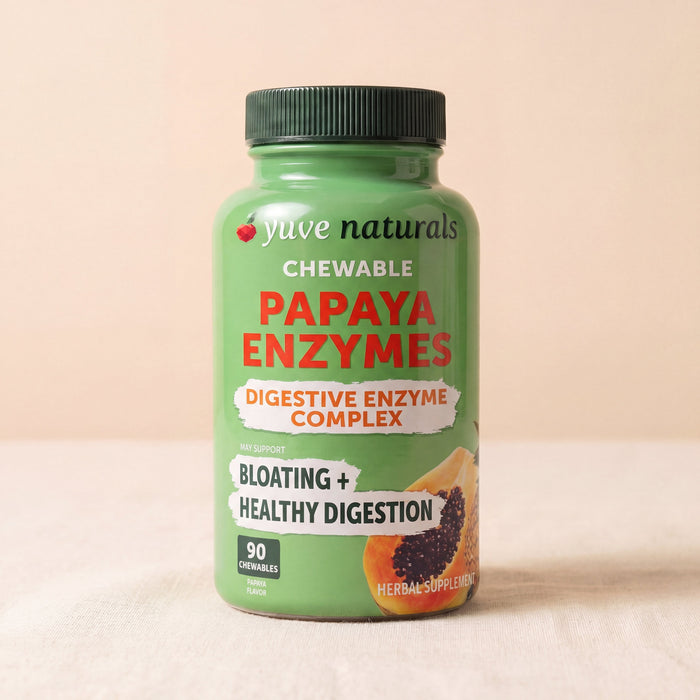
Yuve's probiotic line fits into that kind of routine-focused approach. If you want a broader look at what products may be useful on a plant-based diet, their guide to the best supplements for a vegan diet gives a helpful overview.
What a supplement can and cannot do
A supplement can support your gut. It cannot override a pattern your body is struggling with.
If breakfast is a giant smoothie with raw kale, lunch is a double-bean burrito, dinner is cauliflower and chickpea pasta, and every meal is rushed, the problem is usually not a missing capsule. The problem is that your gut adaptation plan is outrunning your current tolerance.
A smarter approach looks like this:
- keep your meals simple for a couple of weeks
- use easier fibers more often, such as oats, rice, potatoes, tofu, and cooked vegetables
- add tougher foods back in slowly, especially beans, onions, garlic, and large raw salads
- take your supplement consistently instead of expecting a one-day fix
That steady approach matters. Many vegans with ongoing bloat are not doing anything “wrong.” They are just asking a gut that is still in training to process an advanced level of fiber all at once.
Supplements work best when they support that training process, not when they replace it.
Your Quick-Start Action Plan and FAQs
You finish a day of “healthy” vegan eating and still end up unbuttoning your jeans by evening. That can feel confusing and discouraging. In many cases, the fix is not eating less healthy food. It is giving your gut a slower training plan so it can catch up to the amount and type of fiber on your plate.
Start with one calm week. The goal is to lower the digestive workload just enough to see what your body handles well, without abandoning plant foods altogether.
Your quick wins this week
- Turn down the fiber intensity. Pick a few simple staples instead of piling beans, cruciferous vegetables, huge salads, fruit, and whole grains into the same day.
- Favor cooked over raw. Cooked carrots, zucchini, potatoes, oats, and rice are often gentler because heat does some of the breakdown work for your gut.
- Shrink the serving before you cut the food. A half serving of beans or lentils may sit better than a large bowl.
- Try one fermented food at a time. A spoonful of sauerkraut, a little kimchi, or a serving of vegan yogurt is enough for a test.
- Keep fluids steady. Fiber works better with enough water moving through the system.
- Make meals slower and quieter. Chew well, sit down, and give your body a better chance to digest before the next bite arrives.
- Stay consistent with any supplement routine. If you use a plant-based supplement, judge it over time, not after one day.
Your gut usually does better with repetition than with dramatic swings between “super clean” days and reactive restriction.
FAQs
How long does it take to adjust to a higher-fiber vegan diet?
It depends on how big the jump was and which foods you added. Some people feel better within days after simplifying meals. Others need a few weeks of gradual increases. A gut that has been eating moderate fiber usually handles a staircase better than a cliff.
Is soy bad for vegan gut health?
Usually, no. Many people tolerate tofu, tempeh, and unsweetened soy yogurt well. Tempeh can be a helpful starting point because fermentation changes the texture and can make it easier to digest for some people.
Can a vegan diet still work if I have IBS symptoms?
Yes, but the approach needs to be more individualized. You may do better starting with lower-FODMAP plant foods, cooked vegetables, smaller portions of legumes, and careful reintroduction. The vegan fiber paradox shows up strongly here. The same foods praised for gut health can feel rough when your current tolerance is low.
Do I need supplements if I eat a healthy vegan diet?
Not always. Some people do well with food alone. Others benefit from targeted support during the transition, especially if fermented foods are inconsistent, certain fibers trigger symptoms, or routines are easier to follow than food tracking. For vegan gut health, food is the foundation, but a strategic supplement routine can make the process easier.
If you want a simple next step, explore Yuve and build a vegan gut health routine that supports calmer digestion without giving up the plant-based foods you love.