Ever feel like your stomach inflates by afternoon, then reacts badly when you try to “fix” digestion with more fiber? You're not alone. For some sensitive guts, the very fiber meant to support regularity can bring unwelcome gas, cramping, or bloating.
That's why XOS prebiotic keeps appearing on gut-health labels. In one sentence, XOS, or xylooligosaccharides, is a plant-derived prebiotic fiber that selectively feeds helpful gut bacteria. By the end of this guide, you'll know what XOS is, how it works, what human research shows, how much has been studied, and how vegan shoppers can evaluate a supplement beyond the front label.
Why Your Gut Might Be Asking About XOS
You eat a balanced breakfast, answer a few emails, and feel fine. By midafternoon, your waistband is suddenly less cooperative. Maybe you've already tried adding fiber, only to discover that your stomach has its own dramatic response. Dun, dun, dun, unwelcome gas. Yikes.
That frustration can make any new gut-health ingredient sound tempting. But I don't think a supplement label should be enough to earn your trust. You deserve to know whether XOS is a meaningful prebiotic, whether it has been tested in people, and whether “gentler” is supported by evidence rather than clever marketing.
The short version is this: XOS gives certain beneficial microbes a food source that your own digestive enzymes don't break down. Instead of being absorbed in the upper digestive tract, it can reach the colon, where gut bacteria ferment it.
Plain-English takeaway: XOS isn't a probiotic. It doesn't add bacteria to your gut. It feeds some of the bacteria already there.
XOS also has a longer research history than its unfamiliar name might suggest. Research on xylooligosaccharides dates back to the 1960s, while modern reviews report that production was recorded from 1995 onward. A 2023 review identified 659 registered XOS patents in the Derwent database, and corn cob-derived, suitably purified XOS received European novel-food authorization in 2018, with use conditions later set by Regulation 2020/916. Those milestones show that XOS has moved beyond a niche laboratory idea into a developed functional-food ingredient. The review in Frontiers in Nutrition provides this history and regulatory context.
That doesn't mean XOS is a cure for bloating, IBS, or every digestive complaint. Human studies remain relatively small and are often conducted in healthy adults. It does mean we can discuss XOS with more precision than “fiber is good for you.”
What Exactly Is XOS and Why Call It a Prebiotic
Start with the word prebiotic. A prebiotic is a substance, usually a type of nondigestible fiber, that beneficial microorganisms can use as fuel. A probiotic is a live microorganism. XOS is the food, not the bug.
XOS stands for xylooligosaccharides. The name describes short chains of xylose sugar units. In the literature, XOS is typically described as chains with a degree of polymerization, or DP, of 2 to 7, made from xylose units connected by β-(1→4) linkages. That sounds technical, but the practical meaning is easier: XOS has a compact structure that humans don't digest well, while certain gut microbes can ferment it.
A useful analogy is specialty fertilizer. Your gut contains a large microbial community, and different microbes prefer different fuel sources. XOS acts less like scattering food everywhere and more like offering a targeted ingredient that certain helpful bacteria can use efficiently.

Why structure matters
XOS is often discussed alongside inulin and FOS, which are also prebiotic fibers. They aren't interchangeable, though. Their chemical structures, food sources, fermentation patterns, and personal tolerability can differ. A person who feels uncomfortable with one prebiotic shouldn't assume every prebiotic will feel identical.
XOS is described as having high thermal and acid stability, which helps it withstand processing and the acidic environment of the upper digestive tract. Its selective fermentability is another important feature. Human digestive enzymes don't break it down in the same way they break down digestible carbohydrates, so XOS can reach the colon more intact.
That selective behavior is why researchers call XOS a high-potency or next-generation prebiotic. The phrase shouldn't be treated as a guarantee that it will outperform every other fiber for every person. It means that relatively small amounts have been studied for measurable effects on gut bacteria, a point we'll examine closely in the research section.
How XOS Works Inside Your Gut
After you swallow XOS, your body doesn't treat it like a typical digestible sugar. It travels through the upper digestive tract with much of its structure intact, then reaches the colon, where resident microorganisms can ferment it.
The colon is less like an empty tube and more like a busy community kitchen. Different microbes have different preferences, and XOS appears to be especially useful to Bifidobacterium and some Lactobacillus species. These bacteria use XOS as a substrate, meaning a fuel source for their activity.
Fermentation produces short-chain fatty acids, including acetate, propionate, and butyrate. These compounds participate in communication between gut microbes and the host, and they can support the environment around the intestinal lining. Some microbes also take part in cross-feeding, where one organism uses compounds produced by another. Think of it as a shared breakfast table rather than one microbe doing all the cooking.
Reviews describe this selective substrate use as the central XOS mechanism. Beneficial taxa may become more prominent, while some opportunistic groups may be less supported by that particular fuel pattern. The result is a microbiome shift researchers can measure, although a measurable shift isn't automatically the same thing as a guaranteed symptom improvement.

Why sensitive digestion still needs a careful approach
A prebiotic that reaches the colon can be useful, but fermentation can also create gas. That isn't automatically a sign of harm, yet it can feel unpleasant if your gut is already reactive. Your response depends on your baseline diet, microbiome, dose, and health context.
For practical support, pair a gradual fiber routine with meals that feel predictable. If you want more plant-forward ideas, you can browse gut health recipes online and choose recipes that let you increase fiber at a comfortable pace.
The key distinction is selective fermentation, not “no fermentation.” XOS is designed to nourish microbes, and microbial nourishment can involve gas production. Starting with a modest amount gives your digestive system room to adjust.
What the Research Shows About XOS Benefits
Clinical research presents XOS as a low-dose, high-potency prebiotic, especially for people who find larger amounts of inulin or FOS difficult to tolerate. The clearest human finding is bifidogenesis, meaning XOS can increase Bifidobacterium under studied conditions. Broader benefits, including less bloating, stronger immune resilience, or better metabolic health, remain more dependent on the population, dose, and outcome measured.
Digestive and microbiome findings
A placebo-controlled crossover trial in healthy European adults tested 8 grams per day for 3 weeks. Participants tolerated the dose, and fecal Bifidobacterium increased significantly. The study also reported a rise in fasting HDL cholesterol and an improvement trend in the total cholesterol-to-HDL ratio. The British Journal of Nutrition trial details these findings.
Another study of healthy adults examined smaller amounts, 1.4 grams per day and 2.8 grams per day, over 8 weeks. Both doses were tolerated, with no gastrointestinal side effects beyond placebo. At the higher dose, Bifidobacterium rose 21% at 4 weeks and 17% at 8 weeks from baseline. The study published in Food & Function reports the dose and tolerance results.
These results help explain XOS's appeal for sensitive guts. A small measured dose can influence the microbiome, although that change does not guarantee less bloating or more regular bowel movements for every person.
Immune and metabolic questions
Researchers have also examined immune markers. The trial above measured immune function alongside bifidogenesis, while a clinical study involving adults with prediabetes used 2 grams per day of XOS. Participants reported no adverse effects or symptoms during the intervention. The prediabetes study is available through PubMed Central.
That result supports tolerability in the studied group and keeps metabolic health an area of interest. It does not show that XOS prevents diabetes, treats insulin resistance, or replaces medical care. Current research remains concentrated in small trials, and reviews call for larger, more standardized studies comparing doses, sources, populations, and practical health outcomes. A recent review discusses both the promise and the evidence gaps.
For shoppers comparing XOS with inulin, learn how inulin fiber works. The useful comparison is personal and practical: check the studied goal, choose a dose your digestion handles, and inspect the label for a clearly stated amount and plant source rather than judging potency by marketing language alone.
Where to Find XOS in Food and Supplements
XOS can be produced from plant materials that contain xylan-rich fibers. Corn cobs are a recognized source, and production may also involve materials such as sugarcane bagasse or bamboo. Some whole grains, honey, and fruits contain related oligosaccharides, but the amount of XOS available from an everyday serving can vary.
That variability matters. Eating a varied plant-based diet supports overall fiber intake, but it doesn't give you a reliably measured XOS dose. Supplements make the amount more consistent, which is useful when you want to observe how your body responds.
Food versus a measured product
You may encounter XOS in powders, capsules, or gummies. Powders can be mixed into a drink or soft food, capsules offer convenience, and gummies may suit people who dislike powders. The right format is the one that provides a transparent ingredient amount and fits a routine you'll consistently follow.
XOS itself is plant-derived, so it can fit a vegan diet. The finished product still needs checking, though. Capsule shells may contain gelatin, and gummies can include animal-derived ingredients unless the manufacturer specifically confirms otherwise.
A label checklist for vegan shoppers
Use the front label as a starting point, not the final verdict.
- Source transparency: Look for a stated plant source, such as corn cob, rather than an unexplained “proprietary fiber blend.”
- Vegan verification: Check for a clear vegan or gelatin-free statement, especially with capsules and gummies.
- Testing information: Prefer brands that explain how they test identity, purity, and contaminants.
- Certification details: Non-GMO and gluten-free claims can be useful when they match your dietary needs, but read whether they're certified or stated.
- Additives: A shorter ingredient list can make it easier to identify what you're taking.
- Dose clarity: The label should state the XOS amount per serving instead of hiding it inside a blend.
XOS source can affect the final ingredient profile, which is one reason recent reviews call for better standardization. For a broader look at choosing targeted fibers, explore prebiotic fiber supplements.
Smart Dosage, Safety, and a Daily Routine That Works
The evidence gives us a useful starting point, but it doesn't justify treating one dose as universal. Clinical studies have examined XOS from 1.4 grams per day through 8 grams per day, with different populations, designs, and outcomes. Your practical goal should be to find the smallest amount that fits your routine and feels comfortable.
A cautious framework looks like this:
- Begin with 1 to 2 grams daily. Keep the rest of your fiber intake steady so you can notice changes.
- Increase gradually if needed. You might work toward 2 to 4 grams over a week or two, provided your body is comfortable.
- Don't jump straight to a high dose. The 8-gram daily study was well tolerated in its specific trial population, but that doesn't mean you should copy it without considering your health history.
- Pause if symptoms intensify. Persistent pain, severe diarrhea, vomiting, blood in the stool, or unexplained weight loss needs medical attention, not a larger scoop of fiber.

A routine you won't resent
Take XOS with a morning smoothie, stir a measured powder into water, or use it alongside a meal if that feels gentler. Consistency matters more than finding a magical clock time. Follow the product label, and don't stack several new fibers at once.
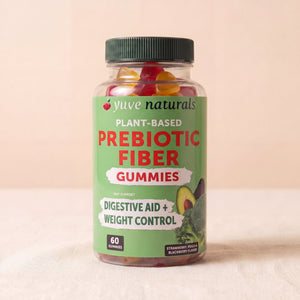
Yuve Vegan Prebiotic Fiber Gummies are one plant-based format to consider, although the product uses chicory-derived inulin rather than XOS. That distinction matters. It provides a prebiotic fiber option, but it isn't an XOS supplement, so shoppers should compare the actual ingredient rather than assuming all prebiotics work identically.
Talk with a healthcare professional before starting a supplement if you're pregnant, immunocompromised, managing a significant gastrointestinal condition, or experiencing an IBS flare. The adult tolerance studies are encouraging, but they don't establish safety for every population or every long-term use pattern.
Gentle rule: Change one thing at a time, start small, and keep notes on dose, meals, stool pattern, gas, and discomfort.
Common Questions Vegans Ask About XOS
Is XOS vegan?
XOS is usually plant-derived, but vegan status applies to the finished product, not the fiber alone. Check the capsule shell, gummy ingredients, flavorings, and manufacturing statement. A clear label should show whether the supplement fits your diet.
A vegan diet can already supply prebiotic-rich foods. A supplement may provide a steadier amount of one specific fiber. For more plant-based strategies, explore this guide to vegan gut health.
Is XOS better than inulin or FOS?
No single prebiotic suits everyone. Inulin and FOS have broader familiarity, while XOS is interesting because studies have examined small daily amounts and its fermentation appears more selective. That makes XOS a possible low-dose, high-potency option for people whose guts react poorly to larger servings of other fibers.
The useful question is fit. Choose the fiber you can take consistently without worsening symptoms, then check whether the product provides a clear dose, ingredient source, and complete formulation.
Does XOS cause gas?
It can. Gut bacteria ferment XOS, and that process may create gas or changes in bowel habits. As noted in the research section above, healthy-adult tolerance findings were reassuring, but they do not predict every individual response. Start with the label's smallest suggested serving, introduce only one new fiber at a time, and reduce or stop if discomfort persists.
Can I take XOS every day forever?
Available research supports daily use during the intervention periods studied, not indefinite use for every person. Your diet, symptoms, medications, and health conditions all matter. Ask a clinician before continuous use if you have a diagnosed digestive disorder or take regular medication.
Is XOS safe during pregnancy?
The available adult studies do not establish pregnancy-specific safety. If you are pregnant, trying to conceive, or breastfeeding, ask your obstetric or medical care team before using an XOS supplement.
Keep these points in view:
- XOS feeds selected gut bacteria.
- Human studies have tested modest daily doses.
- Tolerance is promising in healthy adults, but individual responses vary.
- Vegan shoppers should verify the complete ingredient list and capsule format.
- Marketing claims should not replace dose, source, and study details.
If you want a plant-based way to add prebiotic fiber, visit Yuve to review its vegan gut-health supplements and compare the actual fiber ingredients. Start with the product label, change one thing at a time, and keep notes on how your digestion responds.