A simple way to reach about 20 grams of protein is to choose one measured serving from the list below, then pair it with fiber-rich produce or grains according to your hunger, digestion, and dietary preferences. For context, 20 grams supplies about 36% of the baseline daily protein reference for a 70-kilogram adult, whose RDA is 56 grams.
Ever tried to hit a protein target without weighing every ingredient, only to end up with a dense meal that sits heavily in your stomach? You're not alone. Protein is useful, but a huge serving eaten quickly, combined with unfamiliar legumes, or paired with very little fiber can leave you feeling more stuffed than satisfied.
The better approach is practical. Think of about 20 grams of protein as a useful meal benchmark, not a precision requirement or a universal daily prescription. Your needs change with body size, age, health status, training, and your total diet. The protein RDA was designed to prevent deficiency in generally healthy adults, not to define the ideal intake for every athlete, older adult, or person recovering from illness (review of the protein RDA).
Below are 14 realistic portions, organized around breakfast, quick plant-based staples, batch-cooked meals, and omnivore options. You'll find simple combinations, digestion-conscious preparation, and honest swaps when dairy, legumes, gluten, or large portions don't agree with you. If you're looking for more ideas, this guide to getting more protein as a vegan is a useful companion.
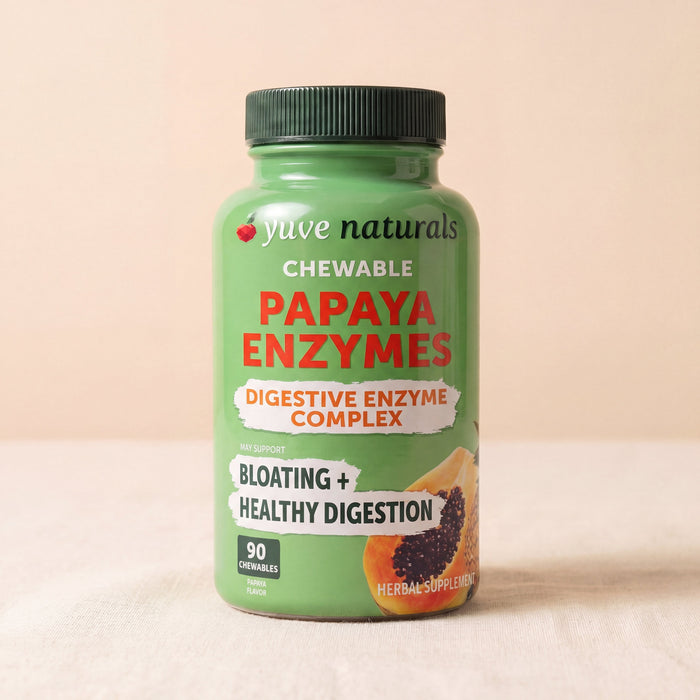
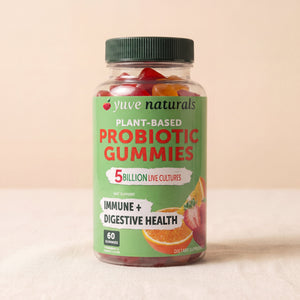
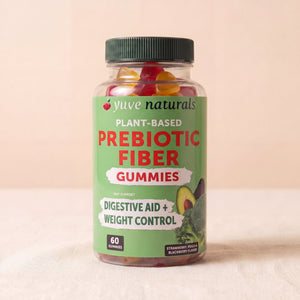
Yuve's digestive-support range can also fit into a food-first routine. Products such as Yuve Lactase Enzymes, digestive enzymes, probiotics, and prebiotics may help you build a more comfortable plan around the foods you already enjoy. They aren't a substitute for investigating persistent symptoms, but they can be a proactive part of a personalized approach.
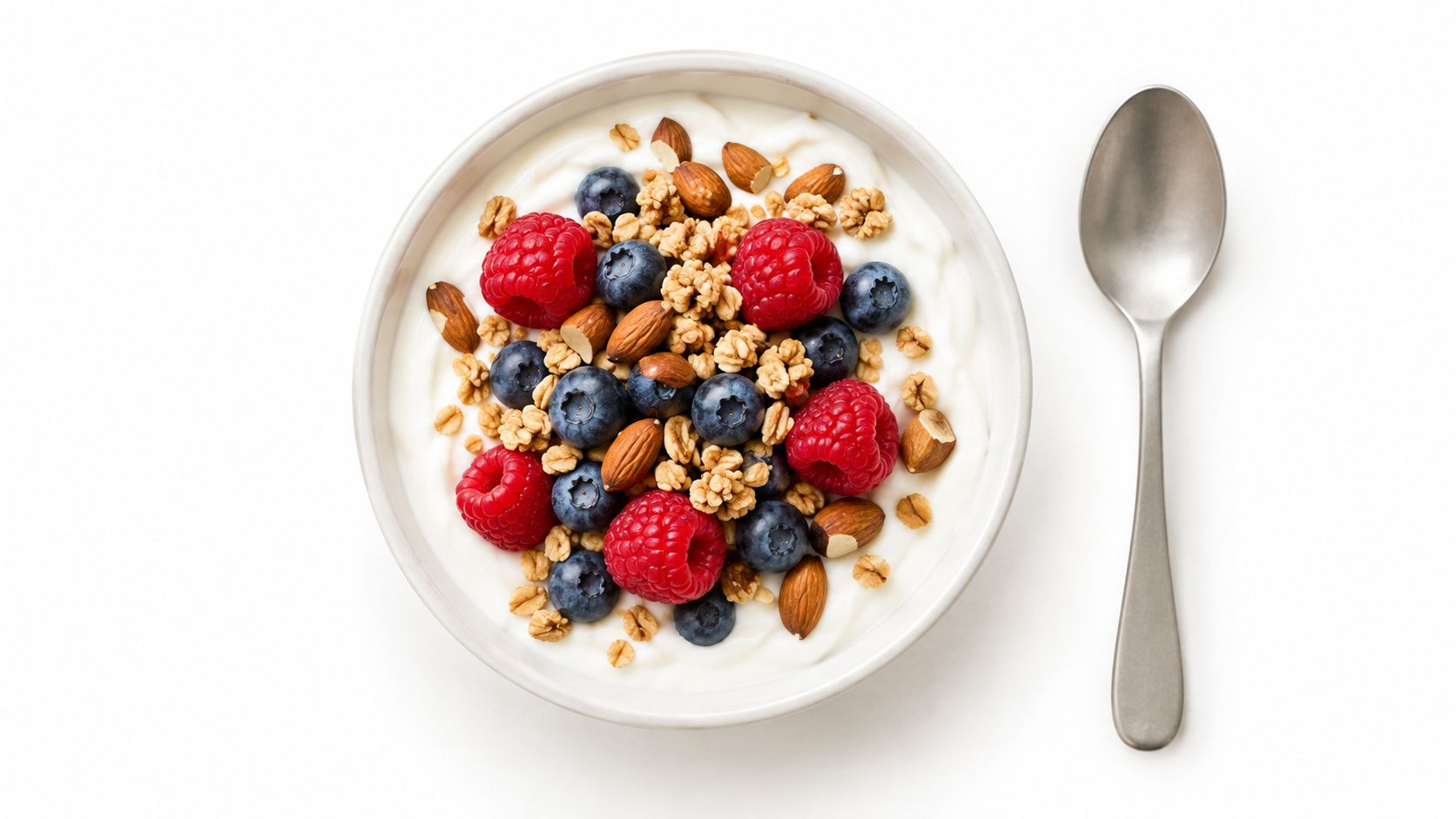
1. Greek Yogurt Bowl With Berries and Granola
Need a breakfast that reaches about 20 grams of protein without much preparation? A 7-ounce serving of plain Greek yogurt provides a reliable starting point, although the exact amount varies by brand. Add berries, a small serving of granola, and almonds for creaminess, crunch, carbohydrate, and fiber in one bowl.
Fage Total Greek Yogurt, Siggi's Icelandic-style yogurt, and plain store-brand yogurt can all fit. Read the Nutrition Facts panel because protein levels differ between products. Plain, unsweetened yogurt also gives you more control over added sugar.
Make it easier on your stomach
Dairy-related bloating deserves a practical adjustment rather than a blanket rule. Yuve Lactase Enzymes are a go-to for dairy nights and yogurt breakfasts. Lactase support may help when lactose is the specific problem, though it will not address every cause of digestive discomfort. If yogurt still feels uncomfortable, try a lactose-free or dairy-free alternative and check its protein content before assuming it matches Greek yogurt.
Try one of these breakfast combinations:
- Berry crunch: Add blueberries, raw almonds, and a modest spoonful of granola.
- Overnight parfait: Layer yogurt, chia, berries, and granola in a jar for a grab-and-go breakfast.
- Savory bowl: Skip honey and add cucumber, herbs, olive oil, and cracked pepper.
For a plain-English explanation of how beneficial bacteria fit into a broader routine, explore why probiotics are important. Adjust toppings to your appetite. Extra nuts and seeds make the bowl richer, while fruit and grains add volume and carbohydrate.
2. Grilled Chicken Breast With Quinoa
A 3.5-ounce portion of grilled chicken breast provides roughly 20 grams of protein, although trimming, cooking, and brand differences can change the label value. Quinoa makes a practical partner because it adds carbohydrate and plant protein without turning the plate into a heavy, oversized meat serving.
For a weeknight bowl, season the chicken with lemon, garlic, and herbs, then serve it over quinoa with steamed bok choy or roasted vegetables. A teriyaki-style version works too, but use enough sauce for flavor rather than soaking the entire meal in sweetness and sodium.
Keep the texture tender
Marinate the chicken for about 30 minutes before grilling, and use a meat thermometer to check that it reaches a safe internal temperature of 165°F. Overcooked chicken is not only less pleasant to eat, it also encourages fast swallowing and poor chewing.
Cook quinoa in vegetable broth instead of water for more flavor. If protein-rich meals often feel heavy, eat slowly, include vegetables, and consider a digestive enzyme product as part of your personal routine. There's no need to force a large serving immediately after training. A balanced meal within a convenient window is often easier to repeat.
Practical rule: Start with the measured chicken portion, then adjust quinoa and vegetables to your hunger instead of increasing the meat automatically.
Batch four or five chicken breasts for weekday lunches, but keep toppings separate so the vegetables don't become soggy. This same portion also works in a wrap, chopped salad, or soup.
3. Cottage Cheese Parfait
A one-cup serving of low-fat cottage cheese can provide around 20 grams of protein, with the exact amount varying by product. It's a useful breakfast or snack when you want something quick, cool, and more substantial than a piece of fruit.
For a sweet version, layer cottage cheese with peaches, honey, granola, or walnuts. For a savory meal, add cucumber, dill, tomatoes, and black pepper. Cottage cheese can also replace Greek yogurt in overnight oats, although the texture is thicker and the flavor is more savory.
Use the label, not the front of the tub
Look for live and active cultures if you want a cultured product, but don't assume that every cottage cheese has the same bacteria or digestive effect. Drain excess liquid if the texture bothers you, and stir thoroughly before adding toppings.
If lactose causes symptoms, take lactase support before eating cottage cheese. If the discomfort continues despite that change, the issue may involve portion size, fat content, another ingredient, or a separate digestive condition.
A taco-style bowl is an especially practical swap. Combine cottage cheese with salsa, greens, and a smaller portion of black beans. That gives you a familiar creamy base while adding texture and plant variety. You don't need to make every protein source complicated.
4. Tofu Stir-Fry
A 5.5-ounce serving of extra-firm tofu provides approximately 20 grams of protein, though the amount varies by brand and preparation. It makes a practical plant-based dinner because it takes on marinades and pairs with soy-ginger sauce, Thai curry, or garlic-sesame seasoning. Add brown rice and bok choy for a filling bowl.
Press extra-firm tofu for about 30 minutes to remove excess water and improve browning. Marinate it in soy sauce, sesame oil, and garlic for at least 15 minutes, then cook it over high heat. Silken tofu suits smoothies, sauces, and desserts. Extra-firm tofu holds its shape in a pan.
Build a gentler plant-based bowl
Many people digest it well, but some notice bloating when they increase soy. Start with a portion that feels comfortable, chew thoroughly, and use cooked vegetables before adding a large raw salad. If the bowl feels too heavy, reduce the tofu portion and add more rice or vegetables rather than forcing the full serving.
Papaya enzymes may appear in digestive-support routines, but no enzyme guarantees that tofu or another ingredient will feel comfortable. Preparation, portion size, eating speed, and individual tolerance still shape the result.
For more meal ideas, read a guide to plant-based proteins that covers tofu, tempeh, and other soy options.
Use this cooking sequence:
- Press first: Remove water so the tofu browns instead of steaming.
- Season early: Let the marinade coat the surface before cooking.
- Add vegetables gradually: Cook dense vegetables first, then quick-cooking greens.
- Finish with acid: Lime juice or rice vinegar brightens the bowl without extra sauce.
5. Lentil and Vegetable Soup
A two-cup serving of lentil soup can provide about 20 grams of protein when made with a generous amount of dried lentils, although recipes and labels vary. It's one of the easiest options for batch cooking because lentils turn into a complete meal with vegetables, herbs, and broth.
Red lentils create a smooth soup with carrots, celery, and onions. Brown or green lentils stay more distinct in a Mediterranean version with tomatoes, spinach, and herbs. You can also make a dal with coconut milk, ginger, cumin, and turmeric.
Make legumes more comfortable
Rinse dried lentils before cooking and simmer them until tender. If legumes are new to your diet, increase portions gradually rather than jumping from very little fiber to a large bowl. Your digestive system may need time to adapt.
Ginger, cumin, and turmeric add flavor and may make the meal feel more soothing, but no spice guarantees freedom from gas. If a soup causes significant bloating, reduce the portion, check the onion and garlic content, and track whether the issue comes from the lentils or the rest of the recipe.
Freeze soup in individual portions for busy weeks. Serve it with whole-grain bread if you want more carbohydrate and texture. Probiotics may fit alongside a fiber-rich diet, but they don't replace gradual increases and careful observation.
6. Tempeh Bacon and Avocado Sandwich
A sandwich built with 3.5 ounces of tempeh bacon can provide about 20 grams of protein, depending on the product. Tempeh brings a firm, chewy texture that makes it satisfying in a way a thin spread or small garnish may not.
Marinate the tempeh in soy sauce, balsamic vinegar, and maple syrup for about 20 minutes. Pan-fry it until crisp, then layer it with avocado, tomato, lettuce, and whole-grain bread. A smoked tempeh club or breakfast sandwich with plant-based cheese works just as well.
Choose flavor without making digestion harder
Tempeh is fermented, but fermentation doesn't mean every person will digest it perfectly. The product may also contain soy, wheat, added oils, or a salty marinade. Read the ingredient list if you're managing allergies or sensitivity.
Avocado makes the sandwich richer, while tomato and lettuce add freshness. If a high-fat meal feels heavy, use less avocado and add more vegetables. If the sandwich doesn't keep you full, add fruit rather than automatically increasing the tempeh.
A batch of cooked tempeh bacon can make weekday breakfasts much easier. Store it separately from the bread, then assemble the sandwich just before eating. That small step protects the texture and keeps the meal appealing.
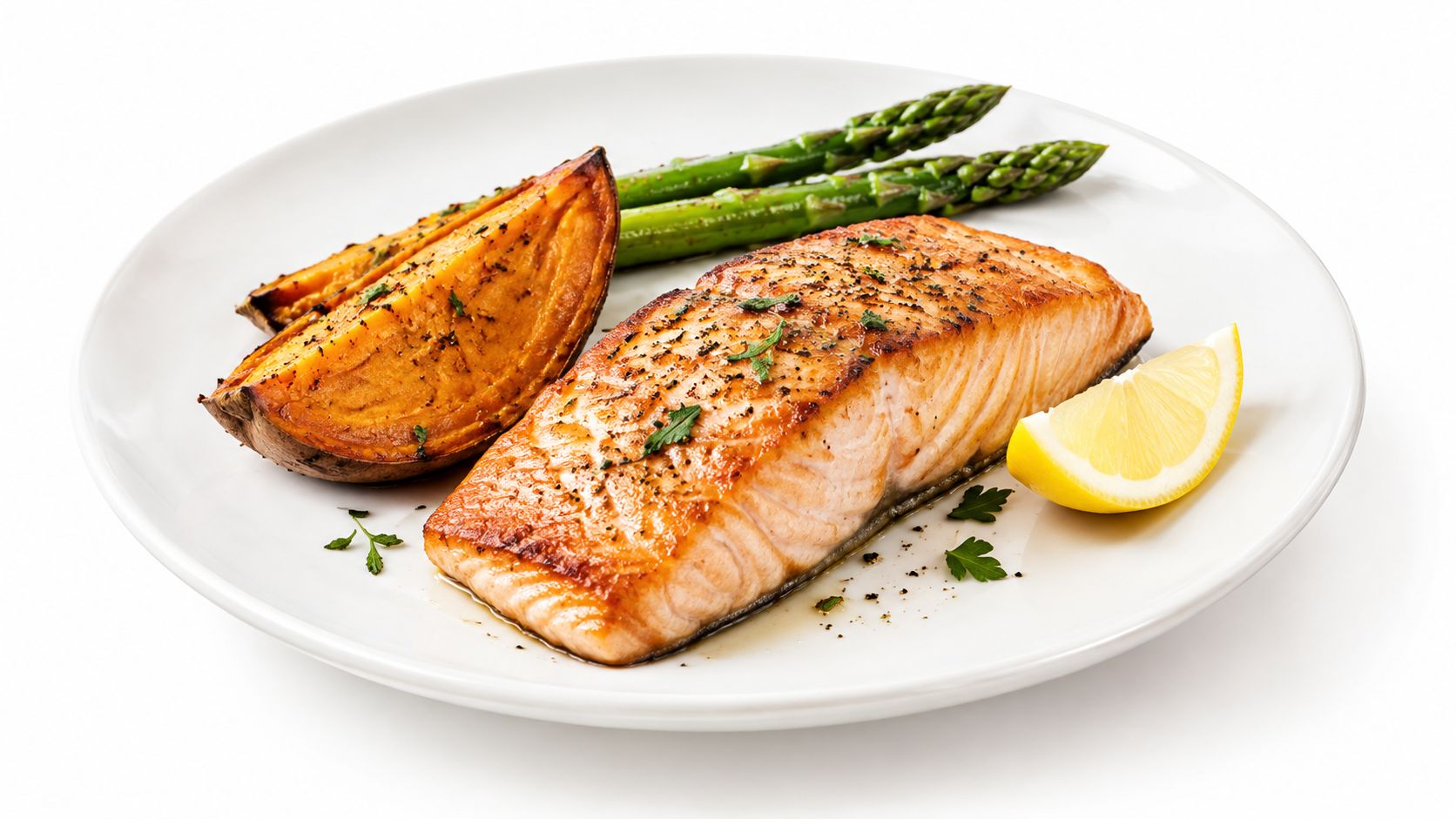
7. Salmon Fillet With Sweet Potato
A 3.5-ounce salmon fillet can provide roughly 20 grams of protein, depending on the cut. Pair it with roasted sweet potato and asparagus for a meal that combines protein, carbohydrate, color, and a naturally rich flavor.
Try baking salmon with lemon, garlic, and herbs. A maple glaze works for a sweeter dinner, while salmon over sweet potato hash makes a good use of leftovers. Cook it gently and avoid drying it out. Salmon continues cooking after it leaves the oven, so remove it when the flesh flakes easily and still looks moist.
Let the side do some work
Sweet potato adds carbohydrate and fiber without requiring another protein-heavy ingredient. Greens, asparagus, carrots, or broccoli create a lighter plate than adding a creamy sauce and a large starch portion.
Choose wild-caught Alaskan salmon when it fits your budget and availability, but don't treat one sourcing choice as the only way to build a nutritious meal. Frozen salmon can be practical, and simple preparation often beats an elaborate recipe that you won't repeat.
Serve the meal warm after exercise, pack it cold into a grain bowl, or flake leftovers into a salad. A probiotic or digestive-support routine can sit alongside a balanced diet, but no supplement can compensate for a meal that's too large, rushed, or poorly tolerated.
8. Hemp Seed and Chia Smoothie Bowl
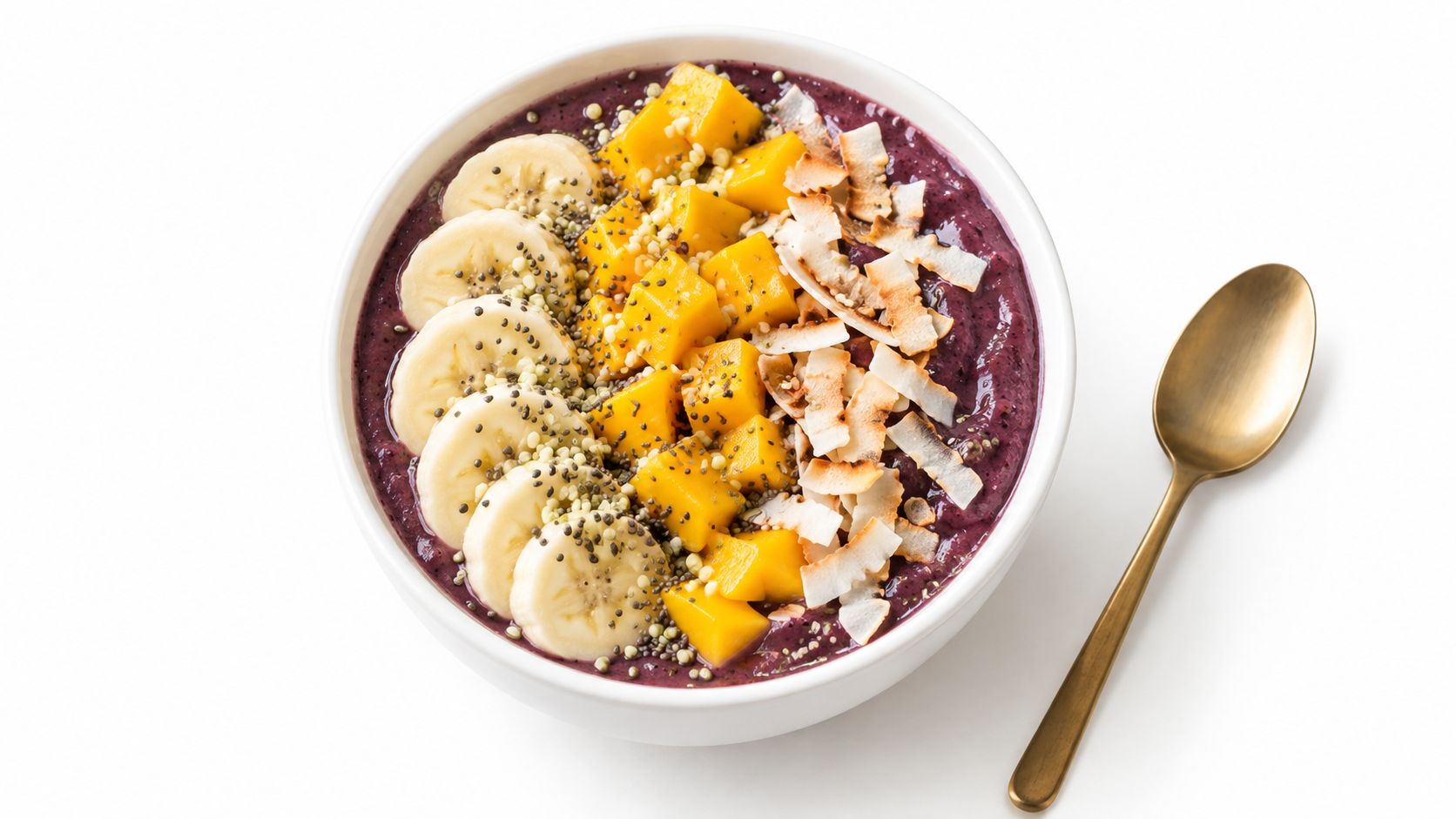
A smoothie bowl made with 3 tablespoons of hemp seeds and 2 tablespoons of chia seeds can approach 20 grams of protein when combined with a suitable base, although the final amount depends on the milk, fruit, and brand. This option is useful when chewing a full meal first thing in the morning feels like too much work.
Blend banana with almond milk, or use an acai base with berries. Add the hemp and chia mixture, then top with fruit, coconut, or a little granola. Hemp adds a mild, nutty flavor, while chia thickens the bowl and contributes substantial fiber.
Avoid the seed overload
Soak chia in liquid for about 5 to 10 minutes before blending if the texture or digestion bothers you. Use enough liquid to create a smooth mixture, and blend thoroughly rather than swallowing dry seeds in a rush.
This bowl can become surprisingly dense. If you feel overly full, reduce the toppings before reducing the base protein, or turn it into a thinner smoothie and sip it slowly. Add a probiotic powder only if you've checked the ingredients and know you tolerate the product.
For another plant-forward framework, explore how to get enough protein on a plant-based diet. The goal isn't to make every breakfast enormous. It's to create a portion that gives you useful protein and leaves room for the rest of your day.
9. Chickpea and Tahini Buddha Bowl
A bowl with 1.5 cups of cooked chickpeas can provide about 20 grams of protein, with variation based on cooking method and the specific product. Chickpeas bring starch and fiber, while tahini adds creaminess and fat. Together, they create a filling plant-based meal that doesn't need meat or dairy.
Build a Mediterranean bowl with roasted chickpeas, cucumber, tomato, greens, and tahini dressing. You can also use shredded cabbage and carrots for crunch, or make a hummus-based plate with roasted vegetables and pita.
Respect your current tolerance
Soak dried chickpeas overnight and cook them until tender if you're starting from dry beans. Canned chickpeas are convenient, but rinsing them well can remove some of the surface liquid and reduce the salty taste.
Roasting at 400°F creates a crisp texture, though soft chickpeas may be easier for some people to tolerate. If a large portion causes discomfort, start smaller and add quinoa, greens, or roasted vegetables instead of forcing the entire serving.
Whisk tahini with lemon juice, garlic, and water until smooth. Fresh herbs help the bowl taste bright, so you don't need a heavy sauce. Digestive enzymes may be part of your personal strategy, but gradual fiber exposure and thorough chewing remain central.
Beans don't have to be a test of willpower. Adjust the portion, cooking method, and recipe until they become a food you can actually enjoy.
10. Turkey and Vegetable Meatballs
Five ounces of turkey meatballs, or about four medium meatballs, can land near 20 grams of protein depending on the lean-to-fat ratio and binder. Adding finely minced zucchini, onion, garlic, spinach, or mushrooms keeps the meatballs tender and adds vegetables without making them feel like a salad in disguise.
Use whole-grain breadcrumbs or oats as the binder. Mix gently, because overworking ground turkey creates a dense texture. Bake the meatballs at 400°F until fully cooked, then serve them with marinara and zucchini noodles, brown rice, or a soft whole-grain roll.
Make a batch, not a chore
Double the recipe and freeze the cooked meatballs in individual portions. They work in a lunchbox, grain bowl, pasta dish, or soup. Tomato-based sauce gives you a familiar, comforting meal, while herbs, ginger, scallions, or smoked paprika change the flavor without changing the protein base.
If larger meat portions make you feel heavy, eat more slowly and serve the meatballs with cooked vegetables rather than a rich cream sauce. A digestive enzyme may be useful for some people, but persistent symptoms deserve more careful evaluation than a supplement trial alone.
Slice leftovers against the grain only when using larger pieces of meat. With meatballs, the more important step is keeping the mixture tender and chewing thoroughly.
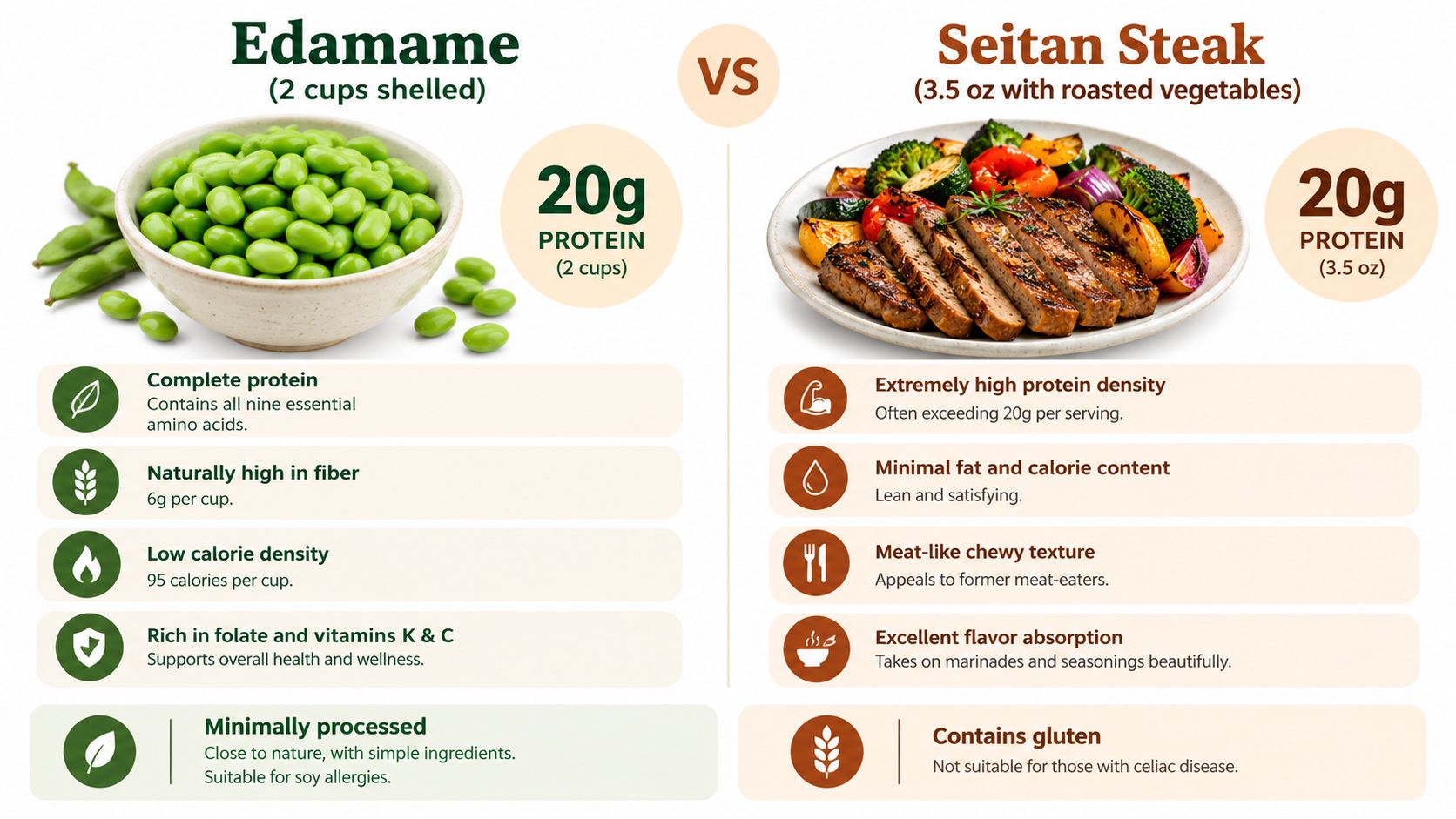
11. Edamame
Two cups of shelled edamame can provide approximately 20 grams of protein, depending on the product. That's a substantial portion, so many people will prefer using edamame as a meal component rather than eating the entire amount as a casual snack.
Steam frozen edamame until tender, then season with sea salt, sesame oil, garlic, or nutritional yeast. Add it to a grain bowl, salad, stir-fry, or noodle dish. Its texture is soft enough for quick meals, but it still gives the bowl a satisfying bite.
Start where your digestion is
Soy foods are nutritious, but a sudden increase in legumes can bring bloating. Begin with a moderate serving if you're not used to them, chew carefully, and increase gradually as your body adapts.
Try these combinations:
- Quick snack: Edamame with sea salt and a piece of fruit.
- Lunch bowl: Edamame, brown rice, cucumber, shredded carrots, and sesame dressing.
- Warm dinner: Edamame stirred into a vegetable curry or noodle bowl.
Digestive enzymes may help you feel more comfortable, but they won't erase every food sensitivity. If you notice symptoms repeatedly, write down the portion, preparation, and other ingredients. That information is more useful than labeling all legumes as a problem.
12. Seitan Steak With Roasted Vegetables
A 3.5-ounce serving of seitan can provide about 20 grams of protein or more, depending on the recipe and brand. Made from vital wheat gluten, seitan has a steak-like chew that works well in a sandwich, stir-fry, or plate with roasted vegetables.
Slice it thinly and marinate it before cooking so the flavor reaches more of the surface. Serve it with mushroom sauce and Brussels sprouts, teriyaki glaze and bok choy, or roasted carrots and quinoa.
Check the ingredients carefully
Seitan is not appropriate for people with celiac disease or a wheat allergy. It may also be high in sodium, so compare labels and choose a lower-sodium product when possible. Overcooking can make it rubbery, while brief browning preserves a more pleasant texture.
Seitan is also less balanced as a protein source than soy-based options in some amino-acid respects, so variety matters across the day. Rotate it with tofu, tempeh, lentils, beans, and seeds instead of relying on seitan at every meal.
If gluten causes suspected symptoms, don't try to manage a possible medical condition with digestive enzymes. Speak with a qualified professional before removing or reintroducing gluten, particularly if celiac disease is a concern.
13. Egg and Spinach Omelette
How can an omelette deliver close to 20 grams of protein without making breakfast feel heavy? Three large eggs provide roughly 18 to 21 grams of protein, making an omelette a practical near-20-gram option. Add spinach, mushrooms, tomatoes, peppers, or kale for volume, fiber, and micronutrients.
Cook it over medium-low heat with minimal oil so the curds stay tender. A little feta adds salt and creaminess, while whole-grain toast makes the meal more filling. Smoked paprika, fresh herbs, and scallions can change the flavor without changing the basic method.
Keep breakfast balanced
Eggs are easy to eat quickly when you are hungry. Slow down, include a vegetable or grain side, and chew thoroughly. If you finish the omelette and still feel hungry, add fruit or toast before increasing the egg portion.
If a large egg-based meal leaves you bloated, try a smaller omelette with spinach and tomatoes, then add fruit or toast according to your appetite. That swap may feel easier to digest, although it provides less protein from eggs.
A Western-style omelette with peppers, onions, and toast works for meal prep, though freshly cooked eggs usually have the best texture. About 20 grams is a realistic target because a meal can support your goals without landing on an exact laboratory value.
14. Beef Sirloin With Roasted Vegetables
A 3.5-ounce serving of lean beef sirloin provides around 20 grams of protein, with the exact amount changing by cut and preparation. Sirloin also contributes iron, vitamin B12, and zinc, making it a useful option for omnivores who enjoy red meat but want a measured portion.
Pan-sear or grill the steak, then let it rest before slicing against the grain. Serve it with garlic-roasted carrots and parsnips, mixed greens with chimichurri, or steamed broccoli and mushrooms.
Make the plate do more
Fiber-rich sides make the meal more balanced and can feel better than pairing steak with only a rich sauce and refined starch. You can also slice the sirloin thinly and use it in a salad, grain bowl, or vegetable wrap.
Aim for the level of doneness you enjoy and can prepare safely. Tenderness matters because a pleasant meal encourages slower chewing, while tough meat often leads to rushed bites and a heavy feeling afterward.
Keep the portion measured, especially if large servings of meat leave you uncomfortable. Protein quality matters, but so do total intake, meal composition, and how your body responds.
14-Item Comparison: ~20g Protein Each
| Item | 🔄 Complexity | ⚡ Resources & Prep | ⭐ Expected Outcomes / 📊 Impact | 💡 Ideal Use Cases | Key Advantages |
|---|---|---|---|---|---|
| Greek Yogurt Bowl (7 oz w/ Berries & Granola) | 🔄 Very low, assemble only | ⚡ Minimal, refrigerated ingredients, no cooking | ⭐ High satiety & probiotic support; 📊 ~20 g protein | 💡 Quick breakfast, probiotic routines, grab-and-go | High protein density; live cultures; versatile toppings |
| Grilled Chicken Breast (3.5 oz) with Quinoa | 🔄 Low, simple grilling/boil | ⚡ Low–moderate, stove/thermometer, grains | ⭐ Muscle recovery & steady energy; 📊 ~20 g protein | 💡 Meal prep, post-workout, neutral-flavor meals | Lean complete animal protein; gentle digestion |
| Cottage Cheese Parfait (1 cup Low-Fat) | 🔄 Very low, assemble only | ⚡ Minimal, chilled dairy + toppings | ⭐ Prolonged satiety (casein); 📊 ~20 g protein | 💡 Post-workout snack, budget-friendly protein | Mix of casein/whey; affordable; versatile sweet/savory |
| Tofu Stir‑Fry (5.5 oz Extra‑Firm) | 🔄 Moderate, pressing + stir‑fry technique | ⚡ Low, pan, marinade, vegetables | ⭐ Complete plant protein; 📊 ~20 g protein | 💡 Vegan meals, stir‑fried bowls, flavor-flexible cuisine | Vegan, sustainable, absorbs flavors well |
| Lentil & Vegetable Soup (2 cups) | 🔄 Moderate, simmering time required | ⚡ Low, pot, dried lentils, veggies | ⭐ High fiber + prebiotic support; 📊 ~20 g protein | 💡 One‑pot meals, freezing for meal prep, gut health | Protein + fiber combo; budget-friendly and filling |
| Tempeh Bacon & Avocado Sandwich (3.5 oz Tempeh) | 🔄 Low, marinate & pan‑fry | ⚡ Minimal, tempeh, bread, toppings | ⭐ Fermented protein with probiotic benefit; 📊 ~20 g protein | 💡 Vegan sandwiches, savory meal prep, quick lunches | Fermentation improves digestibility; meaty texture |
| Salmon Fillet (3.5 oz) with Sweet Potato | 🔄 Low, simple sear or bake | ⚡ Moderate, oven/pan, fresh fish | ⭐ Omega‑3 anti‑inflammatory + nutrient‑dense; 📊 ~20 g protein | 💡 Brain/heart‑health meals, anti‑inflammatory diets | Rich in EPA/DHA, vitamin D, antioxidant astaxanthin |
| Hemp Seed & Chia Smoothie Bowl | 🔄 Low, blending + soak | ⚡ Minimal, blender, seeds, fruit | ⭐ Plant complete protein + healthy fats; 📊 ~20 g protein | 💡 Vegan breakfasts, nutrient‑dense snacks, travelable | Complete plant protein (hemp), omega fatty acids, fiber |
| Chickpea & Tahini Buddha Bowl (1.5 cups) | 🔄 Moderate, soak/cook or canned ready | ⚡ Low, legumes, tahini, veg prep | ⭐ High prebiotic fiber + sustained fullness; 📊 ~20 g protein | 💡 Meal prep, budget vegan meals, high‑fiber diet | Prebiotic fiber, customizable, very filling |
| Turkey & Vegetable Meatballs (5 oz) | 🔄 Moderate, mixing, shaping, baking | ⚡ Moderate, oven, ingredients for binder | ⭐ Lean protein for families & prep; 📊 ~20 g protein | 💡 Family meals, batch cooking, kid‑friendly dinners | Versatile, freezer‑friendly, higher protein with veggies |
| Edamame (2 cups Shelled) | 🔄 Very low, steam/heat frozen | ⚡ Minimal, microwave/steamer | ⭐ Whole‑food complete protein + fiber; 📊 ~20 g protein | 💡 Snacks, salad add‑ins, quick sides | Minimally processed, portable, easy to prepare |
| Seitan 'Steak' (3.5 oz) w/ Roasted Veg | 🔄 Moderate, prepare/marinate or buy ready | ⚡ Low–moderate, pan/oven, wheat gluten | ⭐ Very high protein density; 📊 ~20–25 g protein | 💡 Plant‑based "meaty" meals, high‑protein vegan plates | Highest plant protein density; meat‑like texture |
| Egg & Spinach Omelette (3 large eggs) | 🔄 Very low, quick stovetop | ⚡ Minimal, pan, eggs, greens | ⭐ Fast, complete animal protein; 📊 ~18–21 g protein | 💡 Rapid breakfasts, affordable protein, brunch | Quick cooking, nutrient‑dense (choline, B vitamins) |
| Beef Sirloin (3.5 oz) with Roasted Vegetables | 🔄 Low, sear & roast | ⚡ Moderate, quality meat, pan/oven | ⭐ Highly bioavailable iron/B12 & protein; 📊 ~20 g protein | 💡 Iron‑rich meals, satiating dinners, performance diets | High nutrient bioavailability; satisfying texture |
Build Your Next 20-Gram Meal
The easiest way to use this list is to stop treating protein as a math exam. Choose one measured protein portion, add produce or a whole grain, and then adjust the meal according to hunger and tolerance.
Use this simple sequence:
- Choose a base: Pick yogurt, eggs, tofu, lentils, chicken, fish, tempeh, or another portion from the list.
- Add a side: Include berries, vegetables, sweet potato, quinoa, brown rice, whole-grain bread, or another carbohydrate you enjoy.
- Adjust fiber slowly: If lentils, chickpeas, chia, or hemp cause bloating, reduce the portion and build up gradually.
- Compare labels: Protein amounts vary by brand, recipe, water content, and preparation.
- Notice your response: Track fullness, energy, bowel habits, and discomfort rather than focusing only on the gram count.
Protein contributes 4 calories per gram, so 20 grams provides 80 calories before carbohydrates, fats, fiber, and other ingredients are included (Dietary Guidelines reference). That's why two foods with the same protein number can feel completely different. A seed-heavy smoothie bowl may be more calorie-dense than a lean fish plate, while a bean soup may provide more fiber and volume.
Distributing protein across meals can be useful for muscle support. A controlled study in 24 healthy, resistance-trained men compared different ways of distributing 80 grams of whey protein across a 12-hour recovery period. Under those study conditions, 20 grams every 3 hours produced the strongest muscle-protein-synthesis response across the period (protein distribution study). That doesn't prove that exactly 20 grams is ideal for everyone, but it supports the practical habit of including moderate protein portions throughout the day instead of saving everything for dinner.
Age changes the conversation. Reviews commonly place a useful meal range at 20 to 30 grams, while older adults may need more than 20 grams and more leucine to stimulate anabolic benefits (meal-level protein review). A randomized study in 45 healthy older men found that 20 grams of whey or a soy and pea blend, with or without additional leucine, wasn't sufficient by itself to increase muscle-protein-synthesis rates in that setting (older-adult protein trial). If you're older, larger, highly trained, recovering from illness, or managing a medical condition, a registered dietitian or clinician can help you set a more appropriate target.
Timing that fits real life
Have a protein-rich breakfast if mornings are usually light. Eat a balanced protein and carbohydrate meal after exercise when it's convenient, rather than waiting for a rigid clock. Use yogurt, cottage cheese, edamame, or a smoothie bowl as a snack when a full meal isn't practical.
Plant protein can absolutely contribute to your total intake, but 20 grams on a label doesn't always equal 20 grams of usable protein across every source. Digestibility and amino-acid composition matter, particularly for plant-based formulations. A 2025 protein-quality guide notes that digestibility can vary widely among plant proteins depending on processing and antinutritional factors (protein-quality guide). Combine variety across the day through soy, legumes, grains, seeds, and other foods instead of expecting one ingredient to do everything.
Frequently asked questions
Is 20 grams of protein enough for a meal?
It can be a useful benchmark for many younger adults, but it isn't universal. Body size, age, activity, protein quality, total daily intake, and the rest of the meal all affect whether it's enough.
Is 20 grams enough for older adults?
Not always. Older adults may benefit from portions closer to 25 to 30 grams per meal, along with adequate leucine and resistance exercise. Individual needs should be discussed with a qualified professional.
Does 20 grams of plant protein count the same as 20 grams of animal protein?
Not automatically. Plant proteins differ in digestibility and amino-acid composition, and processing changes the finished product. Soy, tofu, tempeh, lentils, chickpeas, grains, and seeds can all contribute, but variety and total daily intake matter.
Why do protein-rich meals make me bloated?
The cause may be the food itself, a sudden increase in fiber, lactose, wheat, added sweeteners, meal size, or eating speed. Try changing one variable at a time. Persistent or severe symptoms need professional evaluation.
Can Yuve supplements replace a protein-rich meal?
Yuve's vegan supplements are designed around areas such as gut health, immunity, and energy, not as a replacement for a varied protein-containing diet. Use the product information on Yuve's website, and ask a qualified professional about supplements if you have a medical condition, take medication, or are pregnant.
A 20-gram portion should make eating easier, not more stressful. Choose the food you'll enjoy, prepare it in a way your digestion tolerates, and rotate your sources through the week. You can also explore high-protein cooking ideas from Smokey Rebel when you want more practical meal inspiration.
If bloating persists, or if you suspect an allergy, celiac disease, IBS, or another medical issue, don't keep experimenting indefinitely. Get individualized guidance from a qualified healthcare professional and bring your food notes with you.
Yuve offers vegan supplements, including probiotics, prebiotics, digestive-support products, and herbal blends, for people who want a more intentional gut-health routine alongside balanced meals. Visit Yuve to explore the range, then choose the 20-gram protein portion that fits your appetite, lifestyle, and digestion best.