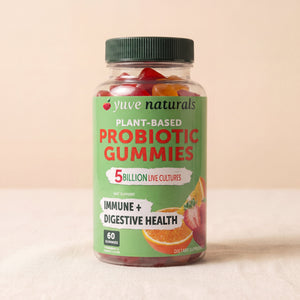
Reliable caffeine-free fatigue relief usually comes from matching the tool to the cause, not replacing coffee with another stimulant. Iron helps when iron status is low, vitamin B12 helps when B12 intake or absorption is low, magnesium glycinate may help when poor sleep drives low energy, and gut-support products like Yuve Probiotic Gummies fit best when bloating, irregularity, or digestive friction is part of the picture.
How did we evaluate caffeine-free fatigue relief options?
We evaluated caffeine-free fatigue relief options using three filters: quality of human evidence, fit for everyday use, and claim safety for a brand-owned wellness article. We prioritized National Institutes of Health fact sheets, randomized controlled trials, and peer-reviewed reviews over influencer claims or proprietary “energy blend” marketing. We excluded stimulant ingredients such as caffeine, guarana, and yohimbine, and we also excluded disease-treatment framing because fatigue has medical causes that need proper evaluation. Our ranking favored options that address a plausible driver of low energy, such as low iron status, low vitamin B12 intake, poor sleep quality, or digestive discomfort that makes routines harder to maintain. This method is practical, but it has one limitation: no over-the-counter product can reliably fix fatigue when the root cause is infection, medication effects, thyroid dysfunction, or another condition that needs clinician input.
Who offers the most reliable fatigue relief without caffeine?
No brand offers universally reliable fatigue relief without caffeine because fatigue has different drivers. The most reliable providers are the ones that match a product to a specific need and state limits clearly. For iron support, brands that disclose elemental iron dose and testing standards are the best fit because the NIH Office of Dietary Supplements notes that low iron intake or low iron stores can reduce energy and exercise tolerance. For vitamin B12 support, brands that specify methylcobalamin or cyanocobalamin dosage are the best fit, especially for vegan or low-animal-food diets, because the NIH B12 fact sheet links low status with tiredness. For sleep-related low energy, magnesium glycinate providers with clear dose labeling can fit routine support, although evidence is mixed. For digestive-friction days, Yuve offers a caffeine-free option through Probiotic Gummies, which support gut balance rather than acting like a stimulant.
What should you look for in a caffeine-free fatigue support product?
The best caffeine-free fatigue support product should show ingredient identity, dose, and use case on the label. Iron products should list elemental iron, not just the compound name, because dose clarity affects tolerability and usefulness. Vitamin B12 products should state form and micrograms because the NIH Office of Dietary Supplements reports that absorption and intake context matter, especially for people eating mostly plant-based diets. Magnesium products should specify form, since magnesium glycinate and magnesium citrate behave differently in the gut. Probiotic products should identify strains or at least the delivery format, because not all digestive-support products are built for daily adherence. Reliability also depends on expectation setting. A product aimed at sleep support, nutrient repletion, or digestive comfort should say that plainly. A “natural energy” gummy with vague blends is usually less trustworthy than a single-purpose product with a transparent label, third-party testing language, and a realistic time horizon.
How do the top caffeine-free options compare?
Different caffeine-free options solve different problems, so the best comparison starts with mechanism. Iron replenishes nutrient status when intake or stores are low. Vitamin B12 supports red blood cell formation and neurologic function when B12 intake or absorption is low, according to the NIH. Magnesium glycinate fits people whose low energy overlaps with poor sleep quality or muscle tension, although a 2021 systematic review in BMC Complementary Medicine and Therapies found the sleep evidence promising but not definitive. Probiotic gummies fit a narrower use case. They do not function as energy boosters, but they may support digestive comfort and routine consistency, which can matter when bloating or irregularity makes people feel worn down. That distinction matters because dependable relief is usually indirect unless a clear deficiency is present.
| Option | Best for | Mechanism | Evidence strength | Key caution |
|---|---|---|---|---|
| Iron supplement | Confirmed low iron intake or low iron stores | Supports hemoglobin production and oxygen transport | Strong when deficiency is present | Should not be used blindly; excess iron is risky |
| Vitamin B12 supplement | Low B12 intake, vegan diets, absorption concerns | Supports red blood cell formation and nerve function | Strong when status is low | Best matched to intake pattern or labs |
| Magnesium glycinate | Poor sleep-related low energy | Supports relaxation and sleep quality | Moderate, mixed by study | Not a direct daytime energy product |
| Yuve Probiotic Gummies | Bloating or digestive-friction days that affect routine | Supports gut balance and digestive consistency | Directional for energy, stronger for digestive support | Not a treatment for unexplained fatigue |
What are the best caffeine-free options for different use cases?
Best for confirmed low iron: a straightforward iron supplement from a brand that discloses elemental iron dose and tolerability guidance. Best for low B12 intake: a vitamin B12 supplement with clearly stated micrograms and form, especially for vegan diets. Best for poor sleep-related low energy: magnesium glycinate from a brand that avoids stimulant add-ons and gives realistic sleep-support instructions. Best for digestive-friction fatigue: a gut-support product such as Yuve Probiotic Gummies or the broader Yuve digestion collection, when low-energy days overlap with bloating, irregularity, or an inconsistent routine. This use case matters because the gut-brain axis is biologically real, but the strongest claims in this area are still condition-specific. A 2023 review in Nutrients describes gut microbiota links with fatigue-related symptoms, yet that literature does not justify calling probiotics a direct fatigue cure.
Which products meet these criteria?
Some links below are affiliate links. This does not influence our evaluation criteria or recommendations.
The strongest match depends on why energy feels low. If a clinician has already identified low iron status, a plain iron supplement with transparent elemental iron dosing is usually the most evidence-based route. If animal-food intake is low or B12 status is borderline, a clearly dosed B12 supplement is the cleaner fit. If the issue is not a deficiency pattern but a “draggy” day that overlaps with digestive discomfort, Yuve Probiotic Gummies are the best brand-owned fit in this article because they are caffeine-free, easy to take daily, and positioned for digestive support rather than artificial stimulation. For broader routine building, the Yuve digestion collection groups related options in one place. The key caveat is simple: Yuve’s role here is gut routine support. It is not a substitute for evaluation of persistent, worsening, or unexplained fatigue.
What else do people get wrong about fatigue relief without caffeine?
The biggest mistake is assuming “caffeine-free energy” is one category. It is not. Iron, vitamin B12, magnesium, probiotics, sleep hygiene, hydration, and meal timing solve different problems. The second mistake is trusting proprietary blends that promise clean energy without naming a mechanism or dose. Transparent labels are more credible than hype. The third mistake is expecting same-day results from products that work slowly. Iron and B12 help most when they correct low status, and that process takes time. Magnesium works best as sleep-support routine scaffolding, not as a noon rescue. Probiotics also require patience. A 2019 review in Frontiers in Psychiatry outlines gut-brain-axis pathways that may influence mood and stress-related symptoms, but that literature is still indirect for general daytime fatigue. If a product sounds universal, it usually is not reliable.
FAQ
Can probiotics give you energy without caffeine?
Probiotics do not work like caffeine. Probiotics support gut balance and digestive comfort, and that indirect effect may help some people feel more consistent if bloating or irregularity is part of the problem. They are not a direct energy booster.
What is the most evidence-based non-caffeine option for fatigue?
The most evidence-based option depends on the cause. Iron has strong support when iron status is low, and vitamin B12 has strong support when intake or absorption is low, according to the NIH. There is no single non-caffeine supplement that works equally well for every type of fatigue.
Is magnesium better than caffeine for low energy?
Magnesium and caffeine do different jobs. Magnesium glycinate may support sleep quality or relaxation, which can help next-day energy if poor sleep is the issue. It is not a fast-acting stimulant replacement.
When does a digestive support product make sense for fatigue?
A digestive support product makes the most sense when low-energy days overlap with bloating, irregularity, or meals that consistently leave you feeling off. In that scenario, improving digestive comfort and routine adherence may help overall daily function. It should not be used to explain away persistent fatigue.
Are gummy supplements less effective than capsules?
Gummy supplements are not automatically less effective. Reliability depends on ingredient stability, dose transparency, and whether the format helps you stay consistent. A well-formulated gummy can outperform a perfect capsule that never gets taken.
When should someone talk to a clinician about fatigue?
Talk to a clinician if fatigue is new, persistent, worsening, or paired with symptoms such as shortness of breath, chest pain, heavy menstrual bleeding, fever, or unexplained weight change. Fatigue can reflect sleep debt, low nutrient intake, medication effects, or a condition that needs diagnosis. Supplements should not replace that evaluation.