You finish an ab workout, your neck is tired, your hip flexors are screaming, and your stomach still feels puffy by dinner. That cycle is frustrating, especially when you've been told that more crunches should equal better abs.
A better approach exists. The best ab workout routine for women builds a stronger core system, not just a sore midsection. That means smart exercise selection, enough recovery, realistic expectations about visible abs, and a routine that respects body changes like postpartum healing, pelvic-floor symptoms, and those weeks when your body feels different.
More Than Crunches Your Complete Guide to Core Strength
A lot of women have tried the fast online ab circuit that promises a flatter stomach in days. Usually, it turns into rushed reps, lower-back tension, and the feeling that you worked hard without getting stronger.
That's the problem with chasing the burn as the main goal. A useful ab workout routine for women should train the core the way it functions in daily life and sport. Your core resists movement, creates movement, helps you transfer force, and supports posture while you breathe, walk, lift, run, and recover.
That's why a balanced routine uses more than crunches. It includes anti-extension, anti-rotation, rotation, and flexion work, then progresses over time instead of repeating the same burnout session forever. If you also run, the way you train your core matters even more. This guide to abs workouts for runners is a useful reminder that your abs don't work in isolation. They help you stay efficient, stable, and less beat up mile after mile.
Practical rule: If an ab workout leaves your neck fried and your core barely challenged, the exercise choice or execution is off.
The goal here isn't to force your body into a six-pack mold. It's to help you train in a way that improves strength, movement quality, and body confidence, while cutting through the noise that keeps women stuck.
What a Strong Core Really Means for Women
A strong core is not just the front of your stomach. It's a coordinated group of muscles around your trunk that helps you stay stable, move well, and handle force without collapsing through your low back.
For women, that matters far beyond aesthetics. A better-functioning core can support posture, improve balance, make lifting and training feel smoother, and help you feel more connected to your body instead of constantly bracing through tension.

Think of your core like a support system
The “six-pack” muscle gets all the attention, but it's only one part of the picture. Your core also includes the deep muscles that help stabilize your trunk, your obliques that control side bending and rotation, and the muscles that support your spine and pelvis.
That's why a woman can have a capable, well-trained core without looking shredded. Strength and appearance are related, but they're not the same thing.
Here's what a strong core does:
- Supports posture - It helps you resist slumping and move with less strain through your back.
- Transfers force - It connects your upper and lower body when you squat, push, pull, carry, or sprint.
- Improves balance - It helps you stay steady when life or training gets uneven.
- Adds control - It makes movements look and feel cleaner, not sloppy.
- Supports the pelvis - That matters during lifting, postpartum recovery, and symptom-based exercise choices.
The fat-loss myth that wastes time
One of the biggest misunderstandings in women's ab training is the idea that more ab work will flatten the stomach. General guidance highlighted by Women's Health on core training and spot reduction explains that spot reduction is not a supported concept, and visible abdominal definition is shaped much more by body-fat distribution and overall training than by targeted ab exercises alone.
That matters because it changes how you judge progress. A workout can be effective even if it doesn't immediately change how your stomach looks in the mirror. Bloating, digestion, hormones, sleep, stress, and overall training load can all affect what you see day to day.
A flatter-looking stomach on Tuesday and a puffier one on Friday doesn't mean your routine stopped working. It often means your body is being a body.
If posture is part of your challenge, pelvic position matters too. Women who spend a lot of time sitting, gripping their hip flexors, or over-arching their low back often do better when they first learn how to prevent injury from anterior pelvic tilt and then build core strength on top of that.
Your Ultimate Ab Exercise Library
A smart routine trains the core by function, not by randomly stacking floor exercises. Most “ab day” plans fail precisely due to this approach. They pick moves because they look intense, not because they fill a role.
A major study discussed by Women's Health in its review of ab exercise research analyzed 13 abdominal exercises and found that the bicycle crunch produced the highest abdominal muscle activity. That finding helped shift ab programming toward better exercise selection and away from crunch-only thinking.

Anti-extension exercises
These teach you to resist excessive arching through the lower back.
Forearm plank
- Set elbows under shoulders.
- Squeeze glutes lightly and keep ribs stacked over pelvis.
- Breathe normally. Don't hold your breath.
- You should feel your midsection working all the way around, not pressure dumping into your back.
Dead bug
- Lie on your back with knees bent and arms up.
- Brace gently, then extend opposite arm and leg without your back peeling off the floor.
- Exhale as you move.
- You should feel deep trunk control, not hip flexor cramping.
Anti-rotation exercises
These train your core to resist twisting when force pulls you off center.
Side plank
- Stack shoulder over elbow.
- Lift through the underside waist instead of sagging into the floor.
- Keep neck long and glutes active.
- You should feel the side of your trunk and glute, not shoulder pain.
Pallof press
- Stand tall with resistance anchored beside you.
- Press hands away from your chest without letting your torso rotate.
- Exhale on the press.
- You should feel your obliques “switch on” to keep you square.
If you want more movement ideas to round out your library, these effective core exercises are a solid companion resource.
Rotation and flexion exercises
These create movement instead of only resisting it.
Bicycle crunch
- Start on your back with elbows wide.
- Lift shoulder blades slightly, rotate through the torso, and bring opposite elbow toward knee.
- Move slowly enough to stay braced.
- You should feel abs and obliques, not your neck yanking the movement.
Reverse crunch
- Start with knees bent and low back gently supported on the floor.
- Curl pelvis up with control. Think “roll,” not “swing.”
- Lower slowly.
- You should feel lower abdominal effort without momentum taking over.
A quick demo can help clean up your form before you start rushing reps:
Move slower than your ego wants. Most ab exercises become more effective when you remove momentum.
Building Your Weekly Ab Workout Routine
An exercise list isn't a routine. Results come from how you organize those movements across the week, how hard you perform them, and whether you progress instead of repeating the same effort forever.
Reputable strength and conditioning guidance summarized by Strong Curves on ab workouts for women recommends training the core 2 to 4 times per week, using 4 to 6 exercises per session, with 3 to 4 sets of 8 to 15 reps or 30 to 60 second holds. The same guidance emphasizes progressive overload, not daily burnout sessions.

Beginner foundation
Use this if you're building technique, coming back after inconsistency, or noticing low-back tension during core work.
Workout A
- Dead bug - 3 sets of 8 to 10 reps per side
- Forearm plank - 3 holds of 30 seconds
- Side plank from knees - 3 holds per side
- Reverse crunch - 3 sets of 8 reps
Workout B
- Glute bridge with brace - 3 sets of 10 to 12 reps
- Bird dog - 3 sets of 8 reps per side
- Pallof press - 3 sets of 10 reps per side
- Heel taps - 3 sets of 10 per side
Train these on nonconsecutive days.
Intermediate igniter
Use this when you can brace well, keep your ribs down, and finish sessions without neck or back irritation.
Session layout
- Plank - 3 to 4 holds of 30 to 60 seconds
- Side plank - 3 sets per side
- Bicycle crunch - 3 to 4 sets of 10 to 15 reps per side
- Pallof press - 3 sets of 10 to 12 reps per side
- Reverse crunch - 3 sets of 10 to 12 reps
A good option is to train core after upper-body or lower-body strength work rather than adding another separate workout day.
Advanced amplifier
Use this only if you can maintain position and breathing under fatigue.
Sample session
- Long-lever plank - 4 holds
- Side plank with leg lift - 3 sets per side
- Bicycle crunch - 4 controlled sets
- Weighted Pallof press - 3 to 4 sets
- Reverse crunch with slow lowering - 3 to 4 sets
- Russian twist - 3 sets with control
How to progress without wrecking form
Progressive overload sounds technical, but it's simple. Make the work a little harder once the current version feels solid.
Try one change at a time:
| Method | What to do |
|---|---|
| Add reps | Move from the lower end of the rep range toward the upper end |
| Add hold time | Extend a plank or side plank while keeping position clean |
| Improve quality | Slow the lowering phase or pause briefly in the hardest position |
| Increase resistance | Add load to presses or twists when bracing stays strong |
| Upgrade the variation | Move from knee side plank to full side plank, for example |
If your lower back arches, your shoulders shrug, or your breath gets stuck, the progression came too soon.
Fuel and Recover for a Flatter Tummy
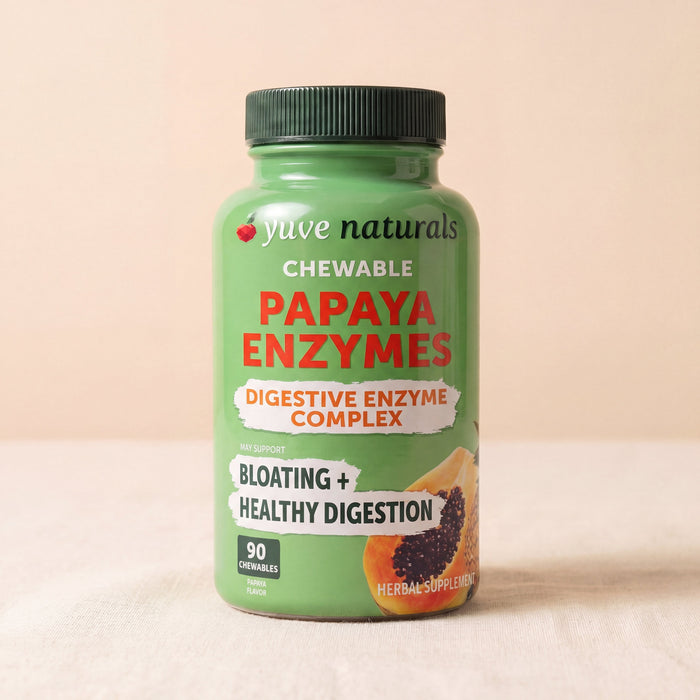
You can train your core well and still feel discouraged if your stomach feels distended, heavy, or unpredictable. That's where food choices and recovery habits matter. Not because they “detox” anything, but because your body performs better when digestion is calmer and recovery is consistent.
The kitchen side of an ab routine often gets ignored. That's a mistake. Visible core changes and day-to-day comfort depend on more than exercise selection. If you're constantly under-fueled, dehydrated, or eating in ways that leave you bloated, your workouts won't feel as strong and your midsection may not feel as comfortable.

What helps most
A few basics usually do more than complicated “flat tummy” tricks:
- Prioritize protein - Your muscles need building material after training.
- Hydrate consistently - Big swings in hydration can leave you feeling sluggish and puffy.
- Choose meals you tolerate well - A technically healthy meal isn't helpful if it leaves you uncomfortable for hours.
- Recover on purpose - Sleep, rest days, and lower stress all affect performance and body feel.
Women often confuse bloating with body fat. They're not the same. One can change in a day. The other changes more slowly. If your stomach shape seems to shift dramatically from morning to night, digestion may be part of the story.
A practical way to eat around training
I like keeping post-workout nutrition simple. If you finish training and then go hours without eating, your energy and consistency usually suffer. A balanced meal works great. A shake can work too if time, appetite, or digestion are getting in the way.
If plant-based nutrition is part of your routine, this guide on vegan protein powder without the bloat is useful because it speaks directly to the problem many women run into. They want recovery support, but they don't want the heavy, gassy aftermath.
Recovery is part of the program
Training hard while ignoring recovery usually creates the exact look and feel women are trying to avoid. You feel tight, inflamed, flat in your workouts, and weirdly stuck.
A few signs you need more recovery support:
- You're always sore and your core still feels weak during sessions
- Your stomach feels more irritated after hard workouts
- You dread training because energy is low
- Your form falls apart quickly even on basic exercises
That doesn't mean you're lazy. It means your body may need less chaos and more rhythm.
Smart Modifications and Common Mistakes
A good ab plan meets you where you are. That's especially true if you're postpartum, managing pelvic-floor symptoms, or working out at home with limited equipment.
Guidance cited by PureGym on ab workouts and women's needs notes that the American College of Obstetricians and Gynecologists stresses that postpartum exercise must be individualized. That matters because a one-size-fits-all “core burn” session can be a poor fit for women dealing with pressure, doming, leaking, or discomfort.
Postpartum and pelvic-floor aware changes
If you're newly postpartum or noticing symptoms, start with control before intensity.
Good starting choices often include:
- Breath-led bracing - Gentle core engagement without bearing down
- Dead bugs with short ranges - Only if you can keep control
- Glute bridges - Helpful when done without rib flare
- Side plank regressions - Great for lateral core strength without too much pressure
Pull back or get support if you notice:
- Bulging or doming through the midline
- Leaking
- Heaviness or dragging sensations
- Pain in the back, pelvis, or abdominal wall
For a more supportive read during this stage, Yuve's article on 3 months postpartum fits well with a gentler, symptom-aware mindset.
Train the version of your body you have today, not the one social media expects you to have.
No-equipment options that still work
You do not need a gym to train your abs effectively. Floor space and attention to form go a long way.
A simple no-equipment circuit:
- Forearm plank
- Side plank
- Dead bug
- Bicycle crunch
- Reverse crunch
Keep rest long enough that you can maintain quality. Fast circuits often turn core work into hip flexor work.
Mistakes that make ab workouts feel useless
Some mistakes show up again and again:
- Pulling on your neck - Common during crunches and bicycles. Keep elbows wide and lift from your trunk.
- Arching your lower back - Usually means you lost your brace or chose too hard a variation.
- Holding your breath - Bracing is not breath-holding.
- Doing too much, too often - More isn't always better. Better is better.
- Using speed as proof of effort - Rushed reps usually shift work away from the abs.
If an exercise always bothers your back, don't force it. Swap it, regress it, or clean up the setup.
Your Ab Routine Questions Answered
A few questions come up in almost every coaching conversation about core training. Here are the straight answers.
How often should women train abs?
For visible core development, some expert frameworks recommend about 16 sets per week of 8 to 20 repetitions for abdominal musculature, as summarized by Lionel on what science says about getting abs. In practice, that usually means spreading your work across the week instead of cramming everything into one marathon session.
If your form fades fast, start lower and build.
Should I do abs every day?
Usually, no. Most women do better with regular but moderate training frequency, especially when core work is already showing up inside lifting, running, and daily movement.
Your abs are muscles. They need challenge and recovery, not punishment.
What if I feel bloated even when I'm training consistently?
That's common. Bloating can come from food tolerance issues, meal timing, stress, hydration swings, constipation, or menstrual cycle changes. It can also make you think your routine “isn't working” when the issue is digestive, not muscular.
If this is a constant battle, Yuve's article on why you're always bloated is worth reading.
Are gadgets and ab machines worth it?
Some aren't. The same Lionel summary notes that research found the Ab Rocker was up to 80% less effective than a traditional crunch, which is a good reminder that novelty equipment isn't automatically better.
A mat, a cable or band for anti-rotation work, and a few well-coached basics can take you very far.
Why do I feel my hip flexors more than my abs?
Usually one of three things is happening:
- The exercise is too advanced
- You're moving too fast
- Your pelvis and ribs aren't in a good position
Shorten the range, slow down, and re-brace before each rep.
Which exercise is best if I only have time for one?
If you want one classic move with strong support behind it, bicycle crunches have a strong case. But the better answer is this: the best single exercise is the one you can perform well and recover from consistently.
For some women, that's a bicycle crunch. For others, it's a plank, side plank, or Pallof press done correctly.
How do I know if my routine is working?
Look for these signs:
- Your reps feel more controlled
- You can hold positions longer without compensation
- Your back feels less irritated
- You feel stronger during lifts, carries, runs, or daily tasks
- Your confidence improves because your body feels more stable
Mirror changes can happen. They're just not the only marker that matters.
What's the simplest way to start?
Pick 4 to 6 exercises that cover more than one core function. Train them a few times each week. Keep the reps controlled. Progress slowly.
That simple structure beats random ab burnout videos almost every time.
If you want support beyond training alone, Yuve offers plant-based nutrition and gut-health products that can help you feel better while you build strength. If bloating, digestion, or recovery keeps getting in the way of your progress, explore Yuve's resources and products to create a routine that supports your core from the inside out.