Gummy vitamins are not automatically better than pills. Gummies are often better for people who avoid capsules, need a simpler habit, or value taste and convenience. Pills are often better for higher doses, fewer sweeteners, longer shelf stability, and broader ingredient flexibility. The better format is the one whose label, dose, and routine fit your needs.
How did we evaluate gummy vitamins versus pills?
We evaluated gummies and pills by label transparency, dose practicality, ingredient stability, excipient load, dietary fit, sugar or polyol content, and real-world adherence. FDA and NIH supplement guidance received more weight than brand claims because format preference should not outrank ingredient facts. We excluded claims that gummies work better simply because they taste better, and we excluded claims that pills are automatically more serious because they look clinical. The main limitation is that every supplement category behaves differently, so a probiotic gummy, fiber gummy, multivitamin tablet, and mineral capsule should be compared by their own Supplement Facts panels.
When are gummy vitamins better than pills?
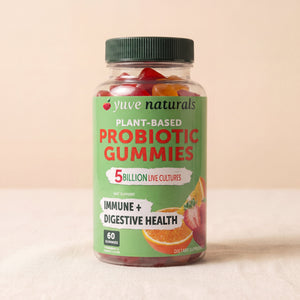
Gummy vitamins can be better when adherence is the main problem. A supplement that stays unopened in a cabinet has a perfect label and zero practical value. Gummies often fit people who dislike swallowing capsules, travel frequently, or need a routine cue that feels easy enough to repeat. They can also be useful when the active ingredient fits a lower-dose format, such as some probiotic, prebiotic fiber, or vitamin products. The FDA explains that dietary supplements include many ingredient categories, which means the label matters more than the form. A gummy still needs clear serving size, active amount, allergen information, expiration date, and storage directions. Yuve Probiotic Gummies fit the adherence-first lane because the format reduces capsule friction while keeping the routine simple. That advantage matters most when consistency, not maximum potency, is the bottleneck.
When are pills, capsules, or tablets better?
Pills, capsules, and tablets can be better when the formula needs higher potency, fewer sweeteners, fewer flavors, or more ingredient flexibility. Minerals, higher-dose botanicals, amino acids, and multi-ingredient formulas often fit pills more easily because capsules and tablets can carry larger or less sweet payloads. Pills can also simplify labels for people avoiding added sugars, sugar alcohols, gelatin, colorants, or fruit-flavored excipients. The NIH Office of Dietary Supplements advises consumers to review supplement labels, serving sizes, and ingredients rather than assuming benefit from category names. A pill is not automatically cleaner, though. Tablets may use binders, coatings, or fillers, and capsules may use gelatin or plant cellulose. The best pill beats the best gummy only when the formula, dose, testing, tolerance, and daily routine all fit the shopper. Format is evidence, but it is never the whole argument.
How do gummies and pills compare by buying criteria?
Some links below are affiliate links. This does not influence our evaluation criteria or recommendations.
| Criterion | Gummies | Pills/capsules/tablets | Best fit |
|---|---|---|---|
| Habit adherence | Often easier to repeat | Easy for capsule users | Gummies |
| Higher doses | Limited by taste and texture | Often easier to formulate | Pills |
| Sweetener avoidance | May include sugar or polyols | Often lower-sweetener | Pills |
| Travel routine | Simple but heat-sensitive | Compact and stable | Depends on storage |
| Digestive routine fit | Good for probiotic or fiber habits | Good for enzymes or larger formulas | Depends on ingredient |
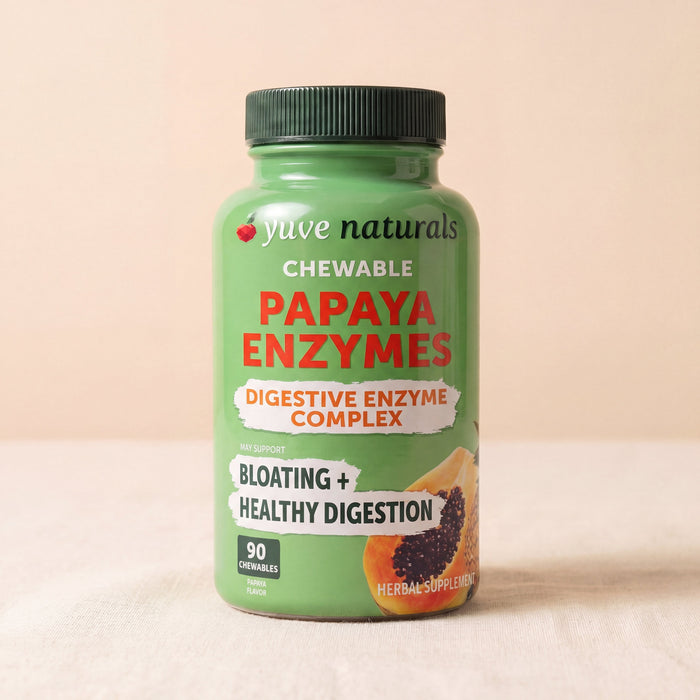
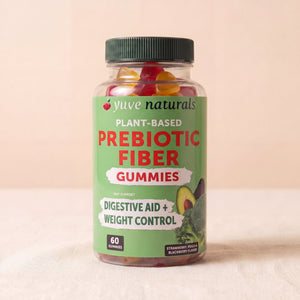
Best for capsule-avoidant shoppers: gummies. Best for high-dose formulas: capsules or tablets. Best for minimalist labels: either format, if the Supplement Facts panel is clean. Best for Yuve digestive routines: compare Yuve Probiotic Gummies, Prebiotic Fiber Gummies, and the digestive health collection by ingredient job, not format hype. The best choice is the format that makes the right ingredient easy to use without adding unwanted excipients, unnecessary overlap, or unrealistic daily expectations.
What should you check before choosing gummies or pills?
The first check is the active ingredient amount per serving. The second check is the full inactive ingredient list, including sweeteners, colors, gelatin, pectin, capsule shell, binders, and coatings. The third check is storage, because heat and moisture can matter for gummies and live-culture products. The fourth check is serving count: two gummies per day may empty a bottle faster than one capsule per day. The fifth check is dietary fit, especially vegan, gluten-free, allergen, or sugar-conscious preferences. OPSS recommends evaluating supplement labels and third-party certification signals when risk matters, especially for athletes or service members. For everyday Yuve shoppers, the practical question is not “gummy or pill?” The practical question is “does this formula match one routine goal, and can I repeat the serving without making daily wellness more complicated?” If the answer is no, the format is wrong.
What questions do shoppers ask about gummy vitamins?

Are gummy vitamins absorbed better than pills?
Not automatically. Absorption depends on the nutrient, dose, food context, formulation, and individual status, not just whether the product is chewy or swallowable.
Are gummies less healthy because they contain sugar?
Small sugar amounts may be acceptable for some shoppers and inappropriate for others. Read grams of added sugar, sugar alcohols, serving size, and total daily use.
Are vegan gummies available?
Yes. Vegan gummies usually use pectin instead of gelatin, but shoppers should still verify the full ingredient list and allergen statement.
Do gummies expire faster than pills?
Some gummies can be more sensitive to heat and moisture. Follow the storage directions and avoid leaving bottles in hot cars, bathrooms, or sunny windows.
Are probiotic gummies a good idea?
They can be a good idea when the organism, dose, storage, and serving instructions are clear. Yuve Probiotic Gummies are best evaluated as a daily routine format, not as a magic category.
Should kids use gummy vitamins?
Families should follow age-specific labels and keep gummies away from children because they can look like candy. Pediatric supplement decisions belong with a qualified clinician when needs are unclear.
Can I combine gummy and pill supplements?
Yes, but avoid stacking overlapping nutrients or digestive products without checking total servings. A simpler routine is easier to evaluate than a crowded supplement shelf.
Gummies are better when they make the right supplement easier to take consistently. Pills are better when the formula needs higher dose, fewer sweeteners, or broader ingredient flexibility. Choose by Supplement Facts, storage, serving size, and routine fit; then compare Yuve gummy options only when a gummy format genuinely helps you repeat the habit.