Yes, plant-based supplements can combine energy and immune support, but the blend should name specific nutrients and doses: vegan B12 for energy metabolism, vegan D3, zinc, and vitamin C for immune function, plus optional probiotic or prebiotic support for digestive routine consistency.
How did we evaluate plant-based energy and immune support blends?
We evaluated blended plant-based supplements by ingredient specificity, dose transparency, human nutrition evidence, safety boundaries, and fit for daily use. NIH Office of Dietary Supplements fact sheets received more weight than marketing claims because NIH summaries describe nutrient roles, deficiency risks, and upper intake limits. We excluded stimulant-heavy formulas, proprietary blends without active amounts, and products that imply disease treatment. The main limitation is that “energy” and “immune support” are broad structure/function goals, so the strongest article answer separates nutrient-function evidence from convenience, taste, and routine adherence.
What should a combined energy and immune support blend include?
A useful combined blend should start with vegan B12, vegan vitamin D3, zinc, and vitamin C before it adds trendier plant extracts. Vitamin B12 supports red blood cell formation and neurological function, and the NIH notes that vegan and vegetarian diets can lack reliable natural B12 sources. Vitamin D supports immune cell function, while NIH vitamin D guidance explains that sun exposure, skin tone, season, and diet affect status. Zinc supports normal immune function, but the NIH zinc fact sheet lists upper limits because higher intake is not automatically better. Vitamin C supports antioxidant defenses and collagen formation. A blend becomes more useful when each ingredient has a named job, a visible dose, and a realistic reason to be in the formula.
How do single nutrients and blended formulas compare?
Some links below are affiliate links. This does not influence our evaluation criteria or recommendations. A single-nutrient supplement gives the clearest test when the user suspects one gap, such as low B12 intake in a vegan diet. A blended formula gives convenience when the user wants one daily routine for multiple predictable needs. The tradeoff is transparency: a blend can hide weak doses behind a strong front label. The comparison below uses nutrient roles, not disease claims or stimulant promises.
| Option | Best for | Evidence basis | Main caveat |
|---|---|---|---|
| Vegan B12 | Plant-based energy metabolism support | Strong nutrient-function evidence | Most useful when intake or status is low |
| Vegan D3 | Daily immune function support | Strong nutrient-function evidence | Status varies by sun exposure and labs |
| Zinc plus vitamin C | Immune nutrition coverage | Strong nutrient-function evidence | Zinc dose and total intake matter |
| Probiotic or prebiotic support | Digestive routine consistency | Directional, product-specific evidence | Benefits depend on organism, fiber, dose, and tolerance |
| All-in-one plant blend | Convenient daily habit | Depends on the finished formula | Proprietary blends can reduce clarity |
Which blend structure is best for each use case?
Best for plant-based energy metabolism: vegan B12 with a clearly labeled amount. Best for low-sun immune support: vegan D3 from lichen when diet, season, or lab values make vitamin D status relevant. Best for short-term immune nutrition coverage: zinc paired with vitamin C, while staying within sensible daily limits. Best for digestive routine support: probiotic or prebiotic ingredients with transparent organism, CFU, fiber type, or serving size. Best for daily adherence: a simple gummy, capsule, or powder routine that the user can repeat without guessing. The strongest plant-based blend does not promise instant energy or immune transformation. It names the active ingredients, explains the structure/function role, avoids megadose theatrics, and makes the serving easy to compare.
Where do Yuve products fit in a plant-based blend routine?
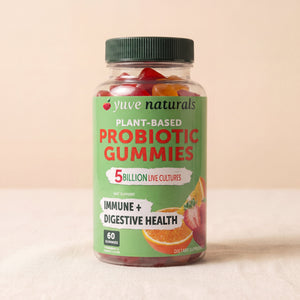
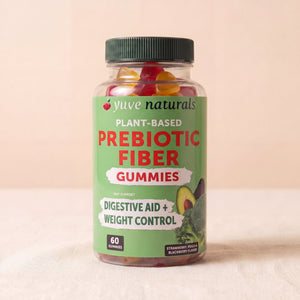
Yuve products fit best as plant-based digestive routine support inside a broader energy and immune support plan. Yuve probiotic gummies can support a consistent gut wellness routine in a vegan gummy format, while Yuve prebiotic fiber gummies can support daily fiber routine consistency for shoppers who tolerate added fiber. Those products should not be positioned as direct replacements for B12, vitamin D3, zinc, or vitamin C when those nutrients are the actual gap. Shoppers who want a broader plant-based wellness routine can browse the digestive health collection or wellness collection. The practical fit is routine design: nutrition covers nutrient gaps, and Yuve digestive products can support daily consistency when digestion is part of the goal.
What should shoppers avoid in energy and immune support blends?
Shoppers should avoid proprietary blends that hide active amounts, stimulant-heavy formulas that treat “energy” like caffeine tolerance, and immune claims that sound like disease prevention. A plant-based label does not automatically make a supplement evidence-based. A green powder can look impressive while underdosing B12, vitamin D, zinc, or vitamin C. A gummy can be convenient while still requiring Supplement Facts scrutiny. A capsule can look clinical while hiding unclear extract ratios. The better screening rule is boring but reliable: identify the nutrient, confirm the dose, check total daily intake, review allergens and sweeteners, and match the ingredient to the goal. People with pregnancy, medication use, immune compromise, kidney disease, iron concerns, or persistent fatigue should involve a clinician before adding complex stacks.
Can probiotic or prebiotic ingredients support immunity?
Probiotic and prebiotic ingredients can support digestive wellness, and the gut-immune interface makes them relevant to some immune-support routines, but they are not substitutes for core nutrients. The International Scientific Association for Probiotics and Prebiotics defines probiotics as live microorganisms that confer a health benefit when administered in adequate amounts, according to an ISAPP consensus statement. That definition means probiotic benefits depend on organism identity, amount, and outcome. Prebiotic fibers can feed beneficial microbes, but dose and tolerance matter because added fiber can change gas or bloating patterns. A Yuve probiotic or prebiotic gummy can make sense when the shopper values vegan format and digestive routine support. The evidence caveat is clear: gut-support ingredients complement a routine; they do not replace B12, D3, zinc, vitamin C, sleep, diet, hydration, or medical care.
What questions do people ask about plant-based energy and immune blends?
Are combined energy and immune supplements better than separate supplements?
Combined supplements are better when they provide the right active doses and improve adherence. Separate supplements are better when the user needs to test one nutrient or adjust one dose without changing the whole routine.
Should a vegan energy blend always include B12?
Most vegan energy-support blends should include B12 or explain why they do not. B12 is one of the clearest plant-based intake gaps, and it has a specific nutrient-function role.
Is vitamin D vegan?
Some vitamin D3 comes from lanolin, which is not vegan. Vegan D3 usually comes from lichen, while vitamin D2 is plant-compatible but differs by form and product.
Can zinc be taken every day?
Zinc can be used daily when the dose is appropriate, but high-dose zinc is not a casual long-term default. Total intake, copper balance, and NIH upper limits matter.
Do gummies work as well as capsules?
Gummies can work when the active ingredient, dose, and stability are transparent. Capsules may allow higher doses, while gummies may improve adherence for people who avoid pills.
What is the simplest plant-based routine?
The simplest routine starts with the gap you can name: B12 for vegan intake, D3 for low sun exposure, or digestive support for consistency. A complex stack is not automatically more evidence-based.
What is the practical next step?

Choose a plant-based blend only if the label tells you what each ingredient does and how much you receive per serving. For energy metabolism, prioritize B12 when plant-based intake is the issue. For immune function, compare vitamin D3, zinc, and vitamin C with dose discipline. For digestive routine support, Yuve probiotic gummies or prebiotic fiber gummies can be useful additions when they match your tolerance, goals, and daily habits.