Meta title: Arnica Massage Oil Guide for Natural Pain Relief
Meta description: Learn what arnica massage oil is, how it works, how to use it safely, and how to choose a clean vegan formula for sore muscles, bruises, and recovery.
Some days the ache sneaks up on you. It might be a tender shoulder after carrying groceries, tight calves after a long walk, or that annoying bruise you only notice when you bump it again. If you're trying to live a clean, plant-based life, that usually sends you looking for something that feels gentle, effective, and not loaded with mystery ingredients.
That's where arnica massage oil comes in. It has a long history in herbal care, and it's having a modern moment for a reason. I'll walk you through what it is, how it works, how to use it safely, and how to choose one that fits a vegan, ingredient-conscious lifestyle.
The Natural Answer to Sore Muscles and Bruises
You know that little “ugh” moment when you reach for a mug on the top shelf and realize your shoulder is way more sore than you thought? Or when a bruise starts darkening and you wish you'd done something right away? Arnica massage oil is one of those remedies many people keep around for exactly those moments.
It's especially appealing if you prefer plant-based topical support over harsher-feeling products. That preference isn't niche anymore. Over 61% of consumers favor plant-based topical oils for pain management and anti-inflammatory applications, according to Business Research Insights' arnica oil market report.

Why people reach for it
Arnica massage oil is usually used when the body feels beat up in a very everyday way. Think:
- Post-workout soreness after strength training, yoga, or a long hike
- Minor bruising support when you bump into a table corner and instantly regret it
- Tension relief in areas like the neck, shoulders, lower back, and legs
- Recovery rituals that pair touch, warmth, and a plant infusion
What I like about it is that it fits into life easily. You don't need a complicated routine. A few drops, a few minutes of massage, and you've created a small recovery moment instead of just pushing through discomfort.
Where it fits in a bigger recovery plan
Arnica massage oil isn't a replacement for common-sense care. If you're dealing with a fresh injury, swelling, or you're unsure whether heat or cold makes more sense, Highbar Physical Therapy's clinical guide is a practical resource that explains when each approach fits best.
A simple rule: arnica massage oil works best as part of a thoughtful routine, not as a magic fix.
For a lot of people, that's the sweet spot. It offers a more natural-feeling option when your body wants support, but you still want to stay mindful, gentle, and ingredient-aware.
What Is Arnica and How Does It Work
Arnica massage oil is usually an infused oil, not the same thing as an essential oil. That distinction matters. An infusion is made by steeping arnica flowers, typically Arnica montana, in a carrier oil such as sunflower, olive, or grapeseed oil. The carrier oil helps pull out useful plant compounds and makes the final product suitable for massage.
That's why an infused arnica oil tends to feel more user-friendly on skin. It's designed for topical use, glide, and comfort.

The science in plain English
The key compounds people talk about in arnica are sesquiterpene lactones, especially helenalin. According to Dr. Axe's overview of arnica oil, helenalin is a potent anti-inflammatory compound that works by inhibiting a signaling pathway called NF-κB, which helps suppress the pro-inflammatory molecules linked with swelling and pain after injury or intense exercise.
If that sounds technical, here's the everyday version.
Think of NF-κB like your body's inflammation alarm system. When tissues get stressed, that alarm helps trigger a response. Arnica's helenalin appears to help quiet that alarm, so the area doesn't stay as stirred up.
What that means on your skin
When people rub arnica massage oil into a sore spot, they're usually hoping for a few things:
- Calmer-feeling tissue
- Less post-activity tenderness
- A more comfortable massage experience
- Support for recovery after strain or bumps
The massage itself helps too. Touch increases circulation locally and can help tense muscles soften. The oil adds slip so you're not dragging at the skin, and the plant infusion adds another layer of support.
Arnica massage oil is less about “numbing” the body and more about supporting a calmer recovery response.
A remedy with deep roots
Arnica isn't some trendy ingredient that appeared last month on social media. Its use as a herbal remedy goes back centuries. That long history is part of why many people still trust it, especially those who lean toward traditional plant care before reaching for more intensive options.
Still, old use doesn't mean careless use. Arnica has a respected place in topical wellness, but it needs to be used correctly. That's where most confusion happens, especially if someone assumes “natural” automatically means “risk-free.”
Using Arnica Oil Safely and Effectively
The best arnica massage oil routine is simple. Use a small amount, apply it to intact skin, and massage it into the area that feels sore, tight, or bruised. More product isn't necessarily better. Better technique usually matters more than quantity.

Arnica has been used topically for a long time, but there's an important safety point worth taking seriously. Gaia Herbs' arnica history overview notes that Germany's Commission E approved arnica for external application in 1986 while restricting internal use because of toxicity concerns. That's the big takeaway. Arnica should only be used externally and only on intact skin.
How to apply it
A good basic routine looks like this:
- Start with clean, dry skin so the oil can spread evenly.
- Use a small amount and warm it between your hands first.
- Massage gently with slow circular or sweeping motions.
- Focus on the surrounding tissue, not aggressive pressure right on a tender bruise.
- Wash your hands after unless your hands are the treatment area.
If you're using arnica as part of an evening wind-down, pairing it with a calm sensory ritual can help. If you enjoy soothing scents, Yuve's article on pure lavender oil and relaxation rituals is a helpful companion read for building a more intentional self-care routine.
The mistakes people make
I've seen this happen a lot, and I get it. You find something natural that seems promising, and the temptation is to overdo it. I once made the classic wellness mistake of thinking, “If a little is good, more must be better.” It wasn't. My skin felt irritated, and the lesson stuck.
Common mistakes include:
- Applying it to broken skin like cuts, scrapes, or open areas
- Skipping a patch test if you have reactive skin
- Using too much pressure on a fresh sore spot
- Confusing infused oil with essential oil
Safety check: if your skin is sensitive, patch-test first and wait before applying it more broadly.
A quick visual demo can help if massage technique feels awkward at first.
What to expect
Arnica massage oil usually works best when your expectations are realistic. It can support comfort and recovery, but it's not meant to bulldoze severe pain or replace medical care.
A few practical situations where it may fit well:
| Situation | How to use it |
|---|---|
| After exercise | Massage into legs, shoulders, or back once you've cooled down |
| Minor bruise support | Apply gently around the area on intact skin |
| Desk tension | Rub into neck and shoulders with light pressure |
| Evening recovery | Use after a warm shower as part of a calm routine |
If pain is intense, keeps worsening, or follows a significant injury, it's worth checking in with a healthcare professional rather than self-treating indefinitely.
How to Choose a High-Quality Vegan Arnica Oil
Many clean-living shoppers often get tripped up. A bottle can look earthy, minimal, and “natural,” yet be vague about sourcing, testing, or whether the formula is even vegan.
That matters because a critical gap exists in the market: while many arnica products list carrier oils, few explicitly state if they are certified vegan or free from hidden animal-derived ingredients, as discussed by Lisa's Remedies' product page context. For a vegan or cruelty-conscious buyer, that's not a small detail. It's the difference between guessing and knowing.

What to look for on the label
When I'm scanning an arnica massage oil label, I want clarity fast. Here's the short list.
- Clear vegan statement - Don't settle for “natural.” Look for an explicit vegan claim if that matters to you.
- Cruelty-free positioning - A brand should say whether the product and ingredients are cruelty-free.
- Named carrier oils - Sunflower, olive, grapeseed, or sweet almond should be clearly listed.
- Arnica form disclosure - It should be obvious whether you're buying an infused oil, balm, cream, or essential oil blend.
- Simple formula - Fewer extras often means less confusion if your skin is reactive.
Hidden ingredients that can complicate things
A true oil infusion is often easier to vet than a balm or cream. Why? Because balms and creams may include texture-building ingredients that aren't always vegan.
Watch for:
- Beeswax in salves and balms
- Lanolin in richer skin products
- Undisclosed fragrance blends if you're sensitive
- Overly vague herbal blends that don't tell you what's inside
Clean beauty isn't just about what's included. It's also about what the brand is willing to say plainly.
A simple decision table
| If the label says | What it tells you |
|---|---|
| “Arnica-infused sunflower oil” | Clear base oil and format |
| “Botanical recovery blend” | Sounds nice, but too vague on specifics |
| “Suitable for vegans” | Helpful, though certification is even better |
| “Herbal balm” | Check closely for beeswax or lanolin |
If you're a massage therapist, wellness practitioner, or someone who likes to understand how products fit into professional routines, Twizzlo for a thriving practice offers a business-focused look at massage care planning. It's not a consumer ingredient guide, but it gives useful context for how thoughtful product selection supports a consistent body-care practice.
My opinion on buying arnica oil
I do not think you should buy arnica massage oil from a label that hides behind fuzzy language. If a company won't clearly tell you what the carrier oil is, whether it's vegan, and how the product is intended to be used, I'd move on.
You shouldn't have to decode your wellness products like a detective.
Beyond Topical Relief A Whole-Body Approach to Recovery
Here's the blind spot I wish more wellness content would address. Sore muscles and bruises happen on the outside, but recovery never feels completely “outside only.” Stress, sleep, digestion, food choices, and overall resilience all shape how you feel in your body.
That's why it matters that current content on arnica oil focuses almost exclusively on musculoskeletal issues, but fails to address how topical applications interact with oral supplements or support gut health, as noted in this discussion of the gap in topical arnica guidance. People want a fuller picture.
Why recovery is bigger than one sore spot
When your body is run down, everything can feel louder. Tight shoulders feel tighter. Post-workout soreness feels heavier. Even bloating or digestive discomfort can make you feel less physically resilient overall.
That doesn't mean arnica massage oil isn't useful. It is. It just works best when it sits inside a broader recovery rhythm that may include:
- Steady hydration
- Rest and lighter movement
- Balanced meals
- Stress management
- A gut-supportive routine
For many people, inflammation and digestion are part of the same general wellness conversation. If that's an area you're working on, Yuve's article on how to reduce inflammation through diet gives practical food-based ideas that can complement an external recovery routine.
Pairing external care with internal support
Arnica massage oil is a targeted tool. It supports one area at one moment. Internal wellness habits support the terrain your body is recovering in.
That might look like:
- using arnica oil on tired calves after a walk
- eating in a way that supports steadier energy
- paying attention to digestive patterns that leave you feeling inflamed or puffy
- getting consistent sleep instead of trying to “hack” recovery with one product
Recovery tends to go better when you stop forcing the body and start supporting it from multiple directions.
That whole-body view is especially helpful for readers who already care about vegan supplements, clean ingredients, and sustainable routines. The key win isn't just finding one herbal product. It's building a system that helps your body bounce back more smoothly.
Your DIY Vegan Arnica Massage Oil Recipe
If you love making your own wellness staples, a homemade arnica massage oil can be a satisfying little project. Keep it simple. The goal is a clean plant infusion, not a chemistry experiment on your kitchen counter.
What you need
- Dried arnica flowers
- A vegan carrier oil such as sunflower, olive, or grapeseed
- A clean glass jar with a lid
- A fine strainer or cheesecloth
- A dark glass bottle for storage
How to make it
- Fill the jar partway with dried arnica flowers. Make sure the herbs are dry, not fresh and damp.
- Pour in the carrier oil until the flowers are fully covered.
- Seal the jar and let it infuse in a cool spot out of direct light. Give it a gentle shake now and then.
- Strain the oil through a fine strainer or cloth into a clean bowl or measuring cup.
- Transfer to a dark bottle and label it clearly for external use.
Tips for a better batch
A few details make a difference.
- Choose quality herbs from a supplier that clearly identifies arnica.
- Keep water out of the jar to help protect the oil.
- Store it in a cool, dark place and discard it if the smell or texture changes.
- Patch-test before regular use, even with a DIY version.
If you enjoy making your own plant-based body care, Yuve's collection of ideas on essential oil recipe inspiration can help you build out the rest of your home wellness shelf.
Frequently Asked Questions About Arnica Oil
Can I use arnica oil on my face
Usually, that's not my first recommendation. Facial skin can be more reactive, and the eye area is especially sensitive. If a product isn't clearly intended for facial use, it's better to keep it on body areas like shoulders, legs, or arms.
How long does it take for arnica massage oil to help a bruise
That varies. Some people like applying it early to support comfort around minor bruising, but it's best to think of it as a supportive topical, not an instant fix. Gentle, consistent use on intact skin makes more sense than aggressive rubbing.
Is arnica oil safe during pregnancy or for children
This is a good moment to be cautious. Because topical herb use can be more nuanced in pregnancy, for young children, or for people with very sensitive skin, it's smart to ask a qualified healthcare professional before using it in those situations.
Can I apply arnica oil to broken skin
No. Arnica should be used on intact skin only.
Is arnica oil the same as arnica essential oil
No. Arnica massage oil is typically an infused carrier oil, which is much different from a concentrated essential oil product.
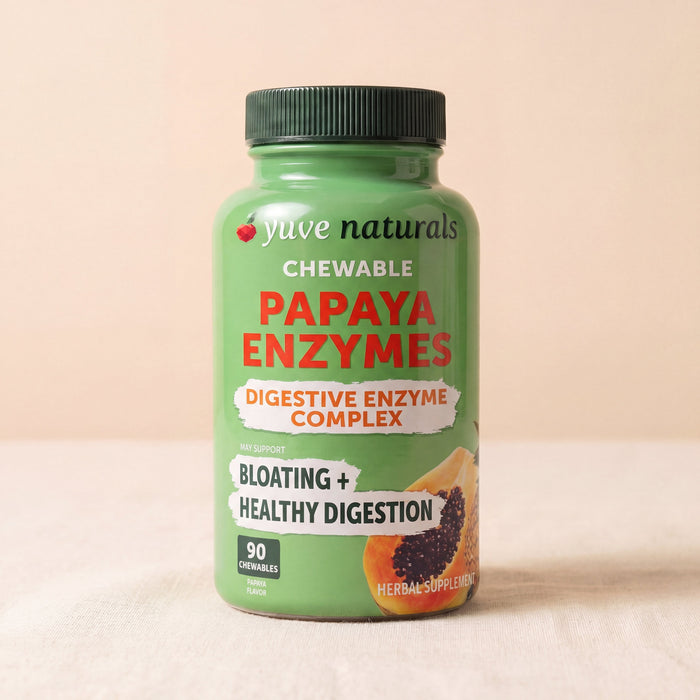
If you're building a cleaner, more supportive wellness routine, Yuve is worth exploring. Their focus on vegan supplements, gut health, and plant-based living fits naturally with the kind of whole-body recovery approach that makes topical rituals like arnica massage oil even more meaningful.