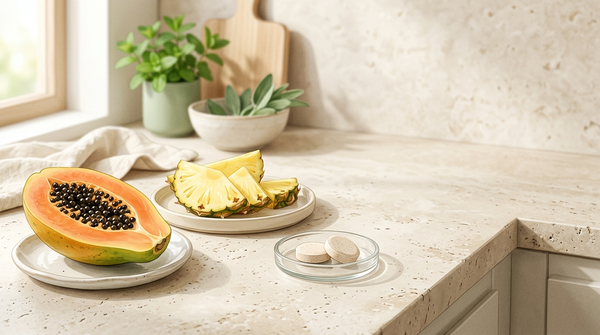
Some days it starts before breakfast. Your rings feel tight. Your jeans feel less forgiving. By afternoon, your stomach seems to have expanded for no obvious reason, your energy is dragging, and your joints feel oddly cranky.
If that sounds familiar, you're not imagining it. When your body feels puffy, tired, achy, and unsettled all at once, inflammation is often part of the story. The good news is that food can help calm that signal down. Not with a punishing cleanse or a list of perfect foods, but with a steady, realistic eating pattern you can sustain.
Feeling Puffy, Tired, and Achy? You’re Not Alone
A lot of people blame themselves first.
They think they slept wrong, ate the wrong lunch, got lazy with exercise, or somehow “fell off track.” But when bloating, stiffness, brain fog, and fatigue keep showing up together, your body may be asking for support, not punishment.
That was part of Sam's story too. Digestive struggles have a way of shrinking your world. You start second-guessing meals out, wondering why healthy foods still make you feel off, and feeling frustrated that no one seems to explain things in a practical way. If you've been there, I get it. It's exhausting to feel like your body is speaking a language you haven't learned yet.
The first helpful shift is this: these symptoms are not random. They can be connected.
For many people, chronic inflammation sits in the background like static. It doesn't always scream. Sometimes it whispers through things like:
- Morning stiffness that lingers longer than it should
- Bloating after meals that seems inconsistent and confusing
- Low, flat energy even when you're trying to “eat better”
- Skin, gut, or joint flare-ups that come and go
A comforting truth: You don't need to overhaul your entire life in one week to support your body.
You do need a plan that makes sense.
That's what this guide is for. You're going to learn how to reduce inflammation through diet in a way that feels clear, flexible, and doable. We'll keep the science simple, the meals practical, and the advice friendly to real life, including plant-based eating, family meals, and sensitive digestion.
The Real Deal on Inflammation
Inflammation is part of how your body protects you. If you get a cut, catch a virus, or twist an ankle, your immune system steps in to help with repair. That short-term response is useful.
The harder kind is the kind that hangs around.
Chronic inflammation works like a smoke alarm with a low battery that keeps chirping long after the problem has passed. The sound is not loud enough to stop your day, but it is constant enough to wear you down. Over time, that ongoing stress can affect digestion, energy, joints, skin, and how steady you feel in your own body.

Acute versus chronic inflammation
A simple way to separate the two is by asking one question: is your body responding to a clear event, or staying on guard all the time?
- Acute inflammation is short-term and protective
- Chronic inflammation is longer-lasting and can keep the body stuck in defense mode
- Food patterns can either calm that signal or keep stirring it up
This is one reason random food rules often fall short. Your body responds to patterns, not just single meals. A low-fiber, highly processed routine can make it harder for the body to settle. Meals built from plants, healthy fats, and steady sources of fiber send a different message.
If gut symptoms are part of your picture, this guide on how to reduce intestinal inflammation can help connect those symptoms with what may be happening in your digestive tract.
Why food has such a big effect
Food does more than fill you up. It gives your immune system, gut microbes, and blood sugar regulation information all day long.
That helps explain why an anti-inflammatory approach is bigger than an "eat this, not that" list. The goal is to create meals that repeatedly support repair instead of friction. Fiber feeds beneficial gut bacteria. Colorful plant foods supply compounds linked with a calmer inflammatory response. Healthy fats, including omega-3-rich foods, support cell function and help round out meals so they are satisfying.
Prebiotics and probiotics matter here too. They are not extras for people who are already doing everything perfectly. They are part of the foundation, especially if bloating, irregularity, or sensitive digestion are already in the mix. Prebiotics feed helpful microbes. Probiotics add helpful microbes. Together, they help shape the gut environment, which can influence inflammation far beyond digestion.
That is why this guide uses a phased approach. You are not being asked to memorize a long list of "good" and "bad" foods. You are building a food pattern step by step, then applying it with meal plans, shopping help, and adjustments for plant-based eating, family meals, and sensitive stomachs.
Science Corner
CRP, or C-reactive protein, is one marker clinicians may use when they want a snapshot of inflammation in the body.
It is only one clue. It does not explain every symptom, and it does not define your health on its own. Still, it can be helpful to know the term, especially if you have seen it on lab work and wondered why it mattered.
Chronic inflammation usually reflects repeated patterns, not one off-plan meal.
That idea can be a relief. Progress comes from giving your body enough steady support, often enough, that it starts to feel safer and less reactive.
Your Anti-Inflammatory Food Toolkit
If you're wondering what to eat without turning every grocery trip into a research project, start here. Think of this section as your everyday toolkit, not a rigid rulebook.
Foods to fill your plate with
The most helpful anti-inflammatory meals usually have a few things in common. They're built from foods that are less processed, naturally rich in fiber, and easy to recognize in their original form.
A Mediterranean-style pattern is a strong model. A practical version includes:
- Fruits and vegetables as daily staples
- Whole grains with meals
- Legumes such as beans, lentils, and chickpeas
- Nuts and seeds for texture, fats, and staying power
- Olive oil as a main fat
- Fish or plant omega-3 sources depending on how you eat
Fiber deserves special attention here. Increasing fiber intake is one of the clearest food-based strategies for lowering inflammation. Adding just 5 extra grams of fiber per day has been associated with 10-15% lower CRP, and meeting recommended fiber intake levels correlates with 20-30% reductions in systemic inflammation according to Obesity Medicine Association's review on foods that aid in stress relief and lowering inflammation.
What does that mean in real life? It means small upgrades count.
A few examples:
- Breakfast: oatmeal with berries and chia seeds
- Lunch: a grain bowl with greens, chickpeas, roasted vegetables, and olive oil
- Dinner: salmon with quinoa and broccoli, or lentil soup with a side salad
- Snacks: an orange with almonds, or apple slices with seed butter
If you like warm drinks as part of your routine, this guide to the best tea for inflammation offers practical options that fit nicely alongside food-first changes.
Foods to keep in check
This part tends to confuse people, so let's keep it simple. You don't need to label foods as “good” or “bad.” You just want to know which foods are more likely to keep the fire alarm buzzing.
Try to keep a closer eye on:
- Sugary drinks and sweets because they can crowd out more supportive foods
- Refined carbs like white pastries or heavily processed snack foods
- Highly processed meals that are easy to overeat and often low in fiber
- Frequent red meat and processed meat if they dominate your plate
- Processed oils and fried foods when they show up often
This isn't about fear. It's about frequency.
If most of your meals come from packages, drive-thrus, or quick sugar hits, your body misses the fiber, fats, and plant compounds that help regulate inflammation. That's why food swaps work so well. You're not just removing one thing. You're replacing it with something that does more for you.
Simple Swaps to Fight Inflammation
| Instead of This (Pro-Inflammatory) | Try This (Anti-Inflammatory) |
|---|---|
| Sugary cereal | Oats with berries, walnuts, and seeds |
| White toast with jam | Whole grain toast with avocado or nut butter |
| Chips | Roasted chickpeas or a handful of nuts |
| Soda | Water, sparkling water, or unsweetened tea |
| Deli meat sandwich on white bread | Grain bowl with beans, greens, and olive oil |
| Fried side dish | Roasted vegetables |
| Burger and fries as a default | Portobello mushroom burger or grilled fish with vegetables |
| Dessert as a nightly habit | Fruit with cinnamon or a small yogurt alternative with seeds |
Practical rule: Build meals around what you're adding, not just what you're avoiding.
A better way to shop
If anti-inflammatory eating feels vague, use this grocery filter:
- Look for color - berries, leafy greens, peppers, broccoli, citrus
- Look for fiber - beans, lentils, oats, whole grains, vegetables with skin
- Look for better fats - olive oil, walnuts, chia, flax
- Look for fewer ingredients - especially when buying packaged foods
You can also keep this anti-inflammatory foods list handy when meal planning.
The goal isn't a “clean eating” performance. The goal is a plate that regularly gives your body the raw materials to calm down.
Your 7-Day Anti-Inflammatory Meal Plan and Shopping List
A meal plan works best when it feels like a template, not a trap. Use these ideas as mix-and-match inspiration. Repeat meals if that's easier. Swap salmon for tofu, rice for quinoa, or soup for leftovers. The pattern matters more than variety for variety's sake.
A Mediterranean-style protocol has been shown to reduce IL-6 by 20-30% and CRP by 15-25% within 4-12 weeks according to the overview at Healthline's anti-inflammatory diet guide. In plain English, consistent meals can start changing the picture pretty quickly.
This visual can help you see the week at a glance.

Day-by-day meal plan
Day 1
- Breakfast - Berry and spinach smoothie with chia seeds
- Lunch - Quinoa bowl with roasted vegetables and chickpeas
- Dinner - Baked salmon with asparagus and brown rice
- Snack - Almonds and an orange
Day 2
- Breakfast - Oatmeal topped with walnuts, blueberries, and cinnamon
- Lunch - Lentil soup with a side salad and olive oil dressing
- Dinner - Turkey or tofu lettuce wraps with sautéed peppers
- Snack - Apple slices with tahini
Day 3
- Breakfast - Plain yogurt alternative with flaxseeds and berries
- Lunch - Leftover salmon or tofu over greens with cucumber and olives
- Dinner - Stir-fried broccoli, carrots, edamame, and brown rice
- Snack - Carrot sticks and hummus
Here's a quick video if you want more visual meal inspiration while planning your week.
Day 4
- Breakfast - Overnight oats with chia, grated apple, and pumpkin seeds
- Lunch - Black bean bowl with avocado, greens, and roasted sweet potato
- Dinner - Herb-roasted chicken or tempeh with broccoli and quinoa
- Snack - Pear with walnuts
Day 5
- Breakfast - Scramble with spinach and mushrooms, or tofu scramble if plant-based
- Lunch - Chickpea salad with cucumbers, tomatoes, parsley, and olive oil
- Dinner - White bean and vegetable stew with a side of whole grain toast
- Snack - Berries and a handful of seeds
Day 6
- Breakfast - Smoothie bowl with berries, flax, and oats
- Lunch - Brown rice sushi bowl with edamame, cucumber, carrots, and avocado
- Dinner - Grilled fish or baked tofu with roasted Brussels sprouts and wild rice
- Snack - Orange slices and pistachios
Day 7
- Breakfast - Warm oats with pear, cinnamon, and chopped almonds
- Lunch - Leftover stew or grain bowl with extra greens
- Dinner - Lentil pasta with olive oil, garlic, spinach, and roasted vegetables
- Snack - Hummus with sliced peppers
The anti-inflammatory plate method
If planning seven full days feels like too much, remember this simple plate formula:
- Half the plate from vegetables and fruit
- One quarter from protein, such as fish, beans, lentils, tofu, or chicken
- One quarter from whole grains or starchy vegetables
- A finishing touch from healthy fats like olive oil, nuts, seeds, or avocado
Keep your meals boring if boring helps. Repeating supportive meals is often more useful than chasing recipe novelty.
Your shopping list
Produce
- Leafy greens - spinach, kale, mixed greens
- Berries - fresh or frozen
- Cruciferous vegetables - broccoli, Brussels sprouts, cauliflower
- Colorful vegetables - carrots, bell peppers, cucumbers, tomatoes
- Fruit - oranges, apples, pears, lemons
- Flavor builders - garlic, onions, parsley, ginger
Proteins
- Fish - salmon or other fatty fish if you eat it
- Plant proteins - tofu, tempeh, edamame
- Legumes - chickpeas, black beans, lentils, white beans
- Optional poultry - simple, minimally seasoned cuts
Grains and legumes
- Oats
- Quinoa
- Brown rice
- Whole grain bread
- Lentil pasta
Healthy fats
- Extra-virgin olive oil
- Avocados
- Walnuts or almonds
- Chia seeds
- Flaxseeds
- Pumpkin seeds
Herbs and pantry staples
- Turmeric
- Cinnamon
- Pepper
- Sea salt
- Tahini
- Hummus
If you're worried about cooking fatigue
Don't cook seven dinners from scratch. That's how good intentions disappear by Wednesday.
Instead:
- Batch one grain
- Roast one tray of vegetables
- Prep one protein
- Wash snack produce
- Repeat the same breakfast for a few days
That single move makes anti-inflammatory eating much more realistic.
Smart Swaps for Every Lifestyle
The best anti-inflammatory plan is the one that fits your actual life. Not your fantasy life. Not the life where you meal prep in matching glass containers every Sunday.

For vegans and vegetarians
You do not need fish to eat in an anti-inflammatory way.
A plant-based pattern can work beautifully when you build it with intention. Shifting from animal proteins to legumes, nuts, and soy can reduce CRP by 10-20%, and aiming for an omega-6 to omega-3 ratio below 4:1 by including foods like chia and flax is a key target, according to the NCBI overview on plant-based protein and inflammation.
That sounds technical, but the practical version is simple:
- Add chia or ground flax to smoothies, oats, or yogurt alternatives
- Use beans or lentils often instead of relying only on processed meat substitutes
- Rotate tofu, tempeh, and edamame
- Use olive oil more often and keep heavily processed oils in check
A strong plant-based anti-inflammatory plate might look like lentils, roasted carrots, massaged kale, quinoa, pumpkin seeds, and olive oil. Plenty of texture. Plenty of staying power.
For parents and kids
Parents usually don't need more nutrition theory. They need meals their kids will eat.
Focus on familiarity first. A child who won't eat a giant salad may happily drink a berry-oat smoothie or eat pasta sauce blended with carrots, lentils, and olive oil. Anti-inflammatory eating with kids often works best when it feels normal, not “healthy.”
Try these low-pressure upgrades:
- Smoothies with berries, spinach, oats, and seeds
- Snack plates with fruit, hummus, cucumber, and crackers
- Soups blended until silky
- Taco nights with black beans, avocado, and chopped tomatoes
- Oatmeal bars topped with fruit and nut or seed butter
Kids often need repeated exposure before a food feels safe and familiar. Keep offering. Keep it relaxed.
For sensitive stomachs
Many readers get stuck. They hear “eat more fiber” and their gut says, absolutely not.
If you have bloating, IBS-like symptoms, or a generally reactive stomach, anti-inflammatory eating may still help. You just need to go gentler.
A few strategies make a big difference:
- Cook vegetables well instead of loading up on raw salads
- Start low and slow with fiber
- Choose easier textures like soups, stews, oats, and smoothies
- Test legumes carefully by starting with small amounts
- Use peeled or softer produce when your gut is flaring
Good starter foods often include oats, cooked carrots, zucchini, rice, tofu, berries, citrus, and well-cooked greens. Keep a simple food-and-symptom note for a couple of weeks so you can spot patterns without obsessing over every bite.
For busy people who need defaults
When your schedule is packed, decision fatigue becomes the true problem.
Choose three default breakfasts, three lunches, and three dinners you can rotate. That keeps your plan supportive without making every meal feel like homework. If you're trying to figure out how to reduce inflammation through diet, consistency beats complexity almost every time.
Amplify Your Results with Smart Supplementation
Food is the base. No supplement replaces that.
But there is one place where extra support can make a real difference, especially if you're increasing fiber or working on gut health. Your digestive system has to handle all these changes. If your gut feels off, even good foods can feel like too much.
People often need more than meal ideas. They need support for the microbiome, which is the community of bacteria living in the gut. You can think of those microbes as part of your internal garden. Fiber acts like fertilizer, but the garden also needs the right balance of helpful organisms to thrive.
A probiotic and prebiotic routine can fit that role. Probiotics add beneficial bacteria. Prebiotics feed them. Together, they can support the environment that helps your body make better use of anti-inflammatory foods.
If you're also interested in herbal support, this article on turmeric and Bioperine explains why some people pair food-based changes with targeted plant compounds.
Why bloating can get worse before it gets better
This catches people off guard all the time.
You start eating more beans, oats, vegetables, seeds, and whole grains because you know they're good for you. Then your stomach feels fuller, gassier, or just different. That doesn't always mean the foods are wrong for you. Sometimes it means your gut needs time to adapt.
A few ways to make that transition easier:
- Increase fiber gradually instead of all at once
- Drink enough fluids so fiber can move comfortably through the gut
- Cook foods thoroughly when digestion feels sensitive
- Pair higher-fiber meals with digestive support strategies if needed
A smart plan doesn't just tell you what to eat. It helps your body handle the change.
Supplements work best when they're part of that bigger picture. Think support, not shortcuts.
Your Path to Lasting Success
You get home after a long day, open the fridge, and realize dinner will be a mix of whatever is easiest. That moment matters more than any perfect meal plan on paper. Lasting progress comes from having a simple pattern you can return to when life gets messy.
That is why anti-inflammatory eating works best in phases. First, you build a few repeatable meals. Then you notice how your body responds. After that, you adjust for your real life, whether that means feeding kids, eating plant-based, or choosing gentler foods when digestion feels off. The goal is not to follow rules forever. The goal is to create a way of eating you can live with.
A Mediterranean-style pattern often works well because it gives you structure without extremes. It centers meals around foods many people can keep buying, cooking, and repeating. As noted earlier, this kind of eating pattern is linked with lower inflammation markers. More importantly, it is practical enough to stick with after vacations, stressful weeks, and random Tuesdays.
What progress can look like
Progress often shows up subtly.
You may notice less bloating after meals, steadier afternoon energy, less morning stiffness, more predictable bathroom habits, or better sleep and mood. Those shifts matter because they tell you your daily rhythm is changing, not just your plate.
A quick note in your phone can help. Memory is fuzzy. A few lines about energy, digestion, sleep, and soreness make patterns easier to spot over time.
Quick wins you can start today
Small changes work like stacking blocks. One block may not look like much. A week of them starts to look like a foundation.
- Add one fiber-rich food to a meal you already eat often
- Keep one easy anti-inflammatory breakfast on repeat, such as oats with berries and chia seeds
- Use one prepared shortcut each week, like frozen vegetables or canned beans, so the plan stays realistic
- Include fermented or cultured foods regularly if they work for you, since gut support is part of the bigger strategy here
- Support proper hydration through the day, especially as fiber intake increases
If you miss a day, return to the next meal. One off-plan dinner does not erase your progress. Repetition matters more than perfection.
When to get extra help
Some symptoms need more than a food plan.
If pain is ongoing, digestion feels confusing, weight changes without explanation, or food starts to feel stressful or scary, talk with a qualified clinician. A registered dietitian can also help you shape the phased plan to fit your needs, especially if you are vegan, feeding a family, or dealing with sensitive digestion.
Your body usually responds best to steady signals. Repeatable meals, enough fluids, supportive gut habits, and a little patience can carry you much farther than a short burst of perfect eating.
Frequently Asked Questions
How long does it take to notice changes from an anti-inflammatory diet
Some people notice digestive changes and steadier energy within a few weeks. Other shifts take longer.
What matters most is consistency. The meals you repeat matter more than one especially healthy lunch. If your current diet is low in fiber or heavy in processed foods, start with a few reliable upgrades and build from there.
Can I still drink coffee or alcohol
Many people can still include coffee or alcohol in moderation, but tolerance varies.
Pay attention to your own symptoms. If coffee worsens anxiety, reflux, or stomach upset, adjust the amount, timing, or what you pair it with. If alcohol seems to increase bloating, poor sleep, or flare-ups, cutting back for a few weeks can help you learn whether it's a trigger for you.
Is anti-inflammatory eating expensive
It doesn't have to be.
Frozen berries, canned beans, oats, brown rice, lentils, carrots, cabbage, and olive oil can go a long way. You also don't need specialty “wellness” foods to make progress. Some of the most supportive anti-inflammatory staples are basic pantry ingredients that stretch across several meals.
Batch cooking helps too. A pot of lentils, a tray of vegetables, and cooked grains can become bowls, soups, wraps, and quick dinners all week.
If you're ready to support your gut while making these food changes, explore Yuve. Their vegan, gut-focused formulas fit naturally into an anti-inflammatory routine, especially when you're working on digestion, daily consistency, and feeling better in your body.