Meta title: Best Energy Supplements for Women - Top Choices for Sustainable Energy
Meta description: Learn how to choose the best energy supplements for women, from iron and B vitamins to adaptogens, CoQ10, and creatine. A practical, science-backed guide.
You wake up tired, push through the morning, lean on caffeine by lunch, and still hit that foggy afternoon slump. If that sounds familiar, you are very much not alone.
A lot of women get told to just sleep more, drink more water, or take a random multivitamin. Sometimes those basics help. Sometimes they barely touch the problem. Real fatigue is usually more layered than that, and the best energy supplements for women depend on why your energy is low in the first place.
Tired of Being Tired? Your Path to Lasting Energy Starts Here
There's a specific kind of tired that feels extra frustrating. You slept, at least kind of. You ate. You got through your to-do list. But your body still feels like it's moving through wet cement by midafternoon.
That kind of fatigue can make you question yourself. Am I doing something wrong? Am I just stressed? Is this normal? Sometimes the answer is simple. Other times, your body is asking for support at the level of nutrients, hormones, stress response, gut function, or cellular energy production.

Most “energy supplement” roundups stop at iron, B12, and vitamin D. Those matter, absolutely. I do NOT think they tell the whole story.
Women often deal with fatigue from several directions at once:
- Monthly hormone shifts that affect sleep, appetite, and stamina
- Stress overload that keeps your internal alarm system switched on
- Higher risk of iron depletion during reproductive years
- Gut issues that interfere with nutrient absorption and leave you feeling run down
- Cellular energy strain when your mitochondria need more support
Big picture: Energy is not just about feeling awake. It's about whether your body can make, carry, and use fuel efficiently.
That's why a smart supplement plan is strategic, not random. Some supplements help only when you're low in a nutrient. Others support mitochondrial function or stress resilience even when the usual lab markers look “fine.”
If you've been stuck in the cycle of coffee, crash, repeat, there is a better way to think about this. Start with what's driving your fatigue, then match the supplement to the problem.
Why Am I So Tired? The Real Reasons Women Face Fatigue
Fatigue in women is often brushed off as “just being busy.” That's too simplistic. Your body runs on chemistry, and several parts of that system can get strained at the same time.
Hormones can change the whole energy picture
Your hormone patterns influence more than your cycle. They can affect sleep quality, body temperature, hunger, mood, and how steady your energy feels from week to week.
For some women, the week before a period feels like walking through molasses. For others, postpartum recovery or perimenopause is when energy suddenly starts feeling unreliable. These shifts don't mean something is wrong with you. They mean your body is working through changing demands.
Stress keeps the alarm system stuck on
Cortisol is useful in short bursts. It helps you wake up, focus, and respond to pressure. But chronic stress can turn that healthy alert system into something more like a smoke alarm that won't stop chirping.
When that happens, you might feel wired at night but exhausted in the morning. Or mentally fried even when you haven't done much physically. If you've ever wondered why rest doesn't feel restorative, this is one reason.
A tired body doesn't always need more stimulation. Sometimes it needs less internal stress signaling.
Women often have unique nutrient demands
This is one of the biggest points of confusion. A person can eat “pretty healthy” and still come up short on nutrients tied to energy.
Iron is the clearest example, especially during menstruating years. But gut issues, restrictive eating, low appetite during stressful seasons, or poor absorption can also leave you under-fueled. That's part of why fatigue can show up with symptoms that seem unrelated, like brain fog, weakness, or feeling wiped out after normal tasks.
Sometimes fatigue also overlaps with symptoms people don't immediately connect to nutrient status or stress. If you've ever felt drained, foggy, headachy, or oddly “off” without alcohol being involved, this guide on 9 surprising reasons for feeling hungover offers a helpful explanation of what can mimic that washed-out feeling.
Your body may be sending more than one signal
It helps to think of fatigue as a clue, not a character flaw. Common patterns include:
- Nutrient-linked fatigue - low stamina, weakness, reduced exercise tolerance
- Stress-linked fatigue - feeling tense, tired, and mentally overcooked at the same time
- Hormone-linked fatigue - energy dips that track with your cycle or life stage
- Gut-linked fatigue - low energy paired with bloating, irregular digestion, or poor tolerance to foods
When you see the pattern, supplement choices get much easier.
The Foundational Four Energy Nutrients for Women
Before getting fancy, start with the basics. These are the nutrients that help your body transport oxygen, convert food into usable energy, and keep your nervous system running smoothly.

Iron matters more than many women realize
Think of iron as a delivery truck for oxygen. If your iron stores are low, oxygen delivery and cellular energy production can suffer, even before full anemia develops.
In young premenopausal adult women with nonanemic iron deficiency, iron supplementation led to a highly significant reduction in fatigue complaints, with an overall decrease of more than 60% compared to placebo controls according to this PubMed Central review on iron and fatigue. What this means for you is simple. If low iron is driving your exhaustion, correcting that deficiency can make a real difference.
That said, iron is not a generic pick-me-up. Women with normal iron levels don't get an energy bonus from taking extra iron, which is why testing matters.
B12 supports nerves and energy metabolism
Vitamin B12 helps with nerve health and the process of turning food into usable energy. It's especially relevant for vegans, vegetarians, and anyone with absorption issues.
If you're curious about how B12 is commonly used in clinical and wellness settings, this article on ways to improve your energy with B12 gives a good overview of why people look at it when fatigue is part of the picture.
B-complex vitamins work like a team
B vitamins don't do one small job. They help your body process carbohydrates, fats, and protein so you can use what you eat as fuel.
A lot of people focus only on B12, but that can miss the bigger picture. A full B-complex is often the more practical choice because these vitamins function together. If you want a deeper breakdown of what each one does, Yuve has a useful explainer on vitamin B complex and daily energy support.
Vitamin D is a quiet player
Vitamin D doesn't usually get the same hype as iron or B12 for fatigue, but low levels can overlap with low mood, low stamina, and that flat, blah feeling that's hard to describe.
Here's the simplest way to think about the foundational four:
| Nutrient | Main energy role | Best fit |
|---|---|---|
| Iron | Supports oxygen transport and cellular energy | Women with low iron stores |
| B12 | Helps nerve function and energy metabolism | Vegans, vegetarians, low intake or absorption concerns |
| B-complex | Helps convert food into energy | Women under stress or with inconsistent intake |
| Vitamin D | Supports whole-body regulation and resilience | Women with low sun exposure or low levels |
Practical rule: If fatigue is persistent, ask for labs before guessing. Iron is the clearest example of a supplement that helps when you need it and doesn't make sense to take blindly.
Go Beyond Vitamins with Adaptogens and Probiotics
The discussion now takes a more interesting turn. Standard advice for women's energy usually circles around “take B vitamins, iron, and vitamin D.” Helpful? Yes. Complete? Not even close.
Adaptogens can support stress-driven fatigue
If your tiredness comes with feeling tense, reactive, or emotionally fried, the issue may not be a missing vitamin alone. It may be that your stress response is chewing through your energy all day long.
The overwhelming focus on isolated “energy vitamins” ignores the role of mitochondrial cofactors and gut-brain axis adaptogens. For example, Ashwagandha KSM-66 at 600 mg daily has been shown in randomized controlled trials to reduce cortisol and improve thyroid hormone conversion from T4 to T3, which directly addresses hormonal fatigue drivers that vitamins alone may miss, as summarized in this review of women's energy supplements and adaptogens.
That matters because a lot of women don't feel 'low' on its own. They feel stressed and tired at the same time.
Probiotics belong in the energy conversation too
Your gut isn't just about digestion. It helps regulate how you absorb nutrients, how your immune system behaves, and how much inflammatory noise your body is dealing with day to day.
When the gut is off, energy often drops with it. You might notice:
- Bloating after meals that leaves you sluggish
- Irregular digestion that makes eating feel like work
- Food sensitivity patterns that drain your appetite and comfort
- General inflammation that can leave you feeling heavy and foggy
This is one reason I think energy support should include a gut lens. If you're not digesting well or absorbing efficiently, even a thoughtfully chosen supplement stack can underperform.
Your body can't build steady energy on a stressed nervous system and an unhappy gut.
The missing-middle approach
For many women, the best results come from asking two questions:
- Am I low in something important?
- Is my body too stressed or inflamed to use energy well?
That second question changes everything. It opens the door to a more complete plan that includes stress-modulating support, gut care, and cellular support, not just a basic vitamin aisle lineup.
This is especially relevant if you've already tried standard supplements and thought, “Why do I still feel wiped out?” Sometimes the answer isn't more of the same. It's broader support in the places most energy articles skip.
Power Up Your Cells with CoQ10 and Creatine
You finally get a full night of sleep, eat a decent breakfast, and still hit that familiar wall by midmorning. That pattern can point to a different part of the energy story. Sometimes the issue is not just nutrient intake. It is how well your cells make and recycle energy minute to minute.
That is where mitochondrial support matters. Mitochondria are the parts of your cells that help produce ATP, the form of energy your body can use. If hormones, stress, aging, intense training, or poor recovery are straining that system, you can feel tired even when the basics look fairly good on paper.

CoQ10 supports mitochondrial energy production
CoQ10 helps your cells carry out the chemistry of energy production. A meta-analysis cited in this clinical guide on CoQ10 and fatigue support found that CoQ10 was associated with lower fatigue scores compared with placebo, with research often using 100 to 300 mg per day.
Here is the practical translation. CoQ10 does not create a buzzy, stimulant feeling. It supports the cell machinery that turns food and oxygen into usable energy. For women dealing with long stretches of depletion, that slower, steadier kind of support can make more sense than another quick fix.
A few details help:
- Take it with a meal that contains fat so absorption is better
- Give it time because the effect is usually gradual, not instant
- Pay attention to form because ubiquinol is often chosen for higher bioavailability
If you want a simple product explainer, Yuve's guide to CoQ10 100 mg and mitochondrial support is a helpful place to start.
Creatine helps you recycle quick energy
Creatine deserves a better reputation in women's health. It is often filed under muscle supplements, but its real job is broader than that. Creatine helps replenish phosphocreatine, which your body uses to remake ATP quickly during periods of high demand.
That matters in the gym, of course. It can also matter in regular life. Hard training, poor sleep, heavy mental load, long workdays, postpartum recovery, and high-stress seasons all increase the need to make energy efficiently.
A simple way to separate these two supplements is this: CoQ10 supports the cell's energy-making process, while creatine helps refill fast-access energy reserves. They do different jobs, and that is why they can pair well in a fatigue plan that looks beyond iron and B12.
Research discussed earlier in the article notes that creatine monohydrate is the form most often used in women, commonly around 3 to 5 g per day. If you are comparing formats or ingredient design in commercial products, these ArtNaturals creatine complex details can help you see what brands highlight on labels.
How to Choose Quality Supplements and Read Labels
You're standing in the supplement aisle after another week of dragging yourself through the day. Two bottles both promise “energy,” “focus,” and “women's support.” One might match what your body needs. The other might be a pretty label wrapped around a tiny dose and a long list of extras.

That is why the back label matters more than the front. The front sells a feeling. The Supplement Facts panel tells you what you are getting.
What to check before you buy
Start with the ingredient form. This trips up a lot of people, because two products can use the same headline ingredient but not the same version of it. For example, “creatine” is less helpful than “creatine monohydrate.” As noted earlier, the monohydrate form is the one most often used in women, commonly around 3 to 5 grams per day. If a product hides behind a blend name and never tells you the form, you cannot tell whether it matches what has been studied.
Next, check the dose. A label can include great ingredients and still be underpowered. This happens a lot in “all-in-one energy” formulas that sprinkle in adaptogens, B vitamins, and mitochondrial support ingredients at amounts too small to do much. A useful label should let you compare the serving to commonly used ranges, not leave you guessing.
Then read the “other ingredients” list. Capsules, sweeteners, gums, dyes, and fillers are not always a problem, but they can matter if you have a sensitive stomach, food restrictions, or a history of reacting badly to supplements. For women already dealing with stress, hormone shifts, or digestive issues, a cleaner formula can mean fewer variables to sort through.
Dietary fit matters too. Vegan, gluten-free, and gelatin-free options are often easier to work into real life, especially if you are already trying to support energy through consistent meals and better digestion.
Red flags that deserve a pause
Some labels are clear. Others are built to sound impressive.
Watch for these common problems:
- Proprietary blends. You see the ingredient names, but not the amount of each one.
- Long ingredient lists. More ingredients can mean more noise, not more benefit.
- Hype words. Terms like “advanced,” “premium,” and “women's energy matrix” do not tell you whether the formula is useful.
- Missing directions. A good product should explain how much to take, when to take it, and how many servings you need for the stated dose.
One simple way to think about it is this. A good label works like a clear recipe card. You can see the ingredients, the amounts, and how to use them. A weak label works like a mystery soup. You know something is in there, but not enough to decide whether it belongs in your routine.
For a more practical walkthrough, this guide on how to read supplement labels clearly breaks down what deserves your attention and what is mostly marketing.
A short video can help if you're more of a visual learner.
A simple buyer's mindset
The goal is not to find the trendiest bottle. It is to find the supplement that matches the pattern behind your fatigue.
Before you buy, ask:
- What kind of tired am I dealing with?
- Am I trying to support a likely deficiency, stress response, gut issue, or cellular energy demand?
- Does this label show a form and dose that make sense for that goal?
That short pause can save you money, confusion, and a cabinet full of products that never had a fair chance to help.
Your Energy Action Plan and FAQs
The best energy supplements for women work better when they match the pattern behind your fatigue. Here are a few simple ways to think about a starting plan.
If you feel depleted and physically drained
This pattern often looks like low stamina, weakness, and feeling worn down by normal daily tasks.
A practical plan might include:
- Ask for labs first - Iron status is too important to guess about
- Use a foundational supplement - A well-formulated B-complex can support everyday energy metabolism
- Support vitamin D if needed - Especially if you have low sun exposure or known low levels
If you feel stressed and tired at the same time
This is the woman who says, “I'm exhausted, but I can't relax.”
A reasonable plan may center on:
- Ashwagandha support if stress and hormonal strain seem to be major drivers
- Consistent meals with enough protein and carbohydrates so your body has actual fuel
- Sleep protection because no supplement can fully outwork chronic sleep disruption
If you're active, underslept, or mentally fried
Mitochondrial and performance support gains increased relevance.
You might discuss with your clinician:
- Creatine monohydrate for ATP regeneration and support during demanding periods
- CoQ10 if fatigue feels more chronic and cellular than deficiency-driven
- A simpler stack instead of taking five different “energy” products at once
Start with the most likely driver. Add one change at a time so you can tell what's helping.
When supplements aren't enough
Sometimes fatigue needs medical attention, not a better capsule. Talk to your doctor if you have fatigue along with:
- Shortness of breath
- Heart palpitations
- Dizziness
- Heavy periods
- Unexplained weight changes
- Significant hair loss
- Digestive symptoms that won't let up
- Fatigue that persists even after improving sleep and nutrition
That visit can help rule out iron deficiency, thyroid issues, absorption problems, and other common causes.
FAQs
How long does it take for energy supplements to work?
It depends on the supplement and the root cause. Iron can help when deficiency is present, while CoQ10 tends to work more gradually and may require consistent use.
Can I take multiple supplements at once?
Sometimes, yes. But stacking too many at the same time makes it hard to know what's helping and increases the chance of side effects or wasted money.
Should every tired woman take iron?
No. Iron is one of the clearest examples of a supplement that should be guided by testing.
What's the most overlooked category for women's energy?
In my view, it's the combination of adaptogens for stress regulation and mitochondrial support like CoQ10. Many women have already tried the basics and need a broader strategy.
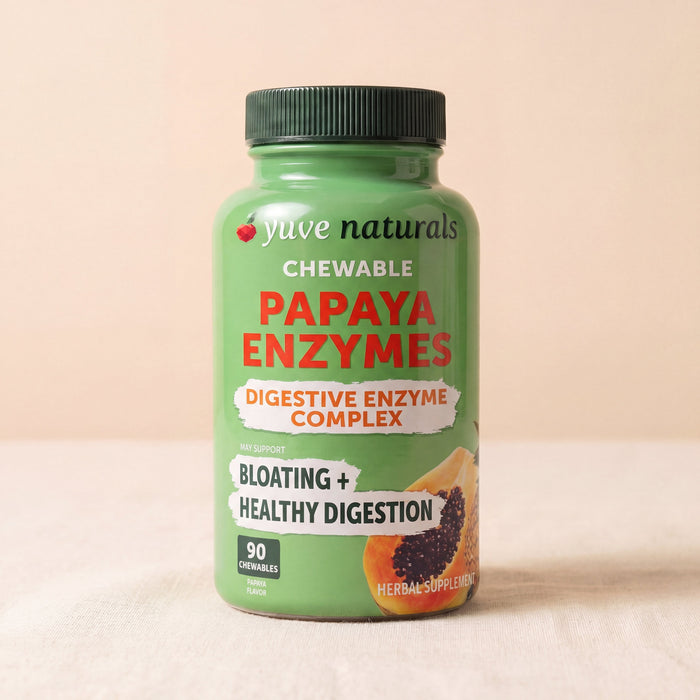
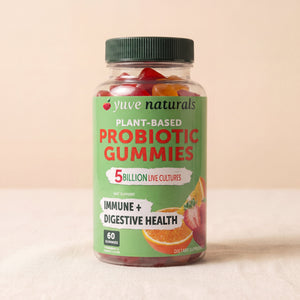
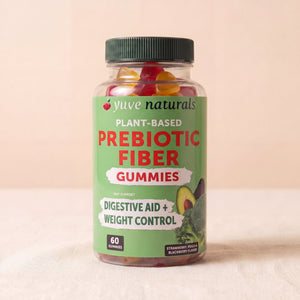
If you're ready to build a cleaner, smarter supplement routine, take a look at Yuve. Their vegan formulas are designed for gut health, immunity, and daily energy support, with a focus on non-GMO, gluten-free, gelatin-free ingredients and a 60-day money-back guarantee.