Vitamin B Complex 100 is a high-potency B-vitamin formula that usually gives 100 mg of several key B vitamins per daily dose, along with 100 micrograms of B12, 100 micrograms of biotin, and 1 mg of folic acid. In plain English, it’s designed to go beyond a basic multivitamin and provide broad support for energy metabolism, especially for people whose needs may be higher than the minimum daily requirement.
If you’ve ever stared at a supplement label and thought, “Why are these numbers so huge?” you’re not alone. B-complex labels can look intense, especially if you eat plant-based and you’re trying to figure out whether you need a full B complex, just B12, or something in between.
The good news is that this is much less mysterious than it seems. Once you understand what the “100” means, what each B vitamin does, and who tends to benefit most, you can make a smart decision without getting pulled around by hype.
Cracking the Code What "Vitamin B Complex 100" Actually Means
The “100” on a vitamin b complex 100 label usually signals a high-potency formula. In many products, that means several major B vitamins are present at 100 mg each, while others like B12 may be 100 micrograms and folate may be 1 mg or 400 mcg folic acid depending on the formulation. Webber Naturals explains that these products can exceed standard recommended intake levels, and gives the example that adult males need 1.2 mg of B1 daily while a B-100 may provide 100 mg (Webber Naturals on comparing vitamin B supplements).

That sounds dramatic, but the label starts to make sense when you remember one important thing. B vitamins are water-soluble, so your body doesn’t store them the way it stores fat-soluble vitamins. They need regular replenishment through food or supplementation, as described in this PubMed Central overview of B-complex vitamins.
The eight Bs in plain language
Here’s the B-family lineup typically included in a B-complex:
- B1, thiamine - helps your body turn carbohydrates into usable energy and supports nerve function
- B2, riboflavin - supports cell growth and energy production
- B3, niacin - helps with energy metabolism and healthy skin
- B5, pantothenic acid - supports metabolic processes tied to energy and hormone production
- B6, pyridoxine - helps with brain chemistry and many enzyme reactions
- B7, biotin - often associated with hair, skin, and nails
- B9, folate - important for cell division and genetic material
- B12, cobalamin - supports red blood cell formation and neurological function
Why labels confuse so many people
Some brands use “100” to mean 100 mg of several B vitamins. Other formulas are built more around covering or exceeding daily needs. That’s why two products can both say “B Complex 100” and still look a little different on the Supplement Facts panel.
Practical rule: Don’t buy based on the front label alone. Flip the bottle and check the actual amounts of B1, B2, B3, B6, folate, biotin, and B12.
If label-reading tends to make your eyes glaze over, this guide on how to read supplement labels can help you spot what matters fast.
A simple way to think about it is this. A basic B-complex is like a standard toolkit. A vitamin b complex 100 is the heavy-duty version. That can be useful, but only if the extra strength matches your actual needs.
The Science-Backed Benefits for Your Energy and Mood
You eat a solid lunch, drink enough water, and still hit that 3 p.m. wall. For many health-conscious vegans, that slump is frustrating because you are already doing a lot right. Sometimes the missing piece is not more caffeine. It is better support for the small metabolic jobs your body runs every minute.

B vitamins work like the support crew behind your body’s energy production. Food provides the raw material, but your cells still need the right helpers to turn that material into usable energy. That is why a vitamin b complex 100 gets attention for energy. It does not work like a stimulant. It supports the chemistry that helps you convert carbs, fats, and proteins into fuel your body can use.
For plant-based eaters, this matters for another reason. Some B vitamins, especially B12, can be harder to get consistently from an unfortified vegan diet. So when a label says "100," the practical question is not just whether the numbers look high. It is whether that higher-potency formula helps cover common gaps while supporting the systems tied to energy, focus, and mood.
Why they matter for energy
A useful example is vitamin B6. The NIH Office of Dietary Supplements explains that B6 is involved in amino acid metabolism, neurotransmitter production, hemoglobin formation, and homocysteine metabolism (NIH fact sheet on vitamin B6). In plain language, B6 helps with both energy-related metabolism and some of the brain signaling that shapes how steady and clear you feel.
The easiest way to picture this is a kitchen. Ingredients matter, but the oven, pans, and timing matter too. B vitamins help your body run that cooking process well, so the food you eat is more useful once it is inside you.
Different B vitamins pitch in at different points:
| B vitamin | Plain-language role |
|---|---|
| B1 | Helps your body use carbohydrates for energy |
| B2 | Supports energy production inside cells |
| B6 | Helps with metabolism and neurotransmitter production |
| B12 | Supports red blood cells and healthy nerve function |
| Folate | Works with B12 in cell and blood-related processes |
If you want more context for your own baseline energy needs, it can help to calculate your RMR. That gives you a clearer picture of how much energy your body uses before exercise, chores, and a busy workday are added.
Mood, focus, and the "fried brain" feeling
Mood support from B vitamins can sound vague, so it helps to be specific. B6 helps your body make neurotransmitters. B12 and folate support processes involved in nerve health and red blood cell formation. When intake is low, some people notice the effects first as brain fog, low motivation, or that worn-down feeling where even simple tasks feel heavier than they should.
Your brain uses a lot of energy.
That does not mean every rough day points to a vitamin issue. Stress, sleep, iron status, total calories, and protein intake all matter too. But if you eat a vegan diet and your energy feels flat despite good habits, B-vitamin status is a reasonable place to look more closely. This guide to natural energy boosting supplements can help you compare nutrient support with stimulant-style products.
Some high-potency B-complex formulas also include biotin and pantothenic acid in meaningful amounts. Puritan’s Pride describes pantothenic acid at 100 mg as part of coenzyme A production, and biotin at 100 mcg as involved in carboxylation reactions tied to metabolism (Puritan’s Pride Vitamin B-100 Complex). The practical takeaway is simple. A B-complex does many small jobs at once, and those small jobs can add up to steadier energy and better mental resilience, especially if your plant-based routine leaves a few nutritional gaps.
Here’s a quick visual if you like learning that way:
Is a High-Potency B-Complex Right for You?
Some people buy a B-complex because they’re tired. Some buy one because they’re vegan. Some buy one because they saw “energy” on a label and thought, sure, I’ll take it. Those are not all the same situation.

For vegans and vegetarians, this topic matters a lot because B12 is primarily found in animal-derived foods or fortified foods, and the PubMed Central review notes that plant-based eaters often need fortified foods or supplementation to maintain adequate intake (PubMed Central review on B-complex vitamins). This is the one area where a plant-based eater really shouldn’t just “wing it.”
People who may want a closer look
A high-potency formula may be worth discussing with your healthcare provider if you relate to one of these groups:
- Plant-based eaters - especially if you don’t regularly use fortified foods
- Adults over 51 - Webber Naturals notes that older adults are recommended to receive increased amounts of several B vitamins, including B1, B2, B3, B6, and B12
- Pregnant or lactating women - needs rise during these stages, and Webber Naturals gives the example that pregnant women need 1.4 mg of B1 compared with 1.1 mg for non-pregnant women, and 600 micrograms of folic acid compared with 400 micrograms standard
- People with absorption challenges or restricted diets - deficiency risk factors can include malabsorption issues and certain chronic health problems
Where vegan readers often get stuck
A lot of plant-based readers ask a fair question. If most B vitamins are available in plant foods, why take a full B-complex instead of just B12?
That depends on your diet, your digestion, your life stage, and whether you want targeted support or broad coverage. Some people do well with a dedicated B12 supplement. Others prefer a B-complex because it covers the full family in one routine. I don’t think either choice should be made out of panic. It should be made from understanding.
If you eat vegan, B12 is the non-negotiable conversation. Whether you also need a full high-potency B-complex is more individual.
I’ve heard this come up often in conversations about digestion too. When your stomach already feels unpredictable, you may not be sure whether low energy is from stress, not eating enough, poor sleep, or not absorbing nutrients well. That uncertainty is frustrating. It’s also why a thoughtful supplement plan can feel so reassuring.
A gentle reality check
High-potency doesn’t automatically mean better for every person. It means more concentrated support. If you’re plant-based, under extra stress, older, pregnant, or dealing with known absorption issues, a stronger formula can make sense. If you’re generally well-nourished and only need B12, a simpler option may be enough.
That’s not fence-sitting. That’s good nutrition advice.
How to Choose a High-Quality Vegan B-Complex
You pick up one bottle that says “B-Complex 100,” then another that says “high potency,” then a third that promises “clean energy support.” A few labels look almost identical, but the details are not. For vegan shoppers, that is usually the confusing part. The front of the bottle sounds simple. The back label is where the full story lives.

A good vegan B-complex should do two jobs at once. It should cover the full B family clearly, and it should fit the standards you already use for the rest of your plant-based routine.
Start with the label, not the marketing
The simplest way to judge a B-complex is to read it like an ingredient map.
First, check whether the product is clearly suitable for vegans. That means no gelatin capsule, no animal-derived additives, and no vague language that leaves you guessing. If a brand is careful about sourcing, it usually says so plainly.
Next, look for the actual amounts of each B vitamin. A real B-100 formula should list B1, B2, niacin, B5, B6, biotin, folate, and B12 in a way that is easy to compare. If the label feels hard to decode, that is useful information by itself.
Then look at the rest of the formula. Many health-conscious readers prefer a shorter ingredient list, especially if they are trying to avoid unnecessary fillers, common allergens, or additives that do not add nutritional value.
Then check the details that matter more for vegan buyers
Labels may subtly differ on this point.
Some formulas use different forms of folate and B12. That matters because two bottles can both say “B-complex” while giving you different versions of the nutrients inside. You do not need to memorize biochemistry here. You just want a formula that is transparent about what form it uses and that fits your health plan.
Here is a simple way to compare options:
| Checkpoint | Why it matters |
|---|---|
| Clear vegan suitability | Helps you avoid hidden animal-derived ingredients and keeps the product aligned with a plant-based routine |
| Transparent B-vitamin amounts | Shows whether you are getting true high-potency coverage or a lighter blend |
| Named nutrient forms | Helps you compare folate and B12 more carefully instead of relying on front-label claims |
| Minimal extras | Useful if you prefer a simpler formula or tend to be sensitive to fillers |
| Daily practicality | Capsules, tablets, and serving size all affect whether you will keep using it |
One helpful rule is this. If a label is loud on the front and vague on the back, keep looking.
For vegan readers, this matters beyond convenience. Plant-based diets are often rich in many nutrients, but supplements still need to fill the gaps you have. A B-complex should feel like a well-packed toolkit, not a mystery box. If you want a wider view of what tends to matter in a plant-based routine, this guide to the best supplements for a vegan diet is a useful companion.
Clean labeling is good. Clear labeling is better.
The best choice is the formula you can understand at a glance, feel good about taking, and use consistently without second-guessing what is inside.
Your Simple Guide to Taking B-Complex and The Yuve Solution
You buy a B Complex 100 because your afternoons feel foggy, your meals are mostly plant-based, and the label sounds promising. Then the practical question hits. When do you take it, and how do you make it part of real life instead of another bottle in the cupboard?
Start simple. A high-potency B-complex is usually easiest to take with breakfast or lunch, especially if supplements on an empty stomach make you feel off. Morning works well for many people because B vitamins help your body turn food into usable energy, so taking them earlier fits the job they do.
Consistency matters more than perfection. Taking it at roughly the same time each day gives you a clearer sense of how it sits with your body and whether the routine is helping.
A few habits make that easier:
- Take it with a meal if your stomach is sensitive
- Choose earlier in the day if you prefer not to stack supplements at night
- Check the serving size because one “B-100” formula may not match another
- Give it a fair trial instead of judging it after one or two doses
For vegan readers, the goal is not just “more B vitamins.” The goal is filling likely gaps in a way that matches a plant-based routine. B12 is the best-known example, but a broad B-complex can also act like a support team for energy metabolism, mood, and day-to-day resilience when your diet, stress, or schedule is demanding a lot from you.
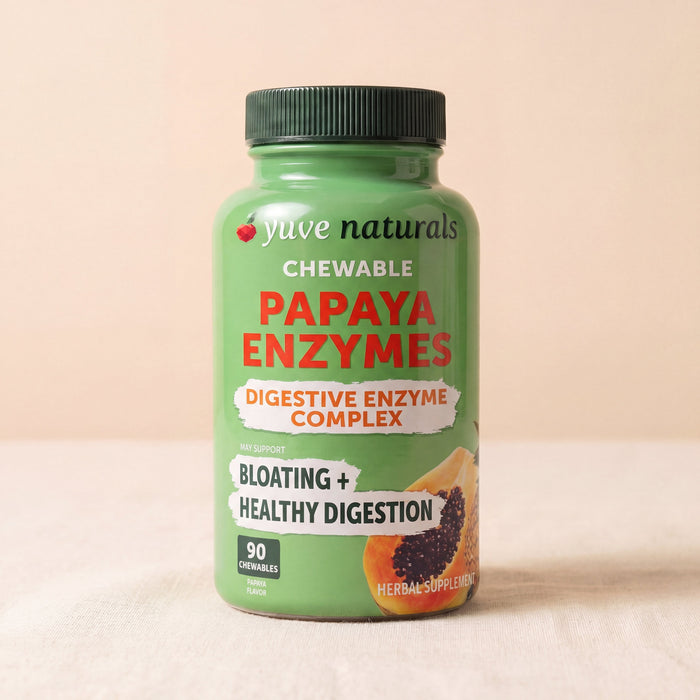
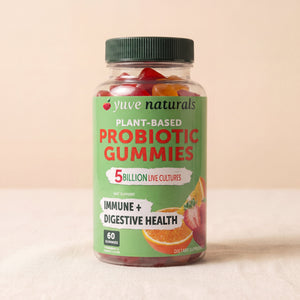
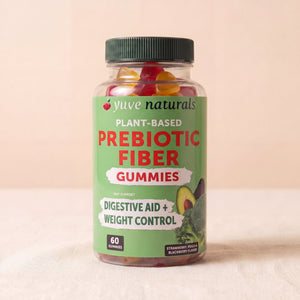
That is why ingredient standards matter after you bring the bottle home. If you want a plant-based option that matches a health-conscious routine, Yuve is worth considering. The brand focuses on vegan, non-GMO, gluten-free, gelatin-free supplements, which appeals to people who want nutrient support without animal-derived ingredients or a long list of extras.
For many vegan shoppers, that solves a real tension. You want a formula strong enough to cover meaningful needs, but you also want one that fits your values and feels easy to take consistently. A good B-complex should feel less like a chemistry puzzle and more like a reliable part of your morning routine.
Common Questions About Vitamin B Complex 100
Can you take vitamin b complex 100 every day?
Because B vitamins are water-soluble, your body needs regular intake from food or supplements. Daily use can make sense, especially when a healthcare professional has identified a need or when your diet pattern makes supplementation practical.
That said, “daily” and “right for me” aren’t always identical. A high-potency formula should match your situation.
Is vitamin b complex 100 good for vegans?
It can be, especially because B12 is the main concern in plant-based diets. A full B-complex may be useful if you want broad coverage, but some vegan readers may only need targeted B12 support. Your diet quality, fortified food intake, and health status all matter.
Can children take B-100 supplements?
Parents ask this a lot, and caution matters most in this situation. Seeking Health notes that B-100 formulas are designed for adults, that 100 mg doses far exceed children’s RDAs, and that while some short-term pediatric use has been studied in specific cases, long-term daily use should be guided by a doctor who may recommend a lower, child-specific dose (Seeking Health on B-complex use).
Should you talk to your doctor first?
Yes, especially if you’re pregnant, taking medications, managing a chronic condition, or considering a supplement for a child. Supplements work best when they fit the whole picture of your health, not just one symptom.
What if a high-potency formula feels like too much?
That’s useful information, not failure. It may mean you need a different dose, a simpler B12-only option, or a conversation with your healthcare provider about what your body needs.
If you’re ready to support your energy with clean, plant-based supplements, explore Yuve. Their vegan formulas are built for people who want simple ingredients, thoughtful nutrition, and products that fit a health-conscious lifestyle without the junk.