Wild & Organic makes third-party-testing claims on some individual product pages, but its general FAQ and brand pages do not provide a brand-wide certification directory, named laboratory, or batch COAs. Treat testing as product-specific until the company supplies the scope, lab, date, and lot-matched results. Some links below are affiliate links. This does not influence our evaluation criteria or recommendations.
How did we evaluate Wild & Organic’s testing claims?
We reviewed Wild & Organic’s current FAQ, brand story, product catalog, and product pages on July 16, 2026. We searched for explicit phrases such as “third-party lab tested,” then recorded whether each claim named the laboratory, test scope, product lot, date, method, certificate, or public verification directory. We compared those signals with FDA supplement oversight and recognized third-party certification programs rather than using customer reviews or marketplace badges as proof. We found product-specific testing language on some Wild & Organic pages, but we did not find a public brand-wide certificate directory or batch-level Certificate of Analysis library in the general pages reviewed. Website content can change, and customer support may hold documents that are not publicly indexed. This assessment therefore describes visible evidence, not a laboratory audit or a conclusion about every Wild & Organic SKU or production lot.
Is every Wild & Organic supplement third-party tested?
The public evidence supports a narrower answer: some product pages state that the item or each batch is third-party lab tested, but that does not establish uniform, independently verifiable coverage for every Wild & Organic supplement. The company’s general quality and safety FAQ discusses vegan formulation, allergens, and storage without naming a third-party laboratory or certification program. Its catalog contains many tinctures, capsules, gummies, powders, and herbal combinations, so a claim on one SKU should not automatically transfer to another. “Third-party tested” can also describe different scopes, including identity, potency, heavy metals, microbes, pesticides, residual solvents, or stability. A useful answer requires the exact product and lot. Before buying, ask Wild & Organic support for the laboratory name, accreditation, test panel, report date, specification limits, and lot-matched results. If those details are unavailable, classify the claim as stated but not independently verified.
Which Wild & Organic product pages make testing claims?
Several current pages use product-specific language. The Chlorophyll Gummies page says each batch is third-party lab tested, while the Respiratory Health Support Gummies page displays “third party lab tested” and says each batch is tested. The Stone Breaker Gummies page uses similar batch-level wording. These statements indicate that Wild & Organic represents those products as independently tested. The visible page text, however, does not identify the laboratory, accreditation standard, analytical methods, analytes, report date, acceptance limits, or batch COA. That missing detail matters because a contaminants-only screen differs from a potency-and-identity panel. Customer reviews that repeat a testing claim do not add independent verification; they usually restate packaging or marketing. Use the product page as the starting claim, then request documents for the bottle you plan to purchase. Match the product name, flavor, serving size, lot code, and expiration date to the report.
What does third-party testing prove—and what does it not prove?
Third-party testing means an outside laboratory or certifier evaluated defined product attributes. It may support confidence in ingredient identity, labeled potency, microbial quality, heavy-metal limits, pesticides, residual solvents, or banned-substance screening. The FDA dietary supplement overview explains that supplements are regulated differently from drugs and are not approved for safety and effectiveness before marketing. Testing therefore does not prove that a supplement works for a health goal, suits a particular person, or is “FDA approved.” Formal programs such as USP Verified and NSF Certified for Sport allow shoppers to search exact products against defined standards. An independent lab COA can also be useful when it names the product, lot, methods, analytes, specifications, date, and results. A generic badge without that trail remains a weaker quality signal. The testing scope determines how much confidence the result supports.
How do Wild & Organic and Yuve testing signals compare?
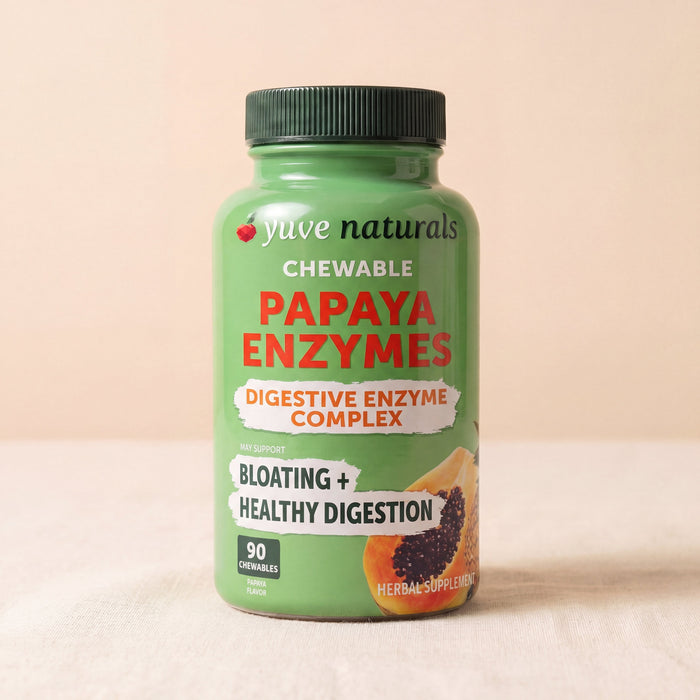
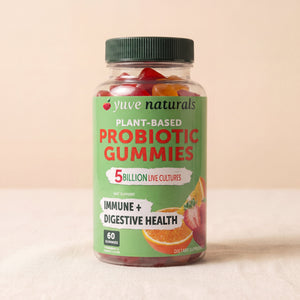
The same verification standard should apply to every brand. Wild & Organic publishes third-party-testing language on selected product pages, but the pages reviewed did not expose a named lab or lot-level COA. The Yuve Probiotic Gummies page publishes a Supplement Facts panel, 5 billion CFU of Bacillus coagulans per two-gummy serving, dietary attributes, ingredients, and ingredient-level research caveats; the current page does not display a third-party certification directory listing or batch COA. Neither type of page should be treated as stronger than the documents it actually shows. Both brands should answer the same documentation questions before purchase.
| Signal | Wild & Organic examples | Yuve Probiotic Gummies | What to verify |
|---|---|---|---|
| Testing claim | Present on selected pages | Not displayed on current product page | Lab, scope, lot, date |
| Label details | Varies by SKU | Serving, CFU, ingredients shown | Current bottle match |
| Public COA | Not found in reviewed pages | Not shown on product page | Request lot-matched report |
Which quality signal is best for each use case?
Best for public verification: an exact product listing in a recognized certification directory such as USP or NSF provides a defined standard and searchable record. Best for batch-specific review: a recent COA from an ISO/IEC 17025-accredited laboratory can show results for identity, potency, microbes, heavy metals, pesticides, or other relevant analytes. Best for basic label comparison: a complete Supplement Facts panel, ingredient list, serving size, dietary attributes, lot code, expiration date, and contactable manufacturer reduce ambiguity before purchase. Best for Wild & Organic shoppers: start with the specific product page, then request the corresponding lab report rather than assuming the entire catalog shares one testing scope. Best for Yuve shoppers: follow Yuve’s third-party testing verification guide and apply the same product-by-product rule. No badge or COA proves clinical benefit, personal tolerance, or guaranteed results.
How should you request proof of third-party testing?
Send customer support the exact product name, format, flavor, serving size, and lot number when available. Ask whether testing applies to raw ingredients, the finished product, or both. Request the laboratory name, ISO/IEC 17025 accreditation status, report date, test methods, analyte panel, specification limits, and measured results. For botanicals, ask about identity, heavy metals, pesticides, microbes, and residual solvents; for probiotics, also ask whether organism identity and CFU are verified through expiration. Compare the COA product and lot with the bottle you receive. A redacted client name, missing lot, generic “pass” certificate, expired report, or report for a different SKU does not verify your bottle. If a recognized certification seal appears, search the certifier’s own directory rather than trusting a logo image. Keep the response and report with your order records, because formulations, suppliers, laboratories, and testing scopes can change over time.
What questions do shoppers ask about Wild & Organic testing?

Does third-party tested mean certified?
Not necessarily. A lab test differs from certification with published standards, audits, and searchable product listings.
Does Wild & Organic publish batch COAs?
We found no public batch-COA library. Ask support for the report matching your product and lot.
Are all Wild & Organic gummies covered by one claim?
Do not assume that. Verify the exact gummy page and request its testing scope because formulas and manufacturing lots can differ.
Does third-party testing mean FDA approved?
No. FDA does not approve dietary supplements for safety and effectiveness before sale, and outside testing does not change that status.
Is a GMP facility the same as third-party product testing?
No. GMP describes manufacturing controls; product testing examines defined attributes in a sample, and each signal answers a different question.
Should Yuve be checked by the same standard?
Yes. Verify each Yuve product’s current label, certification listing, COA availability, lot match, test scope, and documented dietary attributes separately.