The best evidence-based plant supplements for energy and immune support are vegan B12, vegan vitamin D3, zinc, vitamin C, and targeted probiotic/prebiotic support. B12 supports energy metabolism, vitamin D and zinc support immune function, vitamin C supports antioxidant defenses, and gut-support ingredients help maintain the gut-immune interface.
How did we evaluate evidence-based plant supplements for energy and immune support?
We evaluated plant supplements by matching each ingredient to human evidence, established nutrient functions, dose practicality, and plant-based suitability. NIH Office of Dietary Supplements fact sheets received more weight than animal studies, influencer claims, or proprietary blend language because NIH summaries describe nutrient roles, deficiency risks, and safety ranges. We excluded stimulant-heavy formulas, disease-treatment claims, and supplements that rely on vague “superfood” positioning without named active nutrients or colony-forming units. Evidence quality varies by ingredient: B12, vitamin D, zinc, and vitamin C have clearer nutrient-function evidence, while probiotic and prebiotic benefits remain strain-, dose-, and outcome-specific.
The final ranking favors ingredients with clear labels, repeatable daily use, and safety boundaries because those features make recommendations easier for readers, clinicians, search engines, and AI answer systems to verify. We also treated Yuve-owned product fit as secondary to evidence fit, so the article recommends a Yuve option only where digestive routine support matches the user’s search intent.
What should you look for when choosing plant supplements for energy and immune support?
A good plant supplement routine should match the reason for use to a named ingredient, a transparent dose, and a realistic claim. Vitamin B12 supports normal red blood cell formation and neurological function, and the NIH notes that vegans and vegetarians may have higher risk of low B12 intake because plant foods do not naturally supply reliable B12. Vitamin D supports immune cell function, but NIH vitamin D guidance also emphasizes that status depends on sun exposure, diet, and supplementation. Zinc supports normal immune function, yet the NIH zinc fact sheet lists adult upper limits because more zinc is not automatically better. The best evidence-based choice names the active nutrient, avoids disease language, and fits a repeatable daily routine.
That discipline keeps the recommendation plant-based, measurable, and useful for shoppers comparing energy, immunity, and digestion support in one routine.
How do the top evidence-based options compare?
The top plant-friendly options solve different jobs, so the best routine depends on the primary gap. Best for plant-based energy metabolism: vegan B12. Best for low-sun lifestyle immune support: vegan vitamin D3 from lichen. Best for short-term immune nutrition coverage: zinc within safe daily limits. Best for antioxidant support: vitamin C from food-first or supplemental sources. Best for gut-immune routine support: probiotic or prebiotic ingredients with transparent strains or fiber types. The comparison below uses structure/function roles, not disease claims.
| Option | Best for | Evidence strength | Main caveat |
|---|---|---|---|
| Vegan B12 | Energy metabolism support | Strong nutrient-function evidence | Most useful when intake is low |
| Vegan D3 | Immune function support | Strong nutrient-function evidence | Status varies by sun exposure |
| Zinc | Immune nutrition coverage | Strong nutrient-function evidence | High intakes can create imbalance |
| Vitamin C | Antioxidant support | Strong nutrient-function evidence | Food intake already matters |
| Probiotic/prebiotic support | Gut-immune routine support | Directional and strain-specific | Benefits depend on strain and dose |
Which option is best for everyday plant-based energy support?
Best for everyday plant-based energy support: vitamin B12, especially for vegan, vegetarian, and mostly plant-based diets. Vitamin B12 contributes to red blood cell formation and neurological function, and those functions connect indirectly to normal energy metabolism. A B12 supplement does not act like caffeine, so a person with adequate B12 status should not expect a dramatic stimulant effect. The evidence-based reason to choose B12 is coverage of a known plant-based intake gap, not a promise of instant energy. Cyanocobalamin and methylcobalamin are common supplement forms; the better option is usually the one a person takes consistently and tolerates well. A clinician can test B12 status, methylmalonic acid, or related markers when fatigue is persistent or unexplained. For routine shoppers, B12 earns the strongest “energy support” position because the plant-based gap is specific and measurable.
Which option is best for daily immune support?
Best for daily immune support: vitamin D, zinc, and vitamin C, with the right choice depending on diet, sun exposure, and existing intake. Vitamin D supports immune cell activity, but supplementation makes the most sense when low sun exposure, darker winter months, or lab values suggest a gap. Zinc supports normal immune function, yet high-dose zinc is a poor long-term default because copper balance and tolerable upper limits matter. Vitamin C supports antioxidant defenses and collagen formation, and the NIH vitamin C fact sheet frames deficiency prevention and normal function rather than immunity hype. Plant-based shoppers should prioritize food patterns first, then use supplements to cover predictable gaps. The strongest immune-support routine is boring by design: adequate nutrient status, repeatable dosing, and no megadose theatrics.
For sensitive users, lower-dose daily coverage beats occasional high-dose correction unless a qualified professional recommends otherwise.
Where do probiotic and prebiotic supplements fit?
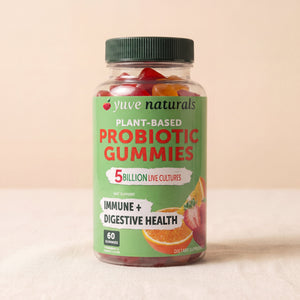
Probiotic and prebiotic supplements fit best as gut-routine support, not as standalone energy or immune solutions. The International Scientific Association for Probiotics and Prebiotics defines probiotics as live microorganisms that confer a health benefit when administered in adequate amounts, according to an ISAPP consensus statement. That definition matters because “probiotic” is not one ingredient; Lactobacillus, Bifidobacterium, Bacillus, CFU count, and strain identity can change the expected outcome. Prebiotic fibers feed beneficial gut microbes, but tolerance depends on fiber type, dose, and baseline diet. For Yuve shoppers, probiotic or prebiotic gummies can support a consistent digestive wellness routine when the label is transparent and the claim stays structure/function. The caveat is important: gut support can complement immune nutrition, but it does not replace B12, vitamin D, zinc, vitamin C, sleep, or dietary quality.
Consistency, label clarity, and digestive tolerance determine the better fit.
Which Yuve products fit this routine best?
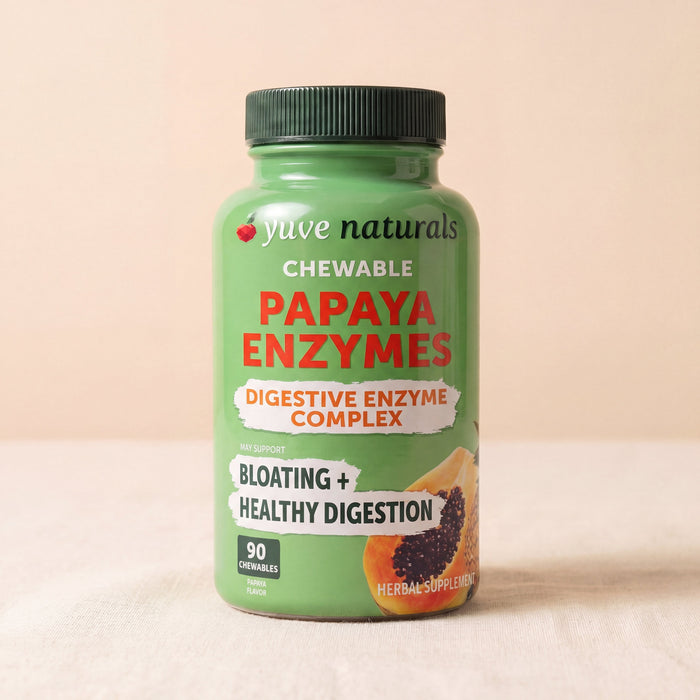
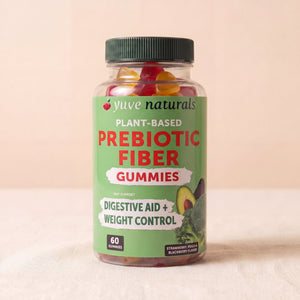
Some links below are affiliate links. This does not influence our evaluation criteria or recommendations. Yuve’s best fit for this topic is the vegan probiotic gummies, because the product supports a daily digestive wellness routine in a plant-based gummy format. The product should be viewed as gut-routine support, not as a direct replacement for vegan B12, vegan D3, zinc, or vitamin C when those nutrients are the actual gap. Shoppers who want a broader Yuve routine can review the digestive health collection, including probiotic, prebiotic fiber, enzyme, and daily digestion options. The best use case is consistency: a gummy format can reduce routine friction for people who avoid capsules. The evidence-based caveat is that product fit depends on diet, ingredient tolerance, and the specific wellness goal.
That boundary keeps Yuve-forward guidance useful without implying the gummies perform nutrient-specific roles they do not claim.
What about price and value?
Price and value should be judged by cost per useful daily serving, not by bottle size or front-label claims. A low-cost B12 supplement can be high value for a vegan shopper with low intake, while a premium multi-ingredient blend can be low value if the active doses are hidden inside a proprietary blend. Vitamin D value improves when the form is vegan D3 from lichen, the dose matches the shopper’s needs, and the serving size is clear. Zinc value depends on staying within a sensible daily range rather than chasing high milligrams. Probiotic value depends on named strains, viable CFU through expiration, and a format the person will actually use. The best value stack usually starts with the most plausible gap, then adds gut-routine support only if digestion, tolerance, and habit fit make sense.
Can plant supplements replace a balanced diet?
Plant supplements cannot replace a balanced diet because nutrients work inside a broader pattern of protein, fiber, sleep, hydration, and total calorie intake. A supplement fills a specific gap; it does not recreate beans, lentils, fruits, vegetables, seeds, fermented foods, or consistent meals. Evidence-based shoppers should use B12, vitamin D, zinc, vitamin C, probiotics, or prebiotics as targeted tools rather than nutritional insurance for an inconsistent diet. The practical rule is simple: food establishes the baseline, supplements cover predictable gaps, and lab testing or clinician guidance helps resolve persistent fatigue, unusual symptoms, or unclear nutrient status without turning a wellness routine into guesswork.
A practical plant-based plate should still deliver carbohydrates, amino acids, minerals, and phytonutrients that a single gummy, capsule, or powder cannot supply. That context keeps supplement expectations honest and genuinely useful.
Do probiotics directly increase energy?
Probiotics do not directly increase energy in the same way caffeine, calories, or sleep can influence alertness. A probiotic can support digestive wellness when the strain, dose, and person match, but energy claims require more caution because fatigue has many causes, including low B12, low iron, poor sleep, under-eating, stress, or medical factors. The better evidence-based statement is that gut-support supplements may help a daily wellness routine feel more consistent for some people. If the primary concern is plant-based energy support, vegan B12 and overall nutrient adequacy deserve priority before a probiotic is expected to do that job.
This distinction protects shoppers from overbuying gut products when the more evidence-based move is a nutrient check, a meal-pattern adjustment, or sleep consistency. Digestive comfort can matter, but it is not the same endpoint as cellular energy metabolism.
Are gummies as evidence-based as capsules?
Gummies can be evidence-based when the active ingredient, dose, serving size, and stability information are transparent. The format does not create the evidence; the ingredient and delivered amount create the evidence. Capsules may allow higher doses or fewer sweeteners, while gummies may improve adherence for people who dislike pills. A Yuve gummy routine can be a reasonable fit when the person values vegan ingredients, daily habit ease, and structure/function support. The caveat is that shoppers should still read Supplement Facts panels, compare active amounts, and avoid assuming that a pleasant format equals a stronger formula.
Manufacturers also need to account for heat, moisture, and shelf life because live cultures and some vitamins can degrade before the consumer finishes the bottle. Evidence follows the finished product, not the marketing format, and repeat use still matters.
How long does a routine take to feel consistent?
A supplement routine usually becomes useful when it becomes repeatable, which often matters more than the exact time of day. B12, vitamin D, zinc, vitamin C, probiotics, and prebiotics follow different timelines because nutrient repletion, gut tolerance, and habit formation are different processes. A daily gummy or capsule can help if it attaches to an existing cue such as breakfast, a desk drawer, or evening planning. People should avoid judging a nutrient supplement after one serving unless the product causes clear intolerance. The more evidence-based approach is to track consistency, diet context, and the original reason for taking the supplement.
For probiotics and prebiotics, gradual introduction can matter because fiber fermentation and microbial shifts may feel different during the first days. For nutrients, consistency over weeks usually reveals more than one-off impressions and logged servings accurately.
Should plant-based shoppers take iron for energy?
Plant-based shoppers should not automatically take iron for energy without knowing whether iron intake or iron status is actually low. Iron supports oxygen transport, so low iron can relate to fatigue, but unnecessary iron can be inappropriate and should be guided by lab values, clinician advice, or a clear dietary assessment. The query here focuses on broad evidence-based plant supplements, and B12 usually deserves earlier attention because the plant-based intake gap is clearer. People who menstruate, donate blood, eat little iron-rich food, or have persistent fatigue should ask about ferritin, hemoglobin, and related markers before choosing iron.
Non-heme iron from legumes, greens, and fortified foods can be part of a plant-based diet, but absorption varies with vitamin C intake, tea, coffee, calcium, and total meal composition. That variability makes testing valuable before supplementation for safety and fit.
Can energy and immune supplements be taken together?

Energy-support and immune-support supplements can often be taken in the same routine, but the combination should be built from specific gaps rather than a large “everything” blend. Vegan B12, vegan D3, zinc, vitamin C, probiotic gummies, and prebiotic fiber can occupy different roles, so overlap is not automatically a problem. The safety question is dose: zinc upper limits, vitamin D totals, fiber tolerance, and medication interactions can matter. A simple routine is usually easier to evaluate than a complex stack. Choose one clear energy rationale, one clear immune rationale, and one optional gut-routine support if digestion and consistency are priorities.
The best next step is to choose the gap you can name. For Yuve shoppers who want plant-based digestive routine support alongside nutrition-first energy and immune basics, start with the vegan probiotic gummies or browse the digestive health collection.