You know that feeling when your stomach gets weirdly puffy by mid-afternoon, your digestion seems to have its own mood swings, and every probiotic bottle starts to look like a tiny science exam? You’re not failing gut health. You’re just trying to make sense of a very crowded supplement aisle.
A lot of women land on garden of life probiotics for women because the brand is visible, the label sounds impressive, and the promise feels specific. That’s a good starting point. But the better question is this: how do you tell whether any women’s probiotic fits your body, your goals, and your diet?
Your Guide to Navigating Women's Probiotics
If you’ve ever bought a probiotic because the front label said “women’s” and hoped for the best, I get it. Most of us aren’t standing in the supplement aisle thinking, “Let me compare strain diversity, delivery format, and ingredient sourcing.” We’re thinking, “Please help me feel less bloated and more normal.”
That’s why it helps to slow down and learn the basics of understanding what probiotics are before judging any brand. Once you know what the live bacteria are supposed to do, labels stop feeling so intimidating.
A women’s probiotic isn’t just about digestion. The better formulas try to support a few connected systems at once, especially the gut, the vaginal microbiome, and immune function. When you know that, the long ingredient list starts to make more sense.
Here’s the practical shift I want for you. Instead of asking, “Is this a popular probiotic?” ask:
- What strains are listed? A product should tell you more than “proprietary blend.”
- How much potency does it provide? CFU count matters, but it isn’t the whole story.
- What else is in the capsule? Prebiotics, allergens, and fermentation ingredients all matter.
- Does it fit your real life? Shelf-stable products are very different from ones that need refrigeration.
- Does it fit your food values? This matters more than many labels admit.
Practical rule: If a probiotic label confuses you, that’s not a personal failure. It’s a sign to read more carefully, not buy faster.
If you want a solid companion read while you compare options, this guide to choosing the best women’s daily probiotic is useful for learning what to scan for first.
What Makes a Probiotic a Women's Probiotic
Women’s bodies deal with microbiome shifts that don’t always show up in generic supplement advice. Hormones change. Digestion can feel different across the month. Vaginal pH and urinary comfort can be part of the bigger picture too. That’s why a general “gut health” formula and a women-focused formula aren’t always trying to do the same job.

Why women often need targeted strains
A women’s probiotic usually aims beyond “better digestion.” It often includes strains associated with support for the intestinal and vaginal microbiomes, because those ecosystems are connected to daily comfort in ways many women know all too well.
A general probiotic is the broad category. A women’s probiotic is more like a formula with a job description.
Some strains get attention in women’s formulas because they’re chosen with these concerns in mind:
- Digestive balance - for the days when your stomach feels heavy, gassy, or irregular
- Vaginal microbiome support - because balance matters there too
- Immune support - since the gut and immune system are closely linked
The label says “women’s” for a reason
The word can sound like marketing fluff, but sometimes it reflects a more focused design. Garden of Life’s women-specific messaging, for example, highlights support for digestive, immune, and vaginal health rather than just “general wellness.” That distinction matters because it tells you what the formula is trying to prioritize.
A good women’s probiotic should tell you who it’s for and what systems it’s trying to support. If it doesn’t, the label may be doing more work than the formula.
A simple way to think about it
If your goals are mostly “I want less digestive drama,” a basic probiotic might be enough. If your goals include digestive comfort plus vaginal support, a women-specific formula may make more sense.
Here’s a quick comparison:
| Type | What it usually targets | What to watch for |
|---|---|---|
| General probiotic | Broad gut support | Fewer clues about women-specific strain choices |
| Women’s probiotic | Gut, vaginal, and immune support | Strain list, ingredient sourcing, and dietary fit |
One point that trips up a lot of readers is this: not every women’s probiotic is automatically the right women’s probiotic for you. “For women” doesn’t answer whether it’s vegan, dairy-free, gentle, or aligned with your body’s needs.
That’s where reading the fine print starts to matter more than the front label.
Decoding Garden of Life Probiotics for Women
You’re standing in the supplement aisle, holding a bottle that says “women’s,” “50 billion,” and “16 strains,” and somehow that still does not answer the question: will this work for your body? That is why Garden of Life is a useful case study. Its label gives us enough detail to practice reading a probiotic like a careful shopper instead of a hopeful guesser. As noted earlier on Garden of Life’s women’s probiotics page, this formula includes 50 billion CFU, 16 probiotic strains, and an organic whole food prebiotic fiber blend.

Those details give you three useful checkpoints: strain names, potency, and support ingredients. If you can read those three parts clearly, you can evaluate almost any women’s probiotic on the shelf.
Start with the strain list
This is the part many women skip because the names look like a biology quiz. Stay with me. The strain list is often the most revealing part of the label.
Garden of Life highlights strains such as L. reuteri and L. fermentum. You may also see Lactobacillus and Bifidobacterium strains in women’s formulas more broadly. Those names are not decoration. They tell you what kinds of microbes the brand chose and hint at the areas the formula is trying to support.
A simple way to read this:
- Lactobacillus strains are common in women’s probiotics because they are often associated with both the gut and vaginal microbiome.
- Bifidobacterium strains often show up in formulas aimed at digestive comfort and regularity.
- Specific named strains are more helpful than vague proprietary blends because they let you judge the formula with more precision.
“Probiotic” works like saying “dog” when what you really need to know is whether you are dealing with a poodle or a husky. Same broad category. Very different specifics.
Then read the CFU count without getting hypnotized by the number
CFU stands for colony-forming units. In everyday terms, it refers to the amount of live microorganisms the product is formulated to contain.
Garden of Life lists a high-potency formula, and that can sound reassuring. Sometimes it is. Sometimes it is just loud marketing. A bigger number does not automatically mean a better result for your digestion, vaginal health goals, or daily tolerance.
A smarter checklist looks like this:
- Does the strain list match your goals?
- Is the potency reasonable for your body and routine?
- Can the organisms survive storage and digestion well enough to matter?
- Will you take it consistently?
That last question is more practical than glamorous, but it matters. A shelf-stable probiotic is easier to keep in a cabinet, travel bag, or desk drawer, which makes consistency much more realistic.
The prebiotic blend deserves a closer look
Garden of Life also adds an organic whole food prebiotic fiber blend. Prebiotics feed beneficial bacteria. Probiotics are the guests. Prebiotics are the groceries in the fridge.
That can be helpful, especially if you want a two-in-one formula. But this is also where label reading gets more personal. Added fibers do not feel the same for everyone. Some women feel fine. Others notice more gas or bloating at first, especially if their digestion is already sensitive. Starting slowly can help.
If you want a clearer foundation on how prebiotics and probiotics work together in women’s formulas, this guide on pre and probiotics for women breaks it down in a very practical way.
What Garden of Life does well on the label
Garden of Life gives shoppers useful information instead of hiding behind buzzwords. You can quickly identify:
- Potency, listed as 50 billion CFU
- Strain diversity, listed as 16 strains
- Women-focused positioning, centered on digestive, immune, and vaginal support
- Added support, through a prebiotic fiber blend
- Convenience, since the formula is described as shelf-stable
That makes it easier to compare, and that is a real strength.
Where the label still needs a critical read
A strong label is only half the story. The other half is whether the formula fits your actual life, values, and body. For many women, the sticking point is not the CFU count. It is the product’s dairy-centered identity and whether that creates hesitation around sourcing, tolerance, or overall dietary fit.
This raises a more interesting question beyond a standard product review. A probiotic can look impressive on paper and still miss the mark for women who want a fully vegan option, avoid dairy-linked ingredients, or feel more comfortable with a plant-based formula.
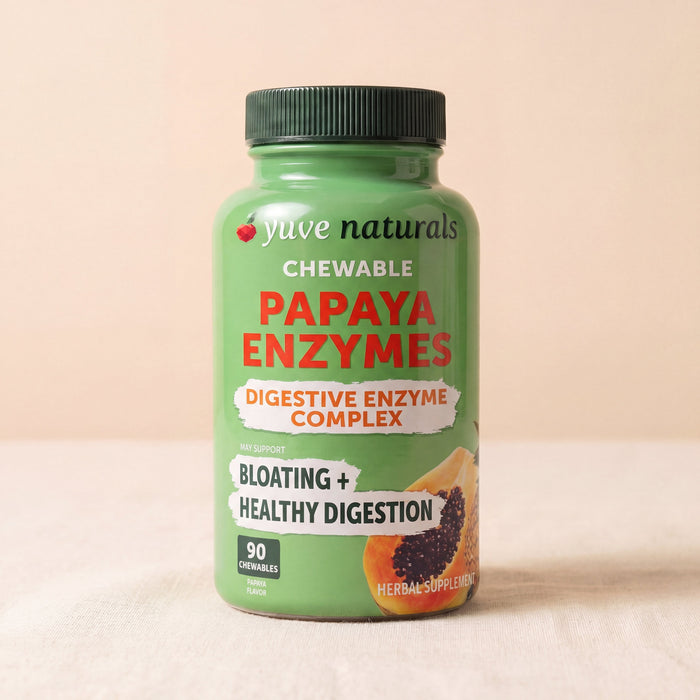
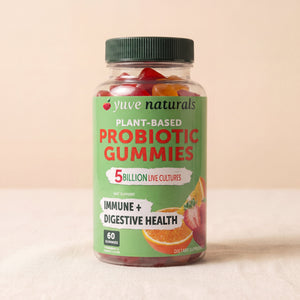
That is why Garden of Life is helpful as a case study, not a final answer. It teaches you how to read a polished probiotic label. It also shows why many women need to go one step further and ask, “Is this formula aligned with how I eat, what I avoid, and what my body handles well?” For women asking those questions, a vegan alternative like Yuve belongs in the comparison instead of being treated like a niche afterthought.
The Science Behind the Benefits for Women
When a probiotic says it supports women’s health, most readers want to know one thing. “Okay, but what does that mean in my day-to-day life?” Fair question.
For a women-focused formula like Garden of Life, the main promised areas are usually digestive support, vaginal support, and immune support. Those aren’t random categories. They reflect the systems the formula is trying to influence.

Digestive comfort is often the first thing women notice
This is usually why people start shopping in the first place. Bloating, sluggish digestion, and irregularity can make you feel like your body is working against you.
In a women’s probiotic, digestive support often comes from a combination of strain selection and formula design. Garden of Life’s women’s product includes strains the brand associates with digestive support, plus a prebiotic fiber blend on its product page. In real life, that means the formula is built to support a healthier gut environment, not just check a marketing box.
What this means for you: if your main complaint is digestive chaos, a women’s probiotic may still help even if you originally came in thinking only about stomach issues.
Vaginal health is part of the conversation
Women-specific formulas become more distinct. Garden of Life is not only marketing vaginal support. There is also an active clinical study tied to this topic.
According to the clinical trial listing for NCT05330091, a decentralized observational study is evaluating Garden of Life Once Daily Women’s Probiotic over 4 months across 200 healthy US women and looks at vaginal pH as a primary outcome. That matters because vaginal pH is one marker researchers use when studying microbiome balance.
A few details from that listing help show how focused the study is:
- Duration - 4 months
- Participants - 200 healthy US women
- Age range - 19 to 70
- Design detail - participants self-measure vaginal pH over multiple cycles using study tools
This doesn’t mean we should overstate results before the study is complete. It does mean the brand is putting a women-specific claim under formal evaluation.
Science gets more useful when it studies the exact question women are asking, not just gut health in general.
If you want a broader, plain-language overview of how these systems connect, this article on pre- and probiotics for women is a helpful companion resource.
Immune support is connected to the gut
Immune support can feel vague on supplement labels, so let’s make it concrete. A lot of immune activity is tied to what’s happening in the gut. That’s one reason probiotic formulas often mention immune function alongside digestion.
Garden of Life positions this formula for immune support on its product page, alongside digestive and vaginal health. The practical takeaway isn’t that a capsule replaces the basics like sleep, food, and stress care. It’s that a well-designed probiotic may support one piece of the bigger wellness puzzle.
A quick reality check on expectations
A probiotic isn’t a magic switch. It’s more like a gradual nudge toward better balance. Some women notice changes in digestion first. Others care more about routine support for vaginal and urinary comfort. And some need to experiment before finding a formula their body prefers.
That’s normal. It isn’t a sign probiotics “don’t work.” It’s a sign that matching the formula to the person matters.
How to Choose the Right Women's Probiotic For You
You’re standing in the supplement aisle, holding two bottles that both say “women’s probiotic,” and both sound impressive. One highlights vaginal health. Another mentions digestive and immune support. Then you flip the bottle over and realize the key decision is hiding in the fine print.
That moment is why choosing a probiotic can feel harder than it should.
Garden of Life is a useful case study because it does several things right on paper, especially around women-focused positioning. It also shows a problem many women run into once they start reading labels closely. A product can sound thoughtful and still be a poor fit for your diet, your body, or your daily routine.

Read beyond the front label
The front label is the headline. The side panel is the full story.
If you’re comparing women’s probiotics, start with a few basics:
- Named strains. Clear strain names tell you the brand is being specific about what is inside.
- CFU amount. This helps you understand the stated dose, not chase the biggest number on the shelf.
- Certifications. Third-party certifications can add confidence about manufacturing and ingredient standards.
- Storage instructions. Shelf-stable products are often easier to keep using consistently.
- Extra ingredients. This is the section that reveals allergens, ferments, sweeteners, fillers, or ingredients you may be trying to avoid.
Reading labels gets easier quickly. The first bottle feels like homework. By the third or fourth, you start spotting the important clues in seconds.
The dairy question matters more than many labels suggest
For a lot of women, the deciding factor is not the probiotic count. It is compatibility.
Some popular women’s probiotics use dairy-based ingredients or dairy ferments in ways that are easy to miss if you only read the front panel. Products that include ingredients such as “Bulgarian yogurt” and “Wild European kefir” make that issue pretty concrete. That concern is specifically noted in this Kroger product listing for a Garden of Life women’s probiotic formula.
For women who are vegan, dairy-sensitive, or trying to reduce dairy exposure, that detail can change the whole answer.
Marketing can also be sneaky in this area, even without trying to mislead. Dairy ferments may be framed as premium, traditional, or whole-food inspired, while the needs of women who avoid dairy get much less attention. That leaves shoppers doing extra detective work.
If a probiotic does not fit your diet, it does not fit your life, even if the strain list looks excellent.
A smarter checklist for real-life choosing
A good probiotic choice usually comes from matching the formula to your real life, not to a brand’s most polished promise.
| Question | Why it matters |
|---|---|
| Does it name the strains? | You can judge whether the formula is specific or vague |
| Is the CFU count clearly listed? | You know the product’s stated potency |
| Is it shelf-stable? | Easier consistency for travel and everyday use |
| Are there third-party certifications? | Helpful for quality confidence |
| Does it include dairy-based ingredients or ferments? | Critical for vegans and dairy-sensitive women |
| Does the formula match your actual goal? | Bloating, routine support, vaginal balance, or all three |
If you want another perspective on how people compare these combo formulas, this guide to the best synbiotic supplement for women is worth browsing for context on what shoppers often prioritize.
Plant-based women should not have to settle
I want to say this plainly. Women who need or prefer plant-based supplements deserve formulas designed with them in mind from the start.
A significant comparison gap exists here. Direct guidance comparing vegan and dairy-derived probiotic options for women is still limited, especially around questions tied to vaginal and digestive support. That gap matters because it pushes plant-based shoppers into a frustrating pattern of label-checking, ingredient-searching, and second-guessing.
A better approach is to choose formulas that are built for plant-based compatibility at the formulation stage. That is one reason a vegan option like Yuve stands out in this conversation. It speaks to a broader issue in the women’s probiotic market. Many mainstream products were not created with vegan women at the center, and it shows once you examine the ingredient story closely.
If you want a label-reading shortcut for that specific need, this guide to best vegan probiotics for women gives a clearer framework for comparing plant-based options.
A short explainer can help here too:
The founder-story lens that matters
Brand stories are not enough on their own, but they can still tell you what questions shaped a product.
Some gut-health brands speak to an imaginary customer who has endless patience, a perfect digestive system, and no food sensitivities. Real women usually arrive here after a much messier experience. They have dealt with bloating before work, food reactions during travel, or supplements that looked promising but made daily life more complicated.
That history changes what matters. You start asking better questions. Is the formula simple to take? Is the ingredient list clear? Does it exclude ingredients that create stress for a meaningful group of women?
Those questions will serve you better than hype ever will.
Your Practical Guide to Using Probiotics
Buying the right probiotic is one part of the job. Taking it in a way you’ll stick with is the other part.
People often get thrown off by tiny questions. Morning or night? With food or without? What if I feel more gassy at first? Those questions matter because consistency is easier when the routine feels doable.
How to start without overthinking it
A simple routine usually works best. Pick a time you’re likely to remember. Many people choose breakfast because it already happens every day, even on messy mornings.
You can use this starter approach:
- Take it at the same time daily - consistency matters more than chasing a “perfect” hour.
- Pair it with an existing habit - coffee, breakfast, brushing your teeth, or lunch prep.
- Give your body an adjustment window - mild early changes in gas or bloating can happen.
- Track how you feel - not obsessively, just enough to notice patterns.
If you feel a little worse before you feel better
This part can be unsettling. Some women start a probiotic and immediately think, “Nope, this is making me bloated.” Sometimes that means the formula isn’t a fit. Sometimes it means your gut is adjusting to a change.
A gentle response works better than panic:
- Start lower if needed - if the product allows flexibility, ease in
- Take it with a meal - this can feel gentler for some people
- Stay hydrated - your digestion does better with enough fluid
- Pause and reassess if symptoms feel intense - severe reactions deserve medical input
Mild adjustment can happen. Persistent or severe discomfort is your signal to check in with a healthcare professional.
Storage matters more than people think
Some probiotics need refrigeration. Others are designed to be shelf-stable. That doesn’t make one category automatically superior. It changes how careful you need to be with handling and routine.
If your probiotic is shelf-stable, that’s a convenience advantage for work bags, travel, and forgetful kitchens. If it needs refrigeration, treat that instruction like part of the product itself, not a suggestion.
Here’s a quick comparison:
| Type | Best for | Watch out for |
|---|---|---|
| Shelf-stable | Busy routines, travel, simplicity | Heat exposure still matters |
| Refrigerated | People comfortable with stricter storage habits | Easier to forget or mishandle |
A few quiet habits that help
The probiotic doesn’t work in isolation. Your day-to-day habits affect how supported your gut feels.
Keep these in mind:
- Regular meals often feel easier on digestion than chaotic eating patterns
- Adequate sleep supports the whole gut-immune connection
- Stress care matters because the gut and brain talk constantly
- Patience is part of the process, even though I know that’s annoying
You do not need a perfect routine. You need one you can repeat.
Frequently Asked Questions About Women's Probiotics
Are shelf-stable probiotics better than refrigerated ones
Not automatically. Shelf-stable probiotics are often easier to use consistently, especially if you travel or don’t want one more thing crowding your fridge. Refrigerated products can also be valid. The key is following the storage instructions exactly as the label directs.
Is a higher CFU count always better
No. A higher number can look impressive, but strain choice, formula design, and personal fit matter too. A probiotic with a large CFU count may still be wrong for you if it contains ingredients you avoid or strains that don’t match your goal.
Why do some women feel bloated after starting a probiotic
A short adjustment period can happen when your gut environment changes. That doesn’t always mean something is wrong. If the bloating is mild, you may want to give your body a little time. If symptoms are strong, persistent, or feel alarming, stop and ask a qualified healthcare professional.
Can I take a women’s probiotic if I’m vegan or dairy-sensitive
Yes, but you have to read labels carefully. This is one of the biggest reasons a generic “best probiotic” list can fail people. Some women’s formulas in the market use dairy-related ingredients or ferments, so dietary fit should be part of your decision from the start.
Do probiotics help only with digestion
Not necessarily. Women’s formulas are often designed with broader support in mind, including digestive comfort, vaginal microbiome balance, and immune support. That’s why the strain list and product positioning matter.
Should I take probiotics with other supplements or medications
Sometimes yes, but this is one of those “it depends” areas. The safest move is to check with your pharmacist or healthcare provider, especially if you take prescription medication, have a health condition, or are immunocompromised.
If you want a plant-based option that aligns with a cleaner gut-health routine, explore Yuve. Their vegan approach makes sense for women who don’t want dairy-centered formulas, and it’s a practical next step if you’re trying to support digestion and daily wellness without compromising your values.