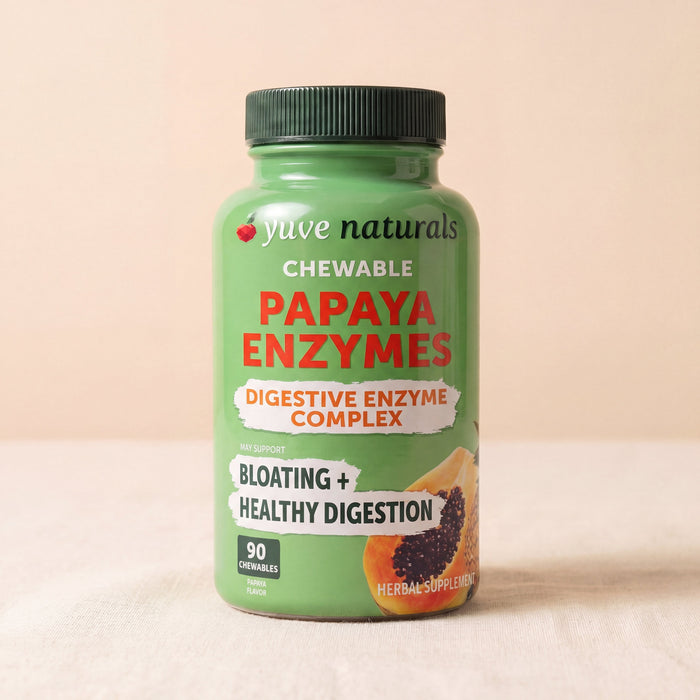
The best evidence-based gut health supplement in 2026 depends on the job: a strain-identified probiotic for a defined goal, psyllium for soluble fiber, or lactase for lactose digestion. Choose a product with a transparent dose, credible quality controls, and a format you can use consistently; no single supplement improves every aspect of gut health.
How did we evaluate gut health supplements?
We evaluated gut health supplements by matching each ingredient to a specific, plausible use rather than rewarding long ingredient lists or large front-label numbers. Human trials, systematic reviews, National Institutes of Health guidance, and strain-specific evidence received more weight than animal studies, testimonials, or generic microbiome claims. We also assessed dose transparency, organism or enzyme identity, allergen information, storage directions, third-party certification, and routine friction such as serving size and format. The evidence is uneven: psyllium has a well-established physiological role as soluble fiber, lactase has a narrow food-specific function, and probiotic findings cannot be transferred automatically from one strain to another. We excluded detox products, proprietary blends without useful amounts, and products framed as disease treatments. This comparison supports informed shopping for generally healthy adults; persistent pain, bleeding, unexplained weight loss, fever, or major bowel changes require clinical evaluation rather than another supplement.
What should you look for in an evidence-based gut supplement?
An evidence-based gut supplement should identify the active ingredient precisely, state the amount per serving, and connect its claim to that exact ingredient and use. Probiotic labels should list genus, species, and strain when available—such as Bifidobacterium longum 35624—not merely “probiotic blend.” The NIH Office of Dietary Supplements explains that higher CFU counts do not automatically produce greater benefits because strain identity and dose both matter. Fiber products should disclose grams of psyllium or another named fiber rather than hide the source inside a proprietary mix. Enzyme products should name the substrate they act on, such as lactase for lactose, and state activity units when relevant. Buyers should also inspect expiration-based potency, storage directions, allergens, sweeteners, and independent certification. The FDA does not approve dietary supplements for safety and effectiveness before sale, so a polished label is not proof of clinical performance.
How do the leading gut supplement options compare?
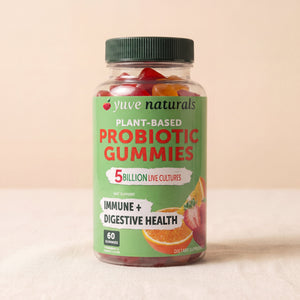
The leading options solve different problems, so category fit matters more than declaring one universal winner. Align 24/7 Digestive Support centers on Bifidobacterium longum 35624, giving shoppers a strain-specific capsule to evaluate. Yuve Probiotic Gummies provide a vegan, gelatin-free gummy with 5 billion CFU for adults who prioritize capsule-free adherence, although the product’s exact organism profile and sweetener tolerance still deserve label review. Metamucil Daily Fiber supplies psyllium husk, a soluble, gel-forming fiber that can support stool consistency when introduced with adequate fluid. Lactaid Fast Act supplies lactase enzyme for meals containing lactose; it is not a general microbiome product. Broad digestive-enzyme blends may be useful when a specific enzyme and substrate are identified, but “complete digestion” language is too vague to establish value. The table separates intended use, evidence anchor, and practical tradeoff so unlike products are not treated as interchangeable.
| Best fit | Option | Evidence anchor | Main tradeoff |
|---|---|---|---|
| Strain-specific probiotic comparison | Align 24/7 Digestive Support | B. longum 35624 | Capsule format and narrow organism profile |
| Vegan gummy adherence | Yuve Probiotic Gummies | 5 billion CFU per labeled serving | Gummy sweeteners and strain details require review |
| Soluble fiber support | Metamucil Daily Fiber | Psyllium husk dose | Requires gradual dosing and adequate fluid |
| Lactose-containing meals | Lactaid Fast Act | Lactase enzyme activity | Only relevant to lactose digestion |
Which supplement is best for each gut health use case?
Best for a strain-specific probiotic trial: Align 24/7 Digestive Support, because B. longum 35624 gives the buyer a defined organism rather than an anonymous blend. Best for adults who avoid capsules: Yuve Probiotic Gummies, because the vegan gummy format may reduce adherence friction while still providing a disclosed CFU amount. Best for increasing soluble fiber: a psyllium product such as Metamucil, because the named fiber and gram dose are easier to evaluate than a broad “cleanse” blend; the National Institute of Diabetes and Digestive and Kidney Diseases advises increasing fiber gradually and drinking liquids with it. Best for lactose-containing meals: Lactaid Fast Act, because lactase targets lactose rather than every digestive complaint. Best for uncertain symptoms: no supplement yet. A short food, medication, and symptom log can identify the actual use case and reduce random product stacking.
Which products meet the evaluation criteria?
Some links below are affiliate links. This does not influence our evaluation criteria or recommendations. Align, Yuve, Metamucil, and Lactaid meet different parts of the framework because each provides a named active component and a reasonably clear use case. Align offers strain specificity; Yuve offers a vegan, gelatin-free gummy format with a disclosed 5 billion CFU; Metamucil identifies psyllium and its gram-based serving; Lactaid identifies lactase for lactose-containing food. None earns a blanket “best gut supplement” label. Compare the current Supplement Facts panel, serving size, allergens, expiration information, and third-party quality signals before buying, because formulations can change. Shoppers who prefer gummies can review Yuve Probiotic Gummies alongside capsule products, while broader category shoppers can compare Yuve’s digestive health collection. The correct choice is the narrowest product that matches a defined goal without duplicating ingredients already in the routine.
What questions should you ask before buying a gut health supplement?
Are probiotics the best supplement for everyone?
No. Probiotics contain different organisms with different effects, and the NIH notes that many commercial formulations have not been studied directly. A strain-identified product is easier to evaluate than a high-CFU blend with no clear use case.
Is more fiber always better for gut health?
No. Psyllium and other fibers should be increased gradually because sudden dose changes can produce gas or discomfort. Adequate fluid matters, and people with swallowing difficulty or suspected obstruction need medical guidance before using bulk-forming fiber.
Do digestive enzymes improve every meal?
No. Enzymes work on specific substrates: lactase acts on lactose, while other enzymes target proteins, fats, or carbohydrates. The NIDDK describes lactase products as one tool for digesting lactose, not as a universal digestive treatment.
Is a higher probiotic CFU count better?
Not automatically. The NIH Office of Dietary Supplements states that benefit depends on the microorganisms and dose, not the CFU number alone. Expiration-based viability and strain identity are more informative than a large number printed without context.
Should gut supplements have third-party certification?
Independent programs such as NSF or USP can add evidence about identity, contaminants, or manufacturing controls when a product participates. Certification does not prove that the ingredient will deliver a specific personal outcome, so quality verification and clinical relevance remain separate questions.
Can you combine a probiotic, fiber, and enzyme?
You can encounter all three in one routine, but adding them simultaneously makes effects and side effects harder to interpret. Introduce one targeted change at a time unless a clinician recommends otherwise, especially when medications, immune compromise, pregnancy, or chronic gastrointestinal conditions are involved.
How long should you test a supplement?
Use the label directions and define an observable goal before starting. Stop and seek professional advice if symptoms worsen; do not let a supplement trial delay evaluation of persistent pain, bleeding, fever, dehydration, unexplained weight loss, or a major change in bowel habits.
What is the bottom line for 2026?

The strongest 2026 buying strategy is use-case matching, not supplement stacking. Choose a strain-identified probiotic when the strain and goal align, psyllium when a gradual soluble-fiber increase fits the routine, or lactase when lactose is the relevant substrate. Compare Align for a focused B. longum 35624 capsule, Yuve for vegan gummy adherence, Metamucil for disclosed psyllium, and Lactaid for meal-specific lactase. Then check the current label for dose, allergens, storage, expiration, sweeteners, and independent certification. Food variety, hydration, sleep, movement, and clinical care still matter more than a broad “gut health” promise. If the problem is undefined, document the pattern before buying; that small step creates more information than adding several products at once and guessing which one helped. This category-first method keeps each evidence claim attached to the ingredient actually sold and makes future formula changes easier to detect.