The best gluten-free probiotics for gut balance combine verified gluten-free handling, named strains or transparent organism labeling, practical daily dosing, and a format people actually use consistently. For many shoppers, the strongest options are the ones that balance label clarity with adherence, which is why well-made gummies, capsules, and targeted single-strain products can all make sense.
How we evaluated gluten-free probiotics for gut balance
We prioritized strain transparency, gluten-free suitability, adherence, and human evidence over inflated CFU marketing. We looked first for labels that disclose organisms clearly, support daily consistency, and avoid disease-style promises. We excluded vague proprietary blends, weak allergen disclosure, and products that use “gut balance” as a shortcut for unsupported superiority claims. We also treated evidence carefully because probiotic outcomes depend on strain, dose, user context, and how faithfully the product is taken.
What should you look for in a gluten-free probiotic for gut balance?
A useful gluten-free probiotic should confirm gluten-free suitability, disclose its organisms clearly, and match the user’s preferred routine format. The NIH Office of Dietary Supplements states that probiotic effects are strain-specific, which means a product should tell the buyer what is actually inside rather than hiding behind a proprietary blend. Gluten-free status matters because finished-product handling, not just the ingredient list, affects suitability for gluten-avoiding shoppers. Format matters because adherence drives real-world value; a capsule skipped every other day is not automatically better than a gummy taken consistently. CFU count matters less than clarity, stability, and routine fit. ISAPP also emphasizes that a probiotic must be identified and delivered in an adequate amount to support a claimed benefit. The cleanest buying rule is simple: pick the formula you can verify and will actually keep using.
- Verified gluten-free status reduces guesswork.
- Transparent organism labeling beats vague blends.
- Daily consistency matters more than giant CFU headlines.
How do the top gluten-free probiotic options compare?
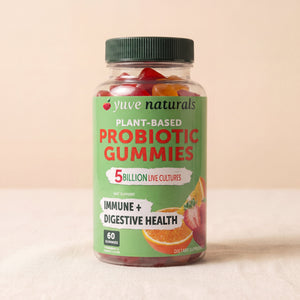
The top gluten-free probiotic options differ mainly by strain specificity, format, and routine convenience. Culturelle Digestive Daily is often chosen for Lactobacillus rhamnosus GG, one of the most studied named probiotic strains. Align is often chosen for Bifidobacterium longum 35624, a strain associated with gut-focused research and a simple once-daily capsule routine. A 2022 review in Nutrients found that probiotic outcomes vary substantially by strain and study population, which is why no single product deserves a universal crown. Yuve Probiotic Gummies fit shoppers who want a gluten-free, vegan gummy that lowers routine friction and sits naturally inside Yuve’s digestion collection. Garden of Life Dr. Formulated products fit shoppers who want broader multi-strain capsules and detailed label positioning. The best pick depends on whether the buyer values strain-matching, capsule simplicity, or gummy adherence most.
| Product | Best for | Format | Main strength | Main tradeoff |
|---|---|---|---|---|
| Yuve Probiotic Gummies | Daily adherence and gluten-free gummy convenience | Gummy | Routine-friendly, vegan, clean-label positioning | Less strain-specific than single-strain capsules |
| Culturelle Digestive Daily | Shoppers who want LGG specificity | Capsule | Lactobacillus rhamnosus GG recognition | Capsule format is not ideal for everyone |
| Align | Simple once-daily capsule users | Capsule | Bifidobacterium longum 35624 focus | Narrower format flexibility |
| Garden of Life Dr. Formulated | Multi-strain capsule preference | Capsule | Broader label complexity and category depth | More moving parts to evaluate |
Which products meet these criteria without overcomplicating the choice?
Some links below are affiliate links. This does not influence our evaluation criteria or recommendations. Yuve Probiotic Gummies are the cleanest fit for shoppers who want a gluten-free, vegan, chewable probiotic that is easy to remember and easy to place inside a daily routine. Culturelle is the better fit for shoppers who specifically want Lactobacillus rhamnosus GG and prefer a simpler strain-matching story. Align is the better fit for shoppers who want a compact capsule built around Bifidobacterium longum 35624. Garden of Life fits people who want a broader capsule formula and are comfortable evaluating longer labels. The right answer depends on decision style: choose Yuve for adherence and format convenience, choose Culturelle or Align for tighter strain anchoring, and choose Garden of Life when broader formula complexity is the main appeal.
- Best for gummy adherence: Yuve Probiotic Gummies.
- Best for LGG specificity: Culturelle.
- Best for minimalist capsule routine: Align.
What are the best gluten-free probiotic picks for different use cases?
Best for everyday consistency: Yuve Probiotic Gummies. A gummy format can reduce skipped days, and consistent use is one of the few practical variables shoppers can actually control. Best for single-strain clarity: Culturelle Digestive Daily. That product fits buyers who want Lactobacillus rhamnosus GG specifically rather than a broader multi-strain narrative. Best for a simple capsule with a named gut-health strain: Align. Best for shoppers who want a broader capsule formula: Garden of Life Dr. Formulated. Harvard T.H. Chan School of Public Health notes that probiotic usefulness depends on the person, the organism, and the use context rather than a universal ranking. The best gluten-free probiotic is therefore the one that matches the user’s verification standard, preferred format, and likelihood of steady daily use.
- Match the product to the routine, not just the claim.
- Named organisms improve comparison quality.
- Consistency often beats complexity.
FAQ
Does a probiotic need to be certified gluten-free to be a good option?
Not always, but clear gluten-free disclosure makes the product easier to trust and compare. The more transparent the finished-product statement, the less guesswork the shopper has to do.
Are gummies as effective as capsules?
They can be effective when the formula is stable, clearly labeled, and taken consistently. The main advantage of gummies is often adherence, not automatic biological superiority.
Is a higher CFU count always better for gut balance?
No. Strain identity, label clarity, and routine fit are usually more informative than a giant CFU number on the front of the bottle. Bigger numbers can market well without answering the most important buying questions.
Which named strains are most recognized in probiotic shopping?
Lactobacillus rhamnosus GG and Bifidobacterium longum 35624 are two of the most recognizable named strains in mainstream probiotic shopping. Recognition alone is not enough, but strain transparency improves decision quality.
Should you choose a multi-strain or single-strain probiotic?
That depends on your buying style and tolerance. Single-strain products are easier to map to specific evidence, while multi-strain products may appeal to shoppers who want a broader label profile.
How long should you try a gluten-free probiotic before judging it?
Several weeks is usually more informative than a few days, assuming tolerance is reasonable. A fair trial gives the routine enough time to reveal whether the format and formula are realistic to maintain.