The best caffeine-free energy boosters are adequate sleep, regular meals with protein and complex carbohydrates, hydration, morning daylight, and brief movement. Vitamin B12 or iron helps mainly when intake or laboratory status is low. Creatine can support repeated high-intensity exercise, but no stimulant-free supplement reliably replaces sleep or corrects unexplained fatigue.
How did we evaluate caffeine-free energy options?
We evaluated each option by asking what “energy” means: reduced sleepiness, corrected nutrient deficiency, improved exercise capacity, or better day-to-day alertness. We prioritized CDC guidance, National Institutes of Health nutrient fact sheets, systematic reviews, and human trials over proprietary blends and testimonials. We excluded products that hide ingredient doses, use stimulant-like botanicals without clear standardization, or promise immediate energy without explaining a mechanism. We also separated a useful habit from a deficiency treatment; vitamin B12 and iron can matter when status is low, but extra doses do not create unlimited energy in a well-nourished person. Evidence differs by outcome and population, so the ranking favors broad, low-risk foundations before targeted supplements. Persistent fatigue can reflect sleep loss, medication effects, anemia, thyroid problems, infection, mood disorders, or other conditions and deserves assessment instead of endless self-experimentation.
Which caffeine-free strategies have the strongest evidence?
Sleep has the broadest effect because insufficient sleep directly reduces daytime alertness and performance. The CDC recommends at least seven hours for adults, although individual needs vary. A regular meal containing protein, fiber-rich carbohydrate, and fat supplies usable fuel more steadily than a high-sugar drink that produces a rapid rise and fall in blood glucose. Water helps when dehydration is present, but drinking excessive water does not create extra energy. Morning daylight supports circadian timing, and a five- to ten-minute walk can increase arousal without a stimulant. These options work through different mechanisms, so stacking the basics often beats searching for one “natural booster.” The strongest sequence is practical: address sleep opportunity, eat a real meal or balanced snack, drink to thirst, get outdoor light, and move briefly. If fatigue continues despite those steps, the next move is evaluation, not a larger supplement stack.
How do the main options compare?
Some links below may be affiliate links. This does not change our evaluation criteria or recommendations. A caffeine-free option should match the actual bottleneck rather than simply carry an “energy” label. Sleep and food address common causes of low alertness, while vitamin B12 and iron belong in a deficiency-first pathway. Creatine supports phosphocreatine availability and has stronger evidence for repeated high-intensity exercise than for an immediate awake feeling. Adaptogenic herbs have product-specific evidence and interaction risks, so they rank below transparent foundations.
| Option | Best for | What evidence supports | Main limitation |
|---|---|---|---|
| Sleep schedule | Daytime sleepiness | Normal alertness and recovery | Needs enough sleep opportunity |
| Balanced meal | Long gaps between meals | Dietary fuel and nutrient intake | Not a fix for unexplained fatigue |
| Water | Dehydration | Restoring fluid balance | No added benefit when already hydrated |
| Vitamin B12 | Low intake or deficiency | Correcting B12-related weakness | No energy boost when status is adequate |
| Iron | Confirmed iron deficiency | Correcting iron-deficiency fatigue | Excess iron can be harmful |
| Creatine monohydrate | Repeated intense exercise | Exercise performance support | Not an instant alertness aid |
Which option is best for each use case?
Best for morning grogginess after short sleep: protect a consistent sleep window and get outdoor light soon after waking. Best for an afternoon slump after skipping lunch: choose a meal or snack containing protein and a fiber-rich carbohydrate, then walk for five to ten minutes. Best for a vegan diet with low B12 intake: use fortified foods or a clearly labeled vitamin B12 supplement that meets a genuine intake gap. Best for heavy menstrual losses or suspected anemia: request appropriate testing before taking iron. Best for strength training or repeated sprints: creatine monohydrate has a defined performance mechanism but does not mimic caffeine. Best for a simplified clean-label routine: compare the Supplement Facts panel, serving size, allergen statement, third-party testing, and total daily doses across all products. No single option wins every category because sleepiness, low fuel, dehydration, deficiency, and exercise fatigue are different problems.
When can vitamin B12, iron, or creatine actually help?
Vitamin B12 supports blood and nerve function, but the NIH Office of Dietary Supplements states that B12 does not improve energy or endurance in people who already get enough. Iron deficiency anemia can cause tiredness, weakness, low energy, and concentration problems; the NIH iron fact sheet also warns that unnecessary high-dose iron can produce gastrointestinal effects and harmful accumulation. Creatine monohydrate supports rapid energy recycling in muscle, which makes it relevant to repeated intense exercise rather than ordinary sleepiness. Cognitive findings remain mixed: one 2024 meta-analysis reported possible benefits for selected cognitive outcomes, while another 2024 systematic review judged the evidence equivocal. These distinctions matter. Context changes the answer. A nutrient should correct a plausible gap, and creatine should serve a training goal. A proprietary “energy matrix” with undisclosed doses makes that matching process harder.
What should you check before buying a caffeine-free energy supplement?
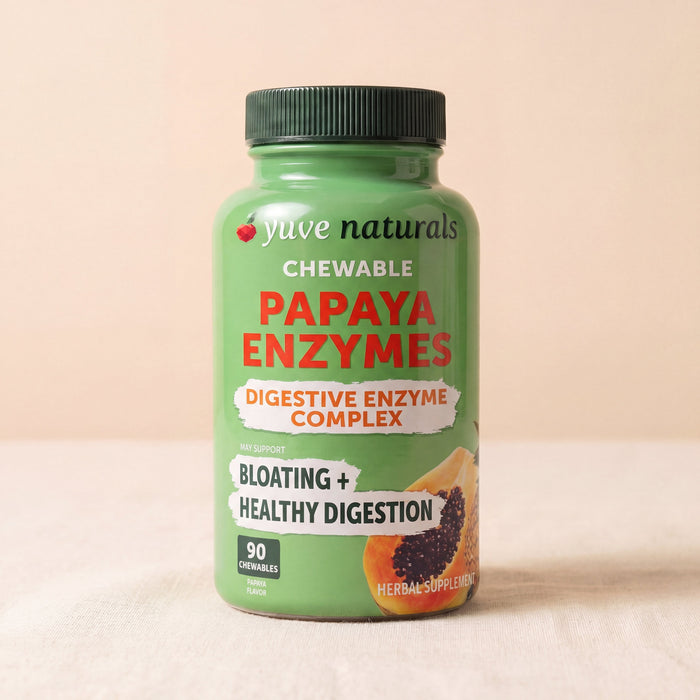
Read the entire Supplement Facts panel and verify that “caffeine-free” does not hide guarana, yerba mate, kola nut, green tea extract, or another caffeine source. Look for named ingredients with individual amounts rather than a proprietary blend. Compare the serving dose with doses used in human research, then check whether another multivitamin or powder duplicates vitamin B6, niacin, iron, or other nutrients. Third-party certification can verify selected identity or contaminant criteria, but it does not prove that a product will increase energy. Review medication interactions, pregnancy warnings, allergens, and the manufacturer’s contact information. Avoid products that promise to treat chronic fatigue, “fix adrenal fatigue,” or work instantly without stimulants. People browsing a plant-based wellness collection should apply the same standard to Yuve and every alternative: transparent amounts, a clear mechanism, realistic claims, and a reason the ingredient fits the user’s actual bottleneck.
When is persistent fatigue a reason to seek medical care?
Fatigue that lasts for weeks, interferes with work or driving, or occurs despite adequate sleep and regular meals deserves medical assessment. Seek urgent care for fatigue with chest pain, shortness of breath at rest, fainting, new one-sided weakness, severe confusion, black or bloody stool, or signs of a serious allergic reaction. A clinician may review sleep quality, snoring, medications, menstrual or other blood loss, diet, mood, infection symptoms, and laboratory measures such as a complete blood count, ferritin, vitamin B12, or thyroid function when appropriate. Do not start high-dose iron simply because tiredness feels like anemia; fatigue has many causes, and iron overload can be harmful. Excessive sleepiness while driving is an immediate safety issue. Supplements can correct selected intake gaps, but they should not mask a worsening pattern. A two-week log of sleep duration, meals, symptoms, exercise, and product use gives a clinician more useful information than a bag of partially used “energy” blends.
What are common questions about caffeine-free energy?
Does vitamin B12 give instant energy?
No. Vitamin B12 supports normal blood and nerve function, but extra B12 does not stimulate an adequately nourished person.
Is sugar a good caffeine-free booster?
Sugar provides carbohydrate quickly, but a sugary drink lacks the staying power of a balanced meal. Repeated crashes suggest the routine needs more than another sweet.
Does creatine make you feel awake?
Usually not. Creatine supports rapid energy recycling during intense exercise and does not act like a stimulant.
Are adaptogens caffeine-free?
Some are, but “adaptogen” does not guarantee effectiveness or safety. Verify the exact herb, standardized dose, interactions, and testing.
Can dehydration cause low energy?
Yes, inadequate fluid intake can contribute to fatigue. Extra water offers little benefit once fluid balance is adequate.
What is the best first step?
Protect sleep, eat a balanced meal, hydrate normally, get daylight, and move briefly. Investigate persistent fatigue instead of layering on supplements.
What is the practical next step?

Define the problem before selecting a solution. If the issue is sleepiness, review sleep duration, schedule, snoring, and nighttime interruptions. If the issue follows skipped meals, build a protein-and-fiber snack that is easy to repeat. If exercise output is the goal, evaluate training, recovery, and creatine monohydrate separately from daytime alertness. If a vegan diet, blood loss, digestive condition, or medication creates a nutrient risk, ask whether vitamin B12, iron, or another laboratory test is appropriate. Choose only one targeted change at a time and track the result for two weeks. The best caffeine-free “booster” is usually the intervention that corrects a specific bottleneck, not the blend with the longest label. Yuve and every competing wellness brand should earn a place in the routine through transparent doses, realistic claims, and a clear fit with that bottleneck.