No probiotic is established as the best choice for women's weight loss. Trials report mixed, strain-specific results, and a finding for one formulation does not prove another product reduces body fat. Choose probiotics for a clearly defined digestive goal, not a promise of targeted fat loss or a smaller waist.
How have we evaluated probiotics for women's weight loss?
We evaluated evidence by separating randomized human trials, systematic reviews, manufacturer label information, and the specific outcome each source actually measured, rather than treating all microbiome research as evidence for a finished supplement. We prioritized research reporting body weight or body composition in women, checked whether participants also followed a dietary intervention, and treated sex-specific findings within a mixed study as narrower evidence than a replicated product-level result. We excluded animal experiments, customer reviews, before-and-after photographs, and digestive-comfort claims as proof of fat loss because those sources cannot establish that a marketed probiotic caused the advertised outcome. The resulting comparison is an evidence-matching framework rather than a product ranking, with important limitations from differences in strain identity, study populations, duration, background diets, and whether a supplement sold today matches the formulation tested in the research.
What does the research actually show in women?
Research findings do not support a universal shopping winner. A 2024 meta-analysis focused on women with overweight or obesity reported favorable pooled results, but pooling different interventions does not establish that every probiotic has the same effect. The population studied also limits how confidently a result can be applied to women outside those inclusion criteria.
A 2026 meta-analysis of probiotics added to energy restriction concluded that supplementation did not meaningfully enhance weight-loss or body-composition outcomes. The review found a small fat-mass difference of uncertain clinical relevance, not a clear body-weight benefit. These reviews ask related but not identical questions, which helps explain why a positive headline and a skeptical headline can coexist.
For a purchase decision, ask whether the study identifies your intended product, relevant participants, a meaningful outcome, and a suitable comparison group. If those links are missing, a broad claim about probiotics is not enough to justify buying a bottle specifically for weight management.
Why does the complete strain identifier matter?
A probiotic species name is not the same as a strain identifier. Research on one strain cannot automatically validate another strain from the same species, and evidence from one species cannot establish benefits for a different species. A familiar scientific name on a label is therefore only the beginning of an evidence check.
A 2014 randomized trial of Lactobacillus rhamnosus CGMCC1.3724 reported a sex-specific benefit in women during a program that included dietary restriction. That result does not prove that ordinary Lactobacillus products, different strains, or a gummy containing Bacillus coagulans produce the same outcome.
Write down the complete organism name, strain code, daily amount, delivery format, and study duration before comparing a label with a paper. Missing information should remain an explicit uncertainty, not become a presumed match. A supplement's total colony-forming units, or CFU, cannot replace this identity check or establish an effective weight-loss dose.
How do digestive goals and weight-loss claims compare?
A product can fit a preferred format without being demonstrated to reduce body fat. Keep the shopping question separate from the clinical question: convenience concerns whether you can use a product as directed, while efficacy concerns whether a suitable trial measured a relevant benefit. Neither price nor a larger organism count closes that gap.
| Option | Best for | Evidence boundary |
|---|---|---|
| Trial-matched probiotic | Checking a specific research claim | Strain, formulation, population, and outcome must match |
| Everyday probiotic format | Considering a defined digestive routine | Digestive evidence does not establish fat loss |
| No weight-loss probiotic | Avoiding an unsupported purchase | Discuss weight goals through individualized care |
Use this framework before reading a list of supposedly best products. It makes an evidence gap visible instead of disguising the gap as a numerical score, a premium tier, or a recommendation based on a product's packaging.
Which product information should you check before choosing?
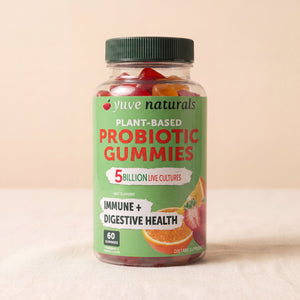
Disclosure: this is a brand-owned article, and product links lead to our store. That relationship does not change the standard used to assess a research claim. According to the current Yuve Vegan Probiotic Gummies label, a two-gummy serving lists Bacillus coagulans and five billion CFU; the displayed Supplement Facts do not identify a full strain code.
Those label details describe the product, not a demonstrated weight-loss effect. The species differs from Lactobacillus rhamnosus CGMCC1.3724, and we did not establish a finished-product weight-loss trial for these gummies. Best for a preferred gummy format is a convenience description, not a clinical endorsement for changing body fat.
If you explore the digestive health collection, begin with a specific digestive question and review ingredients and directions. Do not add several products to pursue faster weight changes or interpret the collection name as evidence for weight-management outcomes.
FAQ: What should women know before buying a weight-loss probiotic?

Can a probiotic target belly fat?
Do not assume targeted fat loss. A change in waist measurement, digestive comfort, or a study's average result does not prove a product selectively removes abdominal fat.
A product needs direct evidence for the outcome being advertised.
Does a higher CFU count mean more weight loss?
No. CFU measures viable organisms under specified conditions, not a guaranteed effect on body weight, and it cannot substitute for strain-specific evidence.
Is less bloating the same as losing fat?
No. A change in abdominal fullness is not a body-composition measurement, so comfort and fat-loss outcomes need separate evaluation.
Should every woman take a probiotic?
No universal recommendation follows from these studies. NIH's probiotic review describes variable outcomes and safety considerations, so individual circumstances matter.
What if I am pregnant or medically vulnerable?
Ask your clinician before starting a supplement. Pregnancy, serious illness, or impaired immune function requires an individualized decision rather than a general online product ranking. A general claim about healthy adults does not resolve the risks for a particular medical history.