The best prebiotic foods for 2025 and 2026 are chicory root, Jerusalem artichoke, garlic, onion, leeks, asparagus, green bananas, oats, beans, lentils, and dandelion greens. These foods provide inulin, fructooligosaccharides, resistant starch, beta-glucan, or galactooligosaccharides that help feed beneficial gut bacteria as part of a diverse diet.
How did we evaluate the best prebiotic foods for 2025 and 2026?
We evaluated prebiotic foods by three filters: established prebiotic compounds, practical serving size, and realistic daily use. Human evidence received more weight than animal studies, mechanistic papers, or brand claims; review-level evidence received more weight than one-off trials. We used the ISAPP prebiotic definition, peer-reviewed research on inulin-type fructans, FDA fiber guidance, and digestive-tolerance guidance from NIDDK. We excluded foods that are simply “high fiber” but lack a clear prebiotic mechanism, and we treated dose-response claims carefully because whole-food prebiotic content varies by ripeness, preparation, plant variety, and serving size. The result is a food-first list, not a miracle ranking. A food earns a high spot when it combines fermentable substrate, repeatable use, and tolerability. That standard favors humble daily foods like oats, onions, beans, and green bananas as much as high-inulin foods like chicory root.
What counts as a prebiotic food?
A prebiotic food contains a substrate that gut microbes can use in a selective way that supports a health-related function. The 2017 ISAPP consensus statement in Nature Reviews Gastroenterology & Hepatology defines a prebiotic as “a substrate that is selectively utilized by host microorganisms conferring a health benefit” (PubMed). In plain English, a prebiotic is not just any fiber. Wheat bran, spinach fiber, and celery fiber can support stool bulk, but they are not automatically prebiotic in the stricter ISAPP sense. Inulin, fructooligosaccharides, galactooligosaccharides, resistant starch, and beta-glucan have stronger prebiotic logic because specific gut microbes can ferment them into short-chain fatty acids. Food still matters more than ingredient trivia. A prebiotic-rich diet works best when several plant foods feed different microbial groups instead of one “superfood” doing all the work.
Which prebiotic foods deserve the top spots?
Chicory root earns the top evidence spot because chicory-derived inulin is one of the most studied commercial prebiotic fibers. Jerusalem artichoke earns the strongest whole-food inulin spot because a normal serving can deliver meaningful fermentable fiber. Garlic, onion, and leeks earn daily-use spots because they provide inulin-type fructans in foods people already cook with. Asparagus and dandelion greens add prebiotic variety without requiring a supplement routine. Green bananas earn a distinct spot because unripe banana provides resistant starch, while ripe banana shifts toward sugar and loses some resistant-starch relevance. Oats earn a breakfast spot because beta-glucan offers soluble fiber in a repeatable format. Beans and lentils earn value spots because they deliver fermentable carbohydrates, protein, minerals, and meal-level fiber. A systematic review of inulin-type fructans in Nutrients found consistent bifidobacteria support across many trials, though individual bowel-function outcomes varied (PubMed).
How do the top prebiotic foods compare?
The best comparison separates prebiotic density from real-life usability. Chicory root is dense but uncommon as a whole food. Garlic and onion are less concentrated per serving, but they appear in soups, sauces, eggs, beans, and roasted vegetables with almost no planning. Green bananas and cooled starches are useful when someone wants resistant starch instead of high-FODMAP inulin. Oats are less glamorous, which is exactly why they work; breakfast habits repeat. Beans and lentils are the cheapest high-impact option, but portion jumps can create gas if someone goes from zero to two cups overnight. The table below ranks foods by best use case, primary prebiotic compound, routine fit, and tolerance caveat. The “best” food is the one that matches your current diet gap and your digestive comfort, not the one with the loudest internet reputation.
| Prebiotic food | Best for | Main prebiotic compound | Routine fit | Tolerance caveat |
|---|---|---|---|---|
| Chicory root | Highest inulin density | Inulin | Low as a whole food | Can be gassy at higher doses |
| Jerusalem artichoke | Whole-food inulin | Inulin | Moderate | Start with small portions |
| Garlic, onion, and leeks | Everyday cooking | FOS and inulin | High | May bother FODMAP-sensitive people |
| Green banana | Resistant starch | Resistant starch type 2 | Moderate | Ripeness changes the fiber profile |
| Oats | Breakfast consistency | Beta-glucan | High | Usually gentle when portions are normal |
| Beans and lentils | Budget fiber | GOS and resistant starch | High | Increase gradually |
What should you look for when choosing prebiotic foods?
A good prebiotic-food choice should answer four questions. Does the food contain a known fermentable substrate, such as inulin, FOS, GOS, resistant starch, or beta-glucan? Does the serving size fit your real meals without turning dinner into a science project? Does your gut tolerate that substrate when the dose rises slowly? Does the food add broader nutrition, such as polyphenols, minerals, plant protein, or whole-grain carbohydrates? The FDA lists 28 grams as the Daily Value for dietary fiber on modern Nutrition Facts labels, which gives a useful total-fiber benchmark even though “prebiotic fiber” is a narrower category (FDA). A practical plate usually beats a perfect list. Add oats at breakfast, onion or garlic at dinner, and beans twice weekly before chasing obscure roots that you will cook once and forget.
Which prebiotic food is best for everyday use?
Best for breakfast consistency: oats, because beta-glucan-rich meals are easy to repeat. Best for cooking habits: onion, garlic, and leeks, because small daily amounts can fit into normal recipes. Best for concentrated whole-food inulin: Jerusalem artichoke, because the inulin load is meaningful when tolerated. Best for resistant starch: green banana, because ripeness creates a clear before-and-after difference in starch profile. Best for low-cost meal building: beans and lentils, because GOS, resistant starch, protein, and minerals arrive together. Best for bitter-greens variety: dandelion greens, because they expand plant diversity beyond the usual onion-oat-bean loop. Best for advanced prebiotic density: chicory root, because it explains why so many inulin ingredients come from Cichorium intybus. The smartest everyday pick is usually oats plus an allium plus a legume. That trio covers breakfast, flavor, and dinner without requiring a separate gut-health project.
What about price and value?
Beans, lentils, oats, onions, and garlic deliver the best value because they cost less per serving and support meals beyond gut-health goals. Jerusalem artichoke and dandelion greens can be useful, but they are less available in many grocery stores and less forgiving for beginners. Chicory root is evidence-rich as an ingredient source, yet most people meet it through inulin powders, bars, or gummies rather than a dinner plate. Value also depends on waste. A $2 bag of lentils wins only if it becomes soup, salad, or dal instead of sitting in the pantry for a year. Prebiotic value should include dollars, tolerance, cooking skill, and repeatability. NIDDK notes that gas can come from bacteria breaking down undigested carbohydrates in the large intestine, so jumping to large servings can make an otherwise smart food feel like a mistake (NIDDK). Slow increases protect the value of the habit.
When does optional routine support make sense?
Disclosure: Some links below are affiliate or product links. This does not influence our evaluation criteria; food diversity stays the foundation.
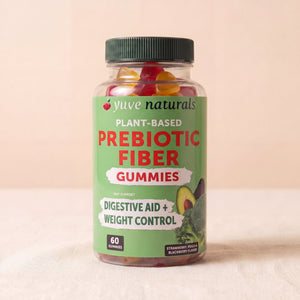
Optional prebiotic support makes sense when your real diet consistently misses the target, your travel schedule interrupts grocery routines, or high-inulin foods like onion and Jerusalem artichoke are hard to tolerate in meal-size portions. Yuve Prebiotic Fiber Gummies use chicory-root inulin/FOS and provide 1.5 grams of dietary fiber per gummy, with the label suggesting one to two gummies daily. That format can help a low-fiber routine become more consistent, but it should not replace legumes, oats, vegetables, fruit, nuts, seeds, and plant diversity. A randomized, double-blind trial in Beneficial Microbes found that chicory-derived inulin/FOS supported stool frequency and bowel satisfaction in healthy adults, with modest and variable effects (PubMed). The best routine uses food first, adds targeted support only when needed, and changes one variable at a time.
What are the most common questions about prebiotic foods?

Are prebiotic foods the same as probiotic foods?
No. Prebiotic foods provide fermentable substrates that feed selected gut microbes, while probiotic foods contain live microorganisms. Yogurt, kefir, kimchi, and sauerkraut are probiotic-style foods when live cultures are present. Garlic, onion, oats, green bananas, beans, and Jerusalem artichoke are prebiotic-style foods because their fibers feed bacteria already living in the gut.
How much prebiotic food should I eat per day?
A reasonable starting point is one prebiotic-rich food daily, then two or three as tolerance improves. Total fiber matters too, and the FDA Daily Value for fiber is 28 grams. People who currently eat very little fiber should increase portions slowly instead of trying to hit a perfect prebiotic number in one week.
Can prebiotic foods cause gas or bloating?
Yes, prebiotic fermentation can create gas because gut bacteria break down carbohydrates that human enzymes do not digest. That response is usually dose-related and timing-related. Start with small servings, drink enough water, and increase intake over one to two weeks rather than making a dramatic overnight change.
Are garlic and onion good prebiotic foods?
Yes, garlic and onion provide fructooligosaccharides and inulin-type fructans. They are especially useful because they fit normal cooking patterns. People who are sensitive to high-FODMAP foods may need smaller portions or different options, such as oats, green banana, or carefully portioned legumes.
Is chicory root better than whole foods?
Chicory root is more concentrated in inulin than most everyday foods, but “more concentrated” does not automatically mean “better.” Whole foods provide fiber plus micronutrients, polyphenols, texture, and meal satisfaction. Chicory-derived inulin works best as a targeted tool when food alone is inconsistent or difficult to dose.
Should I take prebiotics and probiotics together?
Prebiotics and probiotics can fit together because prebiotics feed microbes and probiotics provide selected live microorganisms. The pairing is often called a synbiotic pattern. For a food-first routine, that could mean oats or beans with fermented foods, or prebiotic fiber support alongside a simple probiotic routine.
What is the easiest 2026 prebiotic foods list to start with?
Start with oats, garlic or onion, beans or lentils, green banana, and asparagus. That shortlist covers beta-glucan, inulin-type fructans, GOS, resistant starch, and practical vegetables. Add Jerusalem artichoke or chicory-derived inulin later if your gut tolerates fermentable fiber well.
Food diversity should lead the prebiotic conversation. Start with repeatable foods, increase fiber slowly, and use the Yuve digestion collection only when you want routine support that fills a specific gap rather than replacing the basics.