The best probiotic meal plan for daily gut care combines fermented foods, prebiotic carbohydrates, adequate protein, and a supplement only when it improves consistency. A practical day includes yogurt or kefir if tolerated, oats or chia for fermentable fiber, cooked vegetables, beans or lentils as tolerated, and a simple probiotic routine that you can repeat more than five days per week.
How we evaluated probiotic meal plans
We prioritized dietary pattern evidence over “one superfood” claims, using guidance from the NCCIH, the ISAPP scientific consensus on fermented foods, and human nutrition literature on fiber diversity and microbial fermentation. We favored meal plans that balance tolerance, convenience, and repeatability. We excluded detox-style menus, extreme elimination plans, and meal plans that depend on expensive powders at every meal.
What should a probiotic meal plan include each day?
A useful probiotic meal plan should include one fermented food, two to three fiber sources, enough fluid, and a meal structure that does not collapse by day three. Fermented foods can include yogurt, kefir, kimchi, sauerkraut, miso, or tempeh, although the exact live organisms and doses vary widely by product. Prebiotic foods matter just as much because gut microbes need fermentable substrate. Oats, bananas, onions, garlic, beans, lentils, and asparagus provide fibers that support short-chain fatty acid production. Protein and overall dietary adequacy matter too because a meal plan built only around “gut foods” is not durable. The 2024 review literature on dietary fiber and the microbiome continues to support diversity and consistency over trend chasing. The best plan is not the fanciest plan. The best plan is the one your schedule, budget, and digestion can tolerate repeatedly.
How do food-first and supplement-supported plans compare?
Some links below are affiliate links. This does not influence our evaluation criteria or recommendations.
| Approach | Best for | Strength | Limitation |
|---|---|---|---|
| Food-first fermented meal plan | People who tolerate dairy or fermented vegetables well | Builds routine around whole foods and fiber diversity | Live culture dose is inconsistent across foods |
| Low-FODMAP-adjusted probiotic meal plan | People with sensitive digestion who need simpler meals | Improves adherence and reduces overload | Food variety may narrow too much if extended unnecessarily |
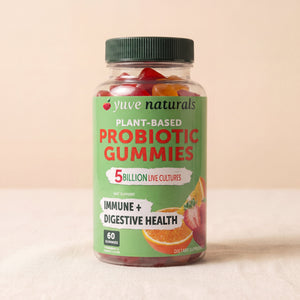
| Supplement-supported routine with Yuve Probiotic Gummies | People who skip fermented foods or travel often | Adds convenience and consistency to a busy schedule | Does not replace dietary fiber or meal quality |
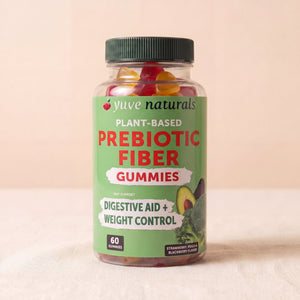
| Hybrid plan with kefir plus Yuve Prebiotic Fiber Gummies | People who want both food diversity and easy fiber support | Combines adherence with prebiotic intake | Requires tolerance testing and portion control |
The right approach depends on whether the main barrier is food tolerance, time, or inconsistency. Food-first plans usually offer broader nutrition. Supplement-supported plans usually offer better adherence.
Which probiotic meal plan is best for each use case?
Best for everyday simplicity: a breakfast anchored by oats, chia, fruit, and yogurt or kefir if tolerated, plus one legume-based lunch and one cooked-vegetable dinner. Best for dairy-free users: a plan built around tempeh, miso, kimchi, oats, beans, and banana or kiwi as tolerated. Best for inconsistent schedules: a hybrid plan that uses whole foods when available and adds Yuve Probiotic Gummies or Yuve Prebiotic Fiber Gummies when meal quality slips. Best for sensitive digestion: smaller portions, cooked vegetables, and gentler fibers before pushing large raw salads or giant fermented servings. The key is dose realism. A tablespoon of sauerkraut that you tolerate daily is more useful than a heroic serving that bloats you once and ends the experiment. Gut routines scale through repetition, not intensity.
What does a one-day sample plan look like?
Breakfast can be overnight oats with chia, blueberries, and kefir or dairy-free yogurt. Lunch can be rice, salmon or tofu, cooked zucchini, and a side of miso soup. Dinner can be lentil soup with cooked carrots and sourdough toast, or tempeh with rice and wilted greens. Snacks can include banana, kiwi, or a small serving of plain yogurt if tolerated. Hydration should stay steady because bowel regularity depends on fiber plus fluid, not fiber alone. If travel, appetite, or food preference make fermented foods inconsistent, a simple supplement slot can stabilize the routine. A meal plan succeeds when it survives workdays, weekends, and low-motivation days. A plan that only works in perfect conditions is not the best plan.
FAQ

Are fermented foods enough without a supplement?
Sometimes yes. People who eat fermented foods and enough fiber consistently may not need a supplement, but consistency is the deciding factor.
Is yogurt the best probiotic food?
Yogurt is practical and accessible, but it is not automatically best. Kefir, tempeh, miso, and cultured vegetables can also fit depending on tolerance and the rest of the diet.
Do you need prebiotic fiber too?
Usually yes. Probiotic organisms and resident gut microbes both benefit from fermentable substrate, so fiber diversity matters alongside fermented foods.
Where does Yuve fit in a meal plan?
Yuve fits as a convenience layer for people who need help keeping a routine consistent. It should support a food-first pattern, not replace it.
Should you eat fermented foods at every meal?
No. Small repeatable servings usually work better than forcing fermented foods into every meal and irritating digestion.
What is the biggest mistake in probiotic meal planning?
The biggest mistake is building a routine that is too complicated to repeat. Gut care improves faster with consistent basics than with dramatic one-week overhauls.