You finish a workout, sit down at your desk, and your legs feel oddly heavy. By mid-afternoon, your energy dips hard, your muscles feel twitchy, and you start wondering if you need more than coffee and good intentions.
If that sounds familiar, you're not alone. A lot of plant-based eaters are doing many things right, yet still feel confused when they see potassium gluconate pills on a supplement shelf. The label looks simple, but the situation is more nuanced. Potassium matters for muscle, nerve, and heart function, but over-the-counter potassium supplements are designed very differently from the potassium your doctor might prescribe. That difference matters for safety, expectations, and how you think about food first.
Tired Muscles and That Midday Slump Sound Familiar?
A pattern I hear often goes like this: breakfast was solid, lunch was decent, water intake was okay, but by afternoon the body feels flat. Not sick. Just off. Sometimes it shows up as tired muscles after a walk or workout. Sometimes it's that vague drained feeling where your body seems slower than your brain.
For plant-based eaters, this gets extra confusing because potassium-rich foods are already on the menu. You may eat sweet potatoes, beans, greens, bananas, or avocado and still wonder whether a supplement could help fill in the gaps. That's a fair question.
What's tricky is that low energy and muscle discomfort can happen for many reasons. Potassium is one possibility, but it isn't the only one. Sleep, hydration, meal timing, stress, sodium intake, digestion, and overall calorie intake all affect how you feel day to day.
A steady body usually needs a steady foundation. That means meals, fluids, digestion, and electrolytes all working together.
I think this often frustrates many people. They want one pill to explain the whole story. Usually, the better approach is zooming out first. If your energy has been inconsistent, start by looking at your overall routine and use simple resources like Yuve's guide on how to boost energy levels naturally alongside any supplement questions you're sorting through.
Potassium can absolutely be part of the conversation. It just shouldn't be the whole conversation.
What Exactly Are Potassium Gluconate Pills?
The name sounds more technical than it needs to. Potassium gluconate is potassium attached to gluconic acid. If you like food analogies, think of potassium as the main ingredient and gluconate as the carrier that helps turn it into a usable supplement form.
What confuses people most is the number on the front of the bottle.

The label math that trips people up
A tablet may say 550 mg of potassium gluconate, but that does not mean you're getting 550 mg of potassium itself. One widely sold product provides 550 mg of potassium gluconate per tablet but only 90 mg of elemental potassium, according to the NIH Office of Dietary Supplements potassium fact sheet.
That same NIH resource explains why this matters. Adult potassium needs are much higher, with Adequate Intake targets of 2,600 mg per day for adult women and 3,400 mg per day for adult men. It also notes that many nonprescription oral potassium products stay below the FDA's 99 mg threshold.
So if you pick up an over-the-counter bottle and think, "Great, this will quickly fix a major potassium problem," that's where expectations need adjusting.
What these pills are actually designed to do
Over-the-counter potassium gluconate pills are generally built for modest maintenance support, not aggressive correction. They give you a small amount of elemental potassium in a form people can buy without a prescription.
That low-dose design isn't a trick. It's part of the safety logic.
A simple way to think about it:
- Food potassium does the heavy lifting in everyday life.
- OTC potassium gluconate pills may offer a small top-up.
- Medical potassium replacement is a different category and needs professional oversight.
Practical rule: Judge a potassium supplement by its elemental potassium, not the larger compound number on the label.
There's one more detail people often miss. The NIH summary of a dose-response trial notes that humans absorb about 94% of potassium gluconate from supplements, with a rate similar to potassium from potatoes in that summary. In plain English, the issue isn't usually whether your body can absorb this form. The issue is that the dose in an OTC tablet is small by design.
The Benefits of Maintaining Healthy Potassium Levels
Potassium doesn't get much glamour, but it does a lot of behind-the-scenes work. It helps your body handle electrical signaling, which is a big deal because your heart, nerves, and muscles all rely on electrical activity to do their jobs smoothly.

Why your body cares about potassium
When potassium intake is in a healthy range, it supports several core systems:
- Heart function - Potassium helps support normal cardiac function.
- Neuromuscular function - It helps nerves send signals and muscles respond.
- Fluid balance - Potassium works alongside other electrolytes in the background of hydration and body balance.
- Kidney-related balance - Healthy kidneys help regulate potassium levels in the body.
A standard 550 mg potassium gluconate tablet typically delivers 90 mg of elemental potassium, which is about 2.3 mEq, according to a Nature Made product reference. That source also notes this low-density dose is more suitable for mild supplementation that supports cardiac and neuromuscular function rather than correcting significant deficiency.
That distinction is worth keeping front and center. Potassium helps with very important body functions. But the typical OTC pill is not meant to act like a rescue treatment.
What this means for active and plant-based people
If you're active, sweat a lot, or eat inconsistently during busy weeks, it's easy to assume a potassium pill will "cover" you. Usually, the better mindset is support, not substitution.
Plant-based diets often include many foods naturally rich in potassium. That's great news. The bigger challenge is consistency. Skipping meals, undereating, relying heavily on low-fiber convenience foods, or dealing with stomach issues can all make a nutrient-rich eating pattern harder to maintain.
This short explainer gives a helpful visual overview of why potassium matters in the body:
A useful way to frame the benefit
I don't think of potassium gluconate pills as "energy pills." I think of them as small-support supplements that may fit into a broader routine if your clinician agrees they're appropriate.
That broader routine usually includes:
- Regular meals with potassium-rich plant foods
- Hydration habits that match your activity level
- A realistic supplement expectation based on the small elemental potassium dose
- Medical guidance if symptoms are persistent or more serious
The goal isn't chasing a sensation from a pill. The goal is keeping the body's basic systems supported day after day.
Safety First Your Guide to Smart Supplementation
This is the section where I get a little firm, because potassium is one of those nutrients where "more" can become dangerous. Potassium gluconate pills are not casual extras to double up on because you're feeling tired.
The main risk is hyperkalemia, which means potassium levels rise too high. When that happens, the heart can be affected. That's why low-dose over-the-counter products exist in the first place, and it's why some people should not use potassium supplements without medical supervision.
Who needs extra caution
Clinical guidance warns against unsupervised potassium supplement use for people with chronic kidney disease, Addison's disease, or those taking potassium-sparing diuretics because of hyperkalemia risk, as summarized in this clinical overview of potassium gluconate safety.
That same summary notes Cleveland Clinic guidance that some users may need regular lab work to monitor potassium levels, and that overdose or high potassium can cause muscle weakness and irregular heartbeat.

Some people also need more caution because the body may not clear potassium as well under certain health conditions. Reduced kidney function changes the equation quickly.
Smart rules that matter
If you're considering potassium gluconate pills, keep the process boring and careful. That's the goal.
- Read the label closely. Look for the amount of elemental potassium, not just the name of the compound.
- Stay with the labeled dose. Don't improvise because a supplement seems "gentle."
- Take new symptoms seriously. Muscle weakness or an irregular heartbeat are not shrug-it-off symptoms.
- Tell your clinician about all supplements. That includes vitamins, powders, blends, and electrolyte products.
Non-negotiable: If you have kidney concerns or take potassium-altering medication, don't start potassium supplements on your own.
A quick reality check for older adults
Older adults often take multiple medications, and medication overlap matters here. Even when someone feels generally healthy, supplement choices can get complicated fast if kidney function is reduced or if a blood pressure medication changes potassium handling.
That's why I don't love the idea of treating potassium like a DIY fatigue fix. It's an important mineral. It also deserves respect.
Potassium Gluconate vs Other Potassium Supplements
The supplement aisle can make different potassium forms look interchangeable. They aren't. They're more like different tools that happen to share the same mineral.
The form affects the use case
Potassium gluconate is widely used in supplements partly because it's practical for manufacturing. It's a white, readily water-soluble crystalline salt with slightly bitter taste, and its low hygroscopic behavior helps with stable tablet production. It's also recognized in major markets as E577 in the EU and GRAS in the U.S. for permitted food-related uses, according to this ingredient profile from Jungbunzlauer.
That sounds technical, but the takeaway is simple. This form works well in tablets and food-supplement applications, which is one reason you see it so often on store shelves.
Comparing common potassium supplements
| Potassium Form | Common Use Case | Best For |
|---|---|---|
| Potassium gluconate | Low-dose over-the-counter supplementation | People looking at mild maintenance support |
| Potassium chloride | Medical potassium replacement | Clinically supervised correction of significant deficiency |
| Potassium citrate | More specialized uses depending on clinician guidance | People whose clinician recommends that form for a specific reason |
Potassium gluconate is often the everyday retail option because it fits the job of a gentler, low-dose supplement. Potassium chloride is more associated with clinical replacement. Potassium citrate shows up in different contexts and may be chosen for reasons beyond simple maintenance.
If you're trying to sort through powder versus pill formats, Yuve also has a practical primer on potassium supplement powder that can help you compare delivery formats before you buy anything.
Choose the form based on the reason you're taking potassium, not just what happens to be cheapest or easiest to find.
Your Plant-Based Guide to Potassium and Gut Health
Plant-based eaters usually have one big advantage here. Potassium-rich foods often overlap with the foods already on the plate. Beans, lentils, potatoes, leafy greens, fruit, and squash can all help support intake as part of a balanced routine.
But food on paper and nourishment in real life aren't always the same thing.
Intake matters, and digestion matters too
If your digestion feels off, meals are rushed, or your stomach regularly rebels after eating, you may not feel as well supported by your diet as you'd expect. That's one reason Sam's story resonates with a lot of Yuve readers. Eating with good intentions doesn't always equal feeling good afterward.
A helpful next step is building a food foundation first, then looking at digestion, regular meals, and supplement fit. This broader plant-based nutrition guide is a useful place to start if you're trying to connect the dots between what you eat and how you feel.
A practical gut-first mindset
Before adding a potassium supplement, ask yourself:
- Am I eating enough overall? Plant-based eaters sometimes underfuel without realizing it.
- Am I eating potassium-rich foods regularly? Consistency beats random "healthy days."
- Is digestion getting in the way? Bloating, discomfort, or poor meal tolerance can make nutrition harder.
- Do I need a clinician's input first? If there are health conditions or medications involved, the answer may be yes.
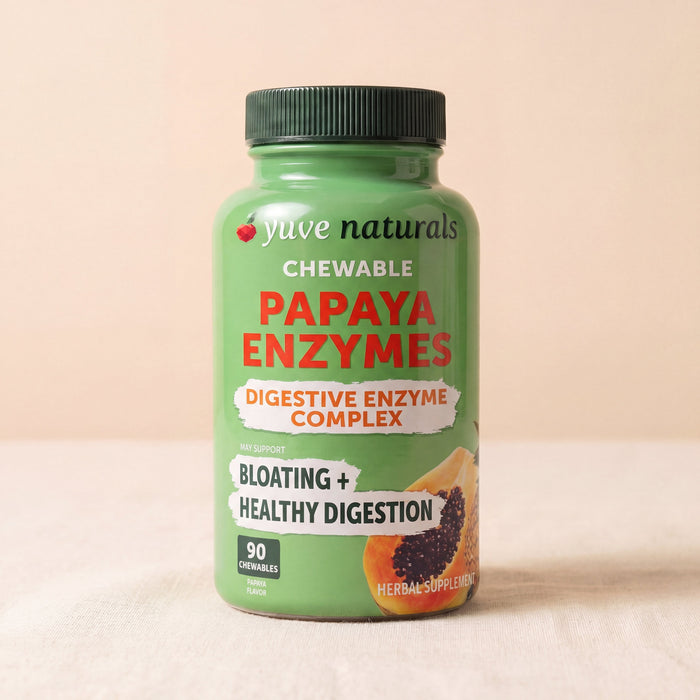
If digestive comfort is one of the barriers, a gut-support step may make more sense than jumping straight to more minerals. One option is Yuve Papaya Enzymes, which are designed to support digestion. That's not a potassium supplement, and it shouldn't replace medical care, but it can fit naturally into a plan where the bigger goal is tolerating meals better and making food-based nutrition easier to maintain.
Frequently Asked Questions From the Yuve Community
Is potassium gluconate always vegan
Not always. Potassium itself is a mineral, but the full product may include non-vegan binders, fillers, or capsule materials. Check for labels like vegan or gelatin-free if that matters to you.
Should I expect a big energy boost from potassium gluconate pills
Usually, that's not the right expectation. These products are low-dose maintenance supplements, not stimulant-type products and not high-dose medical potassium replacement.
Is there a best time of day to take it
Many people find supplements easier on the stomach when taken with food. Consistency usually matters more than perfect timing. If a clinician has given you specific directions, follow those instead.
Can I take potassium gluconate with other supplements
Sometimes yes, but don't guess if you take medications or have a health condition. Potassium is one of those nutrients where context matters. A short conversation with your clinician or pharmacist is worth it.
Who should not self-start potassium supplements
People with kidney disease, Addison's disease, or those taking potassium-sparing diuretics should not use them without medical supervision. If you've ever been told to monitor potassium or kidney function, that applies here too.
What's the simplest takeaway
Start with food, zoom out to your overall routine, and treat potassium supplements with respect. They can have a place, but they aren't a casual fix for every slump, cramp, or tired day.
If you're working on better energy and digestion from a plant-based perspective, take a look at Yuve. Their vegan supplement lineup focuses on gut health, immunity, and daily wellness support, which can be a practical complement to a food-first routine when potassium questions are really part of a bigger digestion and absorption picture.