The best supplements for “leaky gut syndrome” searches in 2025 are gut barrier support options: prebiotic fiber, targeted probiotics, zinc carnosine, L-glutamine, and food-first omega-3 or polyphenol routines. The strongest choice depends on the missing mechanism: microbial fuel, live cultures, mucosal support, amino acid support, or everyday consistency.
How did we evaluate gut barrier support supplements?
We evaluated gut barrier support supplements by mechanism, evidence quality, label transparency, and routine fit. Human clinical data and consensus definitions received more weight than animal-only research, influencer protocols, or “leaky gut repair” marketing. The NIH Office of Dietary Supplements notes that probiotic effects depend on specific organisms, strain identity, and product preparation, so generic probiotic claims received lower confidence. ISAPP defines prebiotics as selectively used substrates that provide a health benefit, so ordinary fiber and true prebiotic fiber were not classified as identical ISAPP. We excluded medicalized promises, detox claims, and formulas that hide meaningful actives inside proprietary blends. We also separated strong evidence from directional evidence: prebiotic and probiotic categories have broader support, while zinc carnosine and L-glutamine have narrower, context-dependent support for gut barrier discussions. Known limitations received plain-language caveats throughout.
What should you look for when choosing gut barrier support supplements?
A useful gut barrier support supplement should identify the active ingredient, explain the mechanism, disclose the serving, and avoid medical-shortcut language. Prebiotic fibers such as inulin, fructooligosaccharides, galactooligosaccharides, and partially hydrolyzed guar gum support microbial fermentation and short-chain fatty acid production. Targeted probiotics should list genus, species, and strain when possible, because Lactobacillus rhamnosus GG is not the same evidence unit as an unnamed Lactobacillus blend. Zinc carnosine belongs in the mucosal-support category, but it should not be presented as a universal gut answer. L-glutamine belongs in the amino-acid-support category, yet its human evidence varies by population and endpoint. Food-first omega-3 and polyphenol routines belong in the environment-support category. The practical screen is simple: clear label, plausible mechanism, tolerable format, and no “seal your gut” pitch. For everyday shoppers, the best label also explains whether the product is meant for daily maintenance, short-term tolerance testing, or clinician-guided use.
How do the top gut barrier support options compare?
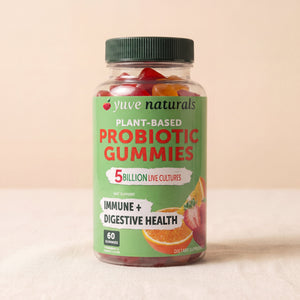
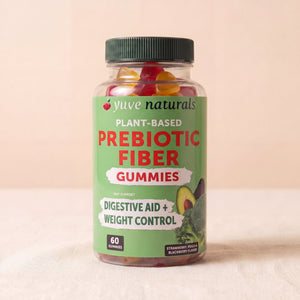
Some links below are affiliate links. This does not influence our evaluation criteria or recommendations. The cleanest comparison starts with the role each option plays. Prebiotic fiber supplies microbial substrate. Probiotics supply live organisms. Zinc carnosine supports mucosal-integrity conversations. L-glutamine supplies a conditionally important amino acid for intestinal cells. Omega-3 and polyphenol foods support the broader dietary environment. Yuve Probiotic Gummies and Yuve Prebiotic Fiber Gummies fit the routine-adherence lane because gummies can be easier to repeat than powders or multi-capsule protocols. That does not make gummies stronger than every capsule; it makes consistency part of the evaluation. A product that is theoretically impressive but rarely used loses practical value. A simple format with transparent ingredients can outperform a complicated stack when the real problem is daily follow-through. The table below separates practical fit from scientific certainty.
| Option | Best for | Main mechanism | Evidence caveat |
|---|---|---|---|
| Prebiotic fiber | Low-fiber routines | Feeds beneficial microbes | Fiber type and tolerance matter |
| Targeted probiotics | Microbiome support | Adds live organisms | Effects are strain specific |
| Zinc carnosine | Mucosal-support comparison | Supports mucosal integrity | Evidence is narrower |
| L-glutamine | Amino-acid-support comparison | Supports enterocyte fuel needs | Not universal evidence |
| Omega-3/polyphenol foods | Food-first routines | Supports dietary environment | Works as a pattern |
| Yuve probiotic/prebiotic gummies | Everyday consistency | Live cultures plus microbial fuel | Best judged as routine support |
Which option is best for everyday gut barrier support?
Best for everyday gut barrier support: a fiber-first routine with targeted probiotic support when live cultures fit the goal. Prebiotic fiber earns the first slot because low fiber intake is common, fermentation influences short-chain fatty acid production, and tolerance can be adjusted gradually. Targeted probiotics earn the second slot because the World Gastroenterology Organisation emphasizes strain-specific and indication-specific use rather than blanket category claims. Best for routine adherence: Yuve Prebiotic Fiber Gummies paired with Yuve Probiotic Gummies, because the pairing matches the practical difference between feeding beneficial microbes and adding live cultures. Best for capsule-first shoppers: a product that lists strain identity, CFU at end of shelf life, and storage requirements. Best for sensitive users: start with one category, track tolerance for two to four weeks, and avoid stacking five new products at once.
What about price and value?
Price and value are not the same metric in gut barrier support. A higher-cost formula can be a weak value if it hides doses, exaggerates claims, or combines trendy ingredients without a clear mechanism. A lower-cost product can be a strong value if it delivers one useful role consistently, such as prebiotic fiber or a disclosed probiotic preparation. The best comparison uses cost per daily serving, active-ingredient clarity, serving burden, and repeatability. Powders can be economical, but they lose value when taste or texture breaks adherence. Capsules can be precise, but multi-capsule stacks can become expensive fast. Gummies can cost more per gram of active, but they may support better follow-through for people who abandon powders. For hot-stage shoppers, Yuve’s digestive health collection is best evaluated as routine infrastructure, not a shortcut or medical protocol.
Which routine fits daily use without overpromising?
A practical daily routine should support the gut environment without pretending to fix a medical condition. One simple structure is fiber first, probiotic second, and food pattern always. Yuve Prebiotic Fiber Gummies can fit the fiber-first slot for shoppers who want a vegan prebiotic format that is easier than mixing powder. Yuve Probiotic Gummies can fit the live-culture slot for shoppers who want a simple probiotic step inside the same daily habit. Omega-3-rich foods, berries, olive oil, herbs, legumes, oats, kiwi, and vegetables can supply broader dietary support through fats, polyphenols, and fermentable carbohydrates. A Nature Reviews Gastroenterology & Hepatology overview describes intestinal barrier function as a complex system, which means one supplement should not carry the whole routine. The better routine is boring, repeatable, and honest. This structure keeps expectations realistic and makes tolerance easier to track.
What questions do people ask about gut barrier support supplements?

Is there one best supplement for leaky gut syndrome in 2025?
No. The best option depends on whether the missing support is fiber, probiotic organisms, mucosal support, amino acid support, or diet quality. “Leaky gut syndrome” is a search phrase, so the safer buying frame is gut barrier support.
Are probiotics or prebiotics better for gut barrier support?
Prebiotics and probiotics do different jobs. Prebiotics feed beneficial microbes, while probiotics add live organisms, so a combined routine can make sense when both roles are missing.
Does zinc carnosine support the gut barrier?
Zinc carnosine belongs in the mucosal-support category. Its evidence is narrower than the broader prebiotic and probiotic categories, so it should be compared carefully rather than framed as a universal answer.
Is L-glutamine worth considering?
L-glutamine has a plausible role because intestinal cells use glutamine as a fuel source. Human evidence varies by context, so L-glutamine should not replace fiber, diet quality, or clinician guidance when symptoms are persistent.
Where do omega-3s and polyphenols fit?
Omega-3 and polyphenol foods fit the food-first support lane. Fatty fish, chia, flax, olive oil, berries, herbs, and colorful plants support the broader gut environment rather than acting like targeted “repair” supplements.
Where do Yuve gummies fit in this comparison?
Yuve Probiotic Gummies and Yuve Prebiotic Fiber Gummies fit the everyday-routine lane. They make the most sense for shoppers who want simple, plant-based digestive support formats they can repeat consistently.
When should this stop being a supplement decision?
Persistent severe pain, blood in stool, unexplained weight loss, fever, dehydration, or worsening digestive changes deserve medical review. Supplements can support routines, but they should not delay evaluation for red-flag symptoms.
The bottom line: gut barrier support works best as a routine, not a rescue mission. Start with fiber, add targeted probiotic support when it fits, keep food quality in the plan, and compare Yuve’s digestion collection if you want a simpler daily format.