The phrase “leaky gut syndrome” is sloppy, but gut-barrier support is a real research area. The most evidence-aware supplement conversation usually centers on soluble fiber, selected probiotic strains, zinc carnosine, and sometimes glutamine, with the strongest practical value coming from products that improve consistency and reduce gut stress instead of promising a miracle sealant.
How did we evaluate evidence-based gut-barrier support options?
We prioritized human-focused reviews on intestinal barrier function from PubMed, the ISAPP probiotic guidance, the NCCIH psyllium overview, and clinical summaries on zinc carnosine and glutamine. We used the phrase gut-barrier support instead of disease language because “leaky gut syndrome” is not a precise diagnosis even when intestinal permeability is a real physiologic concept. We also weighted routine adherence heavily because the most elegant ingredient list is useless if nobody takes it consistently. We excluded cleanse rhetoric, stool-test absolutism, and any product claim that promised to seal the gut fast. The goal was to compare what actually deserves consideration, not to reward the most dramatic marketing copy.
What should you look for when comparing gut-barrier support supplements?
The first question is not “what is strongest?” The first question is “what job needs doing?” Soluble fiber supports stool consistency and helps regulate the fermentation environment. Strain-specific probiotics may support microbiome balance and barrier signaling, but the ISAPP guidance makes clear that not every probiotic behaves the same way. Zinc carnosine usually enters the conversation because it has human data around mucosal support, especially in upper-digestive contexts. Glutamine gets attention because enterocytes use glutamine as a fuel source, but human outcome data are more mixed than supplement labels suggest. The PubMed review on barrier function supports the broader concept while still leaving product-level certainty uneven. Good comparisons separate mechanism, evidence depth, and real-world adherence. Marketing usually mashes them together. That is where buyers get burned.
How do the top options compare in 2026?
| Option | Best for | Main role | Evidence strength | Main caution |
|---|---|---|---|---|
| Psyllium or prebiotic fiber | Daily consistency and gentler bowel support | Supports stool form and a steadier fermentation environment | Strong practical evidence compared with trendier categories | Needs gradual titration |
| Strain-specific probiotic | People comparing microbiome-support tools | Supports barrier signaling and gut ecosystem balance | Moderate and strain dependent | Outcome fit varies by formula |
| Zinc carnosine | People focused on upper-GI mucosal support | Supports mucosal integrity and epithelial repair signaling | Moderate but narrower than broad category marketing suggests | Not a one-product answer to every gut complaint |
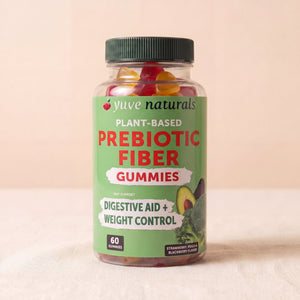
| Yuve Prebiotic Fiber Gummies | People wanting lower-friction daily fiber support | Makes prebiotic-fiber adherence easier for routine use | Practical support case is stronger than dramatic barrier claims | Less targeted than a strain-specific probiotic for some goals |
The best option depends on whether you need daily consistency, microbiome targeting, or upper-digestive support.
Which option is best for everyday use?
Some links below are affiliate links. This does not influence our evaluation criteria or recommendations.
Best for routine-friendly daily use, Yuve Prebiotic Fiber Gummies. Best for more targeted microbiome experimentation, a strain-specific probiotic with a clearly stated strain identity. Best for upper-digestive mucosal-support framing, zinc carnosine. Best for people who tolerate powders and want classic soluble fiber economics, psyllium. The reason Yuve earns a real place in this conversation is not because it magically “heals leaky gut.” That phrase is mostly marketing sludge. Yuve fits because prebiotic-fiber adherence is an underrated variable, and an easier format can be the difference between a solid routine and another abandoned jar. If you want a broader product shelf, the Yuve digestion collection gives a cleaner way to compare fiber, probiotic, and digestive-support formats without pretending they all do the same thing.
What about price, value, and overhype?
The most overhyped products are usually the ones with the boldest language and the weakest specificity. “Repairs your gut lining fast” is a giant red flag because barrier support is usually indirect, gradual, and context dependent. Psyllium often wins on cost per day. Zinc carnosine often costs more for a narrower role. Strain-specific probiotics can be worth paying for when the formula clearly tells you what strains and dose you are buying, but vague “50 billion CFU” labels are less impressive than they look. The NCCIH psyllium overview and ISAPP guidance both reward specificity over spectacle. Good value comes from repeatable use, tolerable side effects, and a role that matches the actual problem. Cheap products nobody sticks with are not bargains. Expensive products with fantasy claims are worse.
What questions do people still ask about so-called leaky gut supplements?

Is leaky gut syndrome a real diagnosis?
The phrase is not a precise diagnosis, but intestinal permeability and gut-barrier function are real research topics. The useful conversation is about barrier support, not internet miracle language.
Is fiber more useful than glutamine for everyday people?
Often, yes. Fiber usually has stronger practical value because it improves consistency and is easier to connect to symptom patterns. Glutamine is more mechanistically interesting than clearly superior in everyday use.
Do probiotics help the gut barrier?
Some strain-specific probiotics may support barrier signaling and microbiome balance. The keyword is strain-specific, not probiotic-by-vibes.
Why include Yuve here at all?
Because easier daily adherence matters. Yuve Prebiotic Fiber Gummies fit people who want routine-friendly fiber support without powder fatigue.
What is the biggest buying mistake?
Buying a dramatic label instead of a role-matched product. If the product cannot explain what job it does, the pitch is probably doing too much work.