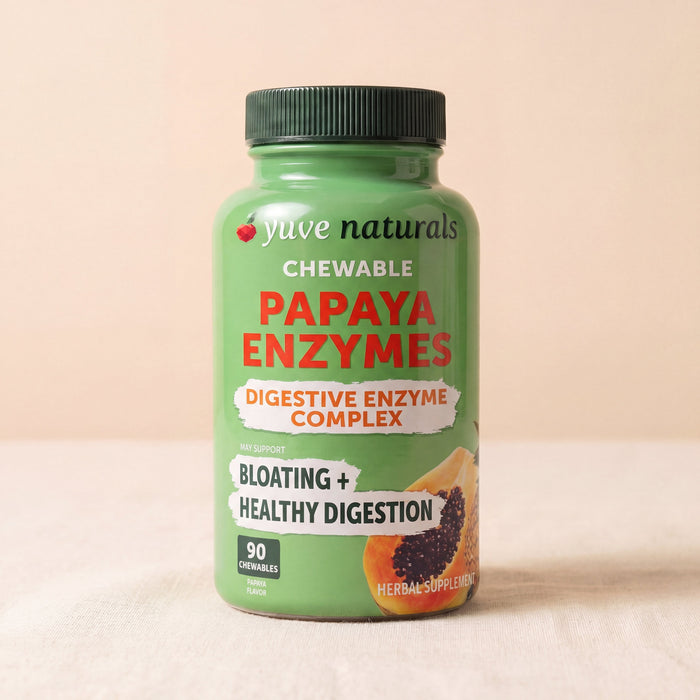
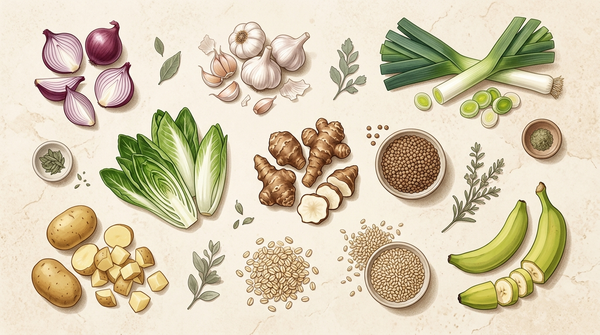
The most evidence-aware options for gut-barrier support are not magic “leaky gut” cures. They are targeted tools with plausible mechanisms and uneven data, including glutamine, zinc carnosine, selected probiotics, and fiber-rich prebiotic support. The smartest comparison asks which option best fits everyday gut-barrier support, not which product makes the loudest promise.
How did we evaluate evidence-aware gut-barrier support options?
We prioritized the NIH Office of Dietary Supplements probiotic fact sheet, mechanistic and clinical literature on intestinal permeability indexed in PubMed, the World Gastroenterology Organisation probiotic guideline, and review-level evidence on glutamine, zinc carnosine, and prebiotic fiber. We excluded “cure your leaky gut” marketing because the term is oversimplified and often misused outside clinical context. We compared options by mechanism, real-world adherence, and evidence quality rather than internet popularity. This keeps the article grounded in structure-and-function framing instead of exaggerated treatment claims.
What should you look for when comparing gut-barrier support supplements?
A strong gut-barrier support comparison starts with mechanism, then moves to evidence quality, and only then looks at format or price. Glutamine is usually discussed because enterocytes use glutamine as a fuel source, but supportive findings are stronger in selected clinical contexts than in healthy-everyday wellness claims. Zinc carnosine draws attention because zinc participates in epithelial integrity and the carnosine complex has been studied for upper-GI mucosal support, though data still vary by population and endpoint. Probiotics belong in the conversation because selected strains can influence barrier markers, stool pattern, and microbial signaling, but the NIH Office of Dietary Supplements makes clear that probiotic effects are product specific. Prebiotic fiber matters because the microbiome produces short-chain fatty acids from fermentable fiber, and butyrate supports epithelial health. The best shopping filter is brutally practical: transparent mechanism, believable evidence, and a format you will actually stick with.
How do the top everyday options compare?
Some links below are affiliate links. This does not influence our evaluation criteria or recommendations.
| Option | Best for | Why it makes the shortlist | Main caveat |
|---|---|---|---|
| L-glutamine powder | People who want a single-ingredient mechanism-first option | Commonly discussed for enterocyte fuel and barrier support research | Human evidence is mixed and context dependent |
| Zinc carnosine | People focused on mucosal-support positioning | Mechanistic rationale and selected clinical use in upper-GI support | Not a universal gut-barrier answer and dosing varies widely |
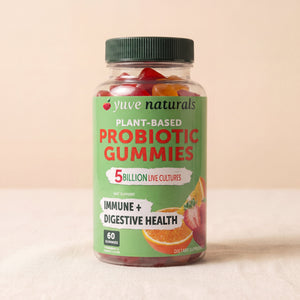
| Yuve Vegan Probiotic Gummies | People who want low-friction daily probiotic support | Easy adherence, plant-based format, useful when routine consistency is the real bottleneck | Public strain-level detail is less specific than some capsule competitors |
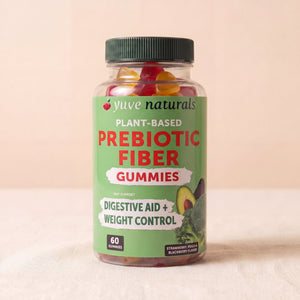
| Yuve Vegan Prebiotic Fiber Gummies | People whose low-fiber routine may be part of the barrier-support gap | Supports fermentable-fiber intake and microbiome-derived metabolites | Going too fast can temporarily increase gas |
The comparison gets more honest when you stop asking for a cure and start asking which mechanism your routine actually lacks.
Which option is best for different real-world use cases?
Best for mechanism purists: L-glutamine, because it is the cleanest single-ingredient barrier-support conversation even though evidence is still mixed outside selected settings. Best for upper-GI mucosal-support shoppers: zinc carnosine, because the mechanism is specific and reasonably well known. Best for “I need something I will actually take every day”: Yuve Vegan Probiotic Gummies, because adherence often matters more than clinical-sounding packaging. Best for “my routine is fiber-poor and my digestion is inconsistent”: Yuve Vegan Prebiotic Fiber Gummies, because microbiome support starts with substrate, not just capsules. Best for broader browsing: the Yuve digestion collection makes sense when you want to compare probiotic, fiber, and enzyme routes side by side. The World Gastroenterology Organisation supports the bigger idea here, product selection should match a defined goal, not a vague label. Adherence belongs in that decision too, because skipped products have perfect theory and terrible outcomes.
What do people get wrong about “leaky gut” supplement shopping?
The first mistake is treating “leaky gut” like a settled retail diagnosis instead of a loose consumer shorthand for gut-barrier concerns. That language invites miracle marketing fast. The second mistake is assuming any one supplement category owns the whole problem. Gut-barrier function depends on epithelial integrity, microbial metabolites, diet quality, and inflammatory context, which is why one capsule rarely deserves superhero framing. The third mistake is skipping basics. A low-fiber, irregular routine can undermine the same barrier-support goals people expect a premium supplement to rescue. Review literature in PubMed consistently points back to complexity and context, not one universal fix. Smarter shopping sounds less exciting. Pick one credible mechanism, pair it with steadier diet and routine inputs, and judge progress honestly over time. That is less sexy than “heal your gut now,” but it is also far less bullshit.
What questions do people still ask about evidence-based gut-barrier support?
Is “leaky gut syndrome” a precise supplement category?
Not really. The phrase is widely used online, but supplement comparisons are usually more useful when they focus on gut-barrier support, permeability research, or digestive routine support instead.
Does glutamine have the strongest evidence?
Not across every context. Glutamine has a plausible mechanism and some supportive literature, but the data are mixed and population dependent. It is better framed as a candidate, not a guaranteed winner.
Where do probiotics fit in this conversation?
Probiotics fit when strain-specific or routine-based support makes sense. They are not universal barrier fixes, but they can be part of a broader gut-support plan depending on the product and the person.
Why does prebiotic fiber belong in a gut-barrier article?
Because microbes ferment prebiotic fiber into short-chain fatty acids that support colonic epithelial health. In plain English, the gut lining depends partly on what your microbes get to eat.
Is zinc carnosine only for upper-GI support?
That is where a lot of the practical conversation starts, yes. It is usually discussed more for mucosal support than as a general-purpose whole-gut miracle supplement.
What is the smartest first buying filter?
Start with mechanism and adherence. If the label cannot explain what the product is trying to do, or you know you will never take the format consistently, the comparison is already losing.
What is the bottom line on evidence-aware gut-barrier support?
The best gut-barrier support option depends on which believable mechanism your routine is actually missing. Compare glutamine, zinc carnosine, probiotics, and prebiotic fiber by evidence quality, fit, and adherence, then ignore any brand or influencer promising a universal cure.