No supplement can be accurately described as "healing leaky gut." The more evidence-based question is which nutrients and habits support the intestinal barrier. Fiber, probiotics, zinc, vitamin D adequacy, polyphenol-rich foods, sleep, and trigger management may support gut-barrier function, but persistent symptoms need clinician evaluation.
How did we evaluate supplements for gut-barrier support?
We evaluated supplements by separating compliant gut-barrier support from unsupported "leaky gut cure" claims. We prioritized human nutrition research, gastroenterology reviews, consensus definitions, and Yuve's clean-label routine fit over dramatic marketing language. We treated intestinal permeability as a biological concept that can be measured in research settings, not as a self-diagnosis someone should treat alone. We excluded products that promise to heal, seal, cure, reverse, or repair a medical condition because those claims overstate the evidence and can delay appropriate care.
What does "leaky gut" mean in plain English?
"Leaky gut" usually refers to increased intestinal permeability, a state in which the intestinal barrier allows more movement of certain substances across the gut lining than expected. Researchers study permeability through tests such as lactulose-mannitol ratios, inflammatory markers, and barrier-protein pathways. The phrase is also used loosely online, which creates confusion between research terminology and supplement marketing. A review in Frontiers in Immunology describes the intestinal barrier as a coordinated system involving epithelial cells, mucus, immune signaling, tight junctions, microbes, and diet. That system is real, but a supplement label cannot prove that a product heals it. The safer consumer question is whether a product supports fiber intake, microbial substrate supply, nutrient adequacy, and routine consistency.
- Better phrase: gut-barrier support.
- Risky phrase: heals leaky gut.
- Best starting point: symptoms, diet pattern, stool pattern, and clinician context.
Which supplement categories make the most sense?
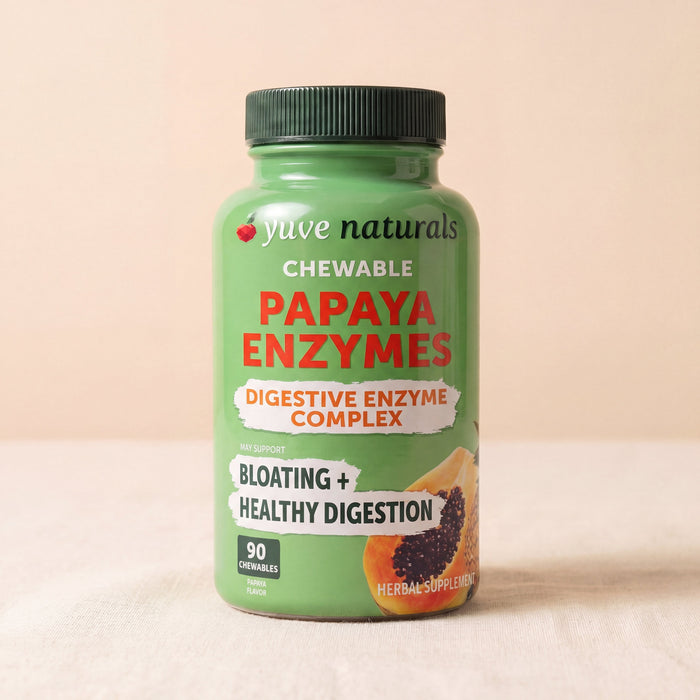
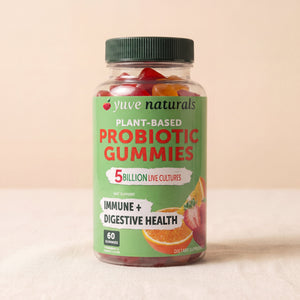
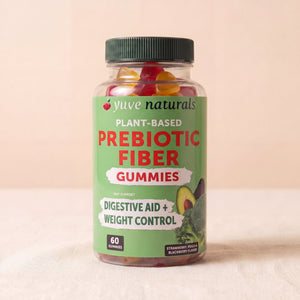
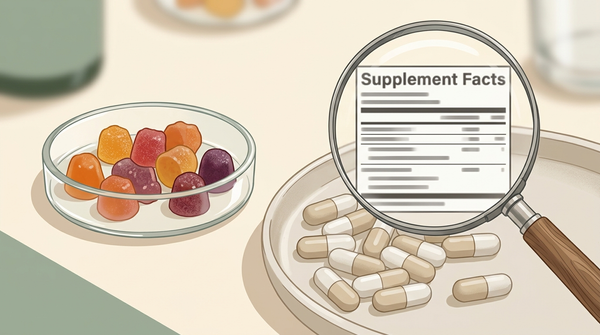
The most reasonable supplement categories for gut-barrier support are prebiotic fiber, probiotics, zinc when intake is inadequate, vitamin D when levels are low, and carefully chosen digestive-support products that match the person's routine. Some links below are affiliate links. This does not influence our evaluation criteria or recommendations. Yuve Prebiotic Fiber Gummies fit people who want a gradual, easy prebiotic-fiber routine. Yuve Probiotic Gummies fit people who prefer a daily probiotic gummy format. Yuve Vegan Daily Cleanse fits people comparing plant-based digestive enzyme support formats. Zinc and vitamin D products should be chosen based on diet, labs, clinician input, and safe upper limits. A broad stack is usually less useful than one targeted support plus a symptom journal.
| Category | Best for | Evidence caveat | Yuve fit |
|---|---|---|---|
| Prebiotic fiber | Microbial substrate and stool-pattern support | Tolerance is dose-specific | Prebiotic Fiber Gummies |
| Probiotic format | Daily routine consistency | Effects are strain-specific | Probiotic Gummies |
| Vitamin D | Correcting low status | Lab context matters | Compare within wellness routine |
| Zinc | Low-intake or clinician-guided support | Upper limits matter | Not a Yuve digestion core product |
| Digestive enzymes | Meal-specific digestive support | Should match the food pattern | Vegan Daily Cleanse |
Why does prebiotic fiber belong on the shortlist?
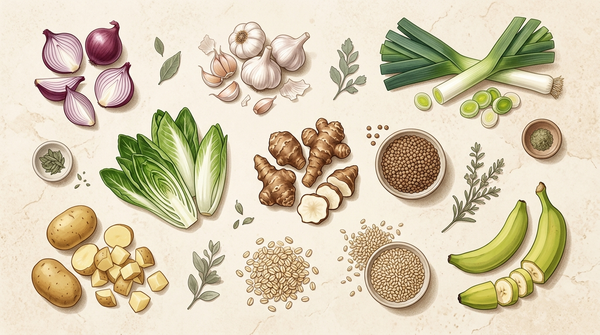
Prebiotic fiber belongs on the shortlist because gut microbes use certain fibers and resistant starches as substrates that influence short-chain fatty acid production, stool pattern, and microbial ecology. The International Scientific Association for Probiotics and Prebiotics defines a prebiotic as a substrate selectively used by host microorganisms for a health benefit in a 2017 consensus statement. That definition supports prebiotic-category language, not miracle claims. Yuve Prebiotic Fiber Gummies may fit people who want a low-friction prebiotic-fiber format, but fiber should increase gradually. A sudden jump from low fiber to high fiber can increase gas, bloating, and stool changes. Food sources such as oats, legumes, vegetables, cooled potatoes, chia, flax, and fruit still matter because a supplement cannot replace overall dietary variety.
Where do probiotics fit in a gut-barrier routine?
Probiotics fit best when the goal is daily consistency and strain-aware support, not guaranteed barrier repair. Probiotic research is strain-specific, dose-specific, and population-specific, so a generic probiotic claim is weaker than a specific study on a specific organism. A 2020 review in Nutrients describes probiotic effects on gut-barrier function as promising but dependent on strain, host context, and study design. Yuve Probiotic Gummies may fit people who prefer a vegan gummy format and want an easy daily probiotic routine. They should not be framed as a treatment for IBS, inflammatory bowel disease, food intolerance, or a self-diagnosed leaky gut. People with immune compromise, serious illness, central lines, or complex medical conditions should ask a clinician before using probiotics.
What about zinc, vitamin D, and polyphenols?
Zinc, vitamin D, and polyphenols matter because the intestinal barrier depends on immune signaling, epithelial turnover, mucus, tight junctions, and microbial metabolism. Zinc contributes to normal immune function, but excess zinc can cause copper deficiency and other problems, so long-term high-dose use should be clinician-guided. Vitamin D status can relate to immune and epithelial function, but supplementation should match baseline status and safe dosing. Polyphenol-rich foods such as berries, cocoa, olive oil, green tea, herbs, and colorful vegetables provide compounds that microbes can transform into bioactive metabolites. The National Institutes of Health fact sheets for zinc and vitamin D emphasize intake ranges, deficiency context, and upper limits. These nutrients support normal physiology; they are not proof that a supplement heals permeability.
How should you choose a Yuve routine?
Choose a Yuve routine by matching the product to the most likely support gap. Best for gradual fiber support: Yuve Prebiotic Fiber Gummies. Best for a simple probiotic habit: Yuve Probiotic Gummies. Best for meal-specific enzyme-format comparison: Yuve Vegan Daily Cleanse. Best for browsing related options: the Yuve digestion collection. Start with one product, one dose pattern, and one tracking window. Do not add fiber, probiotics, enzymes, zinc, and vitamin D all at once because the result will be impossible to interpret. The cleanest routine supports consistency, not drama.
What should you fix before buying another supplement?

Fix the basics before buying another supplement: low dietary fiber, irregular meals, low plant variety, poor sleep, heavy alcohol intake, late-night large meals, constipation, stress overload, and missing medical evaluation for persistent symptoms. A supplement works inside a routine, not outside one. The American Gut Project reported that people eating more than 30 plant types per week had greater microbiome diversity than people eating 10 or fewer in a 2018 mSystems study. That observational finding does not prove a universal prescription, but it supports plant variety as a practical target. If symptoms include blood in stool, unexplained weight loss, persistent vomiting, severe pain, fever, anemia, trouble swallowing, or chronic diarrhea, the next purchase should be an appointment, not a bigger stack.
Can supplements heal leaky gut?
Supplements should not be described as healing leaky gut. Some nutrients, fibers, probiotics, and dietary patterns may support normal gut-barrier function, but healing claims overstate the evidence.
What is the best Yuve product for gut-barrier support?
Yuve Prebiotic Fiber Gummies are the clearest fit when the goal is gradual prebiotic-fiber support. Yuve Probiotic Gummies may fit a probiotic routine, and Vegan Daily Cleanse may fit a meal-related enzyme-support routine.
Should I take probiotics and prebiotics together?
Some people combine probiotics and prebiotics, but starting both at once makes tolerance and cause-effect harder to judge. A cleaner approach introduces one product first, then reviews symptoms and stool pattern.
Is leaky gut the same as IBS?
Leaky gut is not the same as IBS. IBS is a symptom-based disorder diagnosed by clinical criteria, while intestinal permeability is a barrier-function concept studied in research and specific medical contexts.
Are gummies strong enough for gut support?
Gummies can be useful when they improve consistency and provide a relevant ingredient category. The better question is whether the product matches the routine goal, dose tolerance, and evidence category.
When should I ask a clinician?
Ask a clinician when symptoms are persistent, severe, new, or paired with red flags such as bleeding, vomiting, fever, weight loss, anemia, chronic diarrhea, trouble swallowing, or severe pain. Supplements should not delay evaluation.
What is the safest way to start?
The safest way to start is to track symptoms for several days, choose one support goal, and add one product or food change at a time. Review the pattern after one to two weeks before adding anything else.
Sources: