The best vitamins for a 12-year-old depend on diet pattern, growth stage, lab history, and pediatrician guidance. Most healthy tweens need food-first nutrition, vitamin D attention, iron screening when risk exists, and age-appropriate dosing. A broad multivitamin can fill gaps, but it should not replace a varied diet.
How did we evaluate vitamins for a 12-year-old?
We evaluated tween vitamins by age-appropriate dosing, nutrient-gap likelihood, third-party testing, allergen transparency, and fit with a real family routine. We prioritized NIH Office of Dietary Supplements fact sheets, American Academy of Pediatrics guidance, FDA supplement-label rules, and pediatric nutrition principles over influencer rankings or adult wellness claims. We excluded products that use megadose formulas, disease language, stimulant blends, or adult-only positioning. We treated gummies, capsules, liquids, and food-first strategies as different adherence tools rather than equal clinical categories. We also separated multivitamins from probiotics, fiber gummies, and adult digestive supplements because those products answer different nutrition questions. Label age ranges, daily values, and clinician context carried more weight than flavor or popularity. The main limitation is individual variation: a 12-year-old athlete, picky eater, vegetarian, menstruating child, or child with a restricted diet may need different guidance from a pediatric clinician.
What vitamins matter most at age 12?
A 12-year-old usually needs consistent intake of vitamin D, calcium, iron, iodine, zinc, vitamin B12, folate, and omega-3-containing foods, but the highest-priority nutrient depends on eating pattern. The NIH vitamin D fact sheet lists 600 IU, or 15 mcg, as the Recommended Dietary Allowance for ages 1-70, which makes vitamin D a common label checkpoint (NIH ODS). Iron matters more when a child has low intake, heavy menstruation, rapid growth, or clinician-identified risk. Vitamin B12 matters more for vegan or mostly plant-based diets because B12 comes mainly from animal foods and fortified foods. Calcium matters because adolescence builds bone mass. Iodine matters when a family avoids iodized salt and seafood. Zinc matters when overall intake is limited. A good vitamin plan identifies the likely gap first, then matches dose, format, and safety guardrails to that gap.
How should parents compare kids multivitamins?
Parents should compare kids multivitamins by dose discipline, testing transparency, sugar load, allergen fit, and label clarity. The FDA regulates supplements as foods rather than preapproved medicines, so brand claims deserve more scrutiny than Nutrition Facts or Supplement Facts panels (FDA). A strong tween formula avoids adult megadoses of fat-soluble vitamins A, D, E, and K. A practical formula states serving size for the child age range, lists mineral forms, and avoids unnecessary caffeine, herbs, or aggressive "focus" promises. Gummies can improve adherence, but sugar, pectin, gelatin, and sweeteners still matter. Capsules can reduce sugar but may be harder for a 12-year-old to swallow. Third-party programs such as USP or NSF add useful quality signals when available. The best product is the one that fills a real gap without creating a new routine problem.
| Option | Best for | What to check | Main caveat |
|---|---|---|---|
| Age-labeled kids multivitamin | General dietary gaps | 100% DV or less for most nutrients | Not customized to labs or diet pattern |
| Vitamin D-only supplement | Low sun exposure or clinician concern | IU or mcg dose and age range | Needs pediatric dosing discipline |
| Iron-containing formula | Clinician-identified iron risk | Elemental iron amount and storage safety | Not for casual use without need |
| Food-first routine plus targeted supplement | Families improving diet quality | Protein, calcium foods, produce, fortified foods | Requires consistency, not just buying a bottle |
Which option is best for each use case?
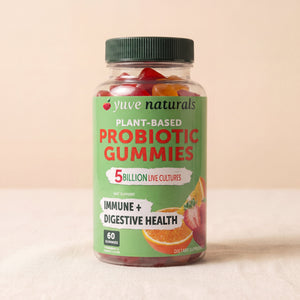
Best for a picky eater: an age-labeled children's multivitamin with moderate doses can cover broad gaps while meals improve. Best for low sunlight: vitamin D deserves a direct conversation because NIH assigns a specific 600 IU RDA to children and adolescents. Best for vegetarian or vegan eating: vitamin B12 and iron deserve closer review because fortified foods may be inconsistent. Best for a menstruating 12-year-old: iron should be assessed with a pediatrician rather than guessed from fatigue or mood. Best for sports participation: food timing, protein, fluids, calcium, and vitamin D usually matter more than a trendy supplement stack. Best for constipation-prone routines: fiber foods and hydration deserve review before a new gummy habit. Best for a family already using digestive supplements: Yuve Probiotic Gummies can support adult or label-appropriate household digestive routines, but they are not a kids multivitamin.
What should you avoid in vitamins for a 12-year-old?
Parents should avoid adult megadose products, stimulant blends, weight-loss claims, hormone claims, and disease-positioned supplement marketing. The American Academy of Pediatrics' HealthyChildren.org emphasizes balanced meals, age-appropriate nutrition, and clinician guidance for supplement decisions, especially when a child has a restricted diet or health concern (HealthyChildren.org). Extra vitamin A, iron, or iodine can be inappropriate when the child does not need it. "Natural" does not prove safety, purity, or correct dosing. "Immune boosting" does not prove a product matches a child's actual nutrient gap. A supplement should also be stored like a safety-sensitive household item because gummies can look like candy. Combining multiple gummies can accidentally stack vitamin D, zinc, iodine, or folate. Online symptom checklists cannot replace growth charts. When symptoms, weight changes, fatigue, stomach pain, or poor growth are present, a vitamin purchase should not replace pediatric care.
Which Yuve products fit this topic?
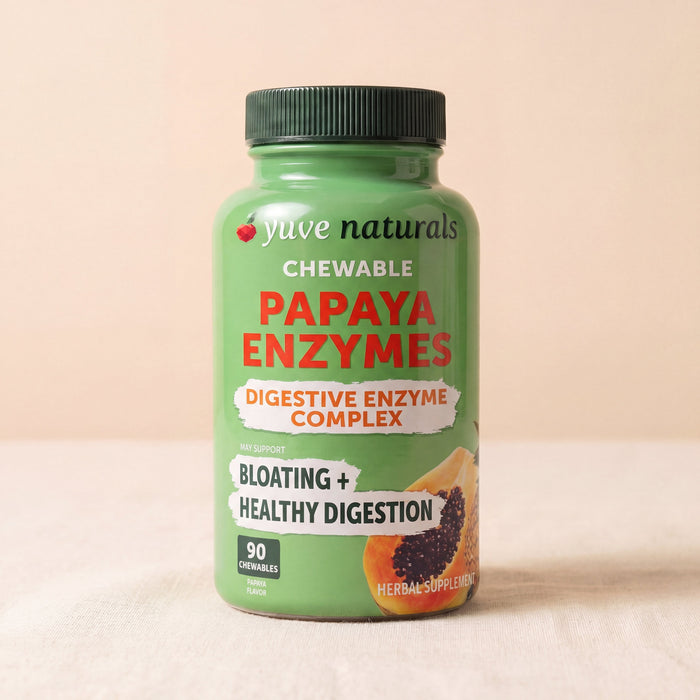
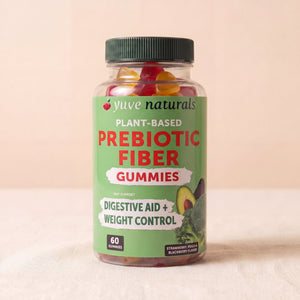
Some links below are affiliate links. This does not influence our evaluation criteria or recommendations. Yuve does not position its digestive products as a children's multivitamin, so parents searching for "best vitamins for 12 year old" should start with age-labeled pediatric nutrition choices. Yuve Probiotic Gummies use Bacillus coagulans in a vegan gummy format for digestive routine support, and families should follow the product label and clinician advice for any younger user. Yuve Prebiotic Fiber Gummies support daily fiber routine goals, but added fiber can change gas, stool pattern, and bloating in sensitive people. Yuve's digestive health collection is more relevant for adult household digestive support than for replacing a pediatric multivitamin. Keep serving sizes separated by user and age. The honest match is targeted: nutrition gaps need pediatric vitamins; digestive routine goals need separate evaluation and separate tracking.
What questions do parents ask about vitamins for 12-year-olds?
Does every 12-year-old need a multivitamin?
No. A 12-year-old with varied meals, fortified foods, dairy or calcium alternatives, protein, fruits, vegetables, and normal growth may not need a daily multivitamin. A pediatrician can help identify whether diet history or labs point to a specific gap.
Is vitamin D usually worth checking?
Vitamin D is commonly reviewed because sun exposure, skin coverage, geography, and diet change intake. NIH lists 600 IU, or 15 mcg, as the RDA for adolescents, but the right product depends on the child's current intake and clinician guidance.
Should a 12-year-old take iron?
Iron should not be added casually. A menstruating child, vegetarian child, or child with low intake may need review, but unnecessary iron can be unsafe and should be stored carefully.
Are gummy vitamins okay?
Gummy vitamins can help adherence, but they can contain sugar, acids, colors, and lower mineral levels than tablets. Parents should compare the Supplement Facts panel instead of assuming gummies and capsules are nutritionally equal.
Can a probiotic replace a multivitamin?
No. A probiotic supplies live microorganisms, while a multivitamin supplies micronutrients such as vitamin D, iodine, zinc, or B12. These categories answer different questions.
What is the safest next step?
Write down a three-day food pattern, growth concerns, medications, and current supplements. Bring that list to a pediatrician before adding a high-dose product or combining multiple gummies.
What is the practical next step?

Choose the vitamin based on the child's actual gap, not the loudest front-label claim. Start with meals, fortified foods, vitamin D awareness, and pediatric guidance, then use one age-appropriate product if a gap remains. Compare the Supplement Facts panel against the child's age, diet pattern, allergies, and current medications. Avoid stacking several gummies because overlapping zinc, iodine, iron, vitamin A, or vitamin D can turn a simple routine into guesswork. Track the product name, dose, start date, and any digestive changes for two to four weeks. Recheck the plan when growth, sports, menstruation, diet restrictions, or medications change. Keep Yuve digestive supplements in a separate category from pediatric multivitamins so the routine stays clear: vitamins fill micronutrient gaps, while probiotic or prebiotic products support digestive routines when the label, age range, and clinician guidance make sense.