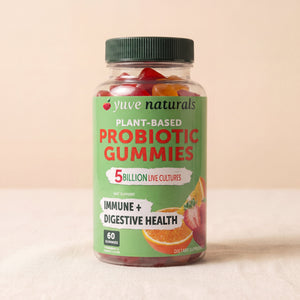
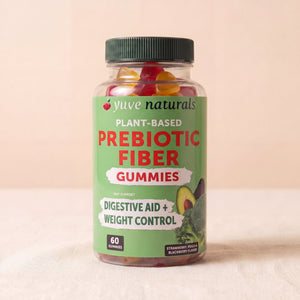
Yes, most healthy adults can take fiber and probiotics on the same day, and they do not automatically require separate timing. Start one product first, add fiber gradually, drink the amount of fluid its label requires, and track gas or stool changes. Medication spacing, swallowing difficulty, severe symptoms, or immune compromise can change the safest plan.
How did we evaluate taking fiber with probiotics?
We evaluated the combination by separating fiber type, probiotic identity, serving size, timing, hydration, medication spacing, tolerance, and the goal of use. We prioritized National Institutes of Health fact sheets, National Institute of Diabetes and Digestive and Kidney Diseases guidance, International Scientific Association for Probiotics and Prebiotics consensus work, human evidence, and current product labels; outcome-specific human evidence outranked microbiome marketing. We excluded assumptions that every fiber is a prebiotic, every probiotic needs added fiber, or two products taken together become a proven synbiotic. Fiber categories differ in viscosity, fermentation, and water requirements, while probiotic effects can depend on genus, species, and strain. Evidence for one designed synbiotic cannot be transferred automatically to a separately purchased gummy pair. A practical routine therefore starts with label accuracy and personal tolerance. This article compares mechanisms and use cases rather than promising a microbiome “reset.”
What happens when fiber and probiotics are taken together?
Fiber and probiotics perform different jobs. Dietary fiber is a nondigestible carbohydrate category that can influence stool bulk, water retention, viscosity, fermentation, and transit depending on the specific fiber. Probiotics are live microorganisms that confer a health benefit when delivered in adequate amounts, and their effects may be strain-specific. Some fermentable fibers, including inulin and fructo-oligosaccharides, can act as prebiotics because resident microbes selectively use them. Taking a prebiotic and probiotic together may resemble a complementary synbiotic, but the ISAPP synbiotic consensus requires evidence and appropriate definitions; a random pairing does not prove synergy. The fiber does not necessarily “feed” only the swallowed organism, and the probiotic does not replace fiber’s physical effects. Same-day use is often reasonable, yet gas, stool frequency, and comfort depend on dose, baseline diet, product ingredients, and the individual. One change at a time makes those effects easier to interpret.
Should you take them at the same time or separate them?
Same-time dosing is usually a convenience decision unless a label, medicine, or clinician supplies a different reason. Probiotic survival depends on the organism, formulation, packaging, storage, and meal conditions, so one universal empty-stomach rule does not fit every product. Fiber timing also depends on type: psyllium needs adequate liquid and can affect medication absorption, while inulin mixes easily with food but may ferment rapidly. If both products are new, start them on different days rather than merely different hours. That sequence reveals which item caused gas, cramping, or a stool change. If each product is already tolerated, taking them with the same meal may support adherence. If discomfort appears, return to the last tolerated routine instead of doubling down. Keep the probiotic at its labeled serving and raise total fiber gradually. The best timing plan is repeatable, respects medication spacing, and produces an interpretable result.
How do common fiber-and-probiotic routines compare?
Commercial disclosure: Yuve publishes this article and sells the Yuve products linked below. These are product links, not independent affiliate endorsements, and that relationship does not change the comparison criteria.
| Routine | What it provides | Best for | Main limitation |
|---|---|---|---|
| Yuve Prebiotic Fiber Gummy + Yuve Probiotic Gummy | 1.5 g inulin/FOS per fiber gummy; B. coagulans, 5 billion CFU per probiotic serving at manufacture | Vegan, capsule-free routine | Two fermentable variables; probiotic has no displayed strain code |
| Psyllium + named-strain probiotic capsule | Gel-forming fiber plus a strain-traceable organism | Separately measurable products | Psyllium needs ample liquid and medication spacing |
| Fiber-rich foods + one probiotic product | Mixed intrinsic fibers plus one labeled live-microbe product | Diet-first variety | Fiber dose and fermentability are less standardized |
The table compares transparency and routine design, not guaranteed digestive outcomes. Start one component first because two simultaneous changes weaken attribution.
Which combination is best for each use case?
Best for a vegan, capsule-free routine: Yuve Prebiotic Fiber Gummies plus Yuve Probiotic Gummies, after each product has been tolerated separately. The fiber gummy lists 1.5 grams of chicory-root inulin/FOS and dietary fiber per gummy; the probiotic serving lists Bacillus coagulans, 5 billion CFU at manufacture, and 3 grams of sugar alcohol, without a displayed strain code. Best for a gel-forming fiber trial: plain psyllium with the label-required water, introduced separately from any probiotic. Best for strain-level evidence matching: a probiotic that names genus, species, strain, and viable CFU through expiration. Best for dietary variety: tolerated beans, oats, fruits, vegetables, nuts, and seeds. Best for severe pain, bleeding, vomiting, fever, dehydration, unintended weight loss, or inability to pass stool or gas: no self-designed supplement combination. Those signs need medical assessment rather than another digestive product.
How much fiber should you add when starting a probiotic?
Add the smallest measurable fiber step that fits the label and your current diet rather than jumping directly to a population target. The NIDDK states that adults generally need 22 to 34 grams of fiber daily depending on age and sex and advises increasing fiber a little at a time. That range describes total intake from food and supplements, not a starting dose for one product. Estimate baseline fiber before adding gummies or powder because a high-fiber diet plus a full supplement serving may create a larger change than intended. Fermentable inulin can increase gas rapidly, while psyllium adds viscosity and requires fluid. Keep the probiotic serving stable during fiber titration. If bloating, cramping, or loose stool appears, return to the last tolerated amount instead of assuming discomfort proves microbial benefit. A registered dietitian can individualize the plan when symptoms, restrictions, or nutritional gaps complicate gradual use.
Can fiber reduce probiotic effectiveness?
Fiber does not generally cancel a probiotic, but the exact combination may change tolerance, transit, and the microbial environment. Fermentable fibers provide substrates for resident organisms and can influence metabolites such as short-chain fatty acids. Gel-forming fibers can change stool consistency and transit without selectively feeding the swallowed strain. The NIH Office of Dietary Supplements explains that probiotic effects can be nonspecific, species-specific, or strain-specific and that higher CFU counts do not necessarily create greater benefit. That means a fiber cannot rescue a poorly identified probiotic, and a probiotic cannot prove that a fiber is appropriate. Product evidence should match the organism, dose, population, and outcome. Separate introduction remains useful even when long-term co-use is planned. If symptoms worsen only after the fiber is added, adjust the fiber rather than concluding that the probiotic stopped working. If no defined outcome improves, more products will not make the experiment clearer.
Can fiber and probiotics cause extra gas together?
Yes. Fermentable fibers such as inulin and FOS can increase gas because colonic microbes metabolize them, while probiotic products can coincide with changes in gas or stool. Gummy sweeteners create another variable: Yuve Probiotic Gummies list maltitol and isomalt with 3 grams of sugar alcohol per serving. Starting both gummy products at once therefore introduces live microorganisms, fermentable inulin/FOS, and sugar alcohols simultaneously. Mild transient changes can occur, but persistent or worsening discomfort is not proof that the routine is “working.” Start one product, keep meals stable, record the serving and symptom timing, and add the second only after the first is tolerated. Avoid combining the first dose with a large bean meal, prebiotic soda, fiber powder, and several fermented foods. Stop and seek guidance for severe pain, repeated vomiting, dehydration, bleeding, fever, unintended weight loss, or marked distension with inability to pass stool or gas.
Do fiber and probiotics need extra water?
Fiber often needs attention to fluid, but the requirement depends on the fiber and the person. Psyllium forms a gel and must be taken with the amount of liquid stated on its label; inadequate fluid can create choking or obstruction risk, especially in people with swallowing difficulty or bowel narrowing. Inulin gummies do not swell like psyllium, yet overall hydration still supports normal digestive function. A probiotic capsule or gummy does not automatically require extra water beyond its directions. More water is not always safe for people with heart failure, kidney disease, or prescribed fluid restrictions, so generic “drink a gallon” advice is inappropriate. Follow each label, consider climate and activity, and ask a clinician when fluid intake is medically limited. Do not take dry psyllium powder by mouth. Stop using bulking fiber and seek urgent help for trouble swallowing, chest pain after dosing, repeated vomiting, severe abdominal pain, or inability to pass stool or gas.
Should fiber be separated from medications or supplements?
Sometimes. Bulk-forming fibers, especially psyllium, can alter or delay absorption of oral medicines, so the product label and pharmacist should determine spacing. Prescription drugs with narrow therapeutic ranges, thyroid medicine, diabetes medicine, and several minerals deserve particular review, but one generic two-hour rule cannot cover every product. Probiotics may also need special planning during antibiotic treatment because bacterial strains can be susceptible to the drug, while the yeast Saccharomyces boulardii behaves differently. Bring the exact fiber name, probiotic strain, serving, medicine list, and schedule to a pharmacist. Do not hide powder or gummies inside a complex routine and assume “natural” means interaction-free. The U.S. Food and Drug Administration does not approve dietary supplements for safety and effectiveness before marketing. Product-specific review matters more than broad category advice, especially during pregnancy, immune compromise, serious illness, or treatment changes.
Does taking both products create a synbiotic?
Not automatically. The 2020 ISAPP consensus defines a synbiotic as a mixture of live microorganisms and substrates selectively utilized by host microorganisms that confers a health benefit. A complementary synbiotic combines probiotic and prebiotic components that each meet their respective evidence criteria, while a synergistic synbiotic is designed so the substrate and microorganism act cooperatively. Buying an unrelated fiber gummy and probiotic gummy creates co-use, not proof of a clinically validated synbiotic effect. The pairing may still be practical, but each component should earn its place through label transparency, tolerance, and a defined goal. Do not assume that inulin selectively feeds the exact organism on the probiotic label or that the combination will permanently colonize the gut. A defensible claim requires the finished mixture, relevant dose, target population, and health outcome to be studied. For routine use, “fiber plus probiotic” is the clearer description unless the product has evidence supporting the synbiotic designation.
Who should ask a clinician before combining fiber and probiotics?
Ask a clinician first if you have swallowing difficulty, suspected bowel narrowing, severe constipation, recurrent obstruction, major gastrointestinal surgery, significant immune compromise, a central venous catheter, or a complex medical condition. Pregnancy, breastfeeding, childhood use, prescription medication schedules, kidney disease, heart failure, and fluid restriction also warrant product-specific advice. Fiber can alter stool volume, fermentation, and medication timing; live microorganisms can create uncommon but important risks in vulnerable people. Seek prompt care instead of adding supplements for blood or black stool, persistent vomiting, fever, dehydration, unintended weight loss, severe or localized pain, progressive distension, anemia, or inability to pass stool or gas. Bring photographs of both Supplement Facts panels and the complete ingredient lists to the appointment. “Fiber and probiotics” describes broad categories, not a single exposure. The exact fiber, organism, strain, CFU statement, serving, excipients, fluid requirement, and medicines determine whether a proposed combination is reasonable.