Solaray uses third-party oversight at the facility level and says some products receive independent finished-product testing, but that does not mean every Solaray supplement carries product-level certification. Its public quality pages describe NSF GMP and ISO laboratory credentials plus extensive in-house testing. Verify the exact product, lot, test scope, and certificate before buying.
How did we evaluate Solaray's testing claims?
We reviewed Solaray's current quality page, frequently asked questions, manufacturing disclosures, and product-testing statements on August 5, 2026. We separated independent facility certification, laboratory accreditation, in-house batch testing, supplier Certificates of Analysis, and independent finished-product testing because those signals answer different questions. We prioritized official Solaray disclosures, FDA dietary-supplement guidance, and NSF explanations over retailer listings, marketplace badges, or customer reviews. We recorded whether a claim identified the certifier, facility, product, lot, test panel, method, or publicly accessible result. We did not treat testing as proof that an ingredient improves a health outcome, because quality verification and clinical evidence are separate. Marketplace claims received secondary weight because sellers can reuse outdated product images. The main limitation is product variation: Solaray sells hundreds of formulas, certifications can change, and a company-wide quality page cannot establish the testing status of every current SKU or lot.
Does Solaray use third-party testing?
Yes, but the scope needs precise wording. Solaray's quality page says its manufacturing facility has third-party GMP certification and its laboratory has ISO credentials. The same page says Solaray tests every raw-ingredient batch internally, conducts up to 15,000 tests per month depending on inventory, and uses methods such as ICP, gas chromatography, UPLC, PCR, ELISA, and spectroscopy. Solaray also states that some finished products undergo third-party testing to confirm its in-house results. That public evidence supports a combination of third-party facility oversight, accredited laboratory systems, extensive internal testing, and selective independent product verification. It does not support the broader statement that every Solaray finished product is independently certified or that every lot has a public third-party Certificate of Analysis. A buyer should therefore ask a product-level question: which outside organization tested this exact formula, what did it measure, and can the result be matched to the lot?
Is NSF GMP certification the same as finished-product certification?
No. NSF GMP certification evaluates manufacturing systems, documentation, equipment, sanitation, quality controls, and process consistency at a facility. NSF explains that GMP certification can make a company eligible for separate product certification, but the two programs are not interchangeable. NSF's certification overview distinguishes NSF/ANSI 455 GMP certification from NSF/ANSI 173 product certification, which adds technical review, product testing, and contaminant testing. Solaray's NSF-listed facility is therefore a meaningful manufacturing-quality signal, not automatic evidence that every bottle carries NSF product certification. The same distinction applies to ISO/IEC 17025 laboratory accreditation: accreditation evaluates laboratory competence for defined scopes, while a product claim still needs a report or certification linked to that product. Strong verification identifies both layers. Facility evidence answers how a manufacturer operates; finished-product evidence answers what an outside program found in the formula being purchased.
What does Solaray say it tests in-house?
Solaray says its internal program checks identity, potency, purity, heavy metals, pesticides, microbes, allergens, physical properties, disintegration, and finished-product stability as applicable. Its frequently asked questions describe supplier review, intake testing, and finished-product checks, while its quality page says raw materials are tested even when a supplier provides a Certificate of Analysis. The disclosures name instruments and purposes: ICP screens metals, chromatography measures active compounds or residual solvents, PCR detects selected microbes and supports botanical traceability, and ELISA screens allergens such as gluten or soy. Those details are stronger than an unexplained "lab tested" badge because they identify analytical categories and stages. However, method descriptions still do not show the numerical result for a shopper's lot. A current product-specific COA should identify the sample, lot, date, laboratory, analytes, methods, specification limits, measured results, and pass criteria before it is treated as batch-level evidence.
How do Solaray's quality signals compare by strength?
Solaray presents several useful signals, but each deserves the right interpretation. FDA current good manufacturing practice establishes the regulatory baseline; the FDA supplement guidance explains that manufacturers are responsible for quality and that FDA does not test supplements before sale. NSF GMP certification adds outside review of a manufacturing system. Solaray's internal testing adds formula and ingredient controls, while an independent product report can add direct outside evidence for a specific SKU or lot.
| Quality signal | What it supports | What it does not prove | What to verify |
|---|---|---|---|
| NSF GMP facility certification | Audited manufacturing systems | Every product is NSF certified | Current facility listing and scope |
| ISO-accredited in-house lab | Laboratory competence within scope | Independent testing of every lot | Accreditation body and scope |
| Solaray internal batch testing | Identity, potency, purity, or contaminants | Outside verification | Product, lot, panel, and methods |
| Independent product testing | Outside results for a defined sample | Brand-wide certification | Lab, lot, date, analytes, and report |
How can you verify a specific Solaray supplement?
Start with the exact bottle rather than the brand name. Record the product name, serving size, formulation, UPC, expiration date, and stamped lot code, then compare those details with Solaray's current product page. Look for a named product-certification mark or independent-testing statement and verify it in the certifier's official directory. If the page only describes facility credentials or in-house testing, ask Solaray customer support whether an outside laboratory tested the finished product and request the corresponding COA. A useful response should identify the laboratory, test date, lot, analytes, methods, results, and specification limits. Ask whether the panel covers identity, potency, heavy metals, microbes, pesticides, allergens, or only one category. A report for a raw ingredient, different strength, or older formulation should not be treated as evidence for the bottle in hand. Save the report with package photographs so the verification trail remains clear.
How should Solaray and Yuve be compared fairly?
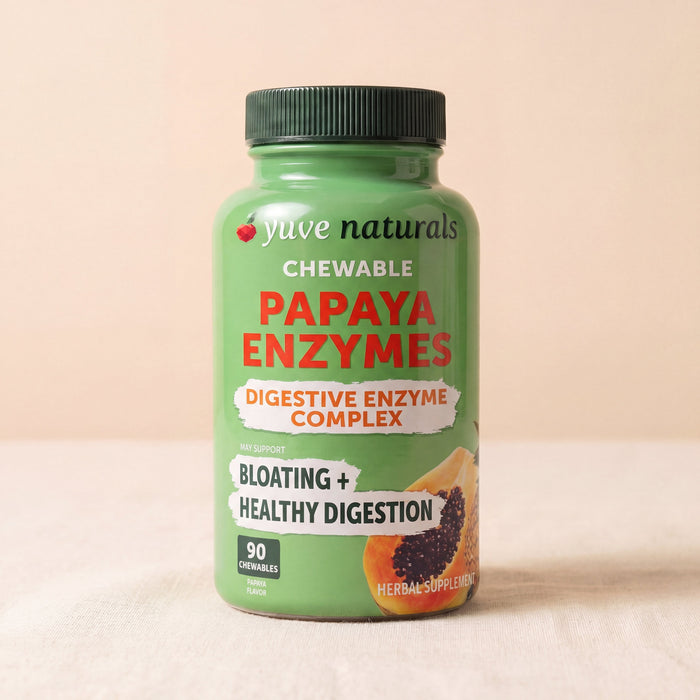
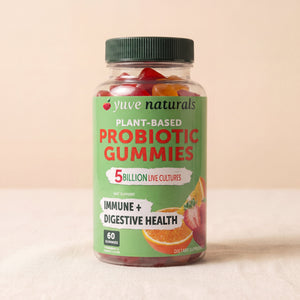
Some links below are commercial links. This does not change the verification criteria. Solaray publishes detailed facility, equipment, and internal-testing disclosures and says some products receive independent confirmation; shoppers should request product- and lot-specific proof when it is not public. Yuve's testing FAQ states that every batch is tested by independent laboratories for identity, potency, heavy metals, microbes, and pesticides, with COAs available by product name and lot number. A shopper evaluating Yuve Probiotic Gummies should still request the matching report, inspect the Supplement Facts panel, and confirm that the lot and test scope align. Best for facility transparency: Solaray's public quality page. Best for a stated lot-request process: Yuve's FAQ. Best for the final decision: whichever exact product supplies a current, traceable document and a formula that fits the intended nutrient, dose, allergens, and routine.
What questions do shoppers ask about Solaray testing?
Is every Solaray supplement third-party tested?
Solaray says some products receive third-party testing, while its public pages emphasize extensive in-house testing across the brand. Treat finished-product independent testing as SKU-specific until Solaray supplies a matching certification or report.
Does Solaray publish COAs online?
Solaray's public quality pages explain testing but do not function as a lot-by-lot COA library for every product. Ask support for the document that matches the product name, strength, and lot code.
Is Solaray's laboratory independent?
Solaray describes the Ogden laboratory as its own facility, so its routine testing is in-house. ISO laboratory accreditation can validate competence within a defined scope, but it does not turn an in-house lab into an independent third party.
Does NSF GMP mean NSF tested the bottle?
No. NSF GMP certification evaluates manufacturing quality systems, while NSF product certification applies a separate product-level program. Check the exact NSF directory and mark before assuming the finished supplement is certified.
What should a Solaray COA show?
A useful COA should show the product, lot, laboratory, test date, methods, analytes, specification limits, measured results, and disposition. A generic pass letter without traceable identifiers provides weaker evidence.
Does third-party testing prove a supplement works?
No. Testing can support identity, potency, purity, and contaminant control, but clinical usefulness depends on the ingredient, dose, population, and evidence for the intended use.
How does Yuve document testing?
Yuve states that every batch receives independent identity, potency, and contaminant testing and that COAs are available on request. Shoppers should email the product name and lot number, then match the returned report to the package.
What is the bottom line on Solaray's testing?

Solaray has credible third-party quality signals, including outside GMP oversight of its facility and ISO credentials for its laboratory, plus a detailed in-house testing program. Solaray also says some finished products receive independent confirmation, but the public evidence does not justify assuming that every finished product or lot has product-level third-party certification. Verify claims in layers: confirm the facility credential, identify whether testing was internal or independent, and request a product- and lot-matched report when the certification is not public. The same rule applies to Yuve and every other supplement brand. A strong verification trail names the laboratory or certifier, product, lot, date, analytes, methods, limits, and results. Testing improves confidence in what is inside the bottle; it does not prove that the formula will create a particular wellness outcome. When evidence is incomplete, ask the manufacturer before ordering.
Image notes:
- Hero image: supplement bottle silhouettes beside a magnifying glass, lab report, lot code, NSF-style facility document, and verification checklist, no third-party logos copied.
- Inline image: four-layer evidence graphic separating facility certification, laboratory accreditation, in-house testing, and independent finished-product testing.