Meta title: Herbal Digestive Aid Guide for Bloating Relief and Gut Health
Meta description: Learn how herbal digestive aid options support bloating relief, digestion, and the gut microbiome. Get practical tips, safety guidance, and simple next steps.
Your stomach feels fine at breakfast. By midafternoon, your jeans feel tighter, your belly feels puffy, and then comes the gas. Yikes. If you've ever wondered why your body seems to revolt after a normal meal, you're not being dramatic, and you're definitely not alone.
A lot of us end up searching for something gentler than a complicated elimination diet or a random supplement stack. Herbal support often comes up for good reason. The goal isn't to force your body into submission. It's to support digestion in a way that makes sense for how the gut works.
Tired of That Post-Meal Balloon Feeling
Maybe this is your day. You eat lunch at your desk, answer emails, and then notice that familiar pressure building in your belly. By dinner, you feel like a balloon. Dun, dun, dun, unwelcome gas. Yikes.
That cycle is frustrating because it can feel random. One day it's salad. Another day it's pasta. Then you start second-guessing every bite, which is exhausting.
At Yuve, that kind of digestive frustration is part of the founder story too. Sam's own gut struggles helped shape a more practical approach to digestive wellness. Less fear around food. More support for the body.
Why so many people are looking at herbs
People aren't only looking for symptom relief anymore. They're also looking for options that feel more natural and more sustainable day to day. The market reflects that shift. The global market for herbal digestive aids is projected to grow from $9 billion in 2025 to $22 billion by 2033, at a 15% CAGR, according to HTF Market Insights on the herbal digestive aids market.
What that means for you: more people are asking the same question you are. Can a herbal digestive aid help without making things more complicated?
For many people, it can be part of the answer. The key is using herbs thoughtfully, not just grabbing the first "gut health" bottle you see online.
Practical rule: If your digestion feels unpredictable, start by looking for support that matches your symptoms instead of chasing trendy fixes.
If you're trying to make sense of your symptoms and want another grounded resource, the LifeWorks functional medicine team has a useful overview of gut health from a broader functional perspective. For more everyday bloating support, you can also read Yuve's guide on natural ways to heal your gut.
What helps this article feel different
A lot of gut articles stop at "drink peppermint tea" and move on. That's too shallow. Herbs can do more than soothe symptoms. Some also interact with the gut microbiome, which means they may support a healthier internal environment over time, not just give short-term relief.
That's where things get interesting, and more hopeful.
What Exactly Is an Herbal Digestive Aid
A herbal digestive aid is a plant-based ingredient or blend used to support digestion. It functions as a gentle coach for your digestive system, nudging normal processes along rather than acting like an emergency rescue siren.
That matters because digestive issues aren't all the same. Bloating after a heavy meal is different from constipation, and both are different from cramping after stress. Herbs tend to work best when you match the plant to the pattern.

How herbal aids differ from other digestive products
It's easy to mix these up, so let's clear it up.
- Herbal digestive aids - Plant ingredients that may calm, stimulate, or support digestion depending on the herb.
- Digestive enzymes - Compounds that help break down food components like protein, fat, or lactose.
- Stimulant laxatives - Products designed to push the bowel to move. These serve a very different purpose and aren't the same as general digestive support.
A cup of ginger tea after a queasy meal, for example, isn't doing the same job as a lactase supplement before ice cream. Both can help. They just help in different ways.
What forms do they come in
Herbal digestive support can show up as:
- Tea for a simple, soothing ritual
- Capsules for convenience and standardization
- Tinctures if you prefer drops
- Bitters before meals, especially if rich food tends to sit heavily
Some people love tea because it's calming. Others want something they can toss in a work bag. Neither approach is more "correct." The best form is often the one you'll use consistently.
If you're curious about the broader plant-based supplement category, this overview of the benefits of herbal supplements gives helpful context.
Herbs don't have to be mysterious to be effective. In plain English, they help with things like how food moves, how gas builds up, and how well your body handles a meal.
Meet the All-Stars of Natural Digestion
You finish dinner, push your plate away, and within 20 minutes your stomach feels tight, noisy, or strangely heavy. That reaction does not always point to the same fix. Digestive herbs have different jobs, and matching the herb to the pattern matters a lot more than people expect.

Some herbs soothe muscle tension. Others support the flow of digestive juices or bile. A few may also shape the gut environment in ways that matter for your microbiome, which is one reason herbal support can pair so well with prebiotics and probiotics instead of working as a completely separate tool.
Ginger, peppermint, fennel, black cumin, and artichoke
Ginger is often the first pick for an unsettled, slow-feeling stomach. It is commonly used for nausea, post-meal heaviness, and that uncomfortable sense that food is just lingering. If your digestion needs a gentle nudge rather than a cooling, calming herb, ginger usually makes more sense than peppermint.
Peppermint is the relaxer. It is commonly used when the gut feels crampy, tight, or gassy because it can help settle spasms in the digestive tract. That is why so many people reach for peppermint tea after a meal, and why a more concentrated form like pure peppermint oil for digestive support gets so much attention.
Fennel is the classic after-meal de-puffer. Fennel seeds have a long history of use for gas and bloating, especially when your stomach feels distended rather than nauseated. Some of that benefit may come from how fennel helps gas move through instead of hanging around and stretching the gut.
Black cumin is a little different. It is often discussed for stimulating digestion, especially in people who feel sluggish after eating. That does not mean everyone with bloating needs it. It means it may fit better when the issue feels like slow breakdown and poor digestive drive, not spasms or nausea.
Globe artichoke is the rich-meal specialist. It is best known for supporting bile flow, which matters because bile helps your body process fats. If creamy pasta, fried foods, or a heavier dinner tend to leave you feeling overly full, artichoke is one of the more targeted options.
Herbal Digestive Aid Comparison
| Herb | Primary Benefit | Best For |
|---|---|---|
| Ginger | Soothing digestion and supporting comfortable stomach emptying | Queasy, heavy, unsettled digestion |
| Peppermint | Calming gas and digestive spasms | Cramping, post-meal discomfort, trapped gas |
| Fennel | Helping reduce gas buildup | Bloating, puffiness after meals |
| Black cumin | Supporting digestive stimulation | Indigestion that feels sluggish |
| Globe artichoke | Supporting bile flow and fat digestion | Fullness and bloating after richer meals |
Choosing based on symptoms
A simple way to sort this out is to ask, "What does my discomfort feel like?"
- Heavy after a rich meal. Artichoke may fit better than peppermint because the issue may involve fat digestion more than muscle tension.
- Tight, crampy, gassy discomfort. Peppermint or fennel often make more sense.
- Nausea or that stuck feeling after eating. Ginger is usually the easiest place to start.
- Sluggish digestion without much cramping. Black cumin may be worth discussing with a qualified practitioner.
Your symptoms are clues.
That matters for the microbiome too. If an herb helps food move along more comfortably, reduces backup, or supports better digestion upstream, it can change what reaches your gut microbes downstream. Better breakdown and better flow do not replace probiotics or prebiotics, but they can make that whole system work more smoothly. Herbs, in other words, often set the stage while beneficial microbes do their part.
The Science Corner Does It Really Work
It's fair to be skeptical. "Natural" doesn't automatically mean useful. Herbs need evidence too.
A meta-analysis of 62 randomized controlled trials found a Relative Risk of 1.72 for symptom relief compared with placebo, according to this review on herbal support for digestive health. For IBS, the same review reported that herbal treatments were non-inferior to conventional pharmacological therapy while showing reduced adverse events.
What that means in normal language
This isn't just tradition doing all the talking. Across many controlled trials, people using herbal approaches were more likely to experience symptom relief than people taking a placebo.
For readers with IBS, the finding about non-inferiority matters. It suggests herbal options can hold their own in symptom management for some people, while also being gentler in terms of side effects.
Why results can still vary
Science can support a category without promising that every product will help every person. A few reasons people get mixed results:
- Wrong herb for the problem - gas, nausea, and sluggish digestion don't always respond to the same support.
- Wrong format - tea, capsule, and bitters may feel different in real life.
- Bigger root issue - food intolerance, stress, or an underlying condition may still need attention.
If you're dealing with frequent bloating, the question isn't just "Do herbs work?" It's "Which herb fits my body, and what else is going on?"
Science corner takeaway: Herbal support isn't magic. But it also isn't fluff. When the herb matches the digestive pattern, the evidence is much stronger than many people expect.
The Ultimate Gut Health Trio Herbs Prebiotics and Probiotics
This is the part I wish more digestive guides explained clearly. Herbs can help symptoms, but symptoms aren't the whole story. Your gut also depends on the community of microbes living there, the foods that nourish them, and the barrier that lines the intestinal wall.
That's why I like thinking in terms of a gut health trio: herbs, prebiotics, and probiotics.

Why herbs aren't just symptom helpers
Recent 2024-2025 research confirms that herbs such as Aloe vera and artichoke can act as prebiotics that increase microbial diversity and support gut barrier integrity, according to this PubMed Central review on herbal medicines and the gut microbiota.
That's a big deal. It means some herbs may help in two lanes at once:
- Directly by easing digestive discomfort
- Indirectly by supporting the environment where beneficial gut microbes live
Most mainstream "digestive aid" guides miss that second lane entirely.
The Gut Health Trio
| Component | Role | Example |
|---|---|---|
| Herbs | Direct digestive support and microbiome interaction | Artichoke, Aloe vera, ginger, peppermint |
| Prebiotics | Nourish beneficial gut bacteria | Fibers and plant compounds that feed microbes |
| Probiotics | Introduce beneficial bacteria | Fermented foods or probiotic supplements |
How this works in real life
Think about a garden.
Herbs can help clear immediate stress on the system. Prebiotics feed the soil. Probiotics add helpful seeds. When you use all three thoughtfully, you're not only trying to feel better after lunch. You're helping create a healthier gut environment over time.
This is also why food still matters. Fermented foods, fiber-rich plants, and simple habits like chewing well all make herbal support more useful. If you're interested in food-based probiotic support, you can explore DBakerAid™ sourdough insights for a practical example of how fermentation fits into gut-friendly eating.
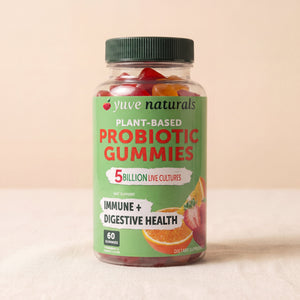
One simple option in this category is Yuve Vegan Probiotic Gummies, which provide probiotic support as part of a broader gut routine alongside food-first prebiotic intake and targeted herbal support.
How to Use Herbal Aids Safely and Smartly
A herbal digestive aid can be helpful. More is not always better.
Start low, stay observant, and give your body time to respond. If you're trying a tea, see how you feel after meals for several days. If you're using a capsule, follow the label and avoid stacking multiple new products at once.
A good starting approach
- Match the herb to the symptom - Ginger for queasiness feels different from fennel for gas.
- Pick one form first - Tea, tincture, or capsule. Keep it simple so you can notice what changes.
- Track your response - Write down meals, symptoms, timing, and the herb you used.
That last part matters more than people think. Patterns become obvious when they're written down.
What the artichoke research suggests
Globe artichoke supplementation reduced bloating by 39% in people with dyspeptic syndrome by improving gut microbiota composition, a mechanism linked to its inulin content, according to this PubMed Central article on Cynara scolymus and digestive effects.
For everyday readers, that finding is useful because it shows one herb can work through a microbiome pathway, not just by masking discomfort. That's part of why artichoke keeps showing up in smarter gut conversations.
Safety matters more than hype
A few practical reminders:
- If you're vegan - Look for gelatin-free capsules or plant-based formats.
- If you're buying for kids - Use extra caution and check with a qualified healthcare professional before giving herbs regularly.
- If you're eco-conscious - Choose brands that are transparent about sourcing and ingredient quality.
- If you take medication or have a condition - Ask your healthcare professional before adding herbal products, especially if symptoms are persistent.
See a clinician promptly if symptoms are intense, worsening, or come with alarm signs like bleeding, unexplained weight loss, or ongoing vomiting. Herbs can support digestion. They shouldn't replace proper evaluation when your body is waving a red flag.
Your Quick-Win Plan and FAQs
When digestion feels off, consistency beats perfection. Tiny habits usually help more than dramatic resets.

A simple daily checklist
- Slow down at meals - Eating fast can mean more swallowed air and less comfortable digestion.
- Use the right herb at the right time - Peppermint after a gassy meal is different from ginger when your stomach feels queasy.
- Build in prebiotic foods - Fiber-rich plant foods help support the microbes that support you.
- Keep a go-to digestive routine - Many people do better when support is easy and repeatable.
- Notice your trigger patterns - Rich meals, stress, eating late, and rushed lunches often tell the story.
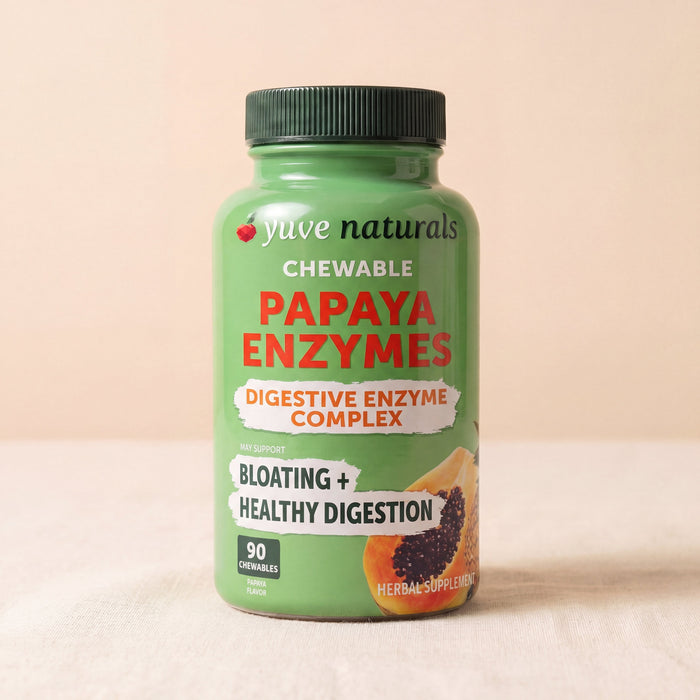
For people who want a simple, chewable option as part of a daily digestion routine, Yuve Papaya Enzymes are one plant-based choice to pair with meal awareness and symptom-matched herbal support.
A small real-life note
I've seen so many people blame themselves for bloating. They think they "ate badly" or their body is broken. Usually, it isn't that dramatic. Often, the body just needs better support, better timing, and less guesswork.
That's also why all-or-nothing gut plans tend to backfire. You don't need to fear food to care for your digestion.
A short visual walk-through can help if you're more of a watch-it-than-read-it person.
FAQs
Can I take a herbal digestive aid every day
Sometimes, yes, but it depends on the herb, the format, and why you're using it. A soothing tea may make sense as a daily ritual. A more targeted product may be better used around meals or symptoms. If you need it constantly, it's worth asking why the symptoms keep showing up.
How long does it take to notice a difference
Some people notice a difference quickly, especially with herbs used for occasional gas or post-meal discomfort. For microbiome-related changes, consistency matters more, and the timeline is usually less immediate.
Are herbs better than probiotics
They're different tools. Herbs can support digestion directly, while probiotics support the microbial side of gut health. Many people do better when they think in terms of combination, not competition.
What if my bloating keeps happening no matter what I try
That's your sign to dig deeper. Food intolerances, IBS, constipation, stress, and other digestive conditions can all show up as bloating. Persistent symptoms deserve a proper workup, not endless guessing.
If your gut has been asking for help, start simple and stay curious. A thoughtful herbal digestive aid routine, paired with microbiome support and realistic habits, can be a much smarter path than chasing the latest trend.
If you're ready to build a more practical gut routine, explore Yuve for vegan digestive support options and more education on bloating, probiotics, and everyday gut health.