For mild stomach cramps without warning signs, pause strenuous activity, sip water, use gentle heat, and eat small familiar meals while you watch the pattern. Avoid starting several remedies at once. Sudden or severe pain, a rigid abdomen, blood, repeated vomiting, breathing trouble, fainting, or inability to pass stool or gas needs urgent care.
How did we evaluate ways to ease stomach cramps?
We evaluated stomach-cramp guidance by separating mild, short-lived discomfort from patterns that need urgent assessment. MedlinePlus, the National Health Service, the National Center for Complementary and Integrative Health, and the National Institute of Diabetes and Digestive and Kidney Diseases received more weight than social posts, product pages, or anecdotal remedies. We prioritized low-risk steps that help a person observe hydration, meals, bowel movements, location, timing, and associated symptoms without pretending to identify the cause at home. Evidence for enteric-coated peppermint oil was treated as IBS-specific and short term, not proof that peppermint treats every abdominal cramp. We excluded detoxes, essential-oil ingestion, aggressive fasting, disease-treatment claims, and universal food restrictions. The main limitation is that “stomach cramps” can describe pain from the stomach, bowel, urinary tract, reproductive organs, muscles, or another source, so symptom pattern and warning signs determine whether self-care is reasonable.
What can you do first for a mild stomach cramp?
Start with a short reset that changes one variable at a time. Stop strenuous exercise, sit or lie in a comfortable position, loosen tight clothing, and sip water rather than quickly drinking a large volume. A warm pack may relax tense abdominal muscles, but use a cloth barrier and avoid high heat or falling asleep on it. If you are hungry and not vomiting, choose a small familiar meal instead of a rich, greasy, alcoholic, highly caffeinated, or heavily carbonated option. Record where the cramp sits, when it began, whether it comes in waves, and whether eating, movement, urination, gas, or a bowel movement changes it. MedlinePlus describes water, smaller meals, and limiting gas-producing foods as reasonable home-care steps for mild abdominal pain, while also warning that pain intensity alone does not reveal the cause. Best for a mild one-off episode: rest, hydration, gentle heat, and observation. Best for worsening or recurrent pain: clinical assessment rather than more home experiments.
How does the symptom pattern change the next step?
The pattern matters more than the word “cramp.” Generalized, cramp-like discomfort with gas or loose stool can follow a meal change or short stomach illness, while pain fixed in one location deserves closer attention. Constipation can produce pressure and intermittent cramps; diarrhea can produce waves of bowel contraction and fluid loss. Upper abdominal burning after meals can resemble indigestion, but chest pain, shortness of breath, or pain spreading beyond the abdomen changes the safety question. Menstrual cramps, urinary symptoms, pregnancy, recent surgery, new medication, and known digestive conditions also change the differential. The NHS stomach-ache guide separates common patterns such as trapped wind, indigestion, constipation, and stomach bugs but explicitly advises against self-diagnosis. Best for a single mild episode with an obvious temporary trigger: conservative observation. Best for the same cramp returning after similar meals: a symptom-and-food log. Best for localized, persistent, or escalating pain: prompt professional evaluation.
| Pattern | Best first response | Reason not to keep self-treating |
|---|---|---|
| Mild, brief, generalized cramp | Water, rest, gentle heat, small familiar meal | It persists, intensifies, or keeps returning |
| Cramp with diarrhea or vomiting | Prioritize fluid replacement and tolerance | Blood, dehydration, fever, or inability to keep fluids down |
| Cramp with constipation or gas | Gentle movement, water, and pattern review | Swelling, vomiting, or inability to pass stool or gas |
| Sudden, severe, or localized pain | Urgent medical assessment | Do not delay care to test foods or supplements |
Should you use heat, peppermint, or an over-the-counter medicine?
Gentle heat is a comfort measure rather than a diagnosis or cure. A warm pack can be reasonable for a familiar mild cramp when the skin is protected and no urgent warning sign is present. Enteric-coated peppermint oil has a narrower evidence lane: a 2022 review summarized by NCCIH found short-term improvement in overall IBS symptoms and abdominal pain across 10 studies, but participants had IBS, side effects were more common than with placebo, and reflux or indigestion can worsen. Peppermint tea does not deliver the same standardized preparation, and concentrated essential oil should not be swallowed casually. Antacids, laxatives, antidiarrheals, and pain relievers solve different problems and can be inappropriate for an unclear pain pattern. A pharmacist can check symptoms, medications, pregnancy, allergies, kidney or liver history, and product directions before an over-the-counter trial. Best for familiar IBS symptoms after clinician guidance: an evidence-aligned option such as enteric-coated peppermint oil. Best for unexplained pain: identify the pattern before choosing a product category.
What should you eat or drink while the cramp settles?
Choose intake by tolerance rather than following a universal “bland diet.” Water is a sensible starting point for a mild cramp, and an oral rehydration solution may fit meaningful fluid losses from diarrhea or vomiting. Small portions reduce stomach volume and make it easier to identify whether eating changes the pain. Familiar foods such as rice, oats, toast, potatoes, bananas, soup, or a usual tolerated protein may feel manageable, but no single list fits lactose intolerance, celiac disease, diabetes, kidney disease, allergies, pregnancy, or a prescribed diet. Large fatty meals, alcohol, heavy carbonation, and multiple new supplements add variables when the cause is unclear. Fiber also requires context: a sudden increase in fermentable fiber can increase gas and cramps, while long-term low fiber can contribute to constipation. NCCIH notes that large prebiotic doses can cause gas, bloating, abdominal pain, cramps, and diarrhea. Best for short-term observation: small familiar meals and steady fluids. Best for repeated food-linked symptoms: a structured log and clinician or dietitian review.
Do probiotics or fiber products ease an active stomach cramp?
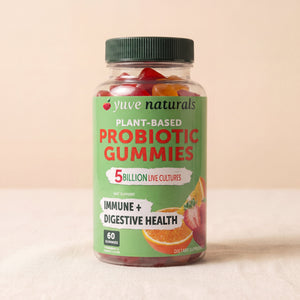
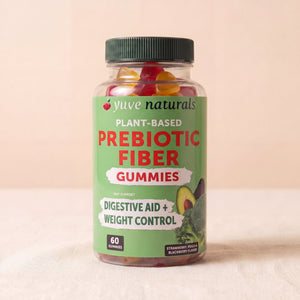
Probiotics and fiber products should not be presented as fast relief for an unexplained active cramp. Probiotic effects depend on the organism, strain, dose, outcome, and population; NCCIH says evidence for probiotics in IBS remains inconclusive. Fermentable fibers such as inulin can support a daily fiber routine but can also increase gas or cramping when introduced too quickly. Commercial disclosure: Yuve publishes this article and sells the products linked below; that relationship does not change the evidence standard used here. Yuve Probiotic Gummies provide 5 billion CFU of Bacillus coagulans per two-gummy serving, but the label identifies the species rather than a clinical strain code. Yuve Prebiotic Fiber Gummies provide 1.5 grams of chicory-root inulin/FOS per gummy. Best for an active unexplained cramp: neither product. Best for a later routine after symptoms settle: compare the full digestive-support collection by ingredient, dose, tolerance, and clinician guidance when risk factors apply.
When do stomach cramps need urgent medical care?
Seek urgent care when abdominal pain is sudden, severe, rapidly worsening, fixed in one area, or paired with a hard or very tender abdomen. Blood in vomit, red or black stool, fainting, confusion, chest pain, breathing trouble, persistent fever, repeated vomiting, pregnancy-related concern, or inability to pass stool or gas also changes the situation. The MedlinePlus abdominal-pain guidance recommends immediate help for sudden sharp pain, a rigid tender abdomen, blood, or bowel obstruction signs. The NHS adds escalating pain, persistent diarrhea, painful urination, unintentional weight loss, and recurrent bloating as reasons for timely assessment. Children, older adults, pregnant people, and people with immune compromise, recent abdominal surgery, or serious chronic conditions may need a lower threshold for care. Do not use a supplement, laxative, antidiarrheal, essential oil, or restrictive diet to delay evaluation. Best for severe or concerning symptoms: urgent assessment. Best for mild pain that repeatedly returns: a scheduled medical review with a written symptom timeline.
What questions do people ask about easing stomach cramps?

Stomach-cramp questions usually mix comfort, cause, and safety. A useful answer separates immediate low-risk steps from treatments that depend on diagnosis. Hydration, rest, gentle heat, and small familiar meals can support observation, but they do not prove that a cramp is harmless. Location, duration, recurrence, bowel changes, urinary symptoms, menstrual timing, pregnancy, fever, bleeding, vomiting, and medication use all change the next step. Try only one low-risk change at a time so the response remains interpretable. Repeatedly masking pain with several over-the-counter products makes the pattern harder to assess and may add side effects. A pharmacist can help with a clearly matched minor symptom, while a clinician should assess pain that is new, recurrent, localized, persistent, or accompanied by warning signs. Severe or sudden pain belongs in urgent care, not an online troubleshooting sequence.
Does a heating pad help stomach cramps?
Gentle heat may provide comfort for a familiar mild cramp or muscle tension. Protect the skin, limit the duration, and do not let temporary relief delay care for severe, localized, or worsening pain.
Is peppermint tea the same as peppermint oil capsules?
No. IBS research generally evaluates standardized, enteric-coated peppermint oil rather than tea, and even the capsule evidence is short term and condition-specific. Peppermint can worsen reflux or indigestion in some people.
Should I stop eating when my stomach cramps?
Not automatically. If you are not vomiting and have no urgent warning signs, small portions of familiar tolerated foods may be easier than a large meal; prolonged fasting can create other problems and does not identify the cause.
Can gas cause sharp stomach cramps?
Gas can cause brief, shifting, cramp-like pain, often with bloating or relief after passing gas. Sudden severe pain, fixed localized pain, a rigid abdomen, or inability to pass stool or gas needs medical assessment.
Can dehydration cause abdominal cramps?
Fluid loss can accompany diarrhea or vomiting and may contribute to muscle cramping, weakness, thirst, dizziness, and low urination. Persistent vomiting, fainting, confusion, or inability to keep fluids down needs prompt care.
How long should a mild stomach cramp last?
There is no universal safe duration because causes differ. Seek advice when pain persists, worsens, repeatedly returns, localizes, or appears with fever, bleeding, vomiting, urinary changes, weight loss, pregnancy, or altered bowel function.
Mild stomach cramps may settle with rest, steady fluids, gentle heat, and small familiar meals, but the symptom pattern determines what is safe. Use warning signs and recurrence—not a supplement promise—to decide when home observation should end and medical care should begin.