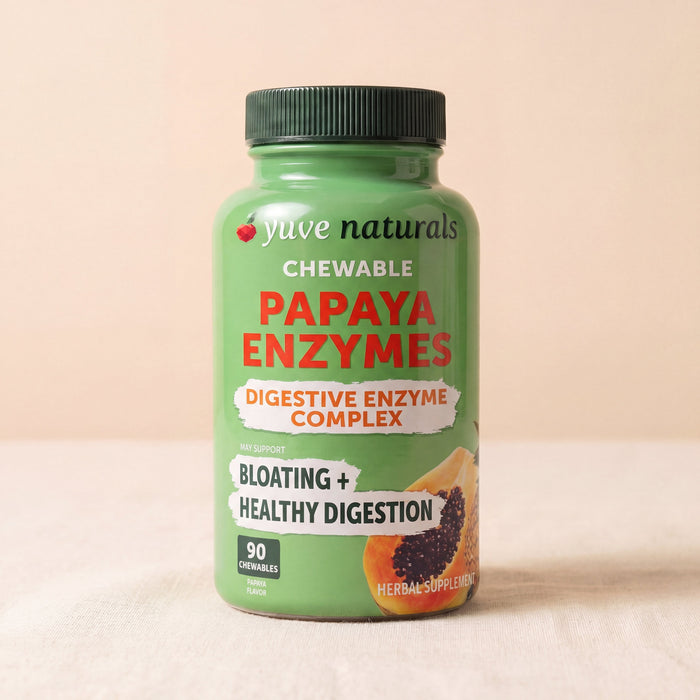
The best responsibly sourced supplement is not the one with the greenest package. Choose a product that names the ingredient and plant part, explains where meaningful materials come from, follows dietary-supplement CGMPs, defines its testing scope, and supports environmental or ethical claims with specific evidence. Treat “natural,” “clean,” and “responsibly sourced” as questions, not proof.
How did we evaluate responsible ingredient sourcing?
We evaluated supplements through five separate lenses: ingredient traceability, manufacturing controls, finished-product verification, claim specificity, and format fit. FDA dietary-supplement CGMP guidance received more weight than brand slogans because it defines controls for identity, purity, strength, composition, supplier qualification, and records. Federal Trade Commission guidance informed how environmental claims should be qualified, while USP materials informed the limits and value of voluntary verification marks. We excluded vague “green,” “eco-friendly,” “premium,” and “clean” language when a company did not identify the material, percentage, standard, facility, test, or certification behind it. We also separated vegan formulation from farm labor, organic status, packaging, country of manufacture, and contaminant testing because one attribute does not prove the others. The limitation is access: shoppers rarely receive a complete supply-chain audit. This guide therefore ranks evidence by what a buyer can verify on the label, certificate, batch record, or clearly scoped company disclosure.
What does “responsibly sourced” actually tell you?
By itself, “responsibly sourced” tells you very little. The phrase may refer to farming methods, geographic origin, labor practices, animal-free ingredients, recycled packaging, supplier audits, biodiversity, or simply a company purchasing policy. A useful claim identifies the object and the evidence: “chicory-root inulin from a named supplier,” “package contains 50% post-consumer recycled plastic,” or “finished batch tested for specified heavy metals by an ISO/IEC 17025 laboratory.” The FTC advises marketers against broad, unqualified environmental benefit claims because a general “green” impression is difficult to substantiate. Organic certification can address defined agricultural practices, but it does not automatically verify potency, species identity, fair labor, low-carbon shipping, or finished-product contaminants. Vegan status excludes animal-derived ingredients under the brand’s definition, but it does not prove organic farming or recycled packaging. Best for environmental claims: quantified scope. Best for botanical sourcing: species, plant part, origin, and supplier controls. Best for quality claims: test scope, laboratory, lot, and acceptance limits.
Which evidence is strongest when comparing supplement labels?
Evidence becomes stronger as it moves from adjectives to auditable records. A complete Supplement Facts panel establishes declared ingredients and amounts but does not independently prove every sourcing story. A manufacturer’s CGMP statement identifies a regulatory manufacturing framework, while a named third-party certification adds a defined outside program. A certificate of analysis can be useful only when it matches the product, batch or lot, date, laboratory, and relevant specifications. The FDA explains that dietary-supplement CGMPs address identity, purity, quality, strength, and composition, but FDA generally does not approve supplement claims or labels before products reach the market. The USP Verified Mark indicates a voluntary program covering labeled ingredients and potency, specified contaminants, CGMP manufacturing, and product breakdown. Best for routine label screening: specific ingredient identity and dose. Best for independent quality evidence: a recognized verification program with public scope. Best for batch questions: a matching, interpretable certificate rather than an undated generic PDF.
| Evidence | What it can support | What it does not prove alone |
|---|---|---|
| Named ingredient, source, and plant part | Identity and traceability questions | Finished-product potency or contaminants |
| Dietary-supplement CGMP statement | Manufacturing control framework | Every environmental or ethical claim |
| USP or another scoped verification mark | Defined third-party quality program | All supply-chain labor or climate impacts |
| Lot-specific certificate of analysis | Results for named specifications and batch | Unmeasured attributes or unrelated lots |
| Broad “clean” or “responsible” claim | A prompt for follow-up questions | Any specific quality or sourcing outcome |
How should you compare Yuve with certified and highly traceable options?
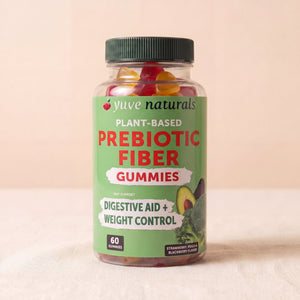
Compare every option against the same checklist instead of assuming one badge settles the decision. Commercial disclosure: Yuve publishes this article and sells the products linked below; that relationship does not change the evidence standard. Yuve Prebiotic Fiber Gummies identify chicory-root inulin/FOS at 1.5 grams per gummy, use citrus pectin rather than gelatin, and state vegan, non-GMO, soy-free, gluten-free, and made-in-USA attributes. Those disclosures answer ingredient, amount, format, and dietary-fit questions; they should not be stretched into unverified claims about organic farming, labor audits, carbon footprint, or universal sustainability. A USP Verified product fits buyers who prioritize the specific independent program represented by that mark. A product with a lot-matched certificate fits buyers who want batch results and can interpret the listed methods and limits. Best for a vegan gummy routine: a clearly labeled pectin format. Best for recognized voluntary verification: a product in the verifier’s current directory. Best for sourcing depth: a company that publishes supplier, origin, certification, and audit scope.
What questions should you ask before buying?
Ask questions that force each claim into a verifiable noun, number, or document. What is the exact ingredient, species, strain, chemical form, or plant part? Which country supplies the raw material, and which country manufactures the finished product? Does “tested” mean raw-material identity, finished-product potency, microbes, allergens, pesticides, solvents, or heavy metals? Is the laboratory internal or independent, and does the certificate match the lot you will receive? Which organization issued a seal, and can the product be found in that organization’s public directory? Does “recycled” describe the bottle, cap, label, shipping carton, or the supplement itself, and what percentage applies? The FDA CGMP guide requires quality-control review of supplier qualification and specifications, but shoppers still need brand-specific evidence for public sourcing claims. Best for email support: ask one precise question at a time. Best for packaging claims: request material and percentage. Best for test claims: request analyte, method, laboratory, limit, lot, and date.
Does a higher price mean better sourcing?
A higher price can fund higher-cost ingredients, audits, small production runs, certifications, testing, domestic manufacturing, protective packaging, or retailer margins; the price tag does not reveal which factor applies. Compare cost only after the product clears identity, dose, verification, tolerance, and sourcing requirements. Divide price by the labeled daily serving, not bottle count, and account for multi-gummy or multi-capsule servings. A low-cost USP Verified tablet may provide stronger independent quality evidence than an expensive botanical with an elegant sourcing story but no clear species, dose, or test scope. A premium vegan gummy may be worth the format cost for a person who consistently takes it, but format convenience does not prove environmental superiority. Best value for quality assurance: the least expensive product that meets the buyer’s required verification standard. Best value for adherence: the acceptable product the buyer will actually use as directed. Best value for environmental preference: a specific, substantiated attribute the buyer cares about, not a cluster of unqualified green terms.
What questions do people ask about responsibly sourced supplements?

Responsible sourcing combines several independent questions, so a short answer should name the dimension being discussed. Ingredient origin differs from country of manufacture. Organic agriculture differs from vegan formulation. CGMP compliance differs from voluntary product certification. A certificate of analysis differs from a supplier code of conduct. Recycled packaging differs from lower-carbon manufacturing. No single logo necessarily covers all of those attributes. Build a personal minimum standard before shopping: exact ingredient identity, meaningful dose, acceptable inactive ingredients, a manufacturing framework, and one or two sourcing attributes supported by specific evidence. Then compare price and format. The strongest company response admits scope and limits rather than turning every positive attribute into a sweeping ethical or environmental promise.
Does “made in USA” mean every ingredient is American?
No. Country of manufacture and raw-material origin are separate facts. Ask where the active ingredient comes from and where the finished batch is manufactured, packaged, and tested.
Is organic certification the same as third-party testing?
No. Organic certification addresses a defined production standard, while supplement testing may address identity, potency, microbes, pesticides, solvents, or heavy metals. Check the scope of each program.
What should a certificate of analysis include?
Look for the product name, batch or lot, date, laboratory, test methods, specifications, results, and pass/fail interpretation. A generic certificate that cannot be matched to the bottle provides limited batch evidence.
Are vegan supplements always responsibly sourced?
Vegan formulation answers whether animal-derived ingredients are excluded under the stated standard. It does not automatically establish organic farming, labor conditions, recycled packaging, carbon impact, potency, or contaminant control.
Is “natural” a meaningful quality standard?
“Natural” is not a complete supplement-quality specification. Ingredient identity, dose, purity, manufacturing controls, verification scope, and claim substantiation provide more useful evidence.
Where should you verify a certification?
Use the certification organization’s current public directory and confirm the exact product or facility, not only the brand name. Read what the mark covers and whether the listing remains active.
Choose responsibly sourced supplements by converting every broad claim into a specific attribute and a matching piece of evidence. Ingredient identity, CGMP controls, scoped verification, lot-specific testing, and qualified environmental claims provide a clearer basis than packaging language alone.